
Yichang
Three Gorges Dam
The dam and Zigui’s moved town reveal how engineering changed both the Yangtze and life on its banks.
A province shaped by two rivers
Where Rivers Open Into Stories
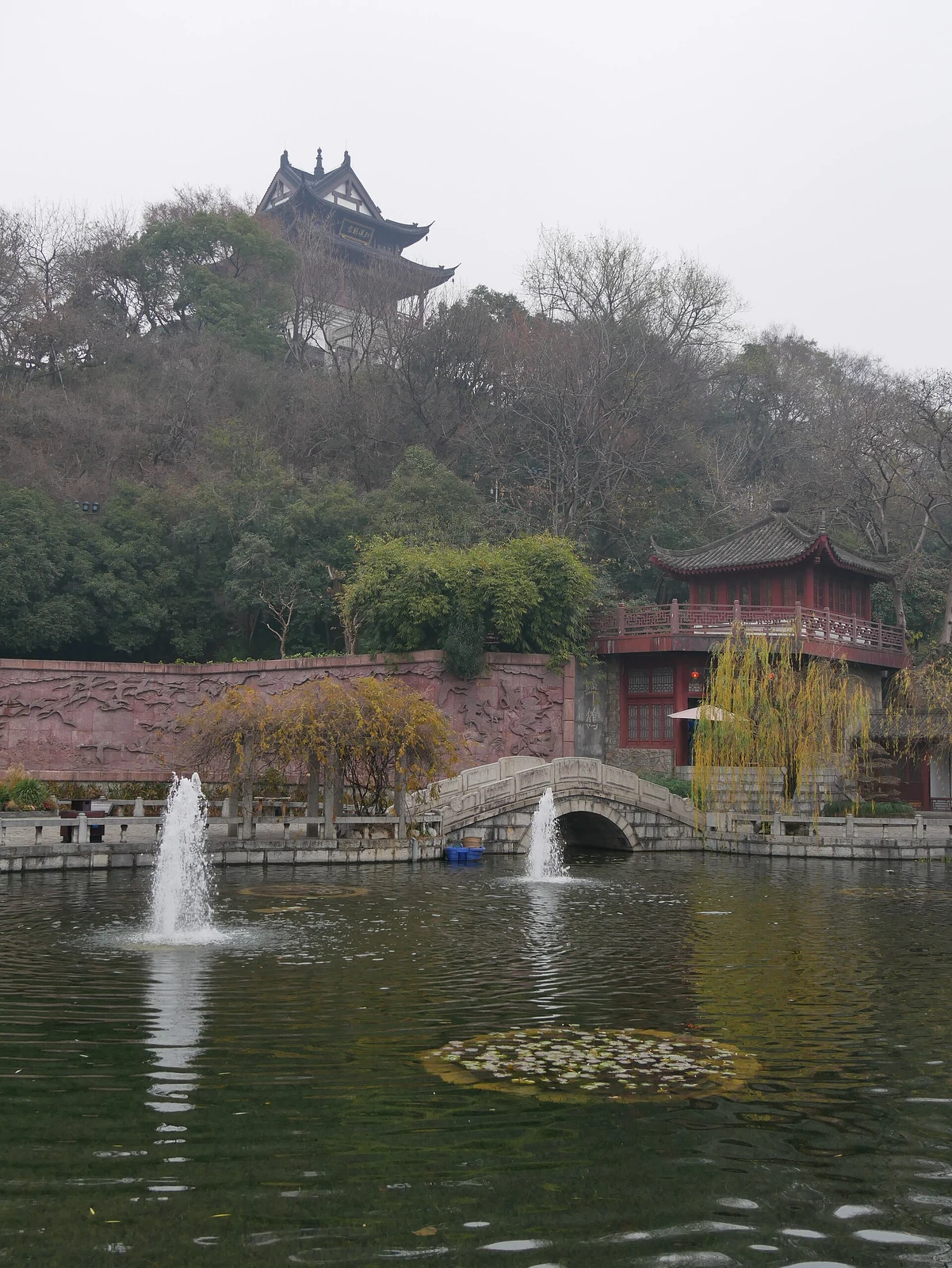
The Yangtze and the Han give Hubei two ways in. At Wuhan, river poetry meets a city’s breakfast tables. Upstream lie the cliffs and changed shores of the Three Gorges; along the Han are Xiangyang’s walls and the mountain buildings of Wudang. Bronze bells connect a Suizhou tomb with a Wuhan museum, while the Jianghan Plain and Shennongjia’s forests open other rhythms of life.
Yellow Crane Tower
Choose a direction: the Yangtze’s gorges, the Han River’s cities, mountain architecture or forest habitats.
Yichang
The dam and Zigui’s moved town reveal how engineering changed both the Yangtze and life on its banks.
Jingzhou, Hubei
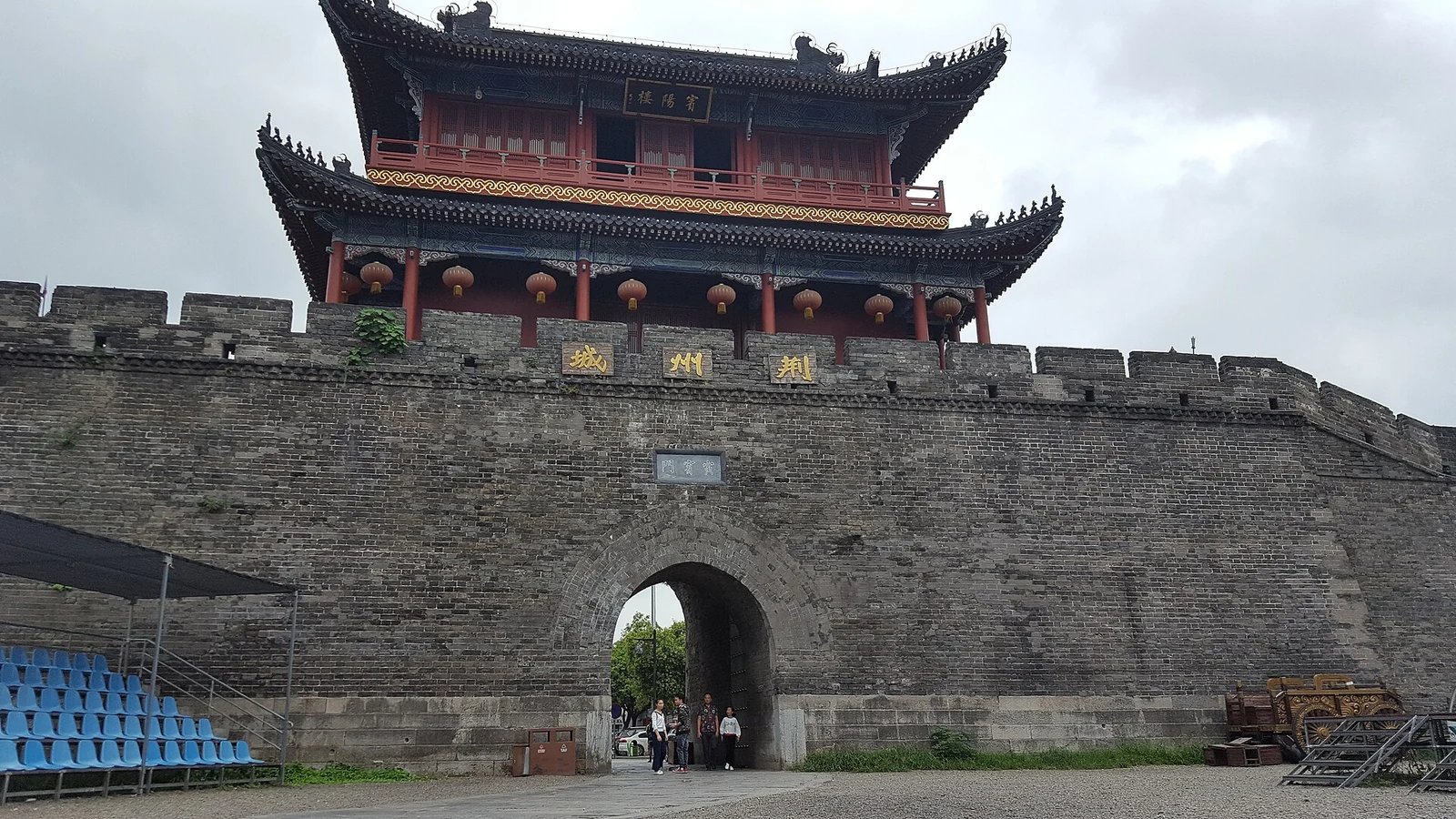
Walls, gates and the memory of Guan Yu introduce different layers of Jingzhou’s past.
Xiangyang
The Han River runs between Xiangyang and Fancheng, giving the city’s walls their strategic setting.
Shiyan
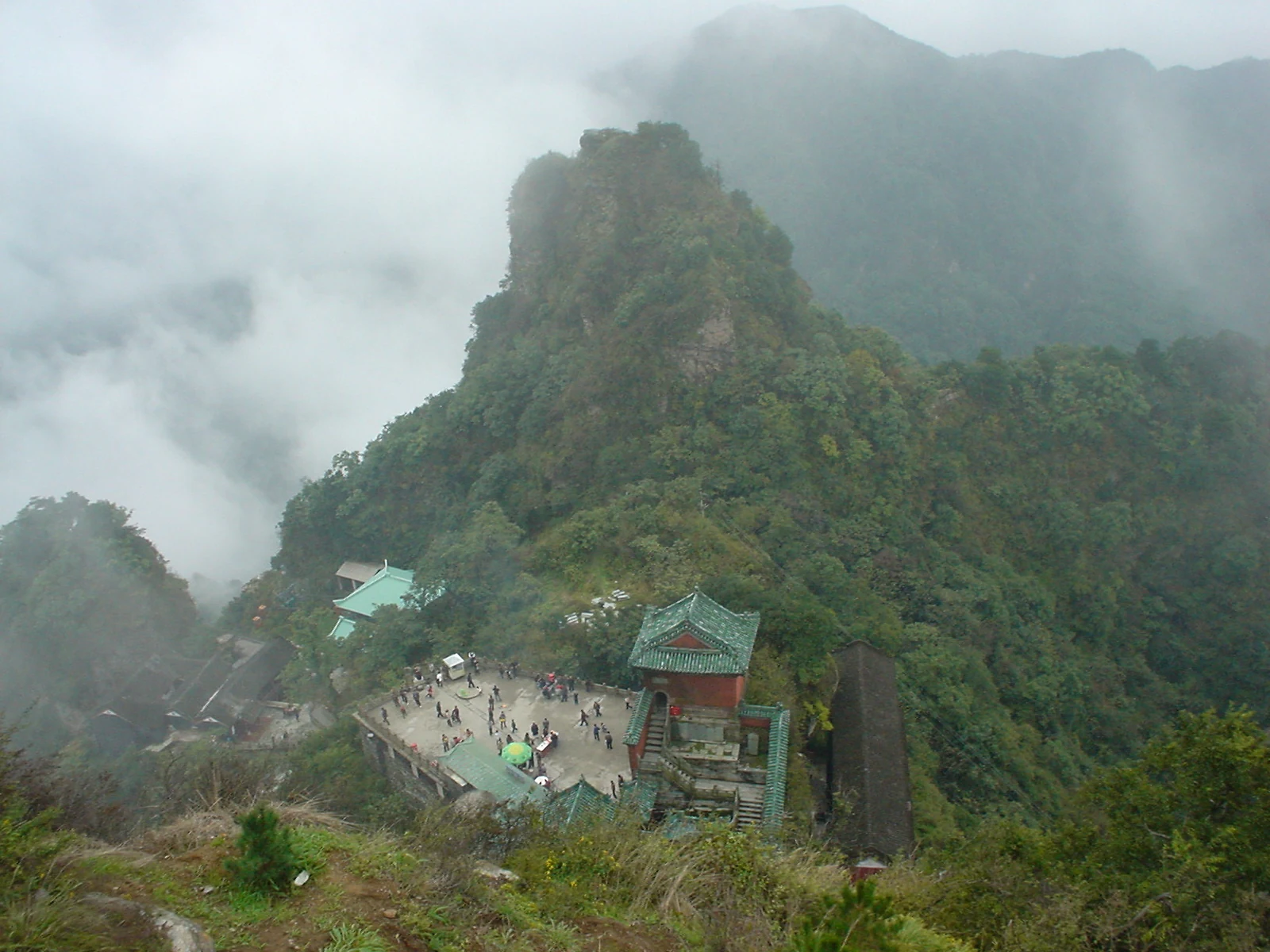
Bronze architecture, cliffside shrines and wooded paths make the mountain terrain part of a Daoist world.
Shennongjia
In western Hubei, forests change with height and sustain a remarkable range of mountain habitats.
Begin with a sound, a morning meal or a poem, then follow the places that give each story its shape.
From the journal
The bells of Marquis Yi connect a tomb in Suizhou with Wuhan’s Hubei Provincial Museum and the sound of an ancient court.
From the journal
Hot dry noodles and the small food stalls of Wuchang introduce guozao, Wuhan’s name for the morning meal.
From the journal
Su Shi’s years in Huangzhou joined a river cliff to the Red Cliff rhapsodies, leaving a literary place distinct from Chibi’s battlefield memorials.
Choose a city: start with its highlights or continue reading in the full article collection.
Three historic towns meet at the Han–Yangtze confluence, with river landmarks, breakfast culture and remarkable museum collections.
All articlesAt Sandouping, the Three Gorges Dam connects power generation and navigation with a reservoir that changed the river and its settlements. At Sanyu Cave near Yichang, a Tang outing and the later memory of the Su family turn a cliffside chamber into a literary place.
All articlesXiangyang’s walls, the river crossing to Fancheng and the story of Lady Han reveal several periods of defence and remembrance. At Mi Fu’s shrine in Fancheng, courtyards and carved calligraphy preserve the reputation of a Song artist through later acts of copying and remembrance.
All articlesOn Wudang Mountain, the Golden Hall and the sequence of Daoist buildings make mountain terrain part of an architectural world. At Xuetangliangzi in Shiyan’s Yunyang District, ancient human skulls make a river terrace a place of continuing research into human evolution.
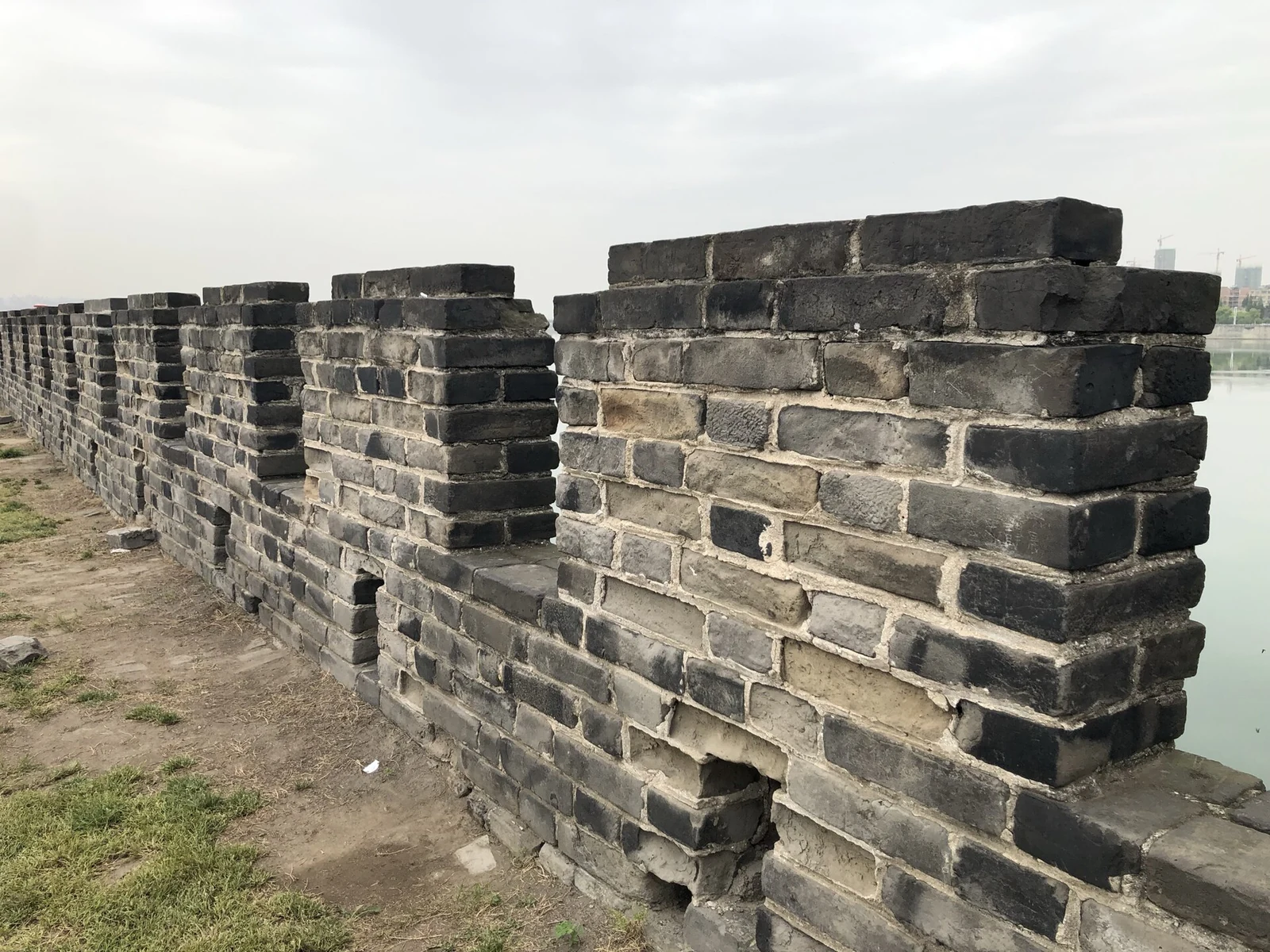
All articlesJingzhou’s surviving city wall and its remembrance of Guan Yu bring built defences and Three Kingdoms storytelling into different layers of one city. At Jingzhou Museum, a painted wooden drum support makes the sound-world and animal imagery of Chu visible in lacquer and carved forms.
All articlesQujialing in Jingmen introduces early farming through excavated settlement remains, pottery and the relationship between cultivation and water.
All articlesAt Leigudun in Suizhou, Marquis Yi’s tomb places the famous bells within a burial containing instruments, vessels and a ruler’s ordered world. At Lishan near Suizhou, the tradition of Yandi Shennong gives agriculture a remembered ancestor, alongside a region with its own archaeological past.
All articlesThe former Mianyang, where lotus root, steaming techniques and local crafts give the river plain a recognisable cultural life.
All articlesIn Qianjiang, crayfish farming and rice–aquaculture systems connect the waterlogged plain with a distinctive modern food economy.
All articlesA city of the Jianghan Plain with Lu Yu’s memory, Shijiahe archaeology and a distinctive tradition of sugar sculpture.
All articlesSu Shi’s years in Huangzhou joined a river cliff to the Red Cliff rhapsodies, leaving a literary place distinct from Chibi’s battlefield memorials. In Qichun, Li Shizhen’s life and the Compendium of Materia Medica connect local plant knowledge with a long work of collecting and comparison.
All articlesThe battle of 208 helped shape the Three Kingdoms world; Chibi’s memorial landscape and Huangzhou’s poetry later carried its name in different directions. Jiugong Mountain in Tongshan brings a highland lake, wooded slopes and the memory of Daoist practice into one southern Hubei landscape.
All articlesA region of the Han River plain and northern hills, with stories of filial devotion and local performance traditions.
All articlesAround Daye and Huangshi, Tonglüshan’s ancient copper workings and a modern open-pit iron mine reveal different eras of extraction.
All articlesEzhou’s connection with Sun Quan explains an older use of the name Wuchang, alongside a lake country remembered through its fish.
All articlesWestern Hubei’s forestry district, with mountain habitats, exceptional plant diversity and golden snub-nosed monkeys.
All articles