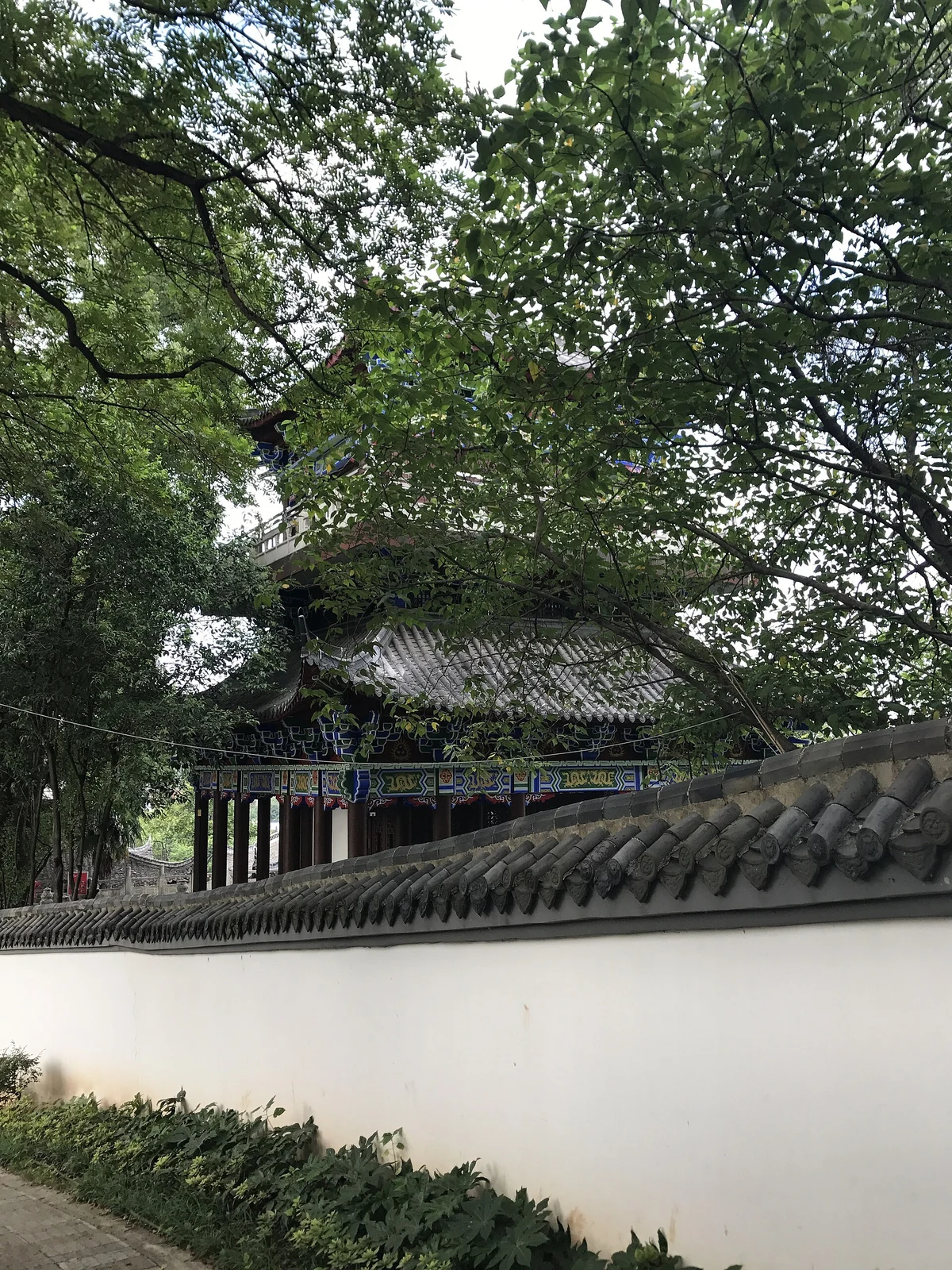
Dongpo Red Cliff stands at Huangzhou in today’s Huanggang. Its reddish rock gave it an identity before it became inseparable from Su Shi, also known as Su Dongpo. The Yangtze’s course and banks have changed, so the surviving cliff is no longer a simple reconstruction of the waterside setting in the poems. The stone, the later buildings and the remembered river belong to different layers of the place.
From the journal
A Poet Makes Another Red Cliff
Su Shi’s years in Huangzhou joined a river cliff to the Red Cliff rhapsodies, leaving a literary place distinct from Chibi’s battlefield memorials.
In the same city · Huanggang ↗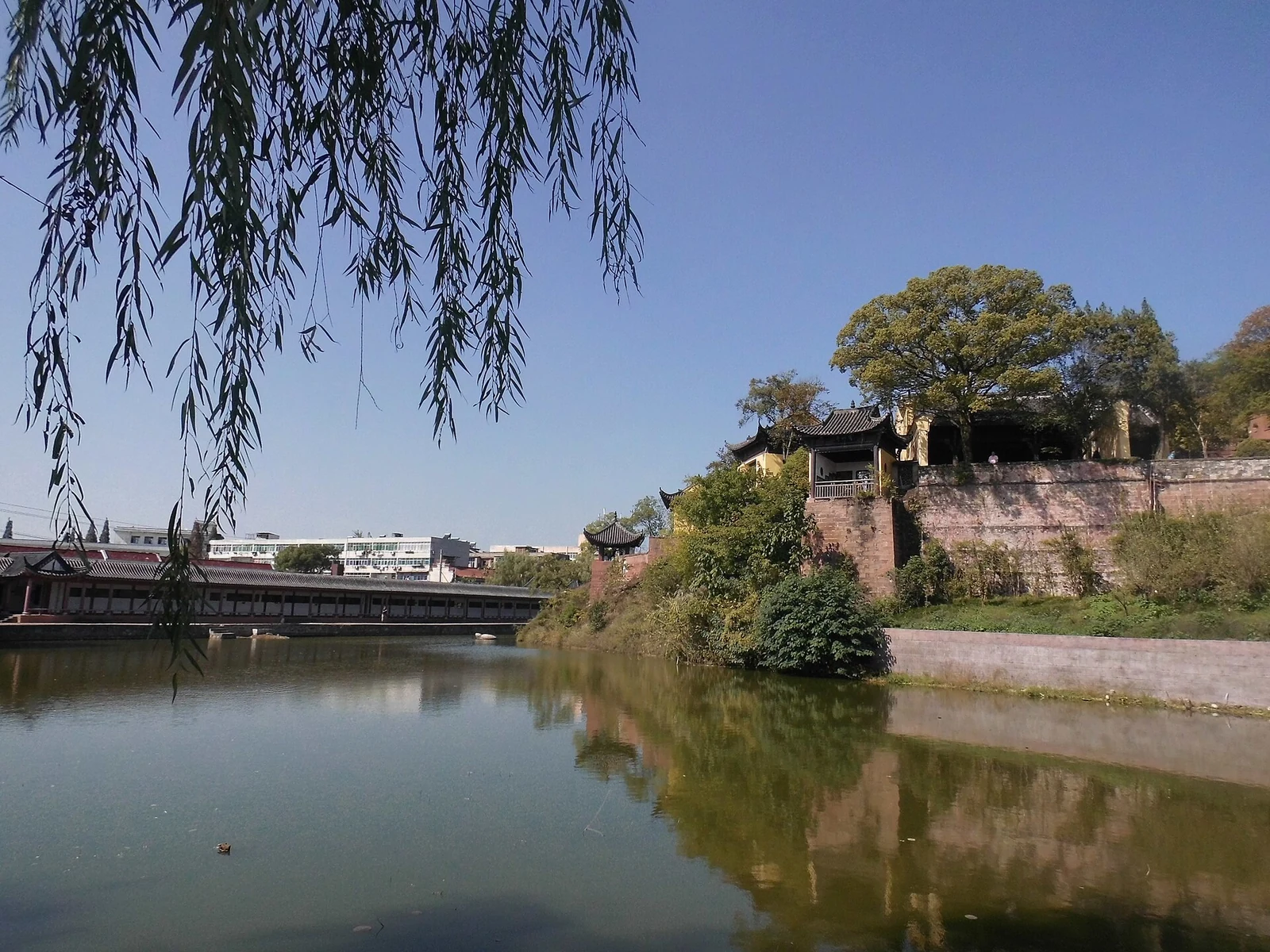
The cliff at Huangzhou
Writing during exile
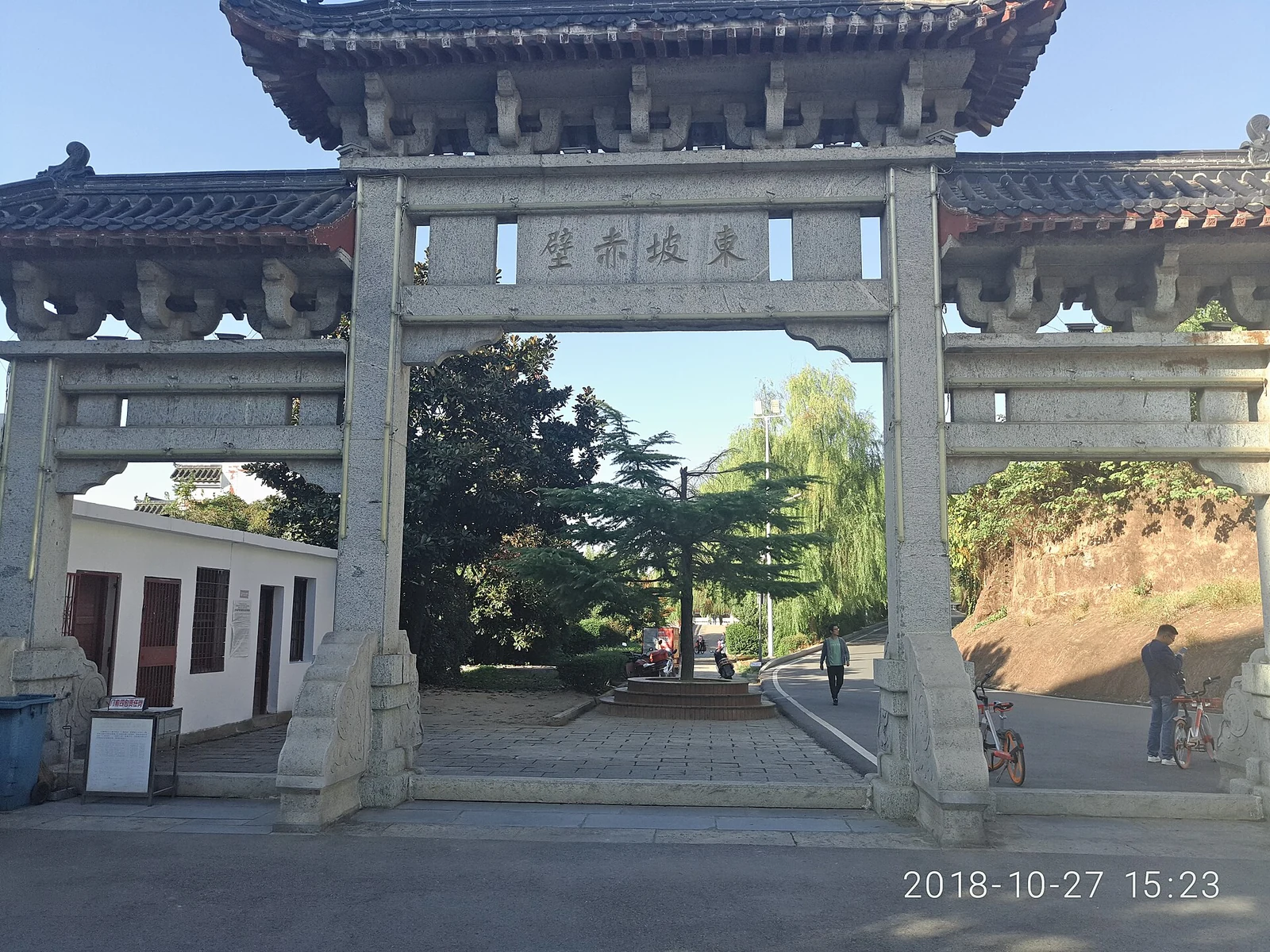
Exiled to Huangzhou in the Northern Song period, Su Shi wrote the two Red Cliff rhapsodies and the lyric often known as Red Cliff: A Meditation on the Past. A night on the water becomes a conversation about history, loss and the changing world. Later pavilions, inscriptions and commemorative buildings gathered around that association. Their presence shows how readers made a literary landscape around the writer’s words.
Two places with one name
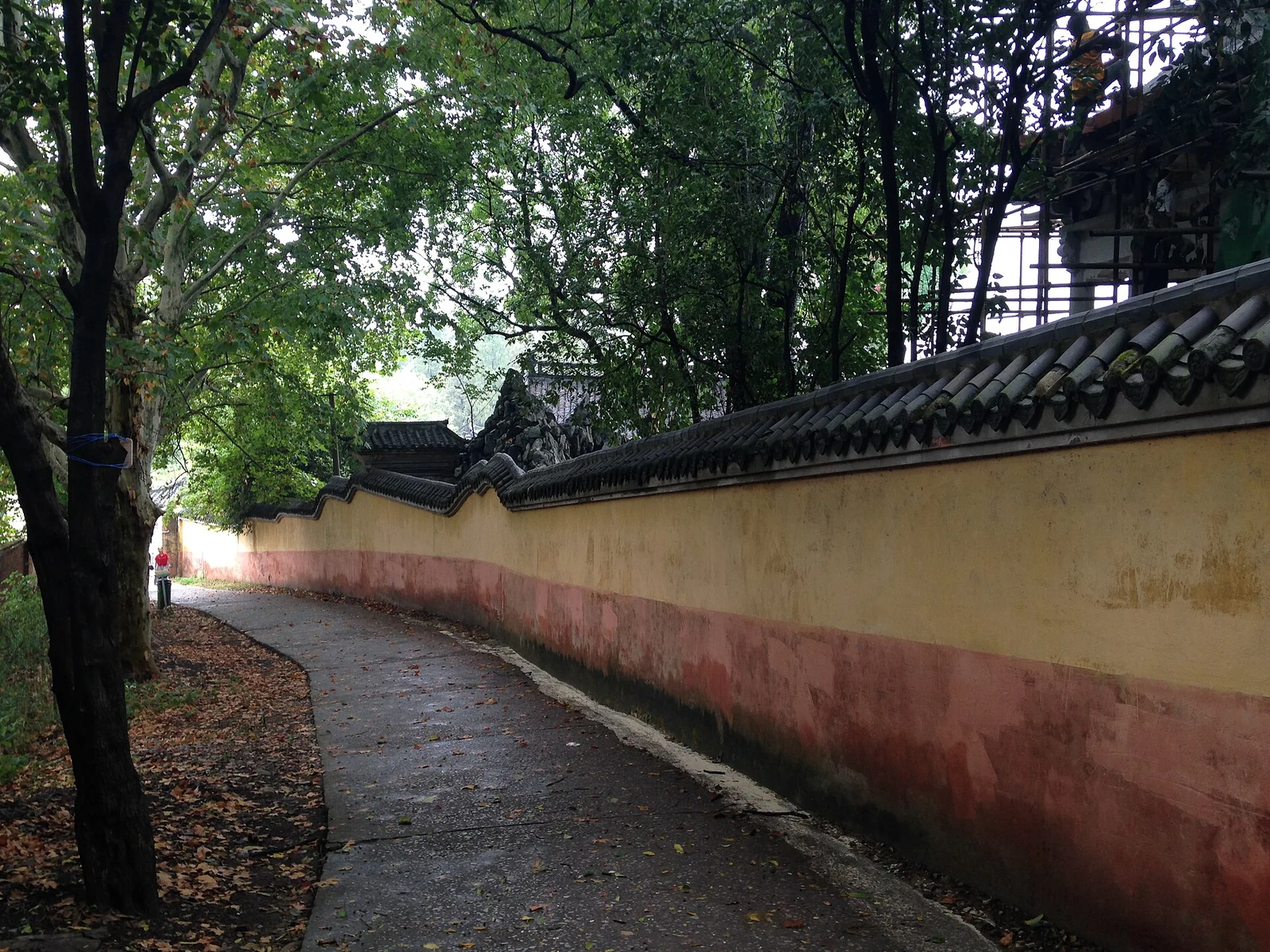
Huangzhou’s literary Red Cliff lies in Huanggang; the battlefield memorials at Chibi lie elsewhere along the Yangtze, in Xianning. Their shared name is a rewarding thread to follow. Su Shi brought the Three Kingdoms past into a meditation on his own life, while later communities kept different memories around the name. Across the distance between the two places, a battle became a subject for poetry and poetry gave another cliff a lasting identity.