Bronze Architecture Above the Clouds
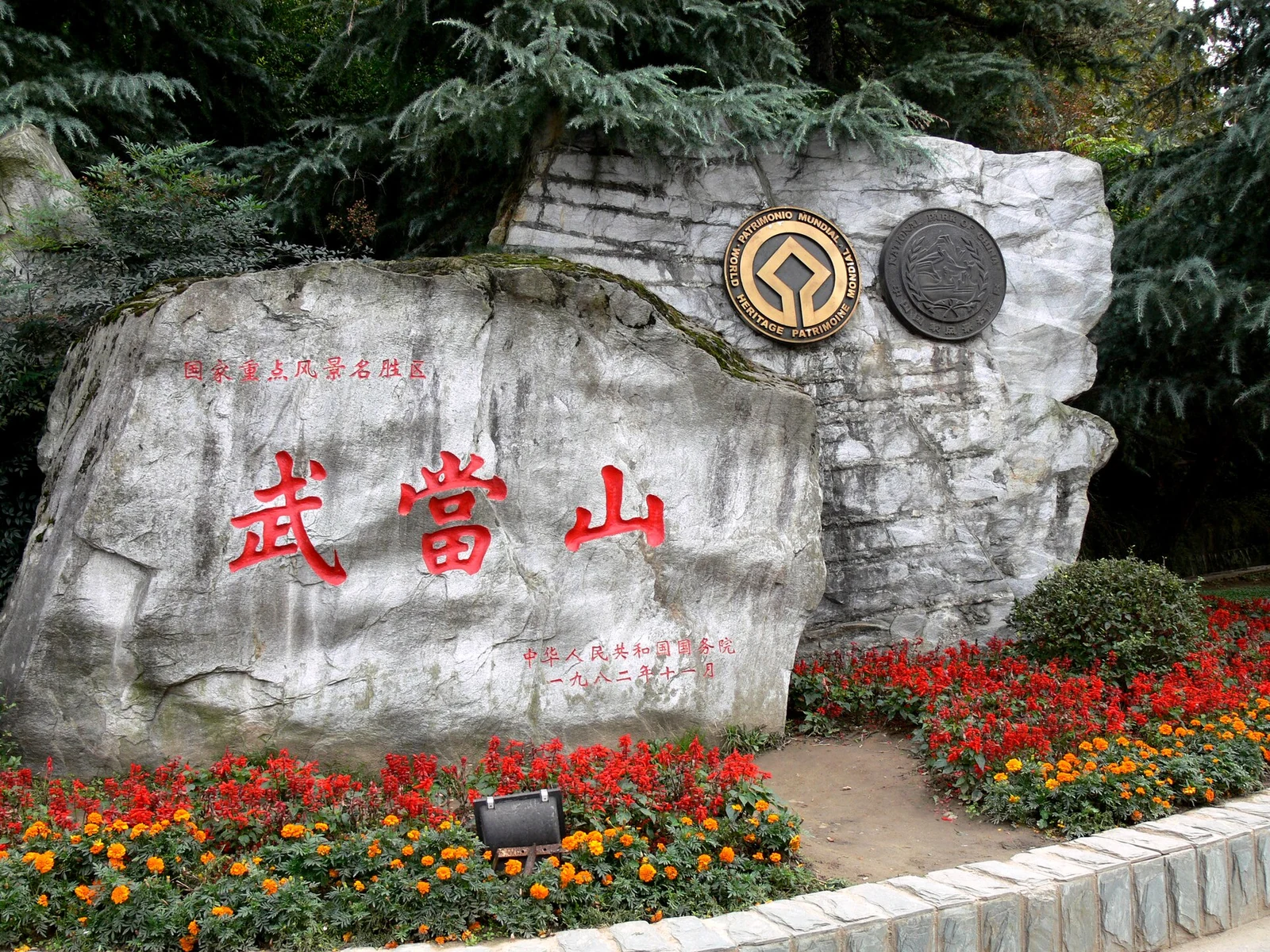
On Wudang Mountain, the Golden Hall and the sequence of Daoist buildings make mountain terrain part of an architectural world.
Wudang’s Daoist buildings occupy peaks, slopes and valleys in northwestern Hubei. Gates, courtyards, steps and distant roofs turn changes in height into changes of scale. The complex developed over many centuries and expanded particularly under Ming imperial patronage. It was inscribed on the World Heritage List in 1994 for its architectural and artistic significance.
Xuetangliangzi lies in Yunyang District, formerly Yunxian County, within Shiyan. The site is known for ancient human skull fossils found during successive investigations. Its river-terrace deposits preserve a setting much older than the historic cities and temples elsewhere in Hubei. The former county name explains why the finds are often called the Yunxian skulls.
On Wudang Mountain, the Golden Hall and the sequence of Daoist buildings make mountain terrain part of an architectural world.
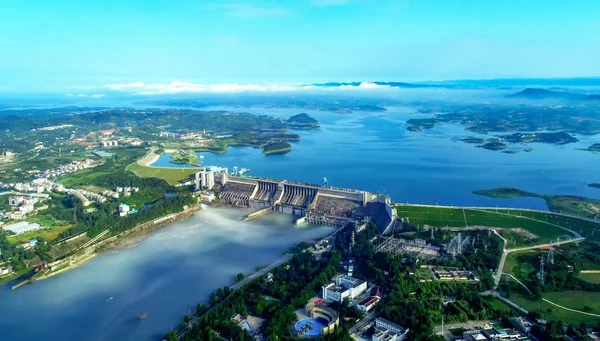
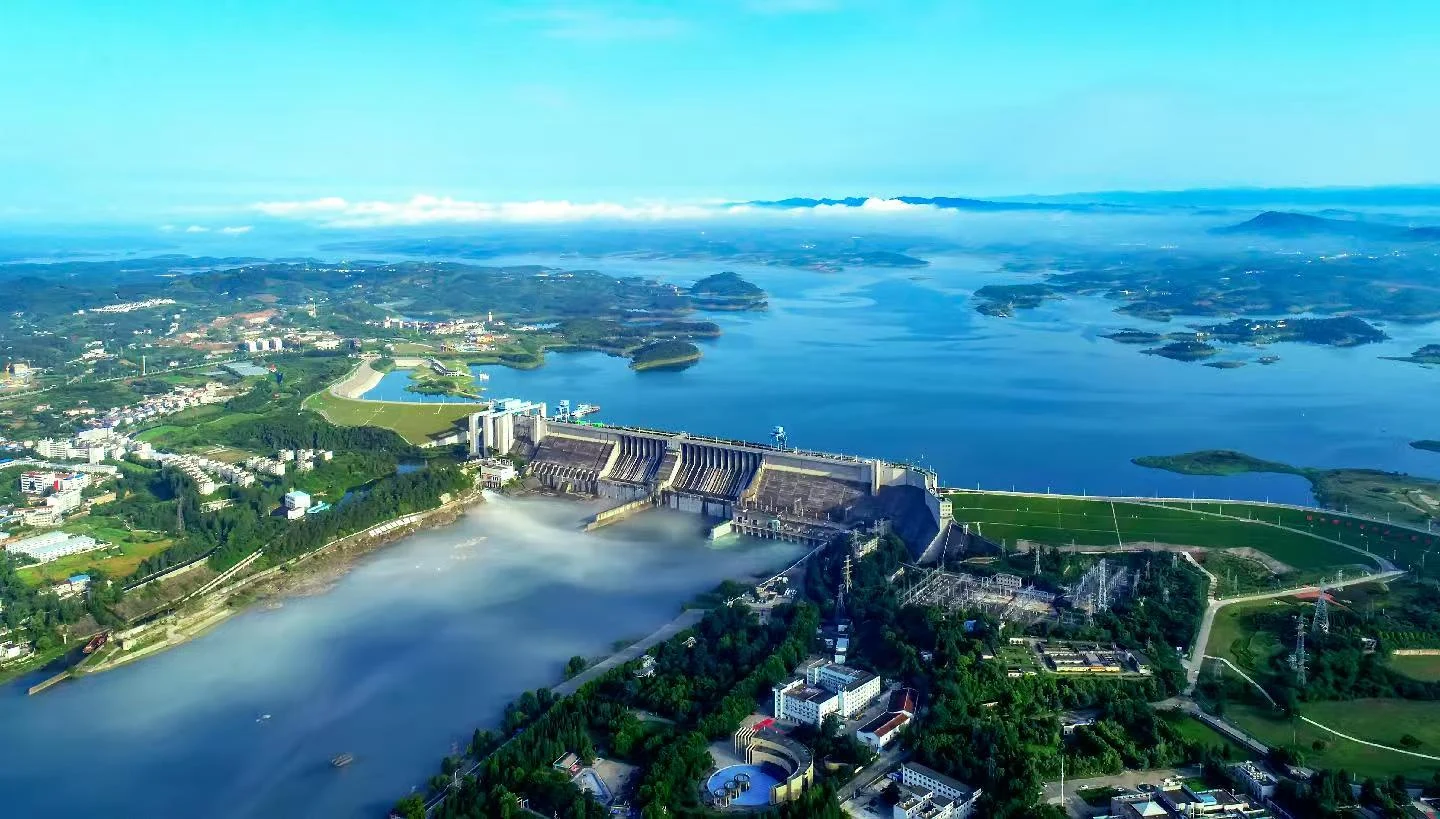
Danjiangkou Dam holds the reservoir supplying the South-to-North Water Diversion’s middle route, whose canal begins at Taocha in Henan.
Read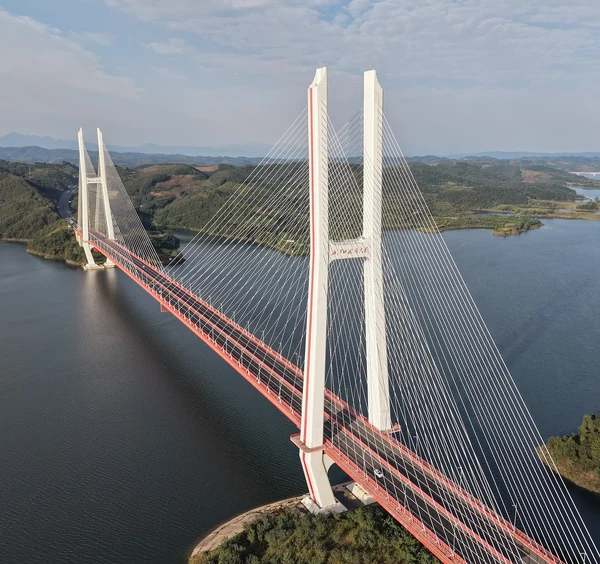
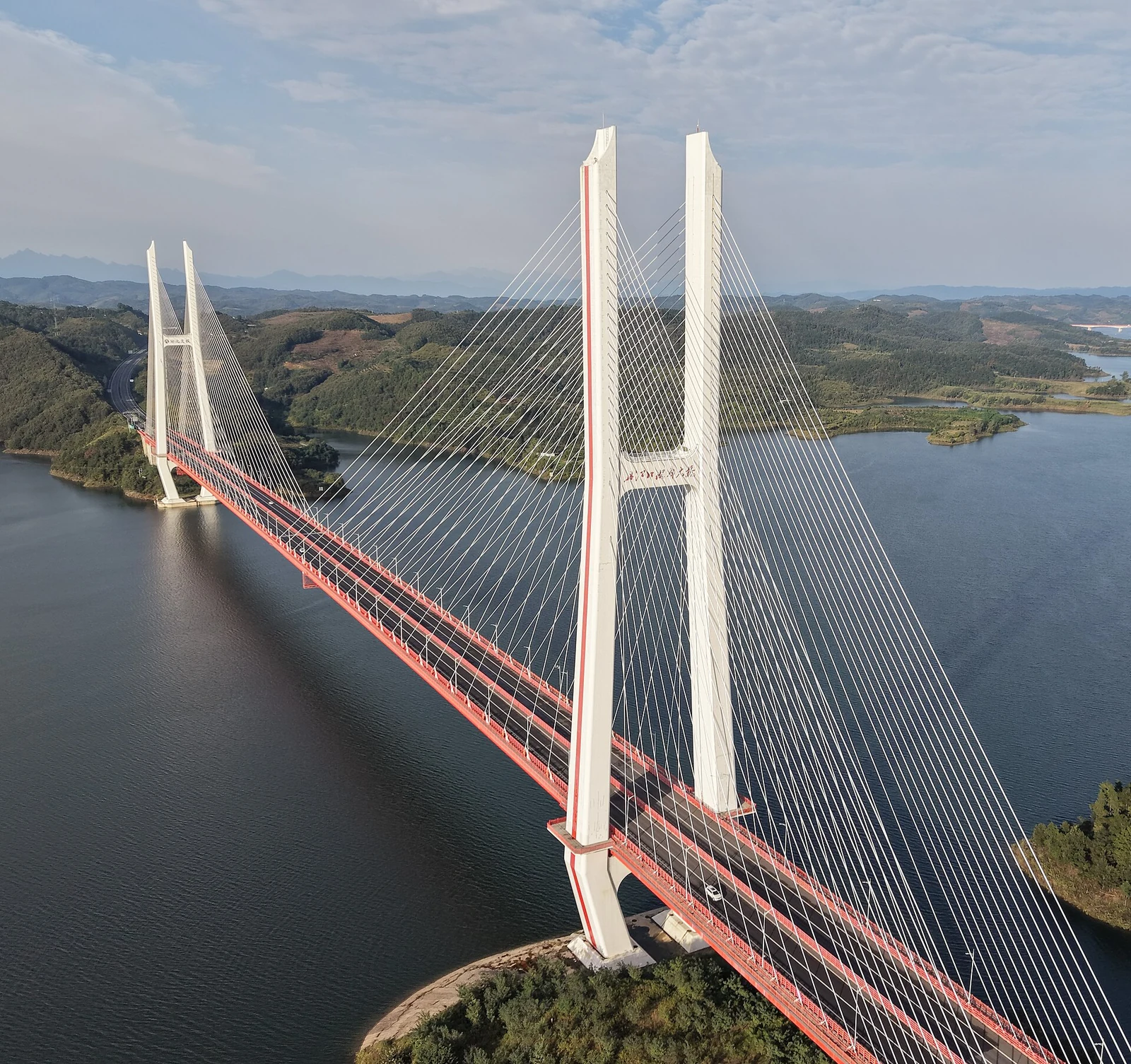
The Danjiangkou reservoir joins a water-supply landscape to the history of Junzhou, relocated communities and places remembered above a changed shoreline.
Read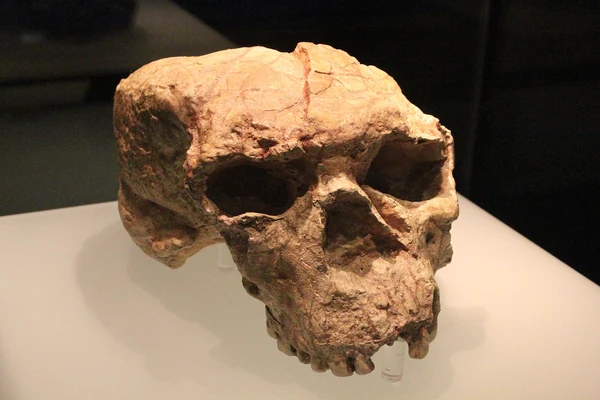
At Xuetangliangzi in Shiyan’s Yunyang District, ancient human skulls make a river terrace a place of continuing research into human evolution.
ReadA Daoist mountain landscape in northwestern Hubei, where palaces, cliffside shrines and the bronze Golden Hall follow the terrain.
The Han River dam holding the reservoir that supplies the middle route of the South-to-North Water Diversion.
The flooded Han River valley that holds the water of the Middle Route and the record of the population that was moved out of it.
The Xuetangliangzi fossil site in Shiyan’s Yunyang District, known for ancient human skulls and continuing research.