Xuetangliangzi lies in Yunyang District, formerly Yunxian County, within Shiyan. The site is known for ancient human skull fossils found during successive investigations. Its river-terrace deposits preserve a setting much older than the historic cities and temples elsewhere in Hubei. The former county name explains why the finds are often called the Yunxian skulls.
From the journal
The Skulls From Xuetangliangzi
At Xuetangliangzi in Shiyan’s Yunyang District, ancient human skulls make a river terrace a place of continuing research into human evolution.
In the same city · Shiyan ↗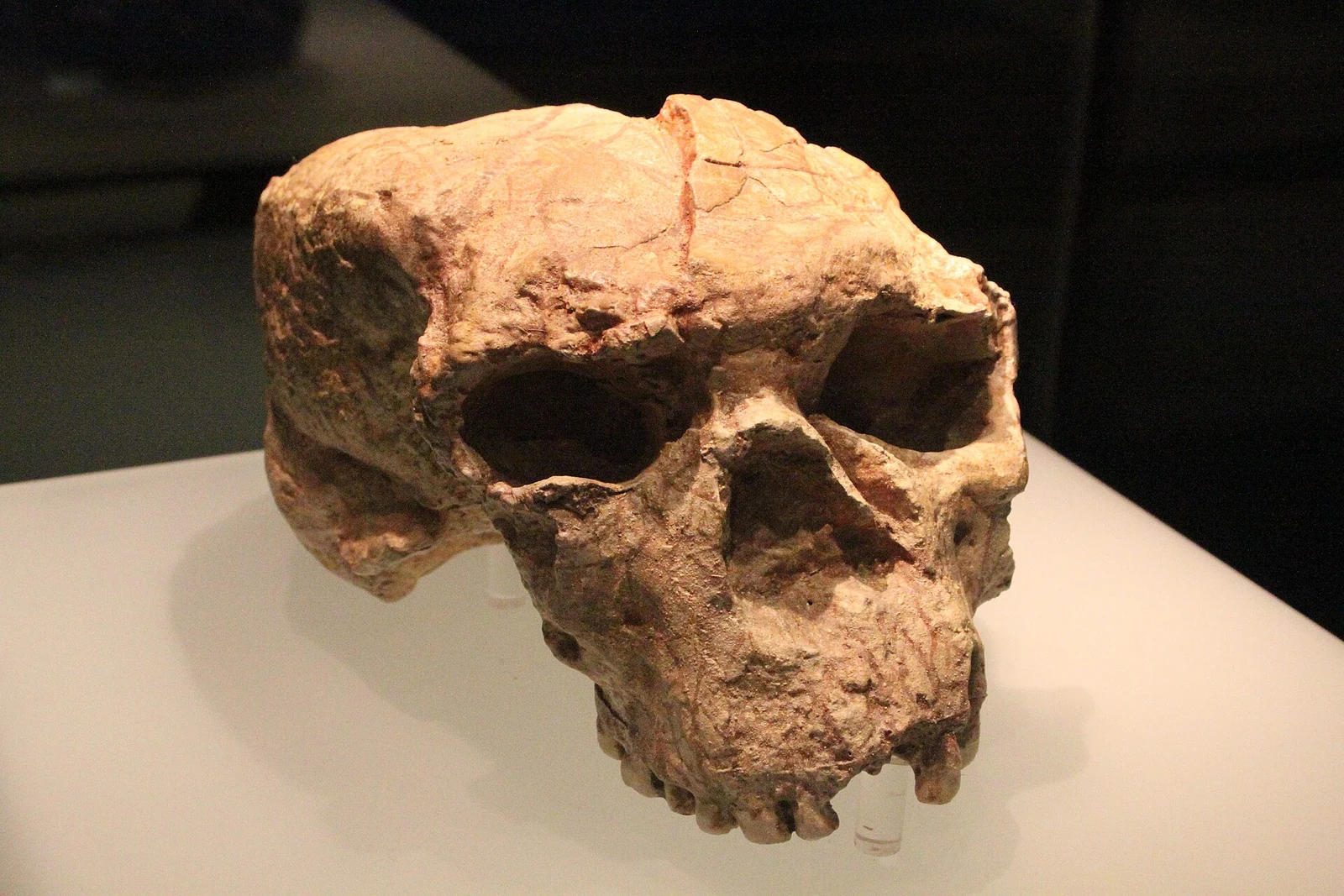
A river terrace with a deep past
A skull is not a finished portrait
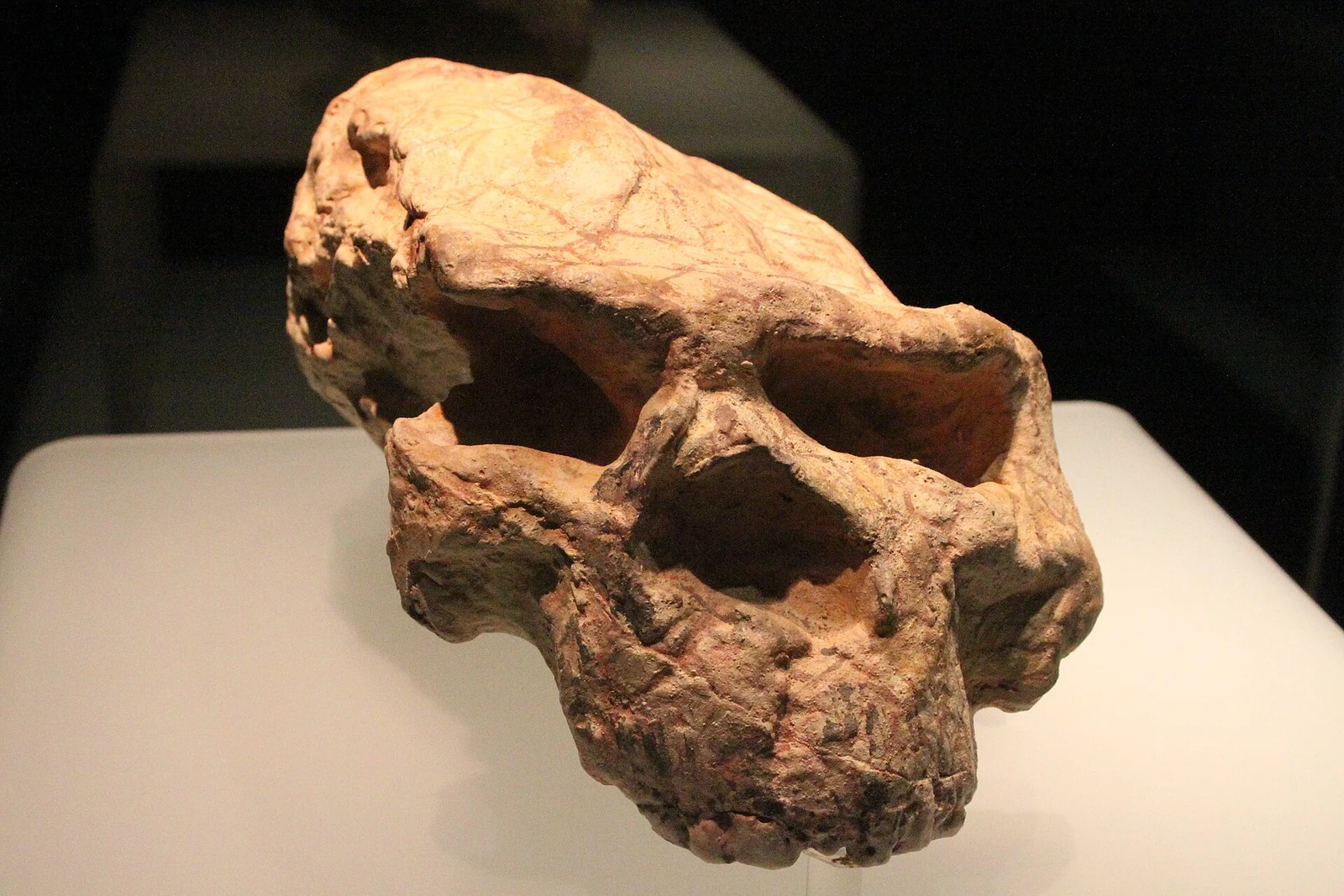
Fossils recovered from the ground can be compressed or distorted. Researchers must distinguish preserved anatomy from later damage before comparing a skull with other human fossils. Imaging, reconstruction and the wider archaeological context all contribute. The result is an investigation, not a simple picture of one individual whose place in the human family is already beyond question.
Dates and identities remain research questions
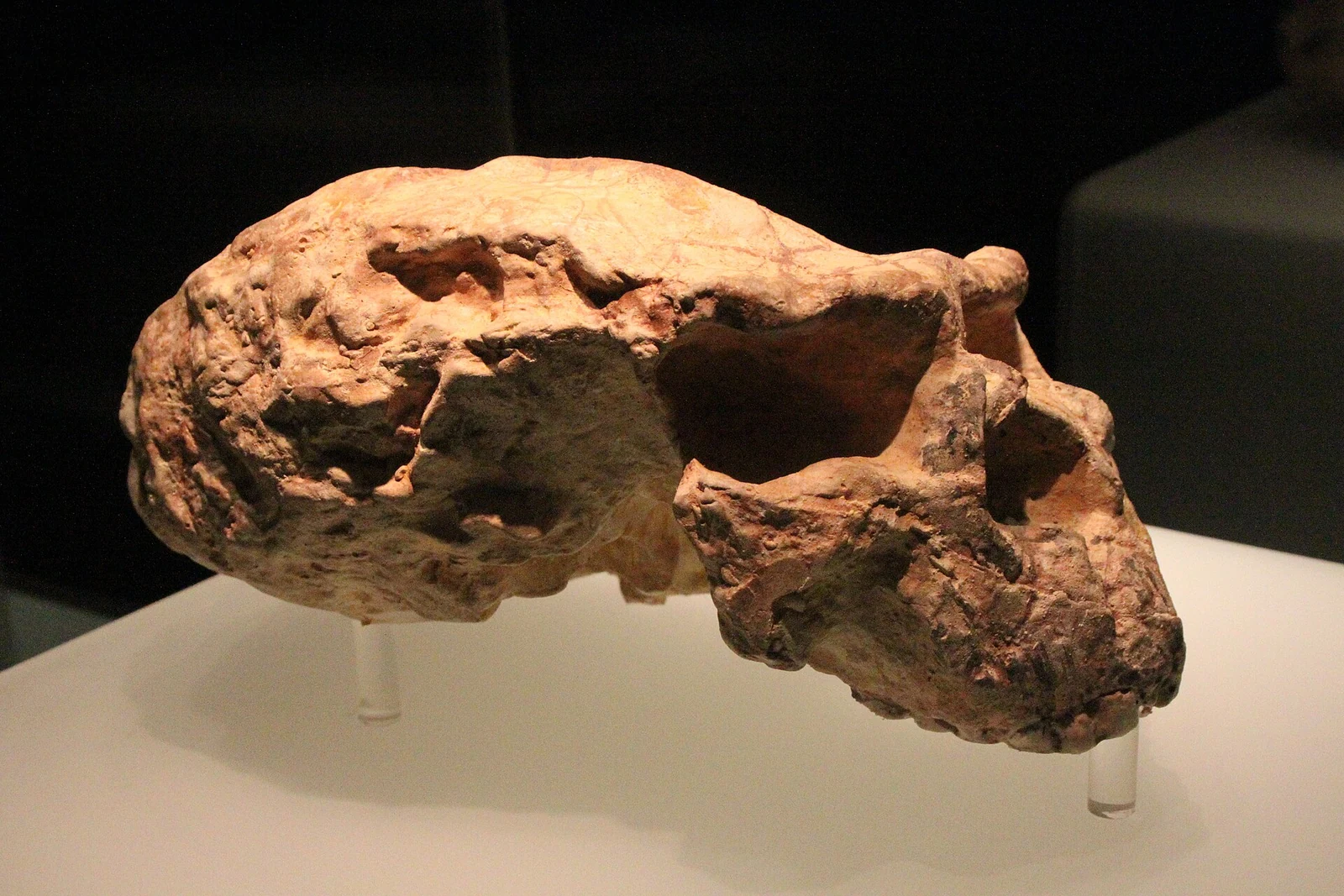
Dating a fossil-bearing layer helps place the discoveries within deep time, while comparing skull anatomy addresses relationships with other ancient humans. Both lines of work depend on the context preserved around a find. Successive discoveries at Xuetangliangzi have added material for those comparisons. The river terrace remains a place where new evidence can change a picture assembled from fragments of the human past.