The Earlier Wuchang at Ezhou
Ezhou’s connection with Sun Quan explains an older use of the name Wuchang, alongside a lake country remembered through its fish.
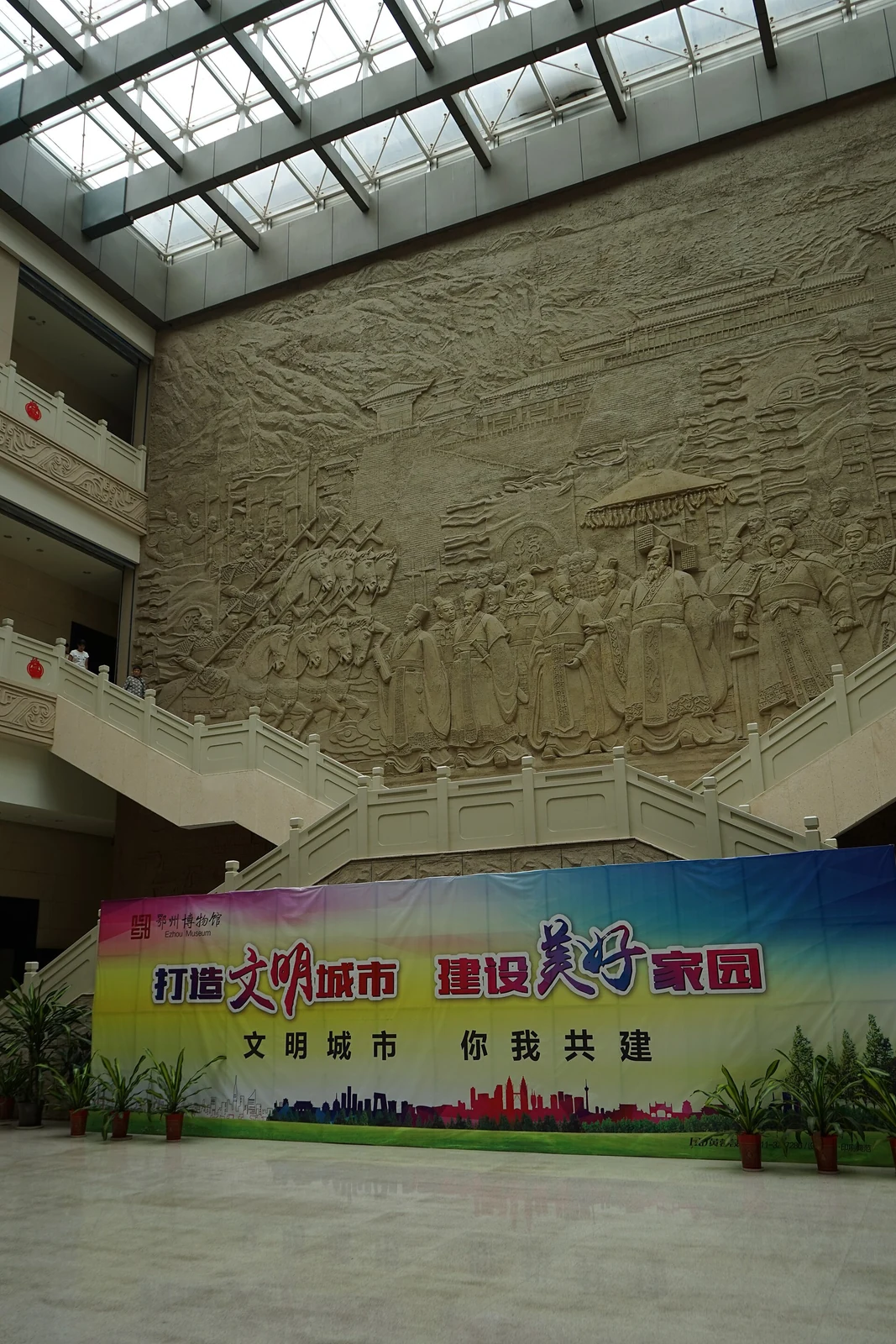
The name Ezhou dates to the Han dynasty and comes from the ancient vassal state of E. In the fourth month of 221 Sun Quan moved his court from Gong'an to E County, took the name Wuchang to mean prosperity through arms, and built his capital there, cutting a Wuchang commandery out of Jiangxia; in 280 the army of Wang Jun took the county, and E County was set up again from it. The name stayed in use until 1915, when travellers arriving at the larger Wuchang across the river were confused by it. Ezhou covers 1,594 square kilometres, of which 40,100 hectares are farmland, and holds 133 lakes with a water area of 43,000 hectares; Liangzi Lake is the second largest freshwater lake in Hubei and the original home of the true Wuchang bream.
Ezhou’s connection with Sun Quan explains an older use of the name Wuchang, alongside a lake country remembered through its fish.