In 221 Sun Quan moved his seat to E County and renamed it Wuchang. The place is in today’s Ezhou, east of Wuhan. The name Wuchang later became familiar through the town that now forms one of Wuhan’s Three Towns. Following the older use leads back to a different river city, where the court and its fortifications formed part of Sun Quan’s growing power in the south.
From the journal
The Earlier Wuchang at Ezhou
Ezhou’s connection with Sun Quan explains an older use of the name Wuchang, alongside a lake country remembered through its fish.
In the same city · Ezhou ↗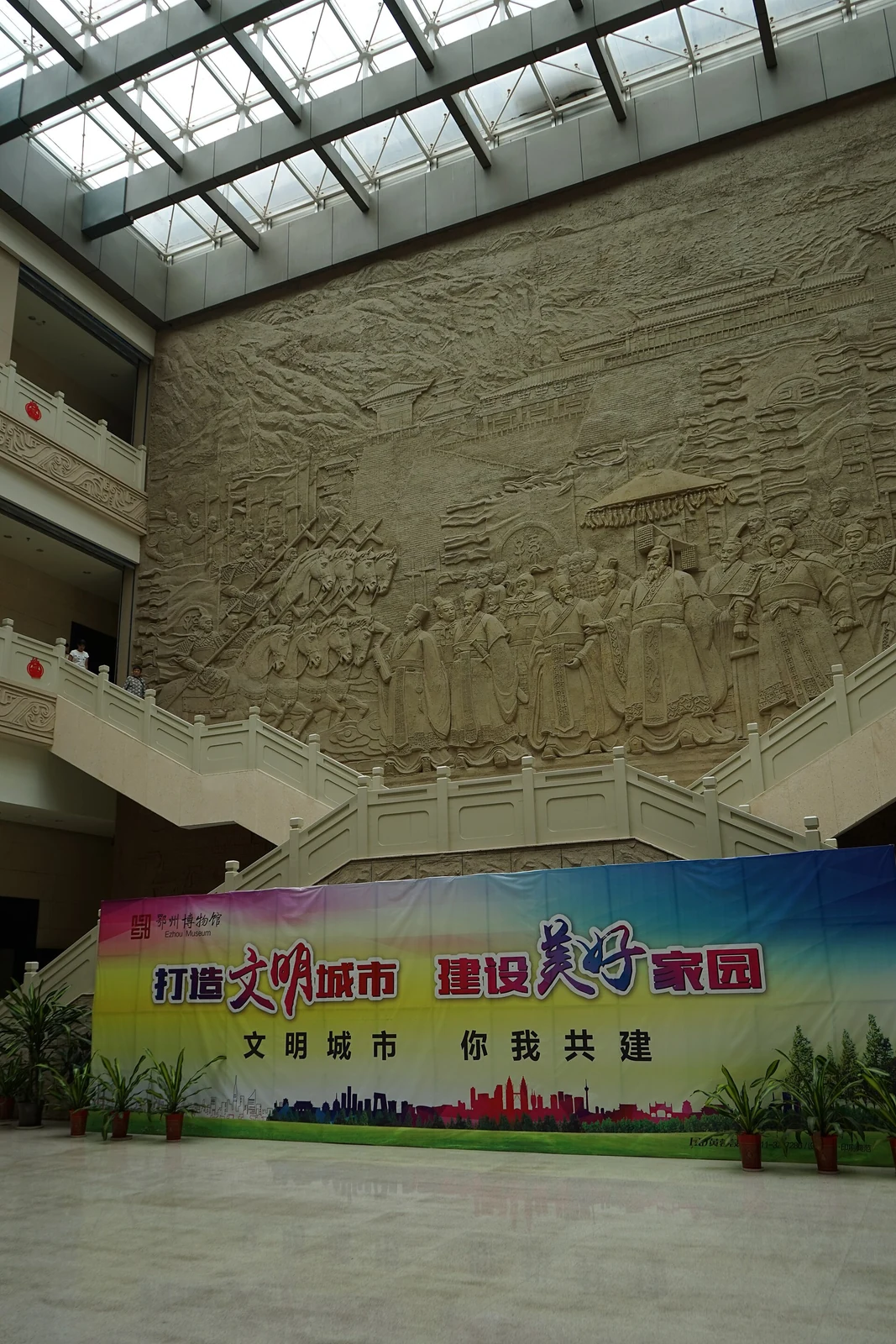
Sun Quan’s river city
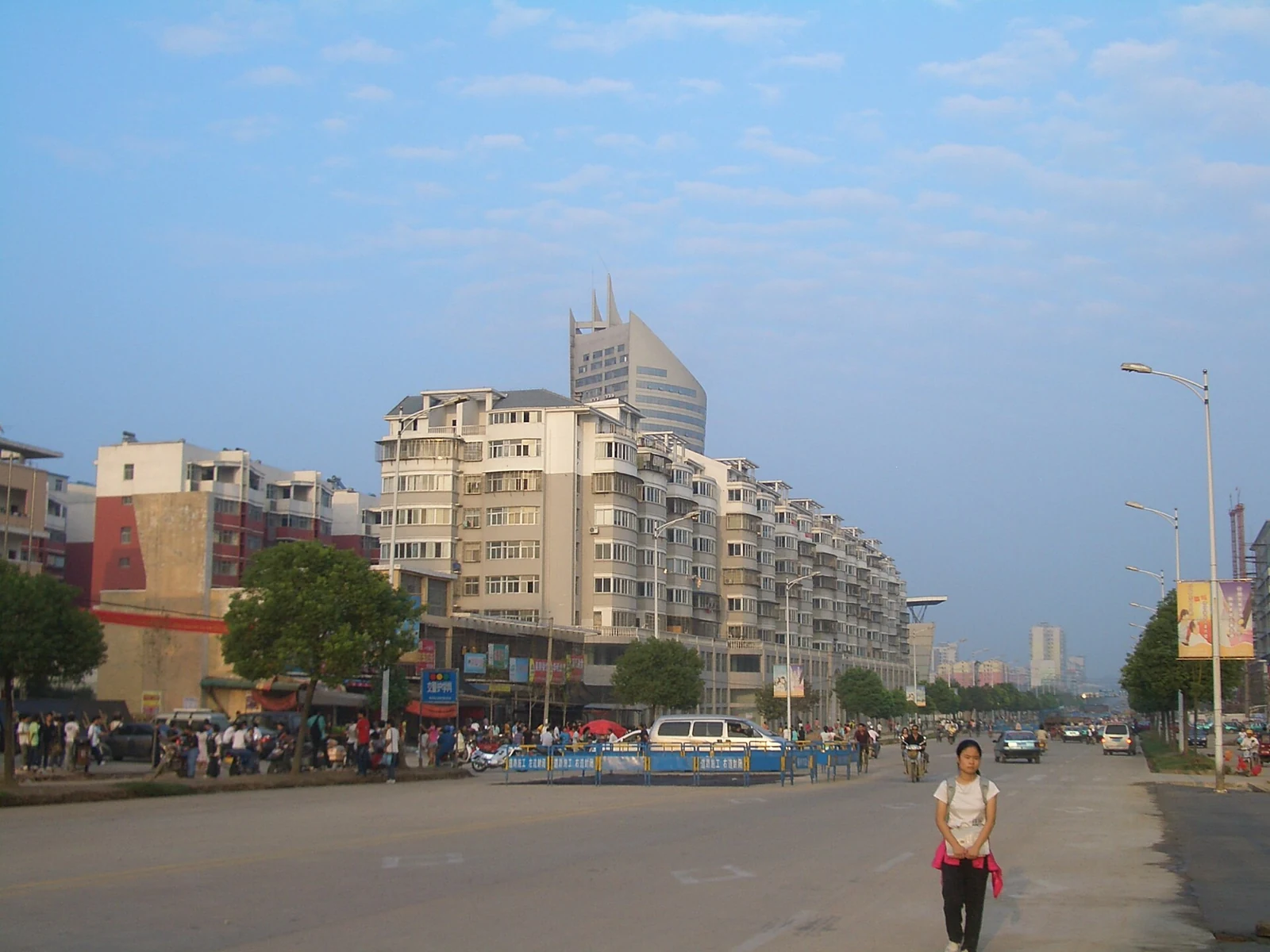
A capital remembered later
Sun Quan’s association with the city is remembered through sites and names connected with Eastern Wu. The surviving landscape is layered with later changes; it is not an intact capital of 221. Reading an old place name beside a present city makes clear how a political centre can move while its memory remains. The Yangtze supplied the broader setting for both the earlier fighting and the later court.
The fish keeps a place name
Wuchang bream gives the old name another life at the table. Ezhou’s lakes and fisheries form a different part of its identity from the court and military past. Fish, water and a name used over many centuries can carry a local story without turning every port or modern industrial project into a remnant of the Three Kingdoms.