A Wall Across the Yangtze
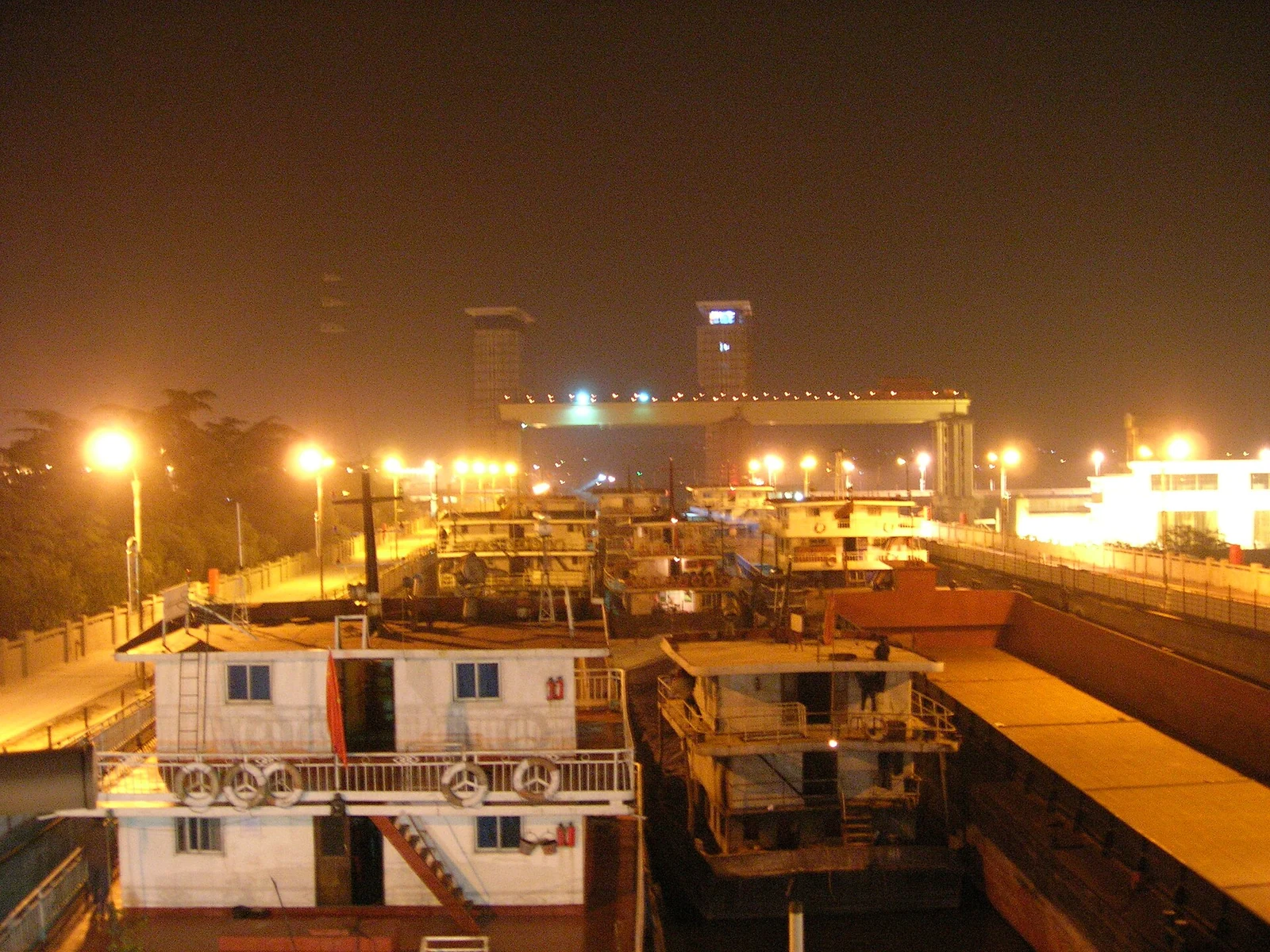
At Sandouping, the Three Gorges Dam connects power generation and navigation with a reservoir that changed the river and its settlements.
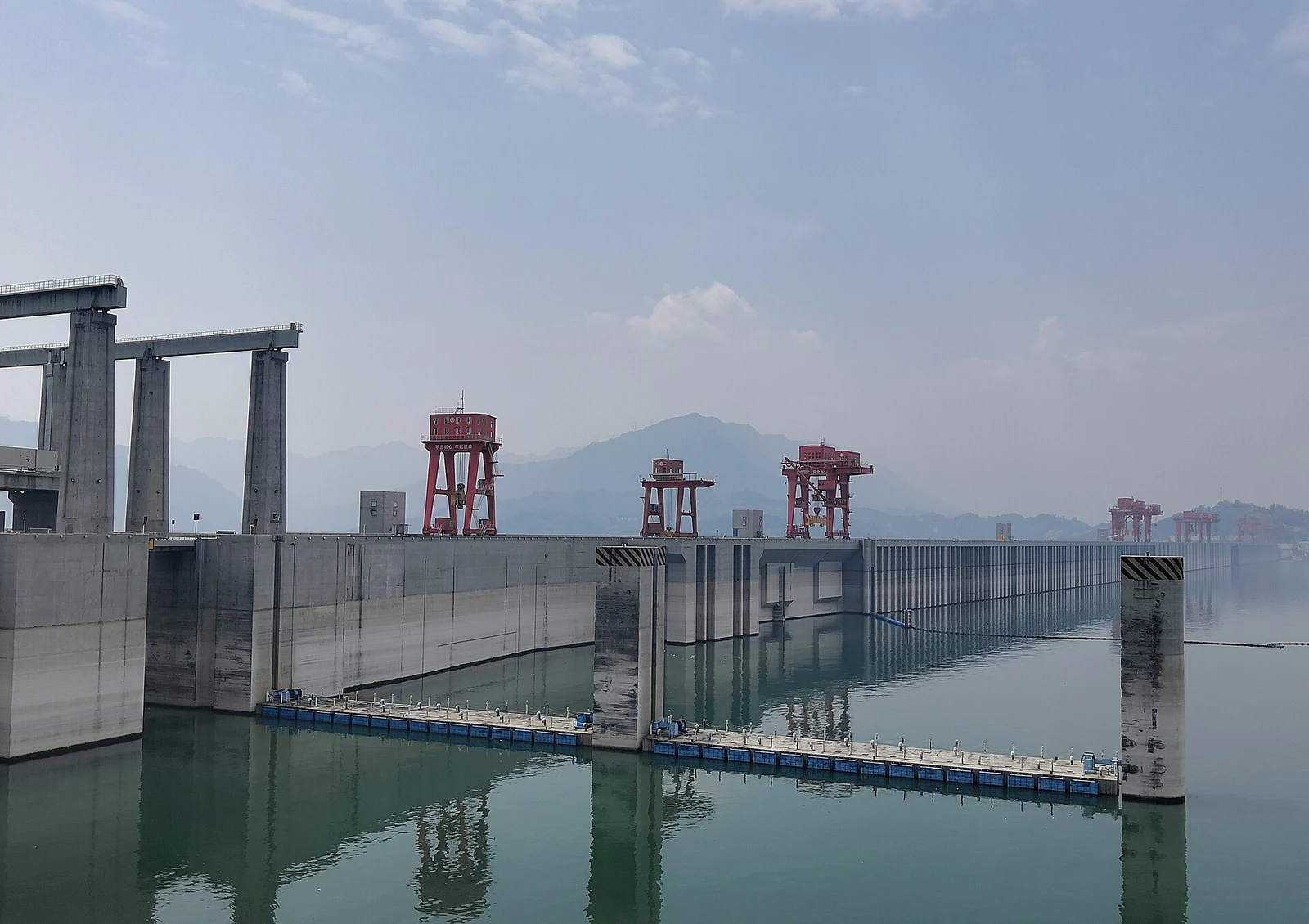
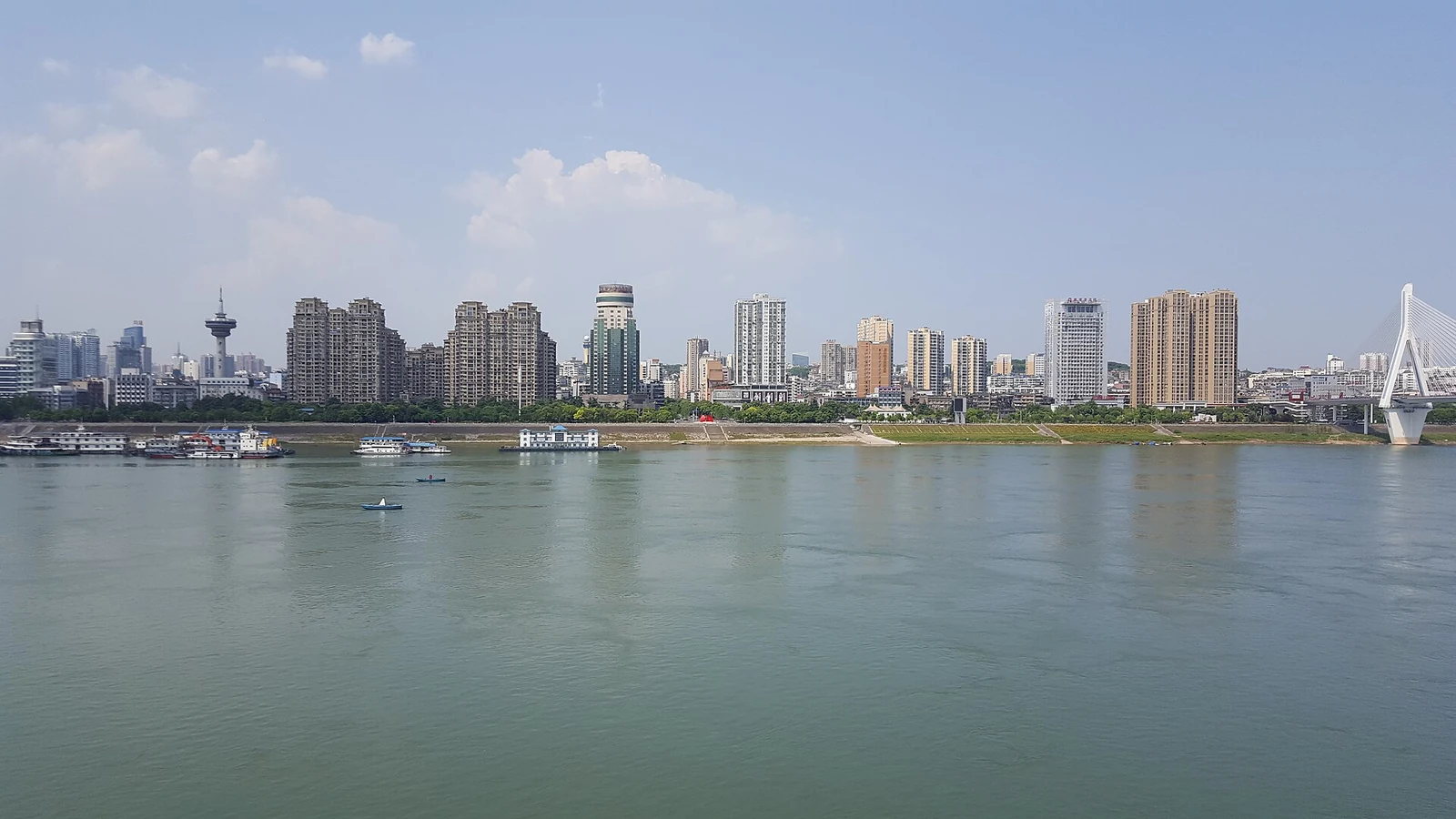
The Three Gorges Dam crosses the Yangtze at Sandouping in Yichang, within the Xiling Gorge reach. Its site divides upstream reservoir water from the river below. The dam is not the end of every gorge landscape: cliffs and settlements occur both upstream and downstream. Looking at that setting is the first step towards understanding what the structure controls.
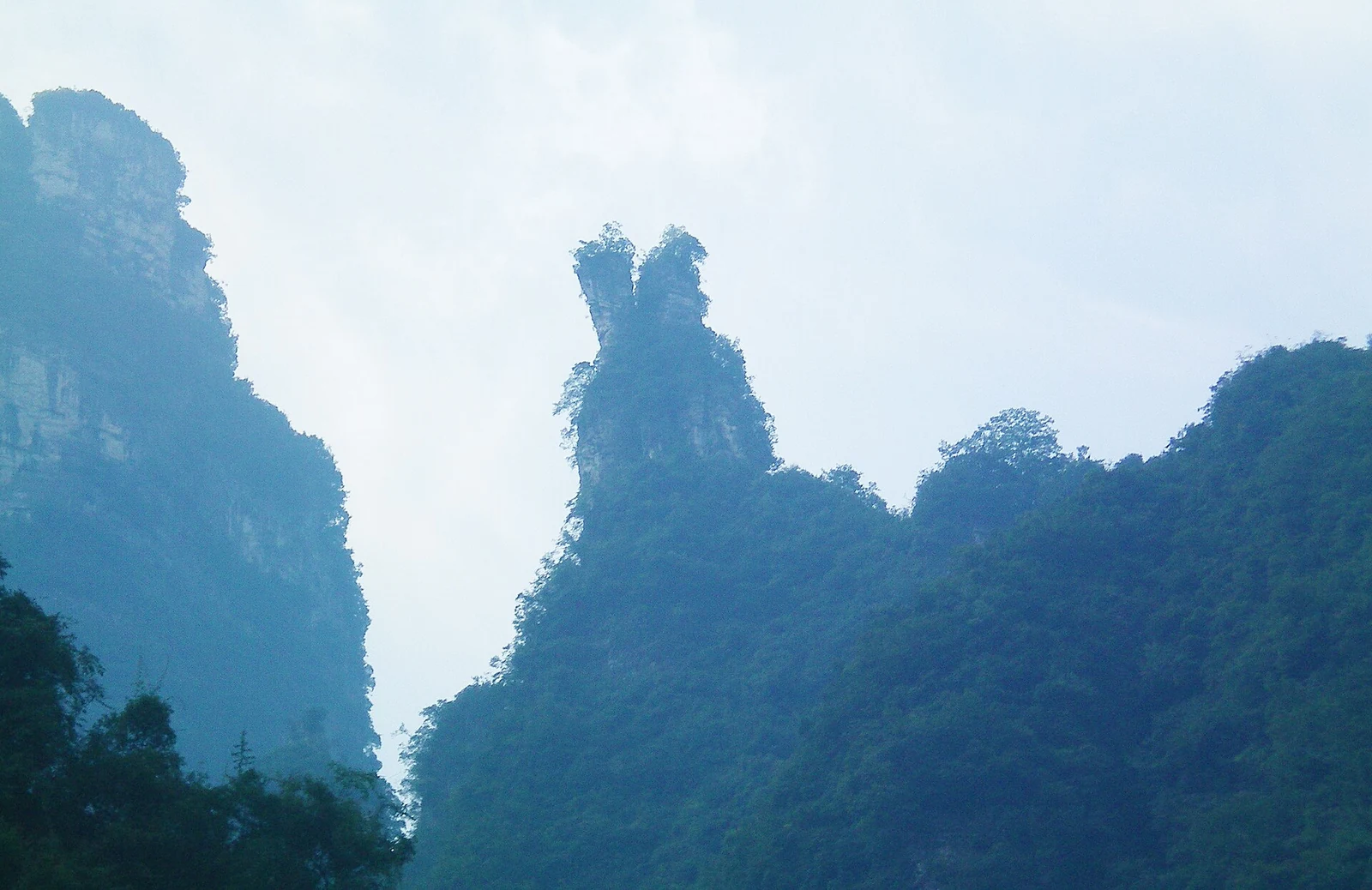
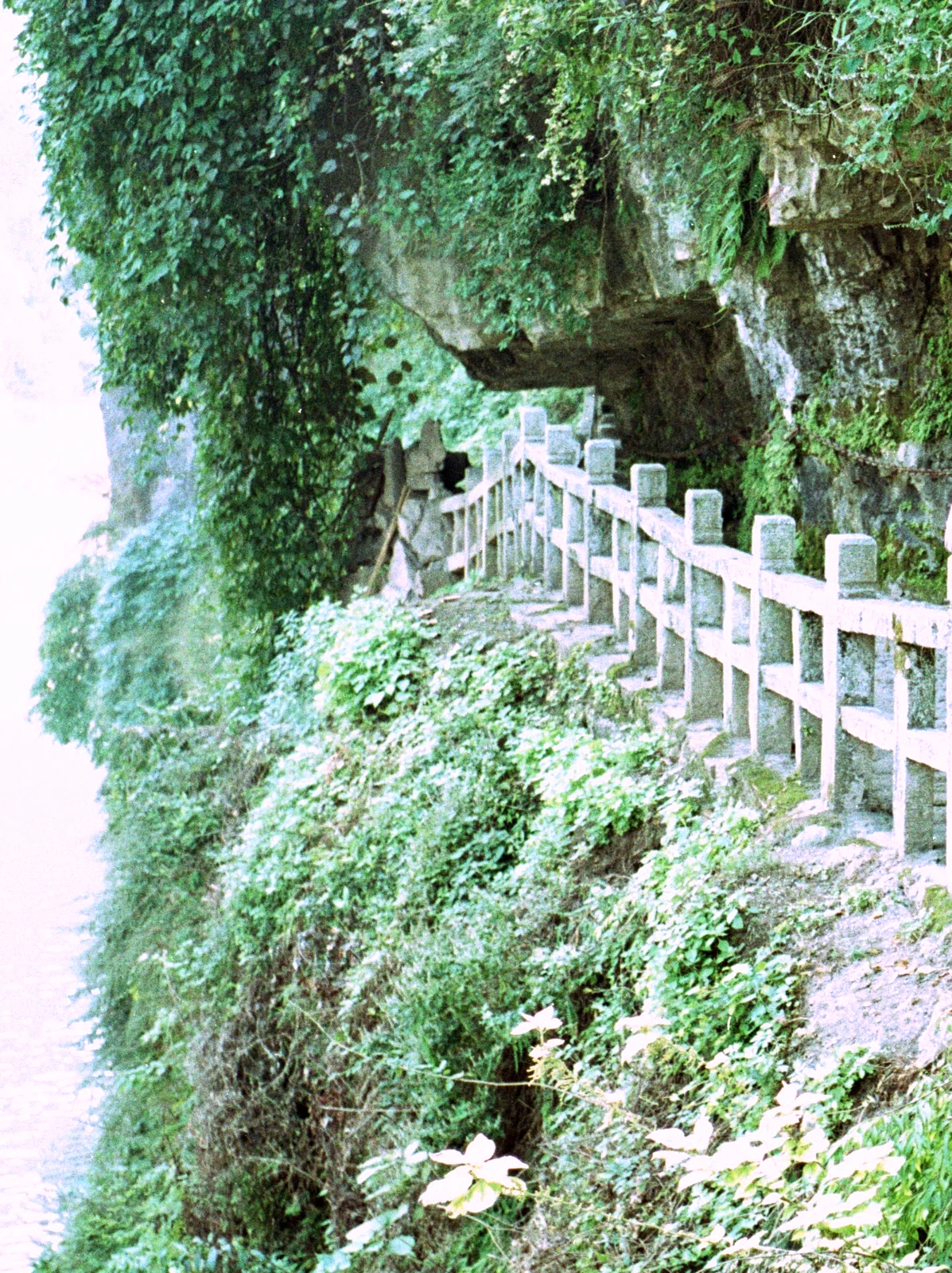
Sanyu Cave lies near the eastern mouth of Xiling Gorge, in the cliffs northwest of Yichang. Its limestone chamber opens onto a landscape of steep rock and water. Paths, inscriptions and memorial features turn the approach into a meeting of natural form and human marks. The cave’s age as a rock formation and the dates of its inscriptions are different histories.
At Sandouping, the Three Gorges Dam connects power generation and navigation with a reservoir that changed the river and its settlements.
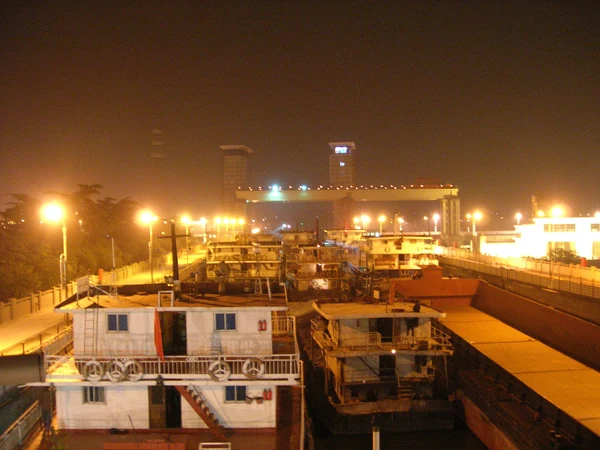
Gezhouba, below Xiling Gorge at Yichang, introduced a large dam and ship locks to the Yangtze before the Three Gorges project upstream.
Read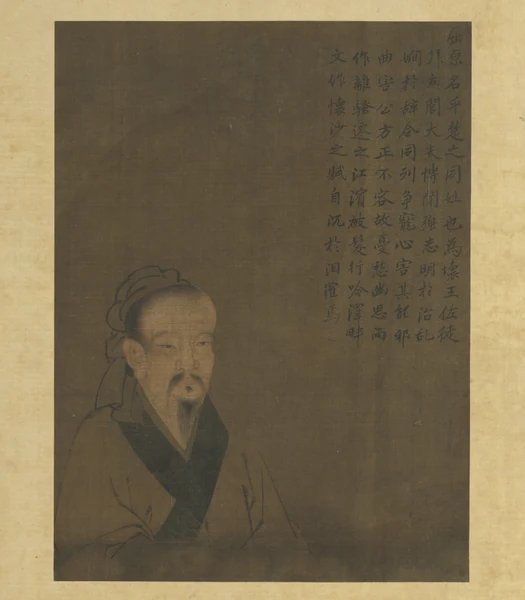
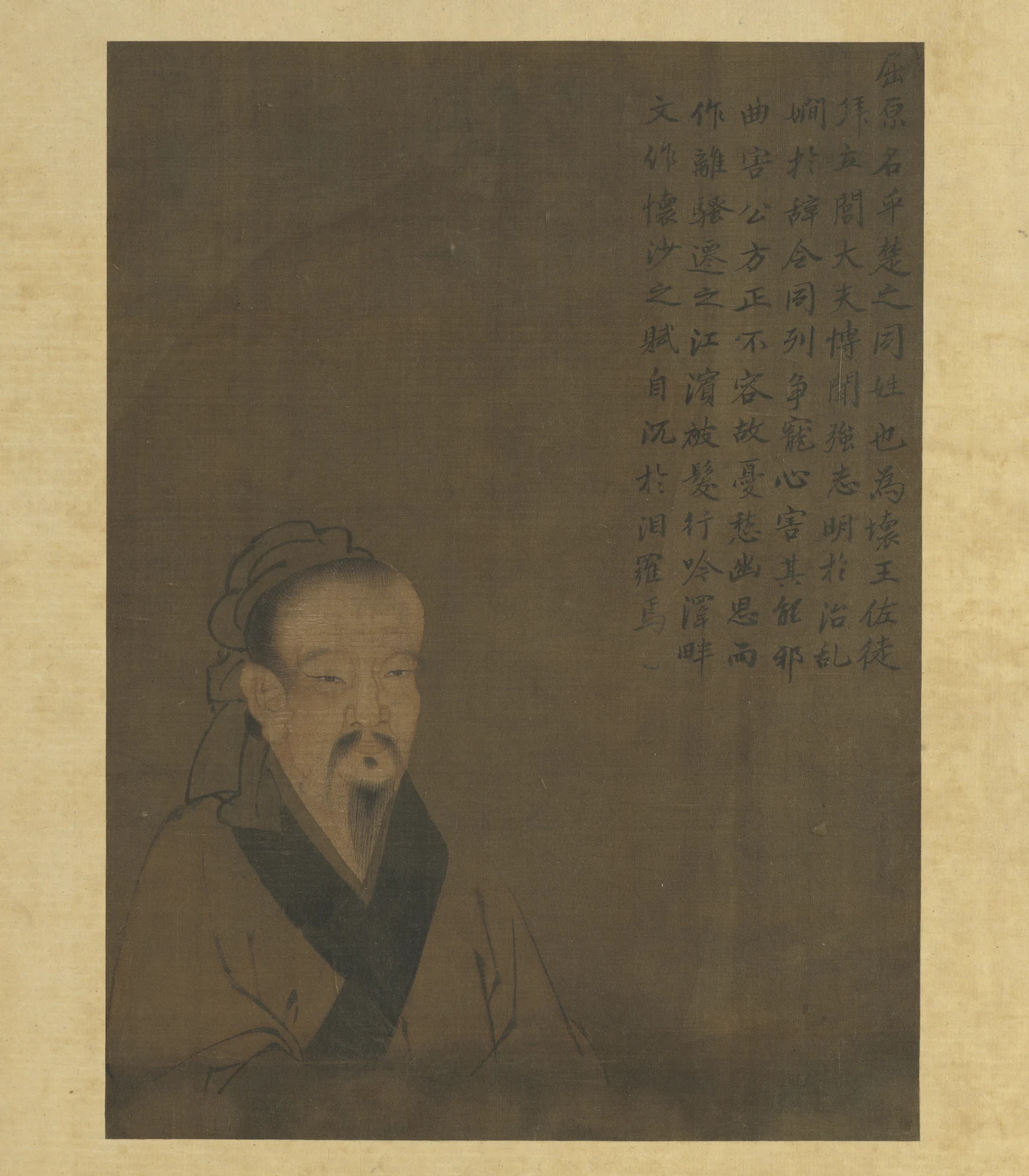
Qu Yuan’s poetry and the traditions of the Dragon Boat Festival connect Chu’s literary past with boats, rice dumplings and local remembrance.
Read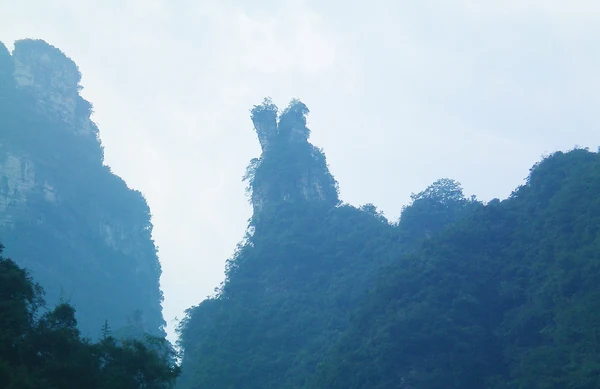
In Zigui, the relocation of the county seat and Qu Yuan memorials places a literary hometown within the changing Three Gorges landscape.
Read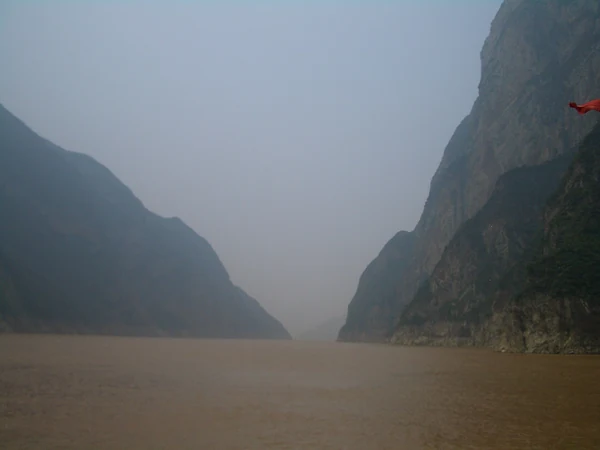
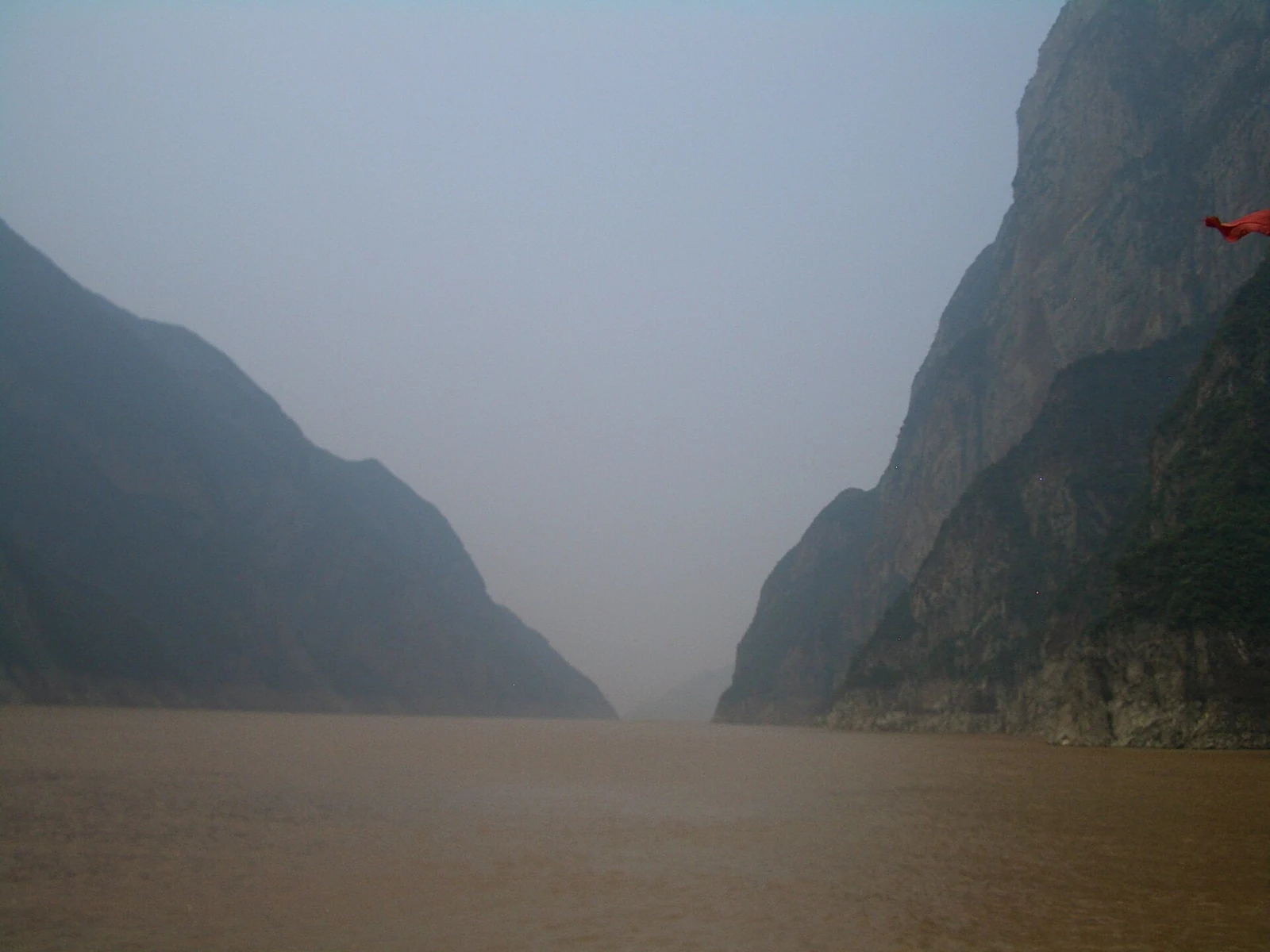
The easternmost of the Three Gorges extends through Yichang’s river country, with different water landscapes above and below the Sandouping dam.
Read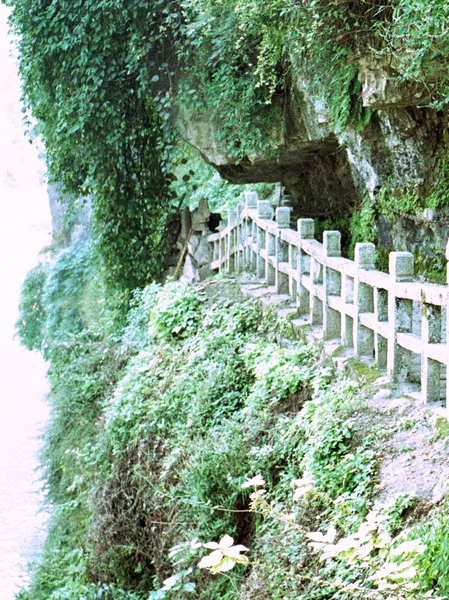
At Sanyu Cave near Yichang, a Tang outing and the later memory of the Su family turn a cliffside chamber into a literary place.
ReadA concrete gravity wall across the Yangtze at Sandouping that raised a reservoir over 600 kilometres long and gave China the largest power station in the world.
An early large dam on the Yangtze main stem, downstream of Xiling Gorge’s eastern exit near Yichang.
A mountainous county on the south bank above the dam that claims the poet Qu Yuan as its own and has kept his name through two changes of county seat.
The poet associated with Chu whose writings and remembered death form an important strand of Dragon Boat Festival tradition.
The easternmost of the Yangtze’s Three Gorges, with different river landscapes upstream and downstream of the Sandouping dam.
A cliffside cave near the eastern mouth of Xiling Gorge, remembered through Tang writers and later inscriptions.