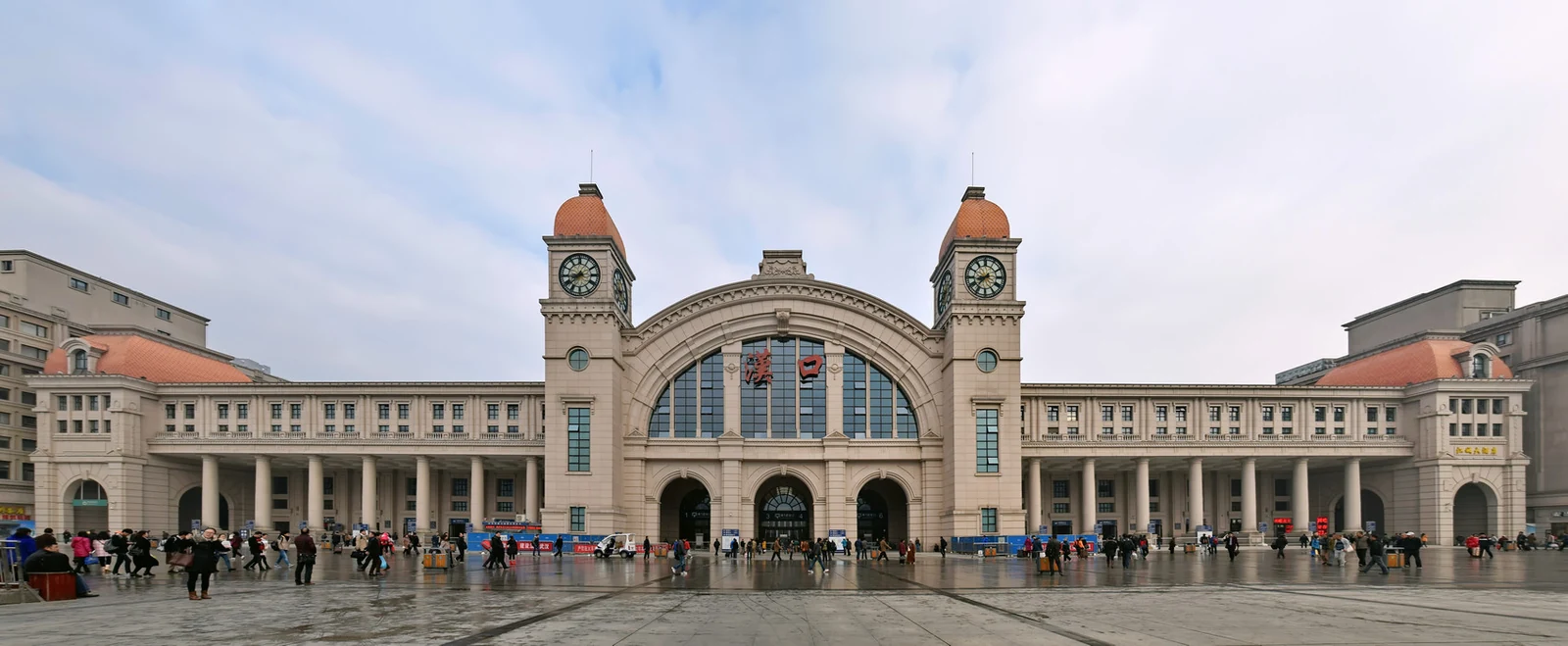
The Clock Above a River Port
At Hankou, the Han–Yangtze confluence, former concessions and the 1924 Jianghan Customs House reveal a port city’s changing streets.
Hankou grew where the Han runs into the Yangtze, and its name means the mouth of the Han. It was the main port of Hubei and the largest port in the middle reaches of the Yangtze, and by the Jiaqing era it was one of the four great market towns, with an English-language newspaper of its own, The Hankow Daily News, and consulates of more than ten countries. Five powers took ground on the riverbank, and the British, Russian, French, German and Japanese concessions were opened between 1862 and 1898, most of them wound up by 1929. At the river end of Jianghan Road stands the customs house, a Renaissance building of 1924 whose clock tower still marks the hours of the port. Zhang Zhidong separated Hankou from Hanyang in 1899 and divided it into four districts, whose names still run through the street signs of Wuhan. The name survives as a district in common use rather than an administrative one, and it travelled with the merchants: there is still a Hankou Road in Hong Kong's Tsim Sha Tsui, in Shanghai, in Qingdao and in Taipei.
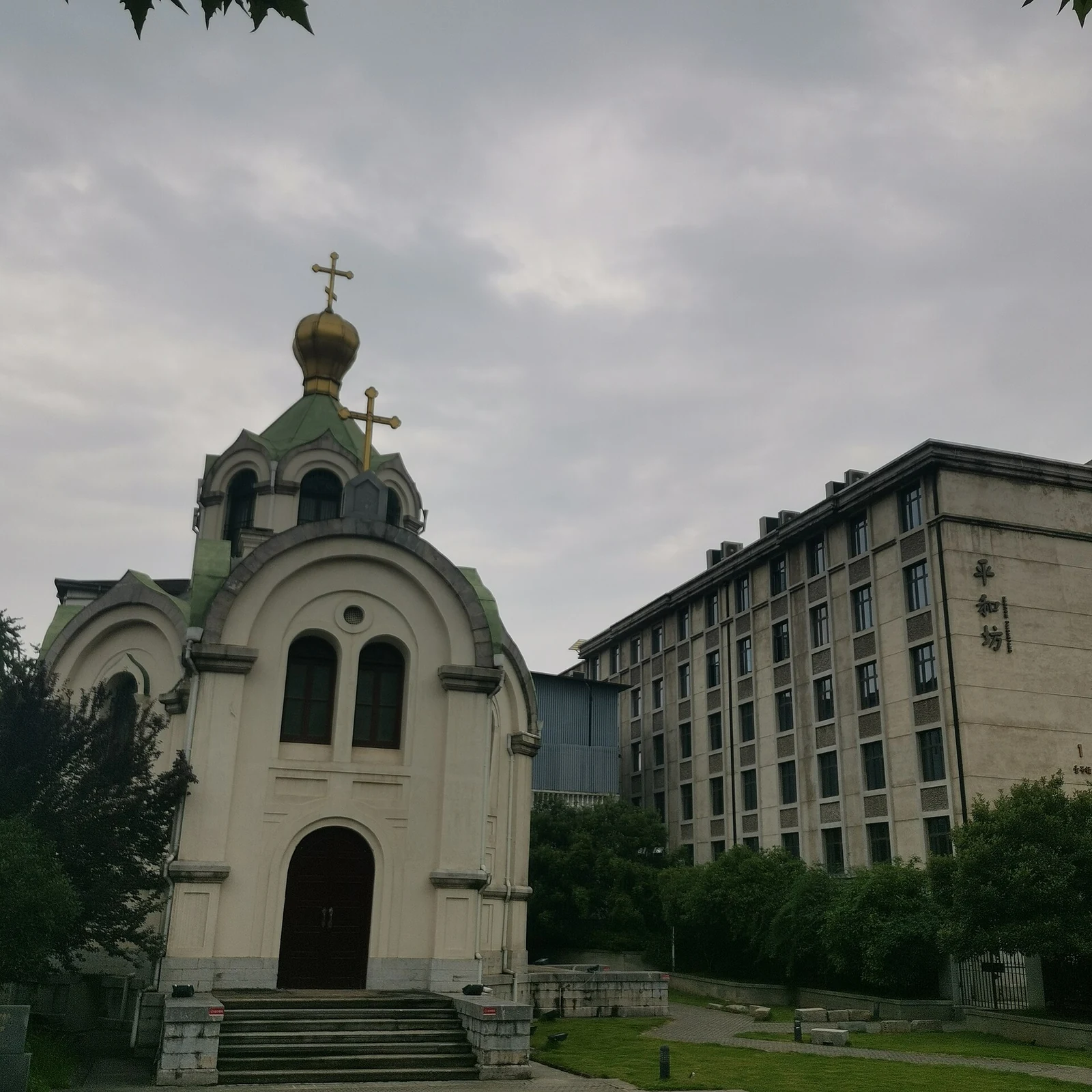
At Hankou, the Han–Yangtze confluence, former concessions and the 1924 Jianghan Customs House reveal a port city’s changing streets.