The Settlements Beneath the Reservoir
The Danjiangkou reservoir joins a water-supply landscape to the history of Junzhou, relocated communities and places remembered above a changed shoreline.
The Danjiangkou Reservoir is the body of water held behind a concrete dam on the Han River, and it is the source for the Middle Route of the South-to-North Water Transfer. It was made in 1958, and at the time it was the largest reservoir in China and the third largest in Asia. Raising the dam behind it took the water level from 157 metres to 170 metres and spread the surface from over 700 to 1,000 square kilometres, with the capacity growing from 17.45 to 29.05 billion cubic metres. Under it lie the ruins of the ancient city of Junzhou, more than ten thousand tombs, and the villages of a valley whose residents were moved out: 380,000 for the first phase of the project, and about 330,000 more when the dam was raised.
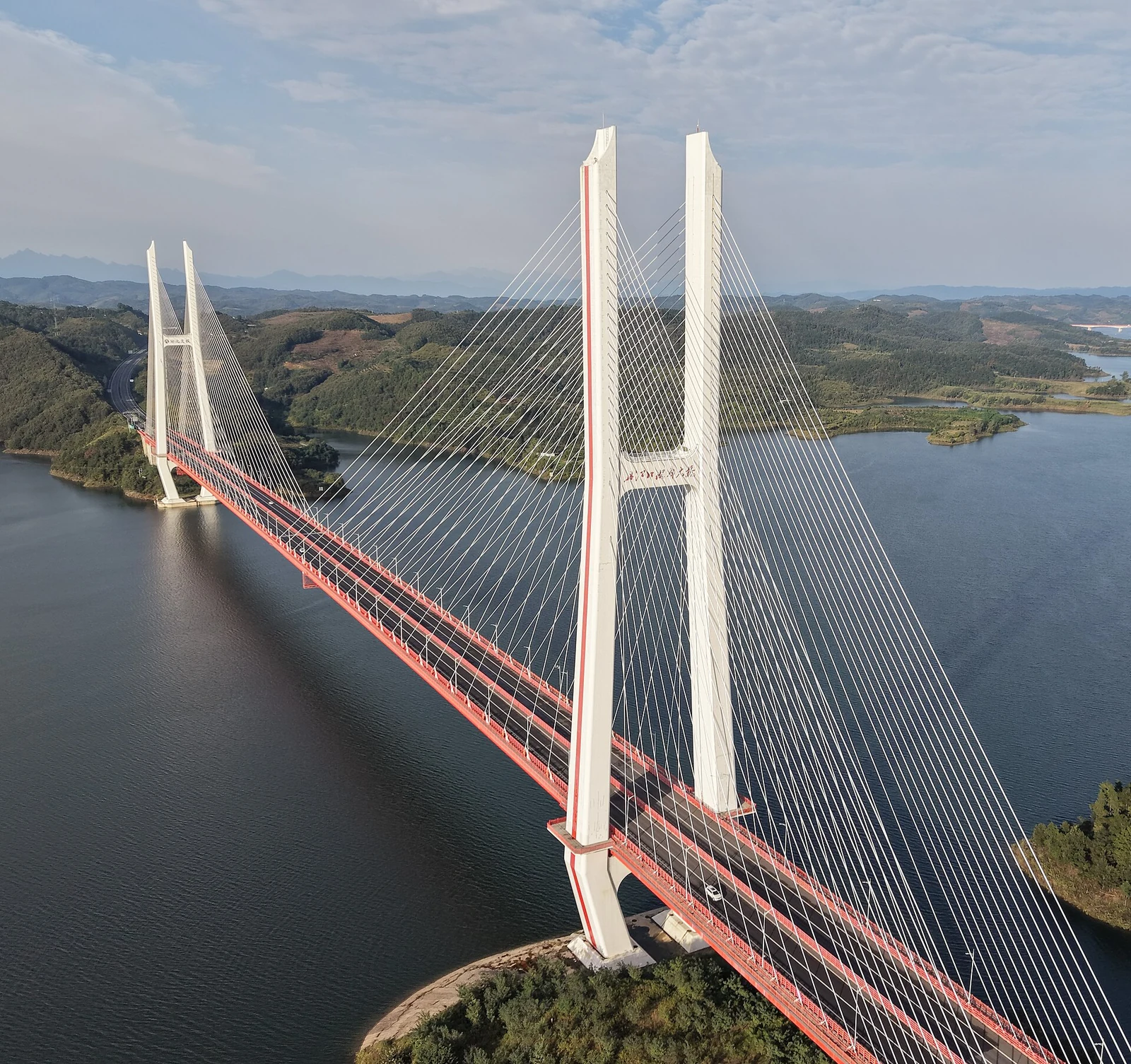
The Danjiangkou reservoir joins a water-supply landscape to the history of Junzhou, relocated communities and places remembered above a changed shoreline.