The Field and the Crayfish Pond
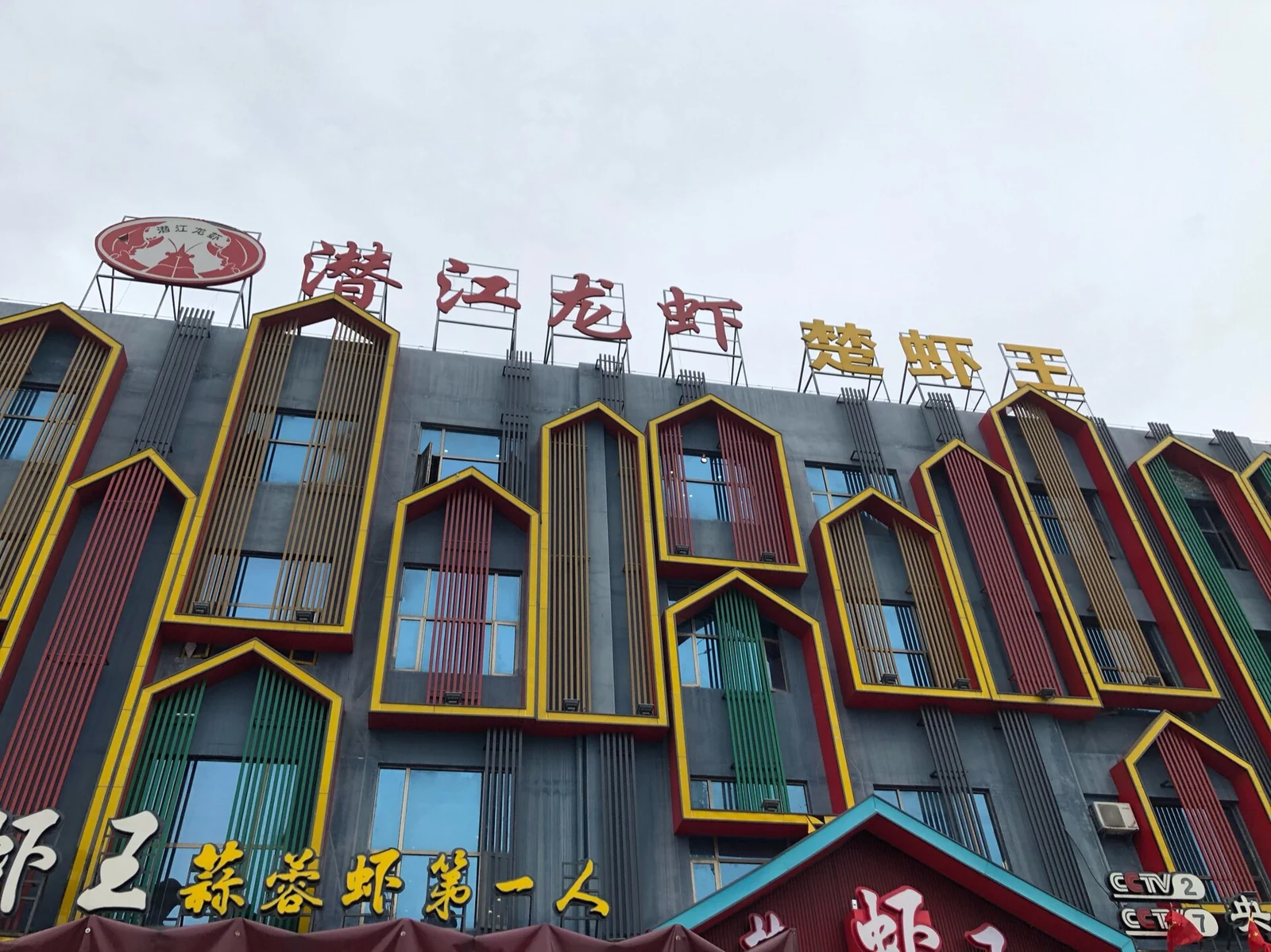
In Qianjiang, crayfish farming and rice–aquaculture systems connect the waterlogged plain with a distinctive modern food economy.
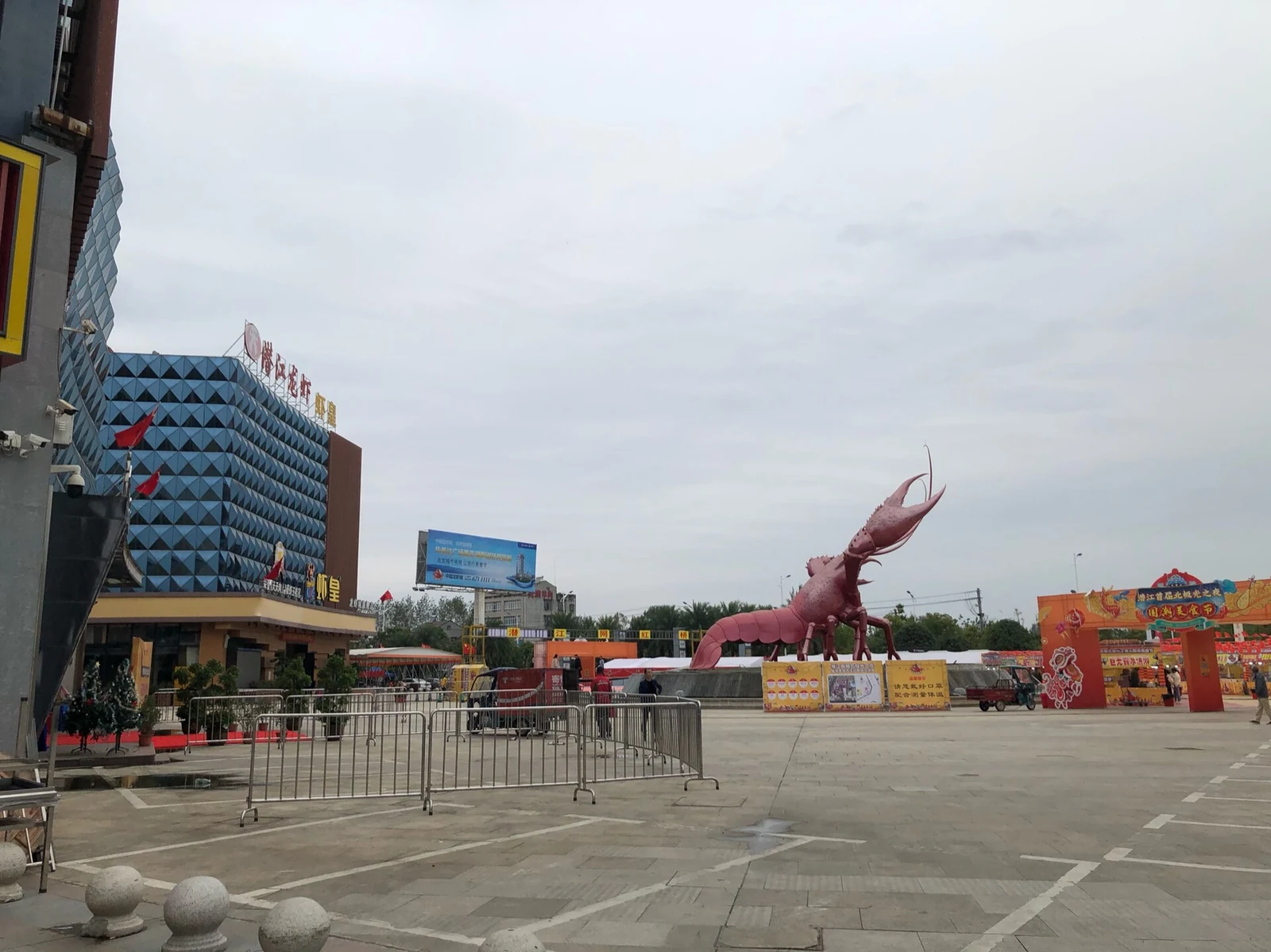
Qianjiang covers 2,004 square kilometres of the Jianghan Plain, and the ground is flat, rising only from 26 to 31 metres, with an average elevation of 38 metres and a high point of 39.78 metres. The county was first set up in 965 and took its name from a channel that splits the Han River toward the Yangtze, the Han emerges as Qian. On the west side runs the first artificial canal in China, joining the two rivers, and the territory holds a group of 16 state farms and the Jianghan Oil Field, one of the ten largest in China and part of Sinopec. In 2001 Qianjiang started producing crayfish; it now produces over 70,000 tonnes a year and accounts for over 60 per cent of China's crayfish exports, and the region is also home to the world's largest crustacean sculpture.
In Qianjiang, crayfish farming and rice–aquaculture systems connect the waterlogged plain with a distinctive modern food economy.