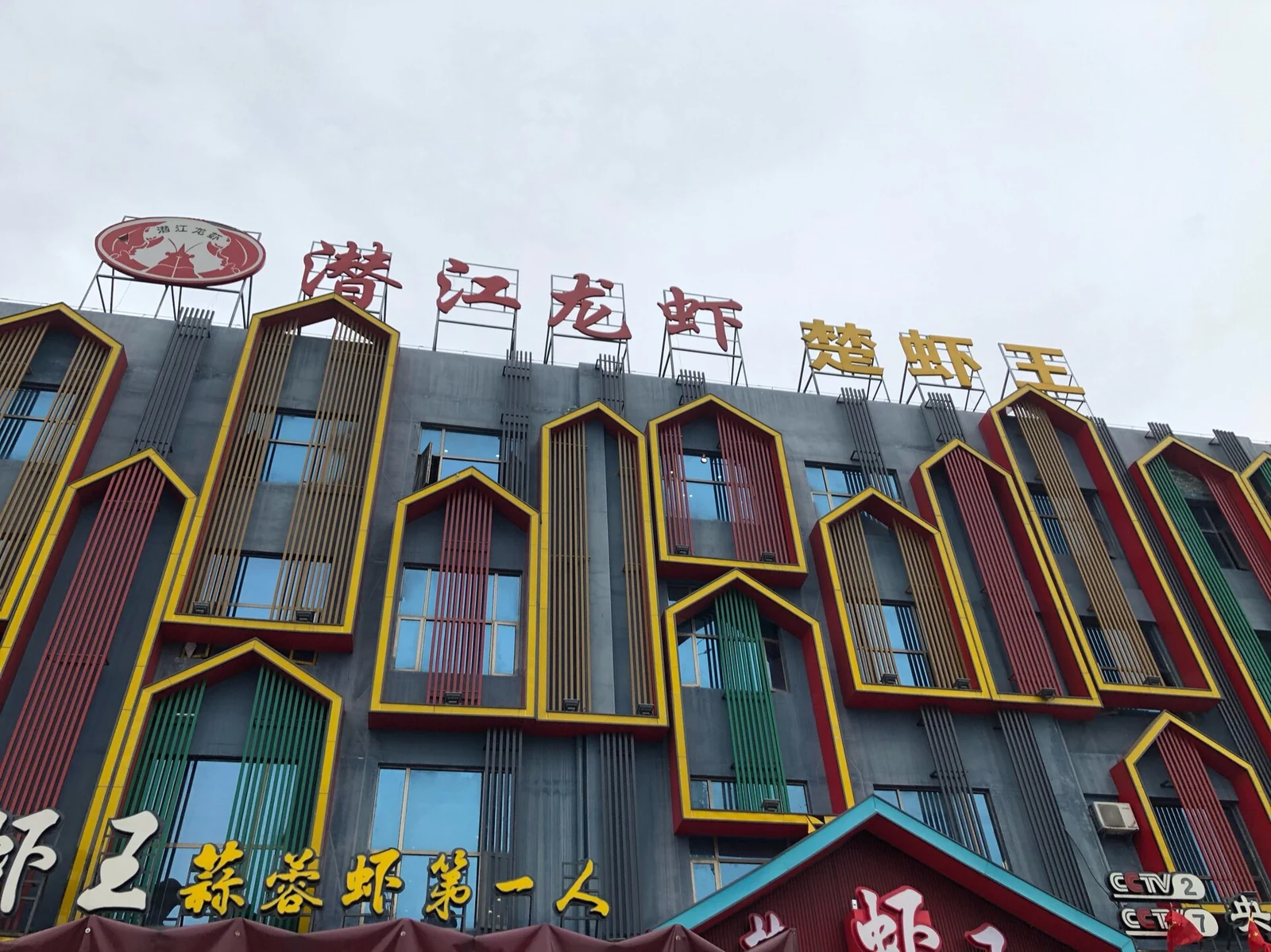
Qianjiang lies on the low Jianghan Plain, where water, fields and settlements shape the view. The setting helps explain why aquaculture became important here. Crayfish are not a timeless emblem inherited unchanged from ancient Chu: their current prominence belongs to a modern history of farming methods, processing and food consumption.
From the journal
The Field and the Crayfish Pond
In Qianjiang, crayfish farming and rice–aquaculture systems connect the waterlogged plain with a distinctive modern food economy.
In the same city · Qianjiang, Hubei ↗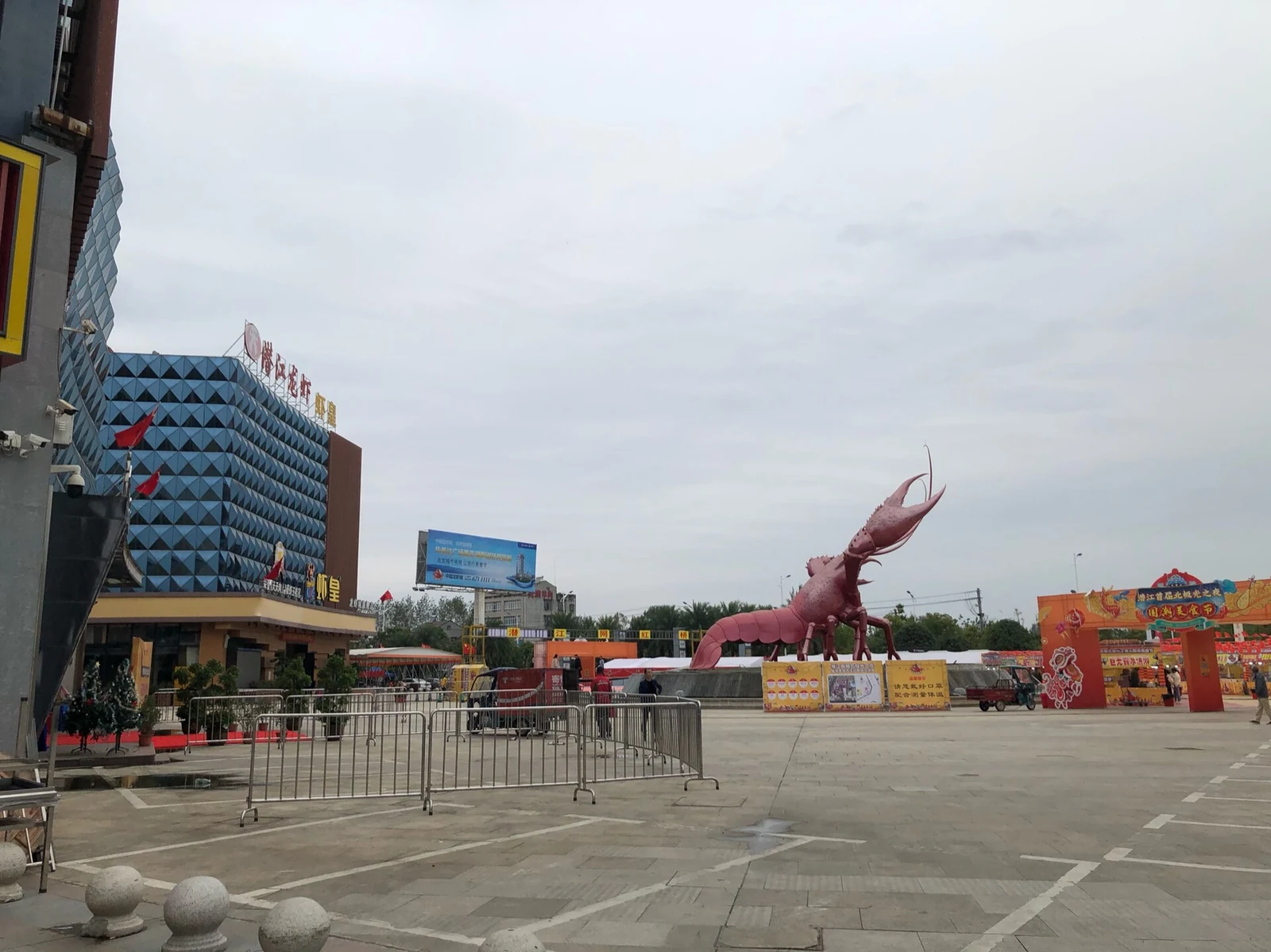
Land organised around water
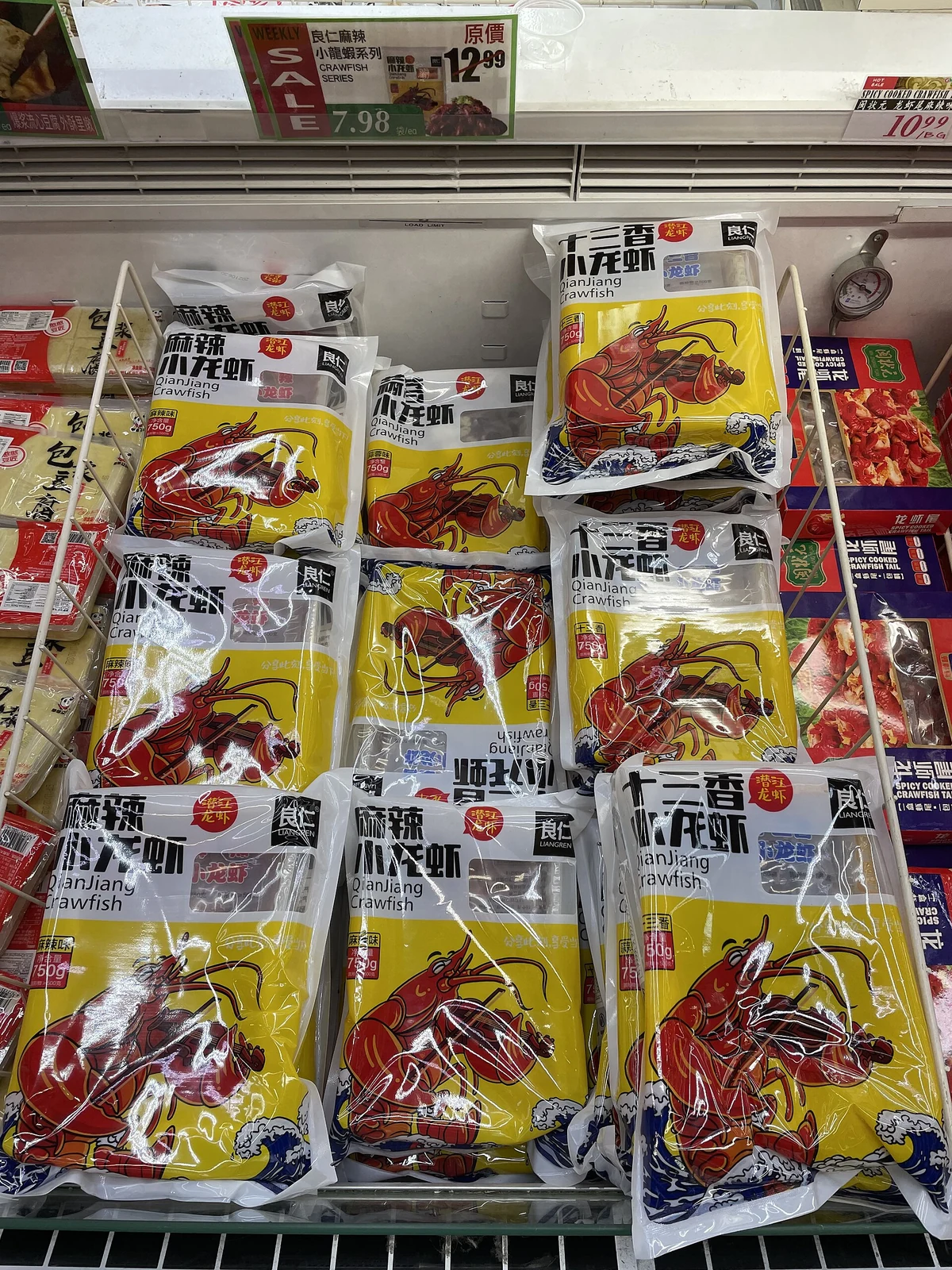
Rice and crayfish in one system
Rice–crayfish cultivation combines grain production with aquatic animals through field channels and seasonal management. Water levels and the timing of cultivation organise the work. The crayfish pond and the rice field become parts of one farming system, with different demands across the year. Seen from the kitchen, crayfish begins as a dish; seen from the fields, it becomes a story about how people work the plain.
From cultivation to the table
Processing, transport and cooking take the crayfish far beyond the pond. The familiar dish is one end of a longer chain of work on the plain. Nearby Xiantao offers another food landscape shaped by water, with lotus root and steaming traditions. Comparing how these foods are grown and prepared makes the connection specific while leaving each city its own identity.