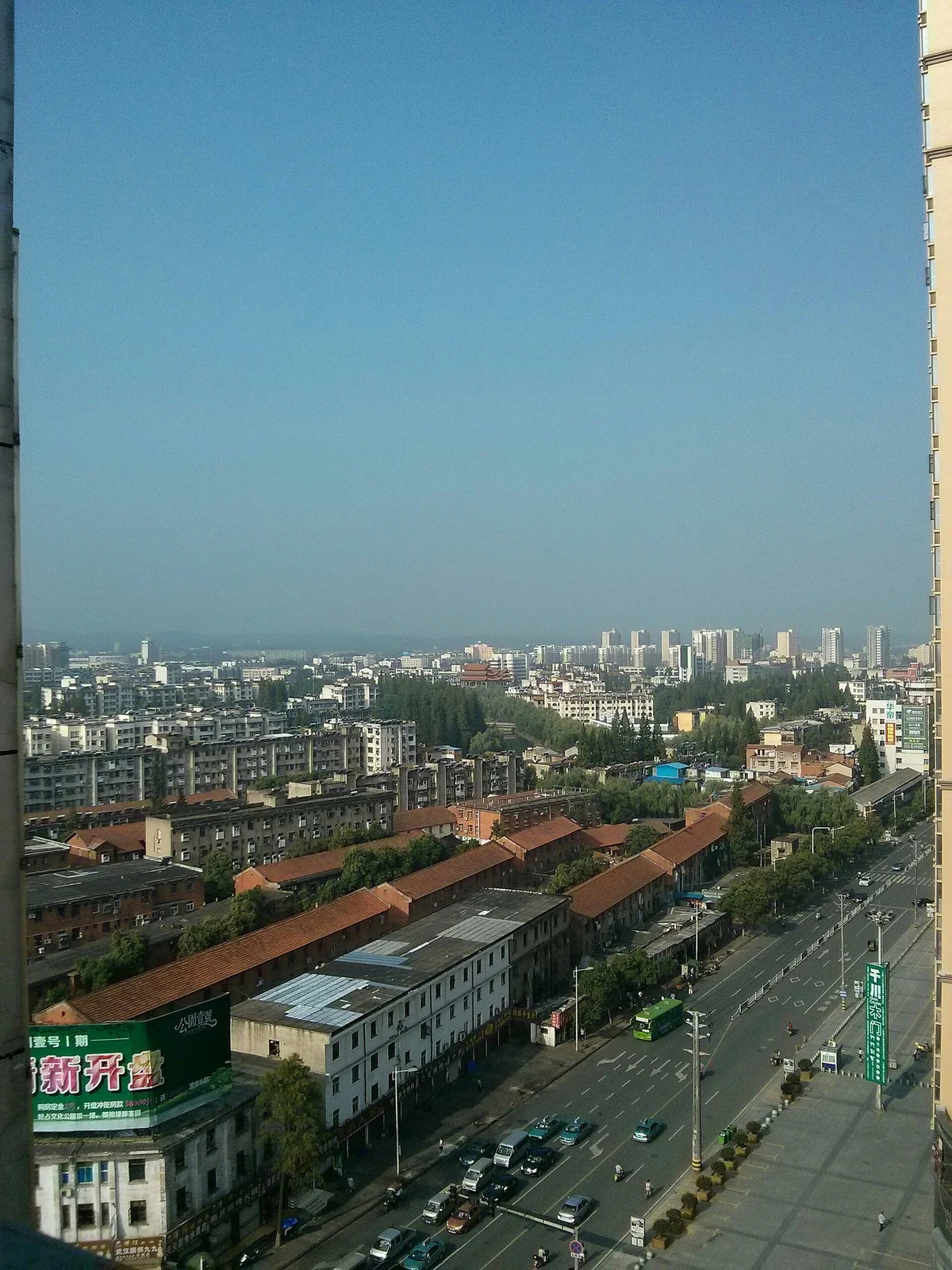
The Tomb Behind the Bells
At Leigudun in Suizhou, Marquis Yi’s tomb places the famous bells within a burial containing instruments, vessels and a ruler’s ordered world.
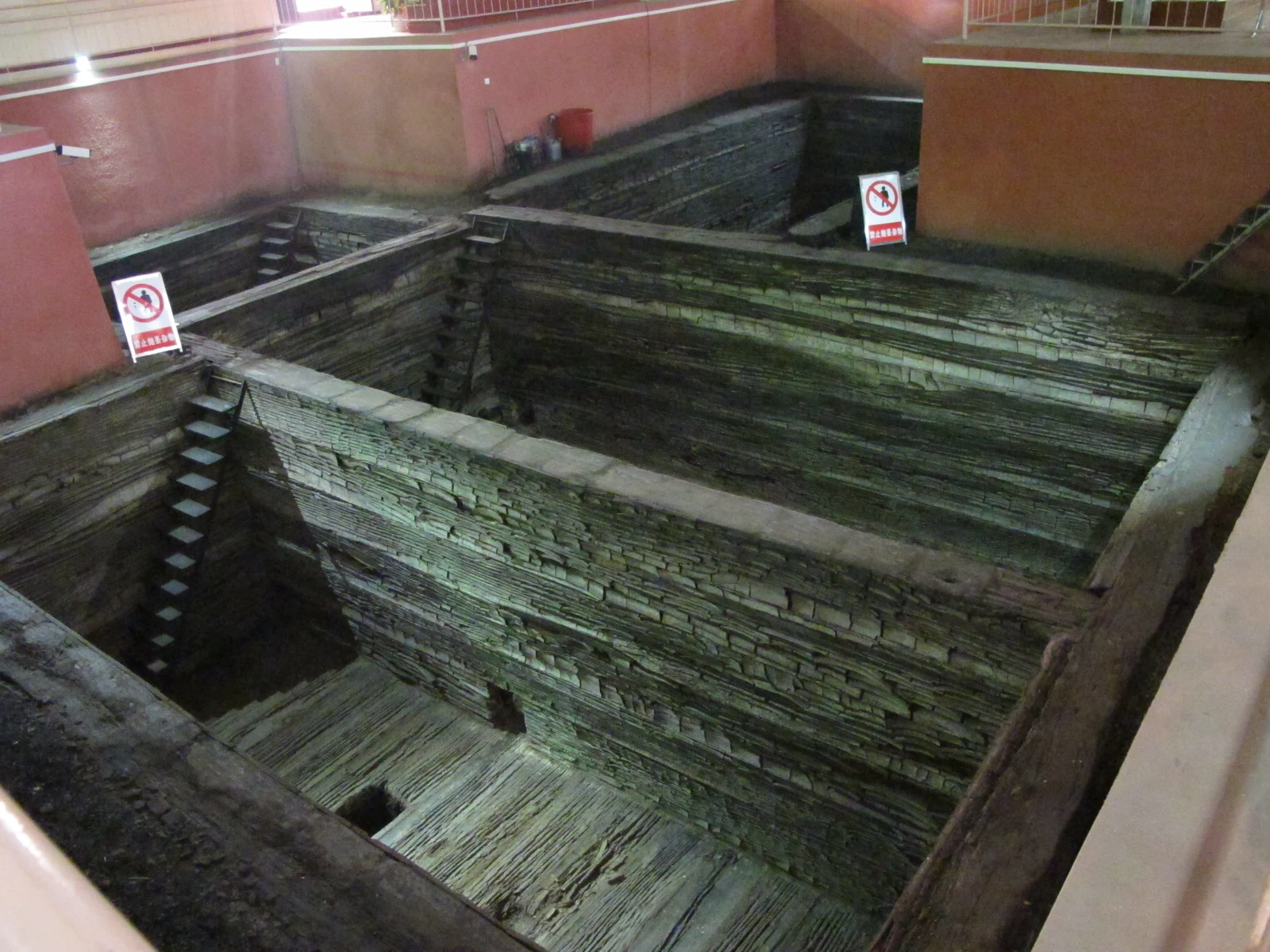
The tomb excavated in 1978 at Leigudun in present-day Suizhou belonged to Marquis Yi of Zeng. It is not in Shiyan’s Yunyang District. The burial’s wooden chambers held an extraordinary assembly of objects, including musical instruments and bronze vessels. Their arrangement offers a wider setting for the bells than the familiar image of the chime frame alone.
Lishan, in Suixian County within Suizhou, is associated with Yandi, the Flame Emperor, and Shennong, the Divine Farmer. Commemorative buildings and ceremonies give the tradition a place in the landscape. The story concerns an ancestral figure credited with farming and knowledge of plants; it is not a biography established by excavating a named person’s house.
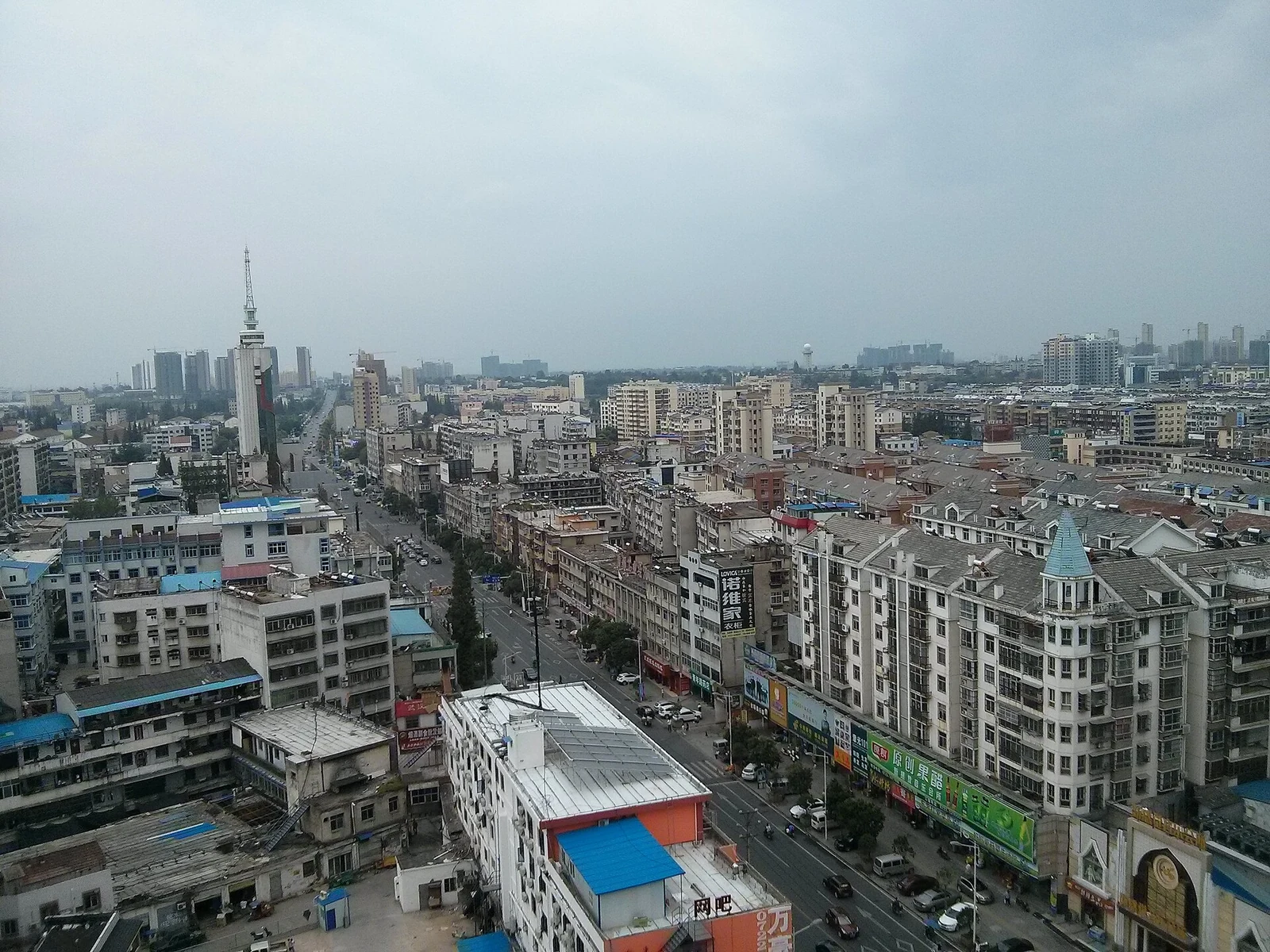
At Leigudun in Suizhou, Marquis Yi’s tomb places the famous bells within a burial containing instruments, vessels and a ruler’s ordered world.
At Lishan near Suizhou, the tradition of Yandi Shennong gives agriculture a remembered ancestor, alongside a region with its own archaeological past.
Read