Lishan, in Suixian County within Suizhou, is associated with Yandi, the Flame Emperor, and Shennong, the Divine Farmer. Commemorative buildings and ceremonies give the tradition a place in the landscape. The story concerns an ancestral figure credited with farming and knowledge of plants; it is not a biography established by excavating a named person’s house.
From the journal
Suizhou and the Memory of Shennong
At Lishan near Suizhou, the tradition of Yandi Shennong gives agriculture a remembered ancestor, alongside a region with its own archaeological past.
In the same city · Suizhou, Hubei ↗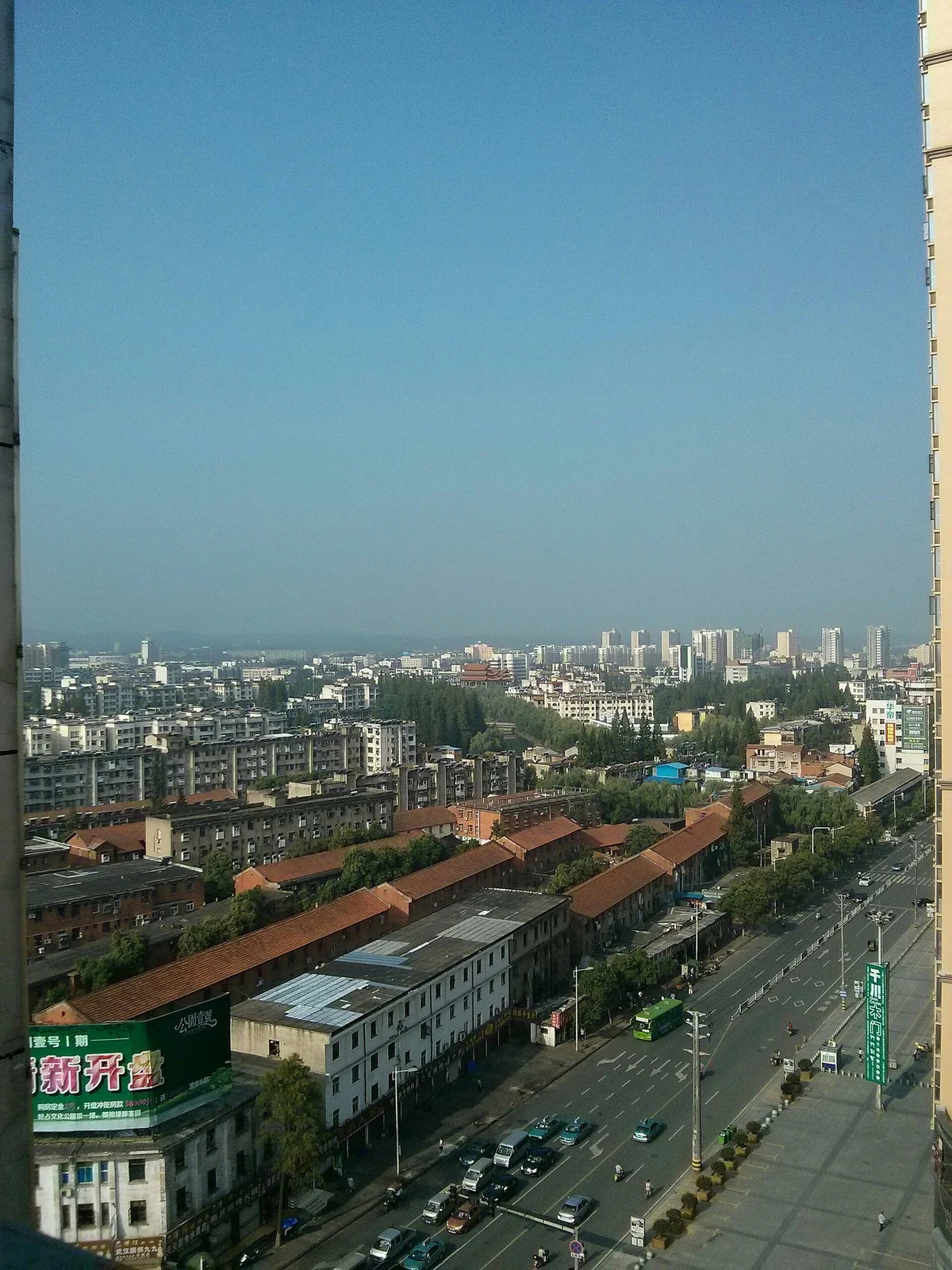
A place of remembrance at Lishan
What the agricultural ancestor carries
Shennong’s familiar image brings together cultivation, the tasting of plants and the wish to explain how useful knowledge began. Later communities have retold those themes in different settings. At Suizhou, remembrance and ceremony are the useful subjects to follow. Buildings and ceremonies give this ancestral tradition a visible place in local life.
Another past beneath Suizhou
Suizhou also holds the remains of Zeng, including Marquis Yi’s tomb at Leigudun. Inscriptions, excavated objects and burial structures offer another kind of encounter with the region’s past. Lishan and Leigudun occupy separate places in the landscape and different places in cultural memory. An ancestral tradition can coexist with archaeological discoveries, each giving the region a depth that reaches beyond a single founding story.