The Tower That Lives in Poetry
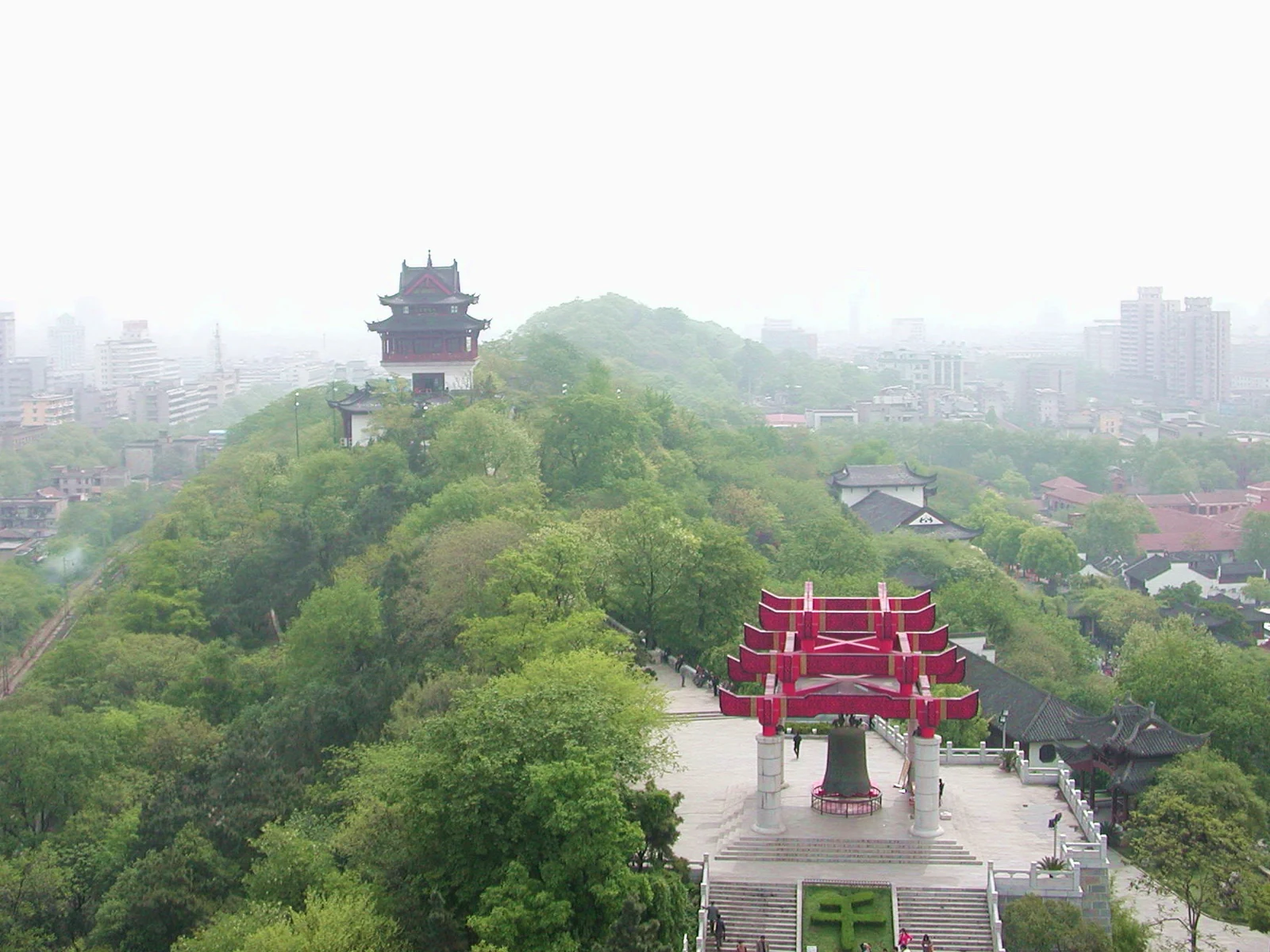
At Wuhan’s Yellow Crane Tower, successive buildings, the Yangtze Bridge and Tang poetry tell different chapters of the same riverbank.
Wuhan joins Wuchang, Hankou and Hanyang around the Han and Yangtze rivers. Yellow Crane Tower opens a literary view of the river, while Hankou’s customs house recalls the port’s modern history. Hubei Provincial Museum holds major archaeological finds from across the province. Breakfast culture and East Lake offer different scales of city life, and Huangpi’s Mulan Mountain belongs to Wuhan’s northern landscape.
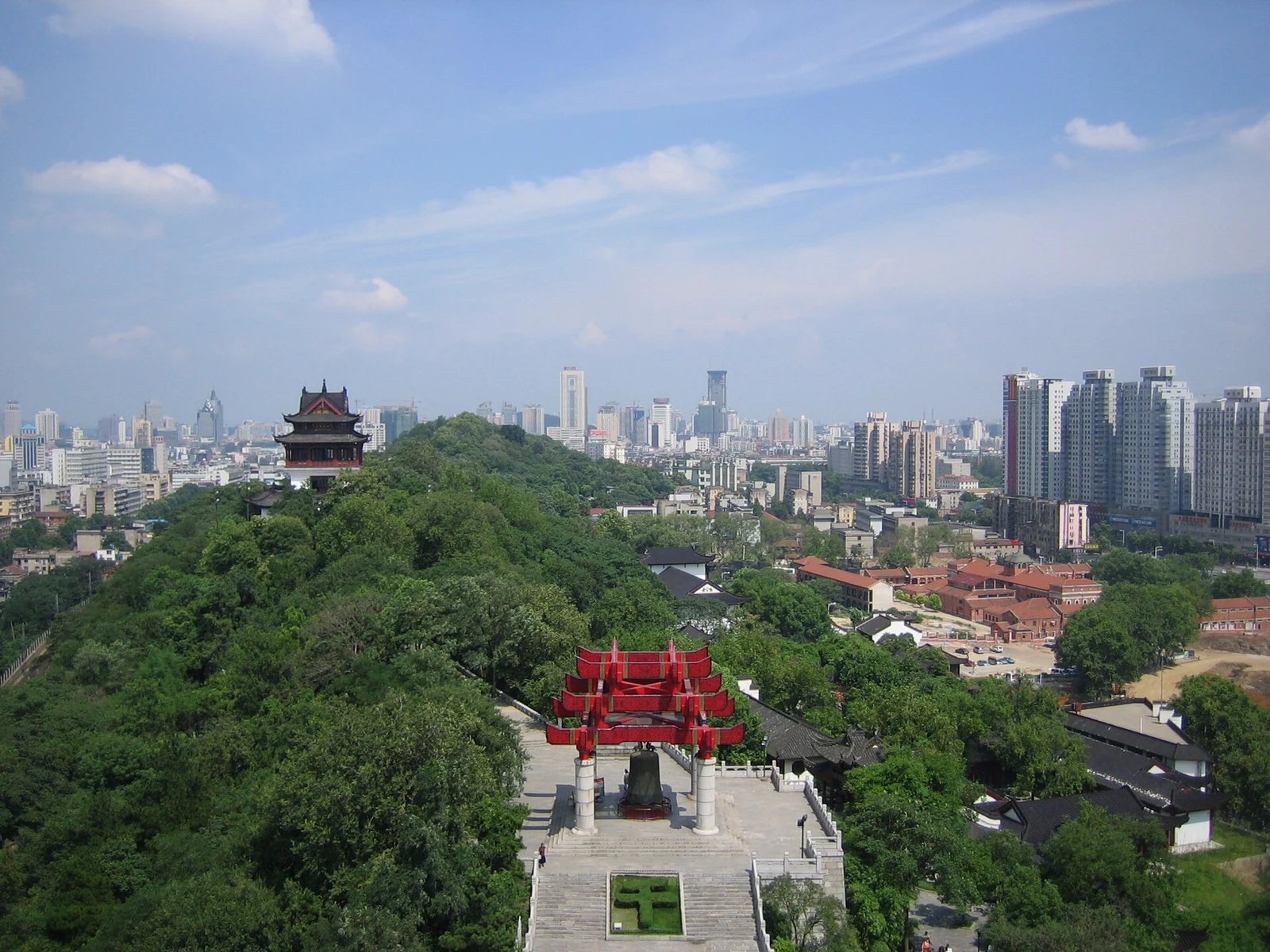
At Wuhan’s Yellow Crane Tower, successive buildings, the Yangtze Bridge and Tang poetry tell different chapters of the same riverbank.
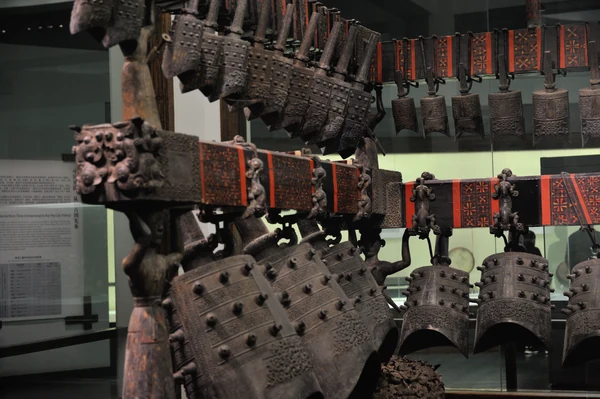
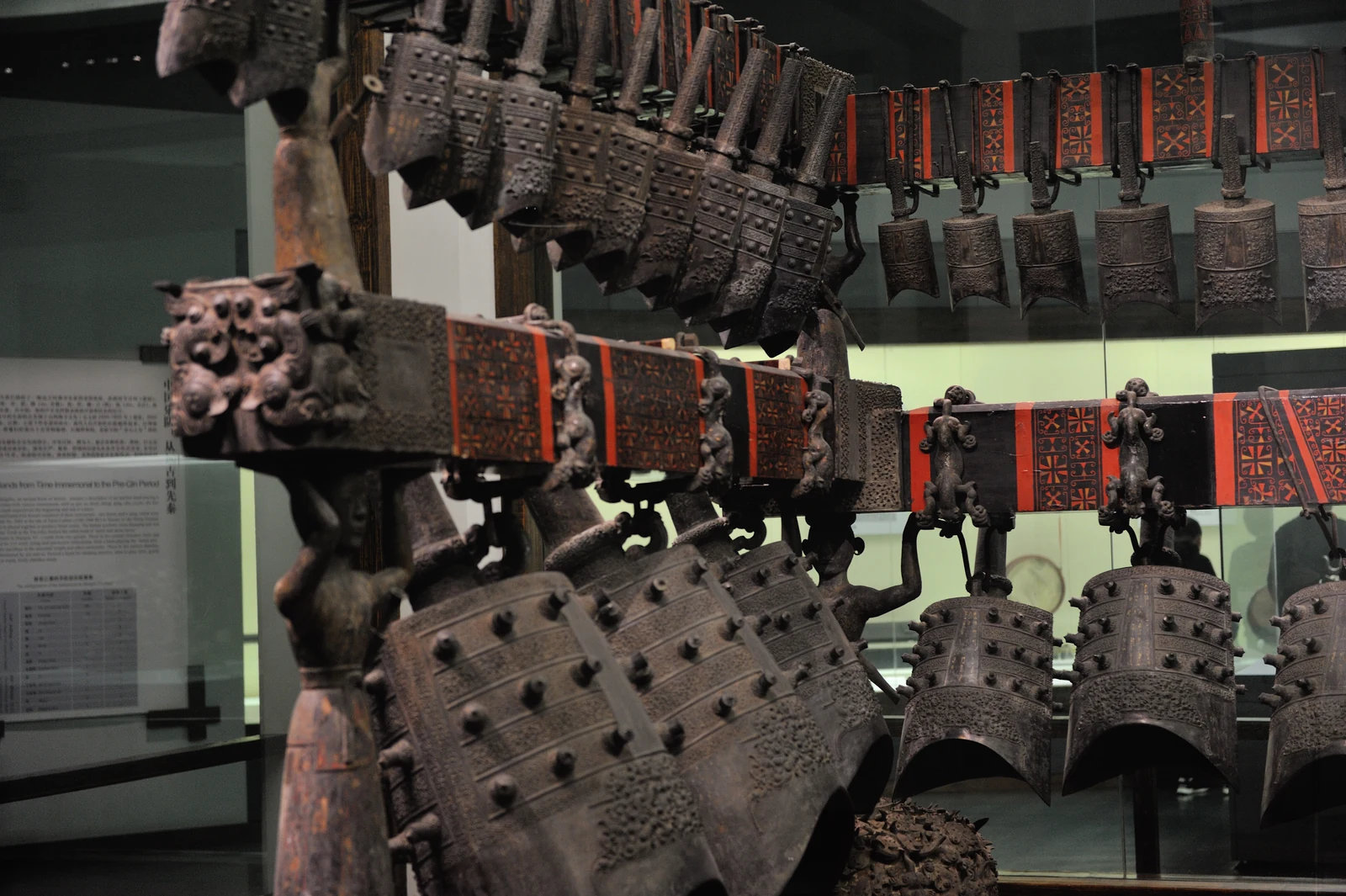
The bells of Marquis Yi connect a tomb in Suizhou with Wuhan’s Hubei Provincial Museum and the sound of an ancient court.
Read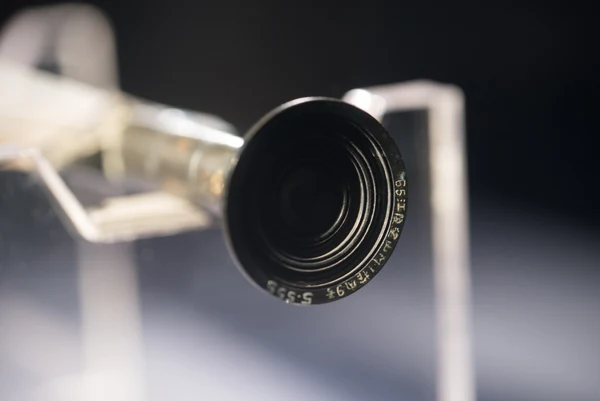
The Sword of Goujian, excavated near Jingzhou and displayed in Wuhan, joins a patterned bronze surface to the name of a ruler of Yue.
Read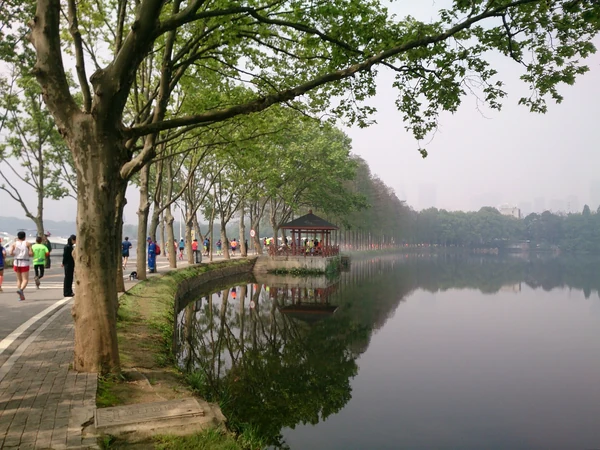
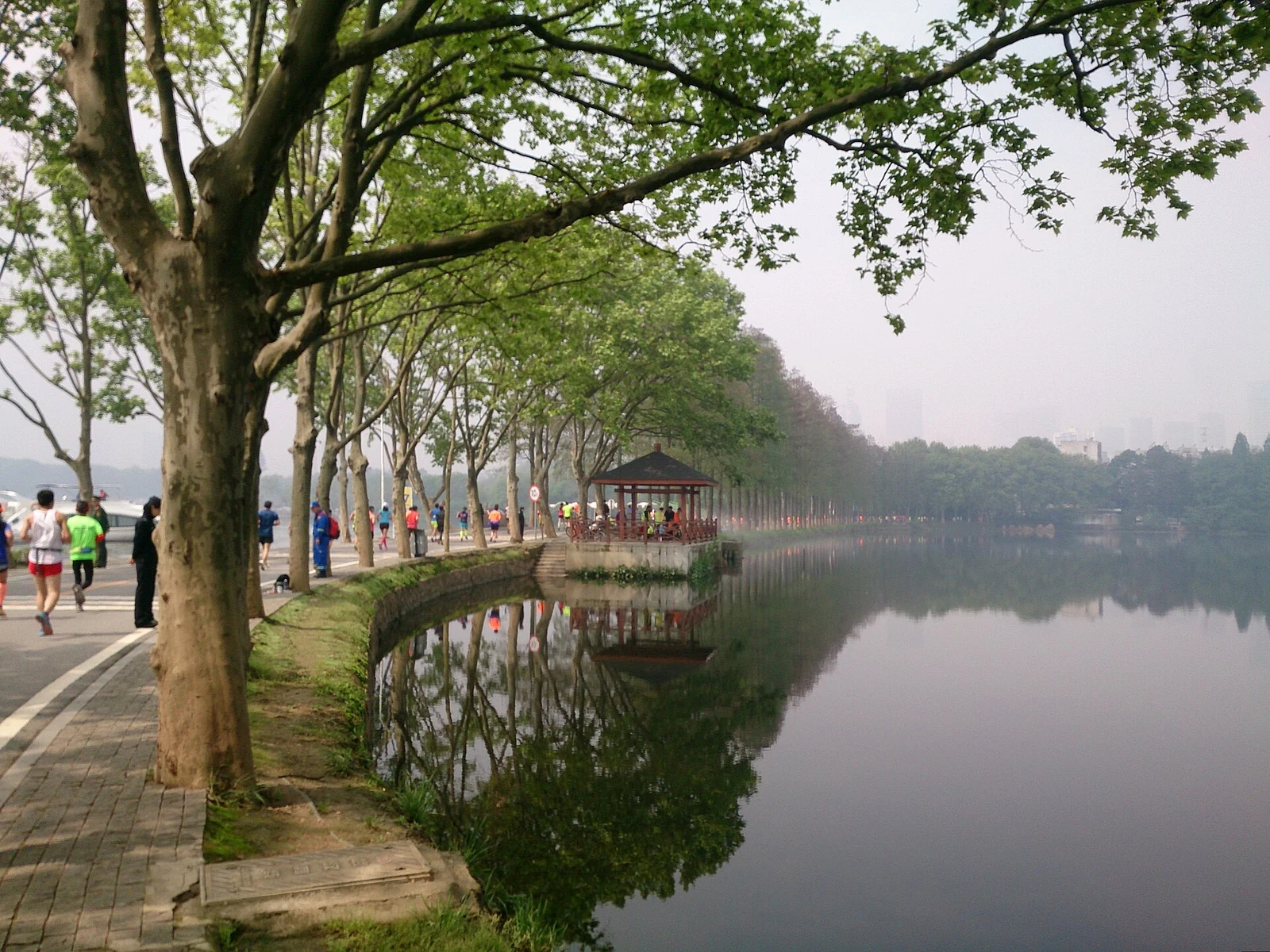
At Wuhan’s East Lake, wooded shores, greenways and Moshan’s modern evocation of Chu culture offer a different scale of urban life.
Read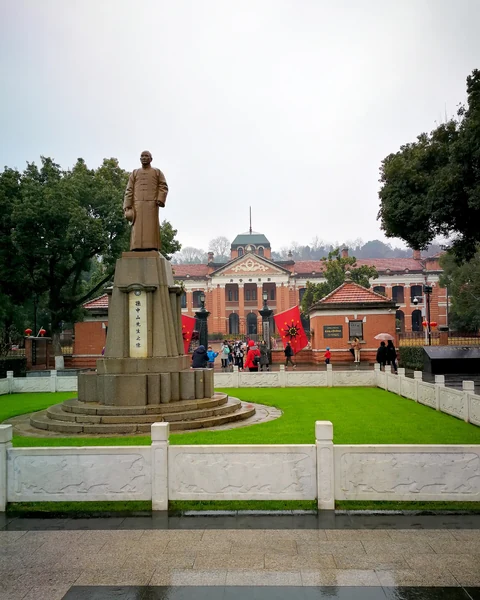
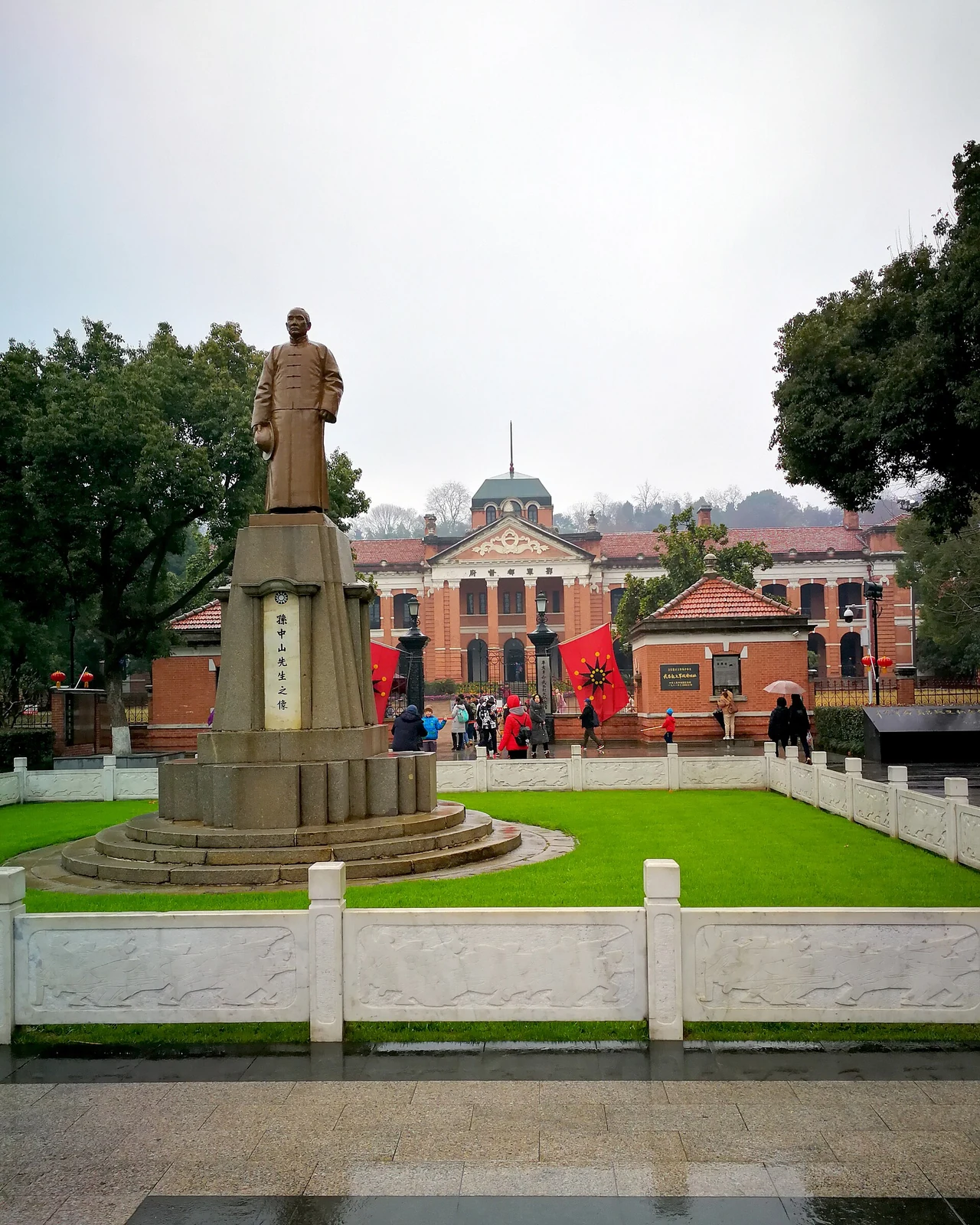
Wuchang’s Red Building changed from a provincial assembly to the seat of the 1911 military government and later a memorial museum.
Read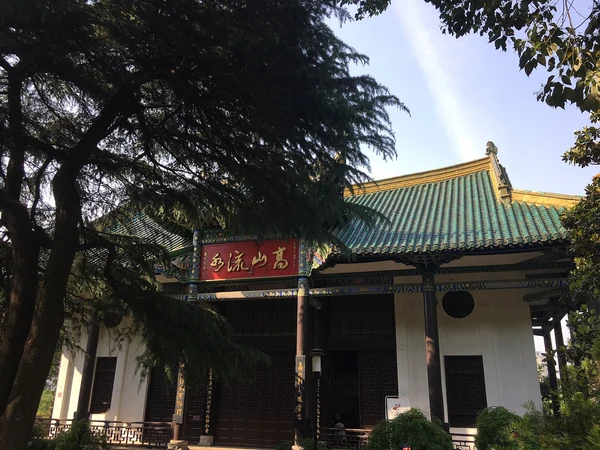
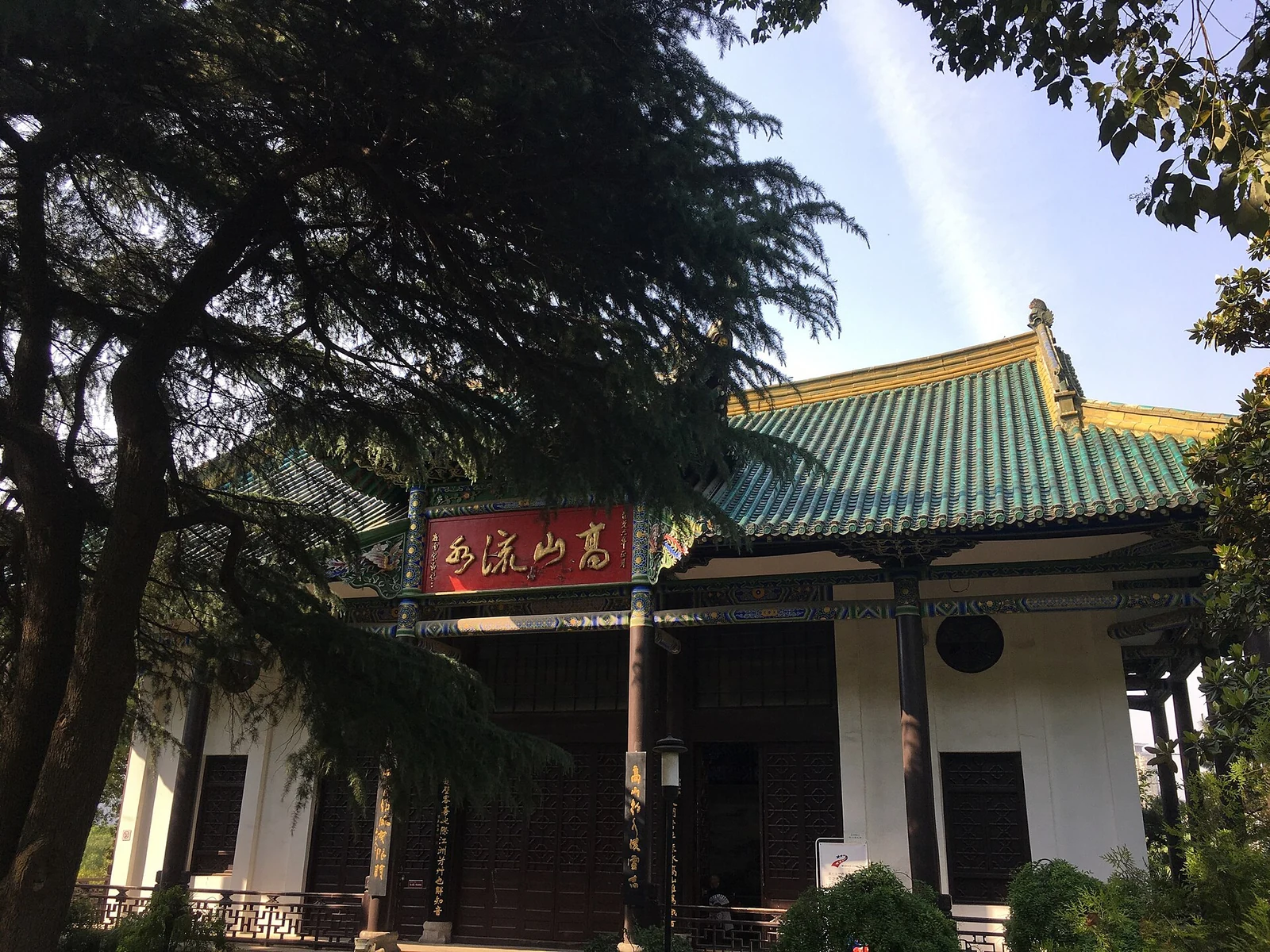
At Hanyang’s Guqin Terrace, the story of Boya and Zhong Ziqi gives a small lakeside place a lasting word for friendship: zhiyin.
Read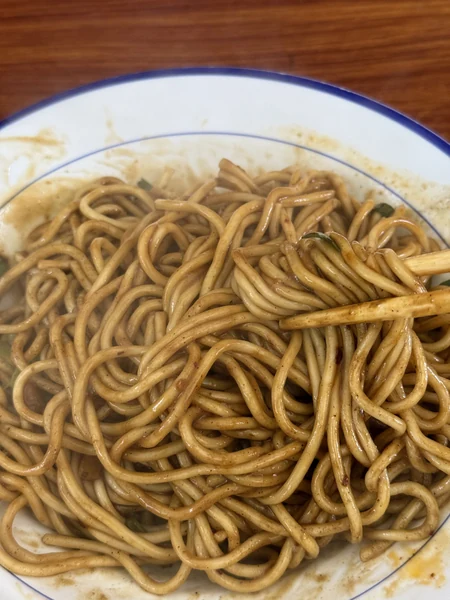
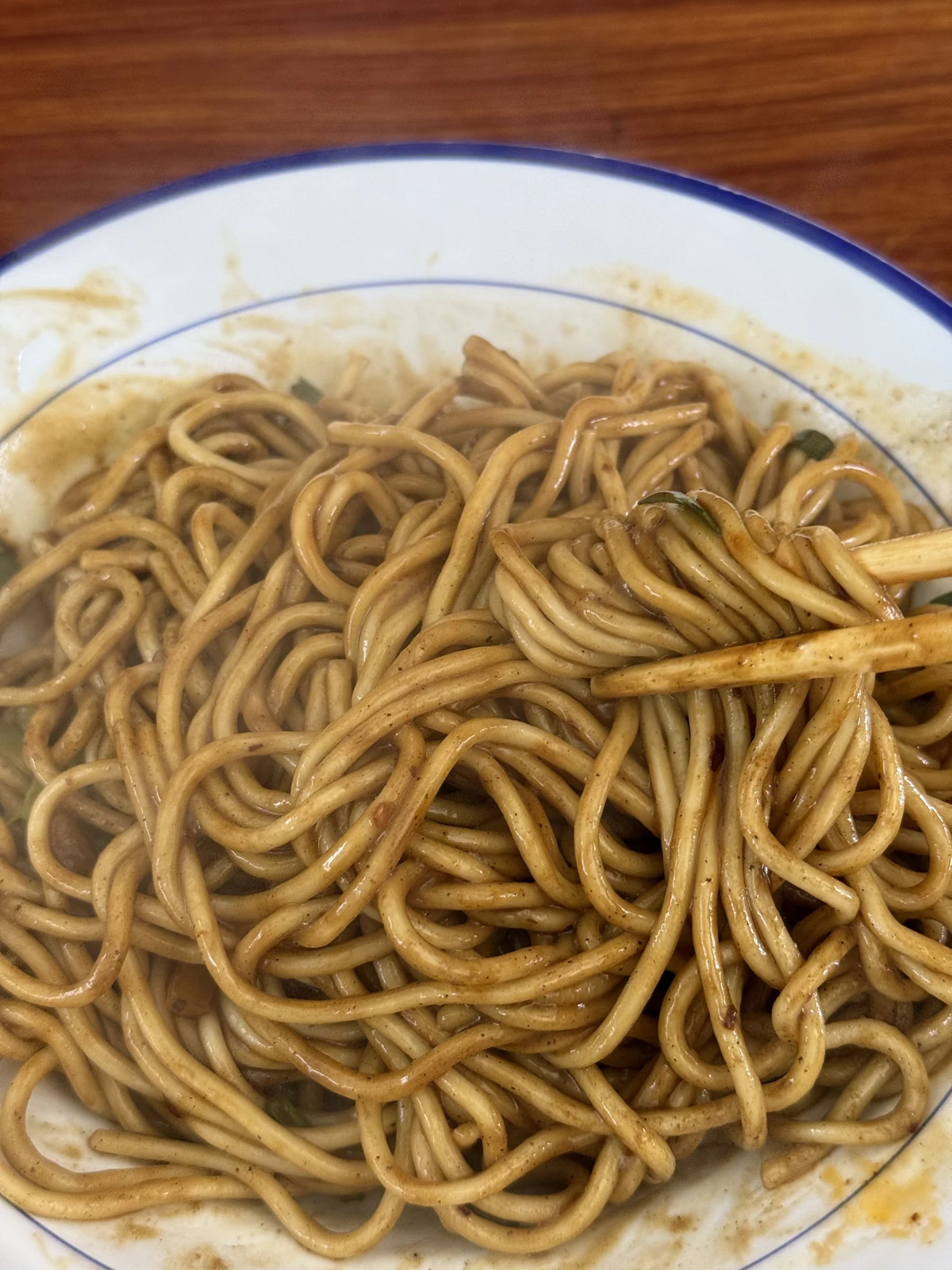
Hot dry noodles and the small food stalls of Wuchang introduce guozao, Wuhan’s name for the morning meal.
Read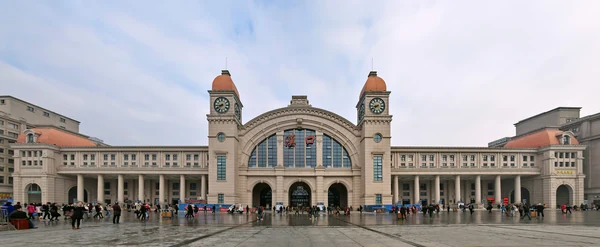
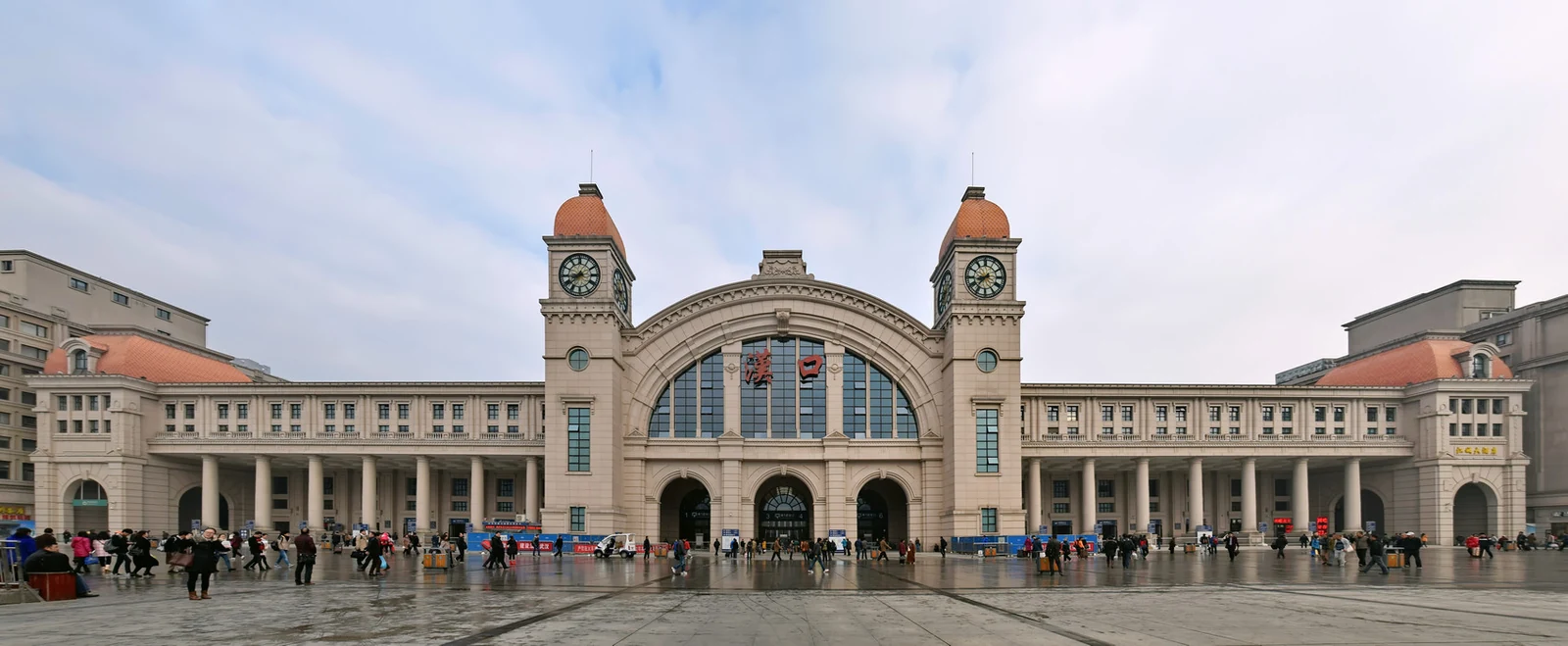
At Hankou, the Han–Yangtze confluence, former concessions and the 1924 Jianghan Customs House reveal a port city’s changing streets.
Read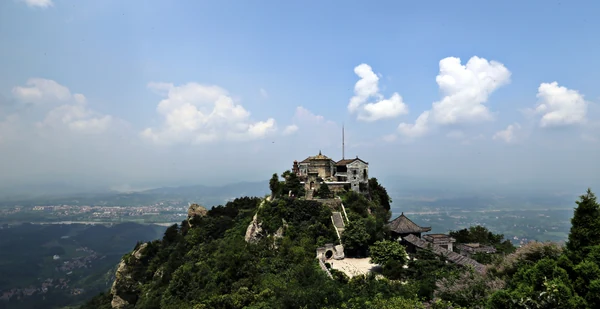
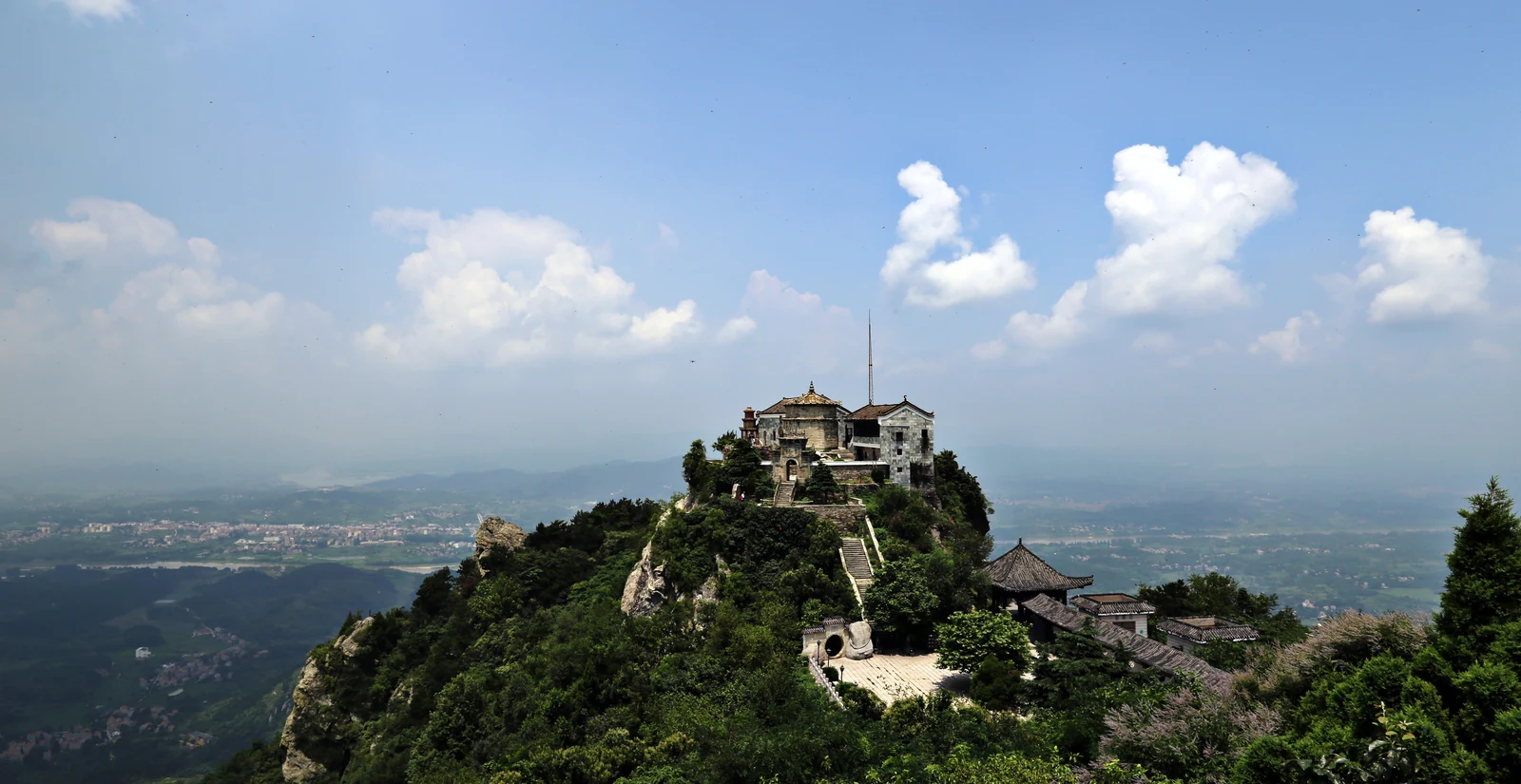
At Mulan Mountain in Wuhan’s Huangpi District, a familiar ballad has become part of the names, shrines and memory of a local landscape.
ReadA mountain in Wuhan’s Huangpi District whose temples and local traditions preserve an association with the heroine Mulan.
A tower on Snake Hill in Wuchang that has been destroyed and raised again since AD 223, and now stands 51.4 metres tall.
The bells of Marquis Yi connect a tomb in Suizhou with Wuhan’s Hubei Provincial Museum and the sound of an ancient court.
A large lake within Wuhan, framed by wooded shores, greenways and the cultural landscapes of Tingtao and Moshan.
The red brick military government building on Snake Hill where the Hubei Military Government was proclaimed in October 1911.
A marble terrace on Turtle Hill in Hanyang, said to be where Bo Ya played for Zhong Ziqi.
A 150-metre snack lane in old Wuchang that is called the first lane of Hubei-flavoured breakfast.
The river port north of the Han, with five foreign concessions and a bund of banks, consulates and a custom house.
Wuhan Yangtze River Bridge opened in 1957. The road-and-rail bridge connects Hanyang’s Turtle Hill with Wuchang’s Snake Hill across the Yangtze, giving the two riverbanks a direct fixed crossing.