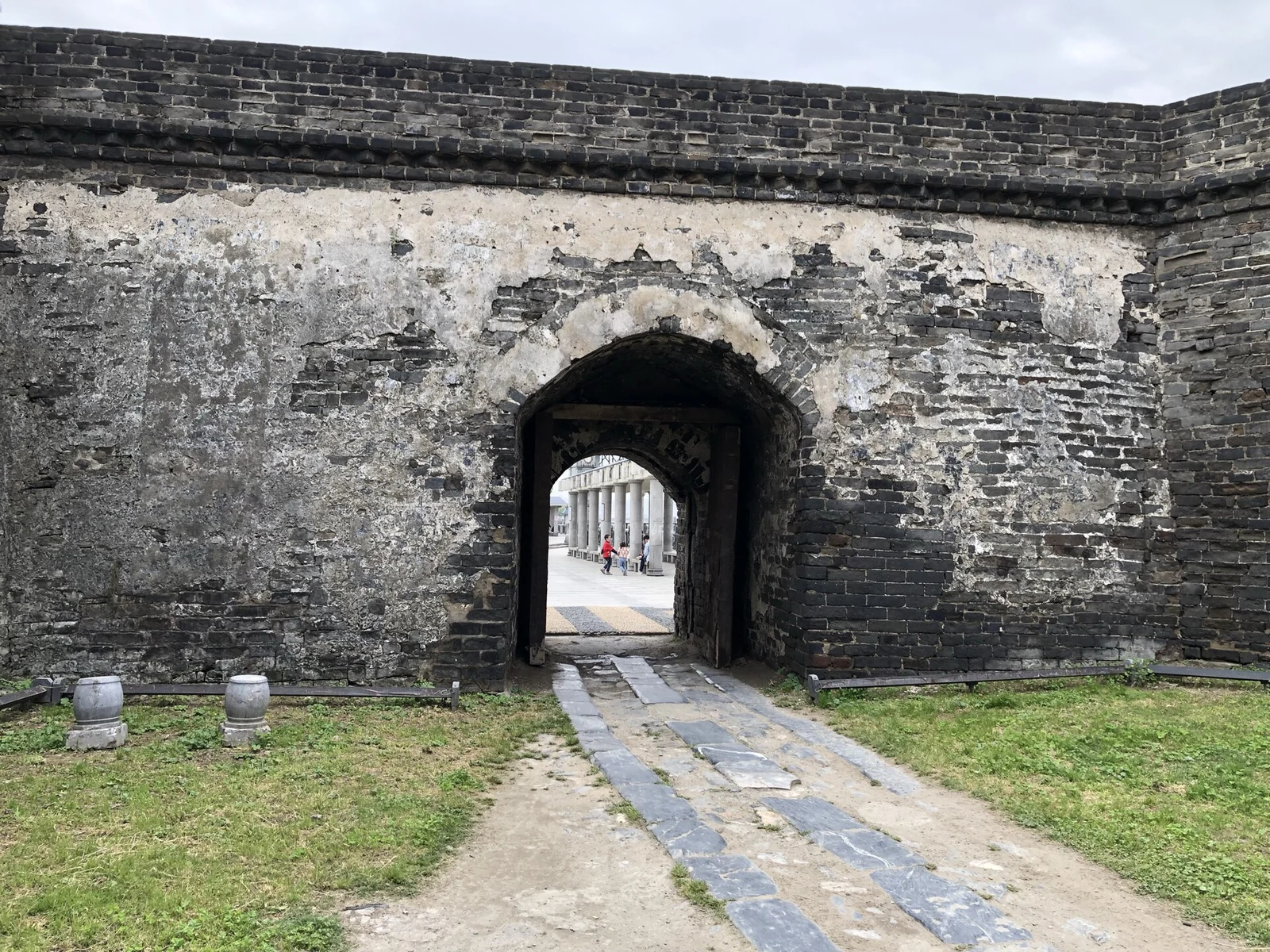
Xiangyang’s old city lies south of the Han River, with Fancheng to the north. Together they occupied a strategically important crossing. Water was not a decorative edge to the fortifications: it helped determine approaches, communication and defence. The visible walls and gates carry later rebuilding, while the importance of the crossing extends across different historical periods.
From the journal
Two Walled Cities Beside the Han
Xiangyang’s walls, the river crossing to Fancheng and the story of Lady Han reveal several periods of defence and remembrance.
In the same city · Xiangyang ↗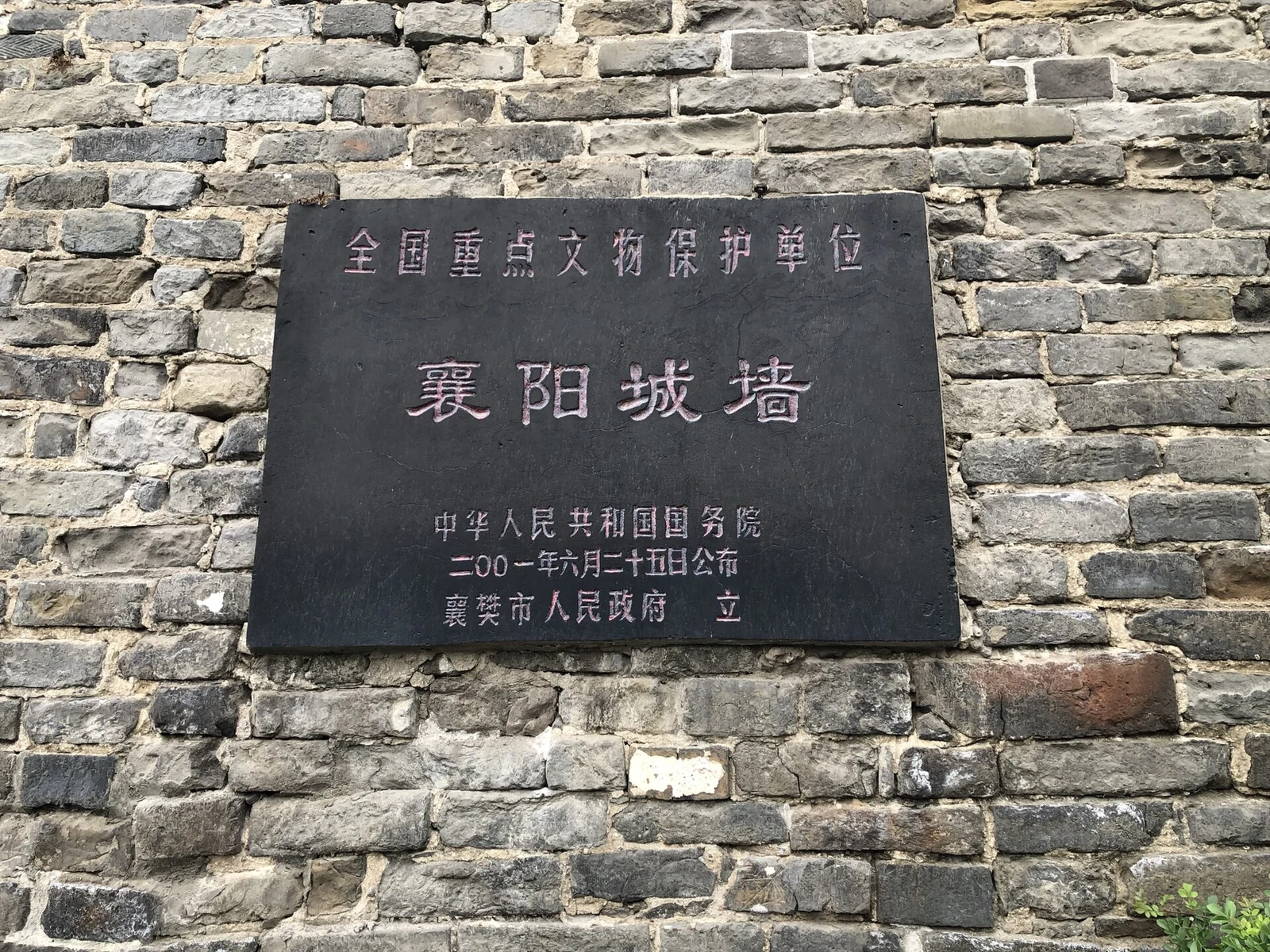
The river between two cities
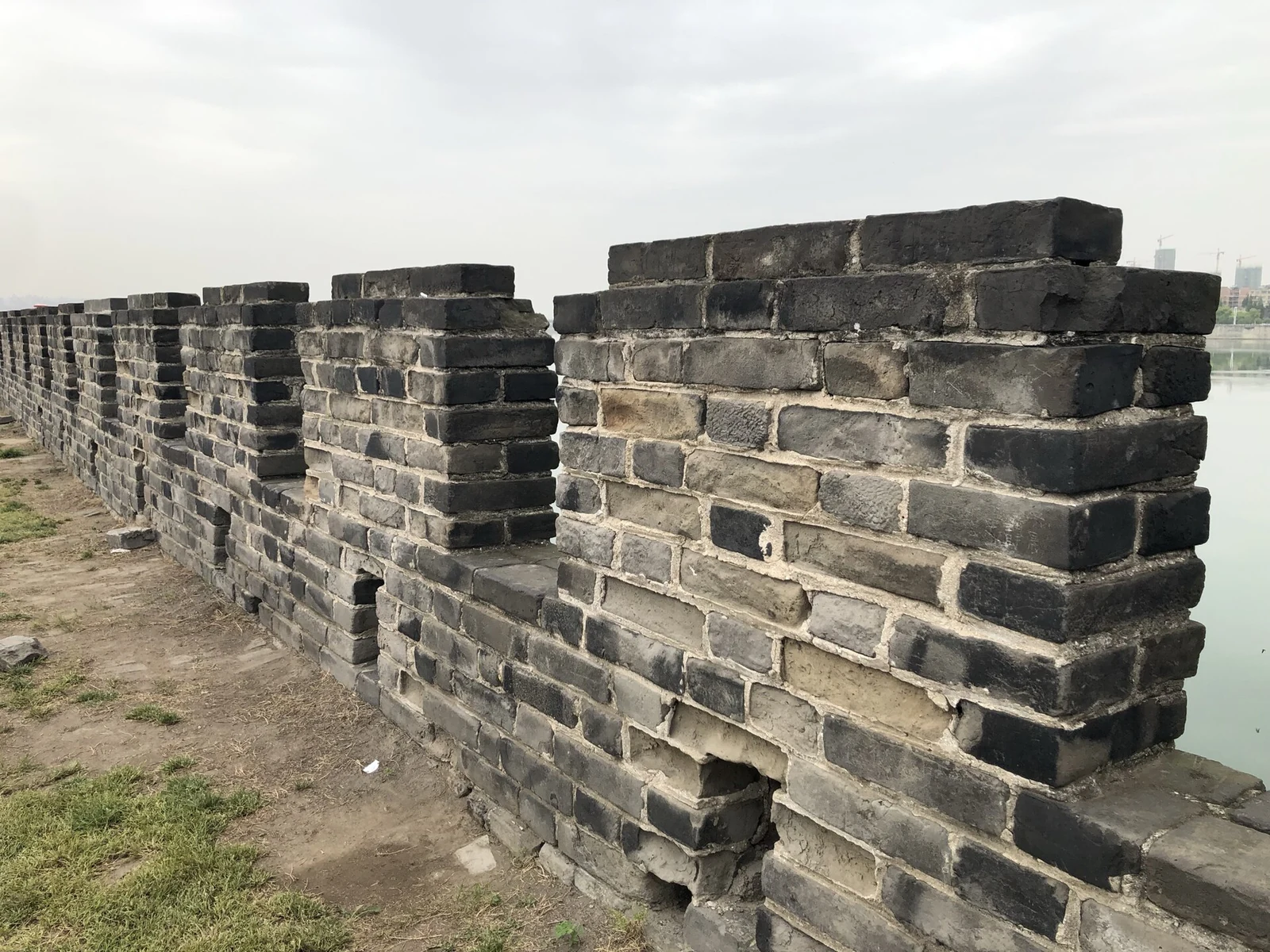
The Lady Wall is one part
The Lady Wall is a particular section associated with a tradition about Lady Han, mother of the commander Zhu Xu, who helped strengthen the defences in the fourth century. It is not a second name for every part of Xiangyang’s city wall. The story makes a defensive structure into a memorial to a person, adding another kind of meaning to the brickwork.
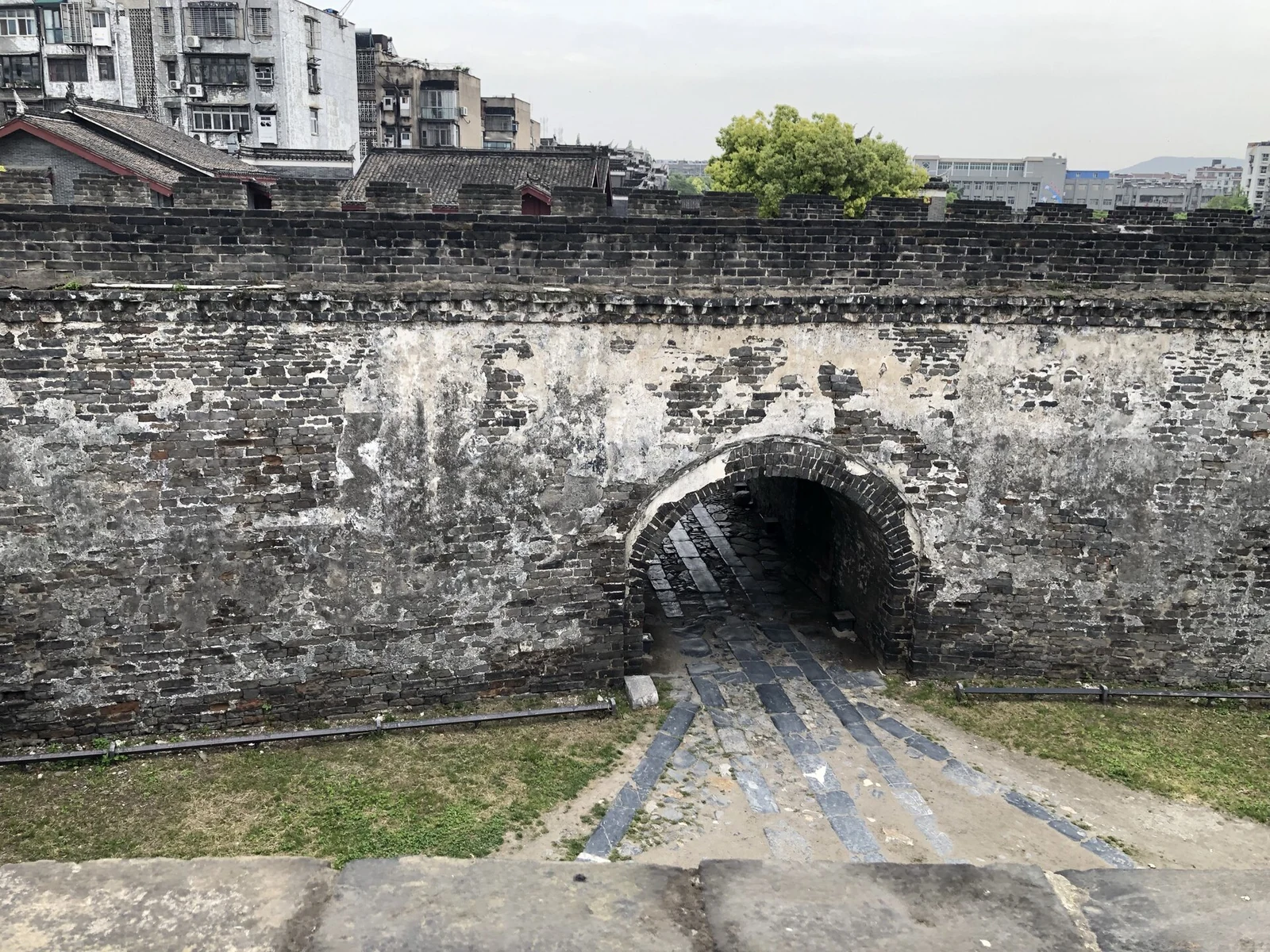
A long siege in another century
The thirteenth-century struggle for Xiangyang and Fancheng belongs to the Mongol conquest of the Southern Song, many centuries after the Lady Wall story. It demonstrated the crossing’s importance in a different political world. Reading the walls means keeping these episodes separate: a local tradition, later military campaigns and the fabric of rebuilding all remain visible without becoming one uninterrupted siege.