Sugar sculpture uses sugar’s changing consistency as it is heated, worked and allowed to cool. Tianmen’s tradition includes modelling and blowing forms, with tools and practiced movements helping the maker shape the material before it sets. Recognised in the national intangible cultural heritage inventory, the craft turns a familiar ingredient into something made to be looked at, handled and sometimes used in a celebration.
From the journal
Tianmen’s Figures Made From Sugar
Tianmen sugar sculpture turns heated sugar into animals, figures and ceremonial forms, joining skilled handwork to local celebration.
In the same city · Tianmen, Hubei ↗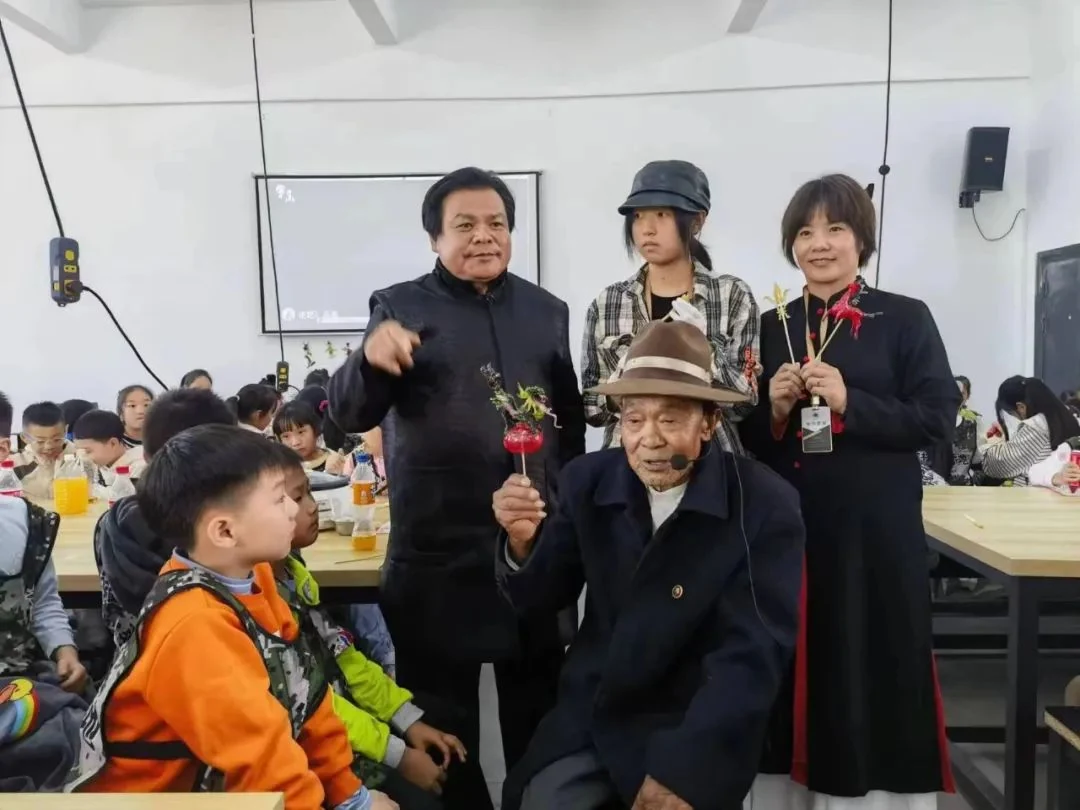
A warm material in the hand
Figures for looking at and celebrating
Animals, human figures and auspicious forms give the sugar pieces a vocabulary familiar from festivals and family celebrations. Larger works retain connections with sugar offerings used in ceremonies such as birthdays and weddings. Their appeal combines material transformation with recognisable shapes. The craft asks a maker to judge warmth, thickness and timing, so its skill cannot be described simply as pressing every figure into a mould.
Keeping Tianmen’s story distinct
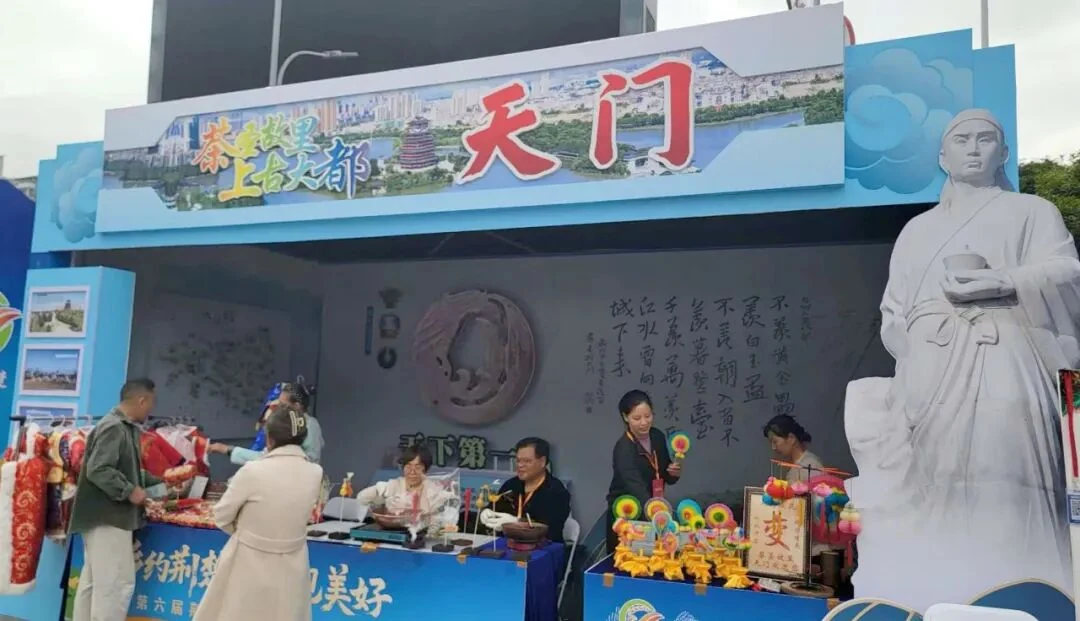
Sugar crafts exist in neighbouring places as well, including the Mianyang area. Tianmen’s makers and ceremonial forms give this local tradition its own character within that wider world. A small animal and a larger ceremonial piece ask different things of the material. Both preserve knowledge in the hands: how much warmth remains, when to pull or shape, and when to leave the sugar to hold its finished form.