Li Shizhen was born in 1518 at Qizhou, in present-day Qichun County, Huanggang. Medicine was part of his family’s work. His name is now inseparable from the Bencao Gangmu, known in English as the Compendium of Materia Medica. The connection gives Qichun a human entry into the history of medical writing: a local physician examining received knowledge rather than simply inheriting a finished book.
From the journal
Li Shizhen’s Work of Looking Closely
In Qichun, Li Shizhen’s life and the Compendium of Materia Medica connect local plant knowledge with a long work of collecting and comparison.
In the same city · Huanggang ↗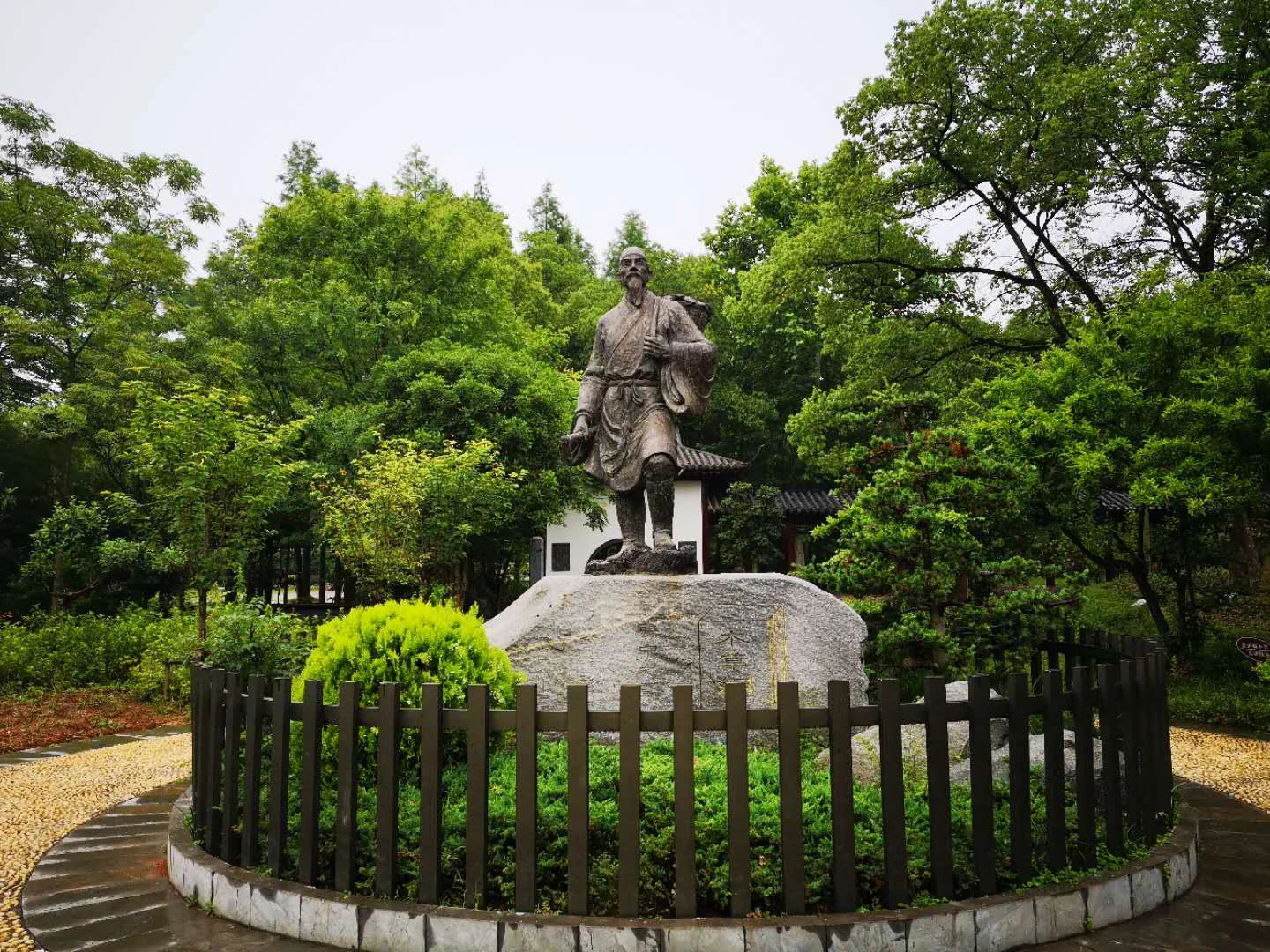
A physician from Qizhou
Making a book from many sources
The compendium brought together descriptions of medicinal materials, earlier writings and observations gathered over years of work. Its classification and illustrations offered readers ways to distinguish and compare materials. The book’s importance lies partly in that sustained labour of ordering knowledge. A manuscript, a plant name and a description of how something was used were different pieces that had to be brought into relation.
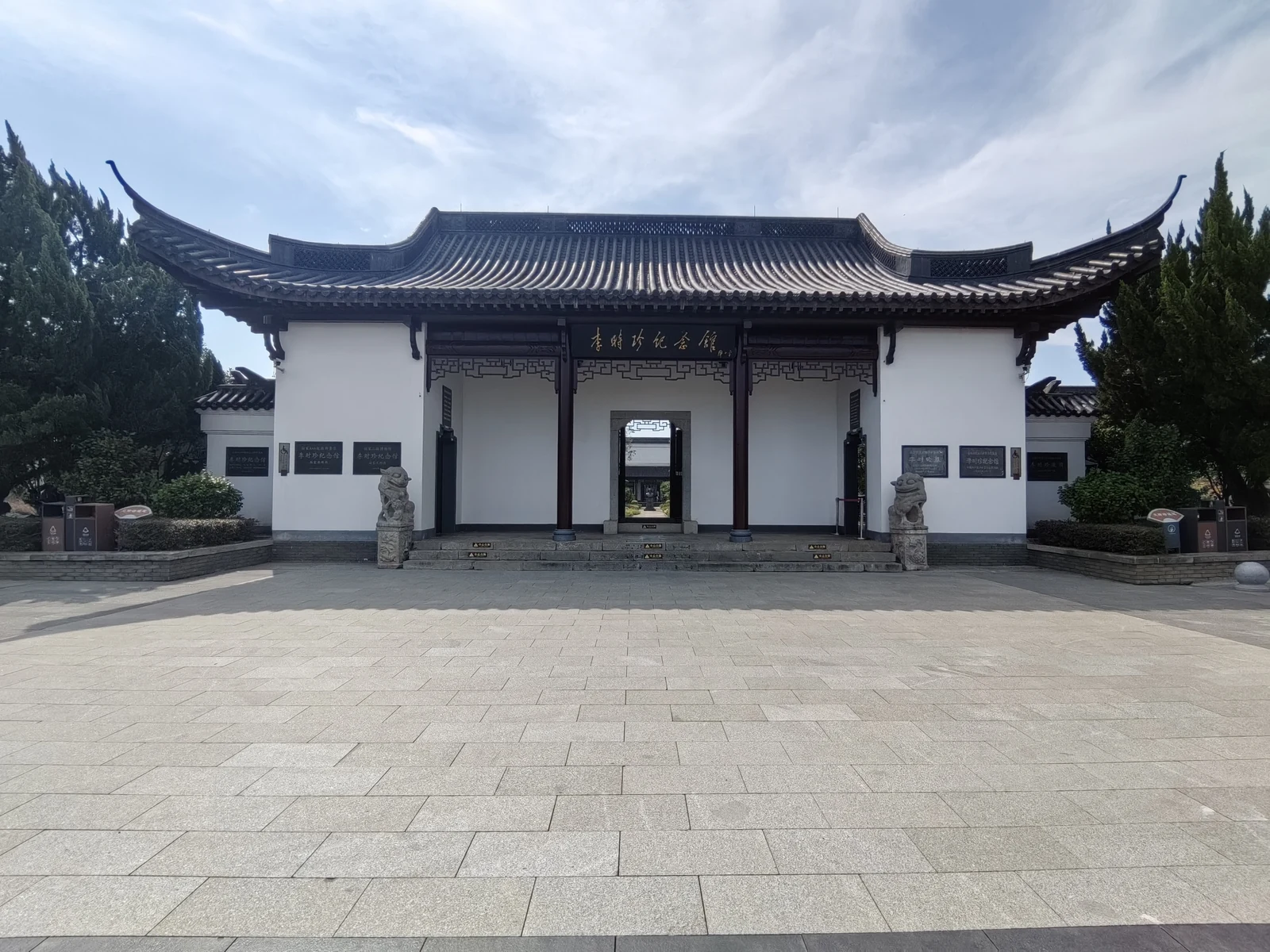
Mugwort and a local identity
Qichun is also associated with mugwort, commonly called qi ai in its local form. Cultivation and processing make the plant part of the county’s present identity, alongside memorials to Li Shizhen. Leaves, dried bundles and the name of a physician bring a large history of materia medica back to a particular place. The story connects close observation, inherited knowledge and the patient work of making a book.