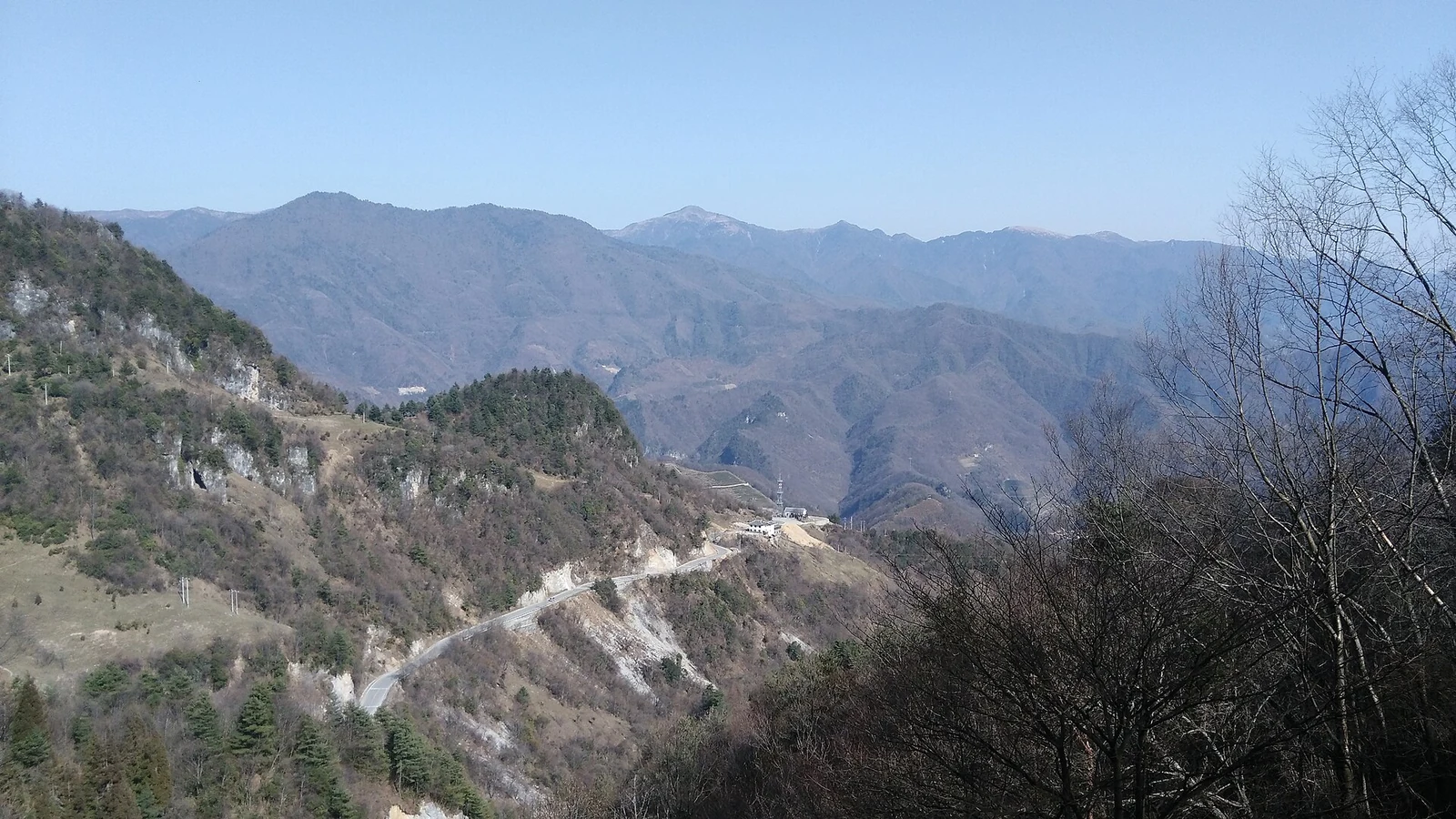
Shennongjia lies in the mountains of western Hubei. It is a province-administered forestry district, not part of eastern Hubei’s mountain country. Its name is associated with Shennong, the Divine Farmer, and a story of scaffolding used while gathering plants. That naming tradition is one part of the place; the living forest offers another, approached through trees, altitude and animal habitat.
From the journal
Shennongjia: Forests That Change With Height
In western Hubei, Shennongjia’s forests, mountain habitats and golden snub-nosed monkeys introduce a landscape of exceptional biological diversity.
In the same city · Shennongjia ↗
A forest district in the west
Habitats rather than a single green view
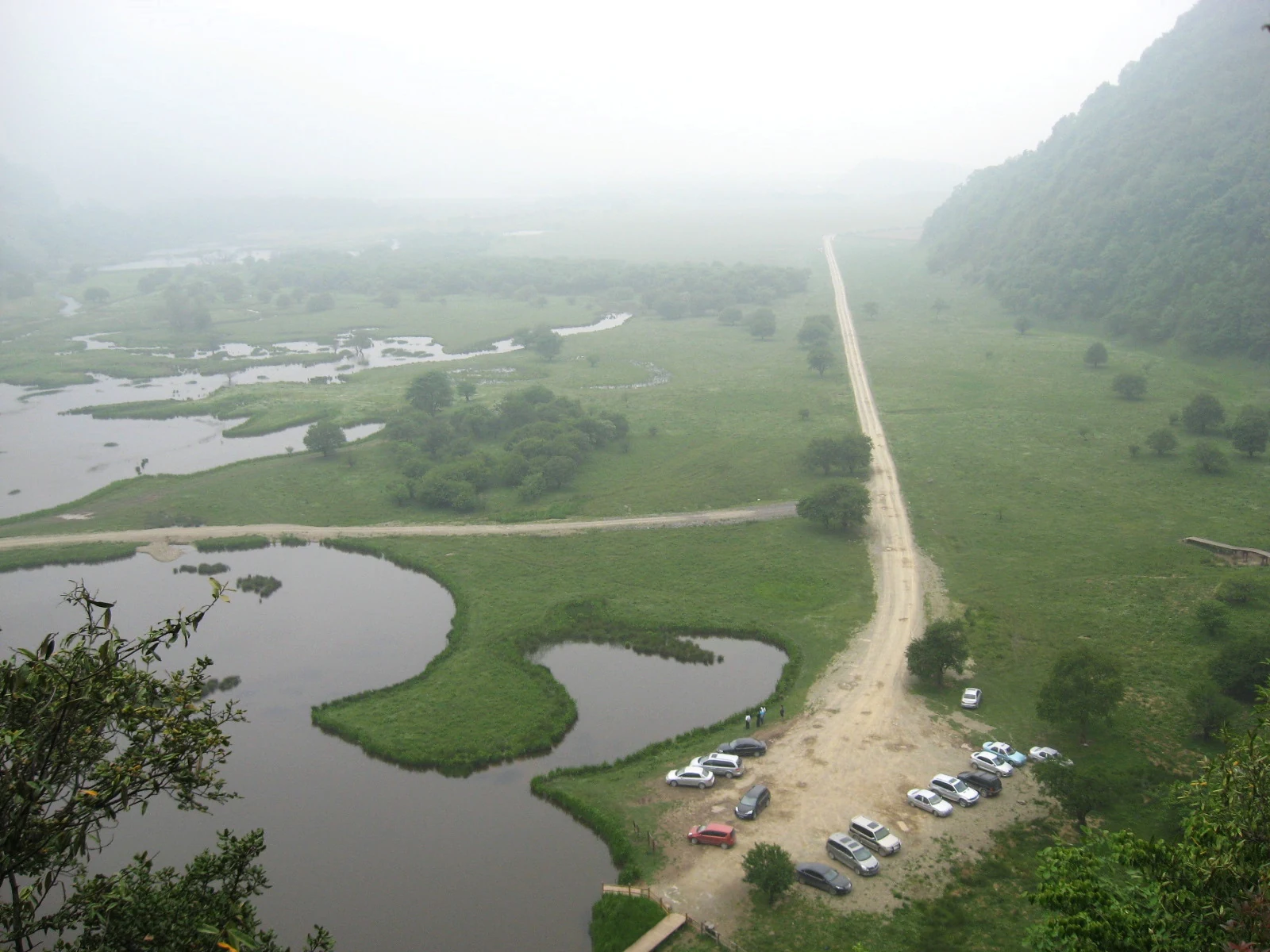
The Hubei Shennongjia World Heritage property includes the Shennongding–Badong and Laojunshan components. It protects important remaining forests in central China and habitats for rare species including the golden snub-nosed monkey. Heritage boundaries, nature reserves and the administrative district each describe a different scale of this mountain country. The value of the forest lies in relationships between habitats, including those that allow animals to move through the landscape.
Reading the mountain vertically
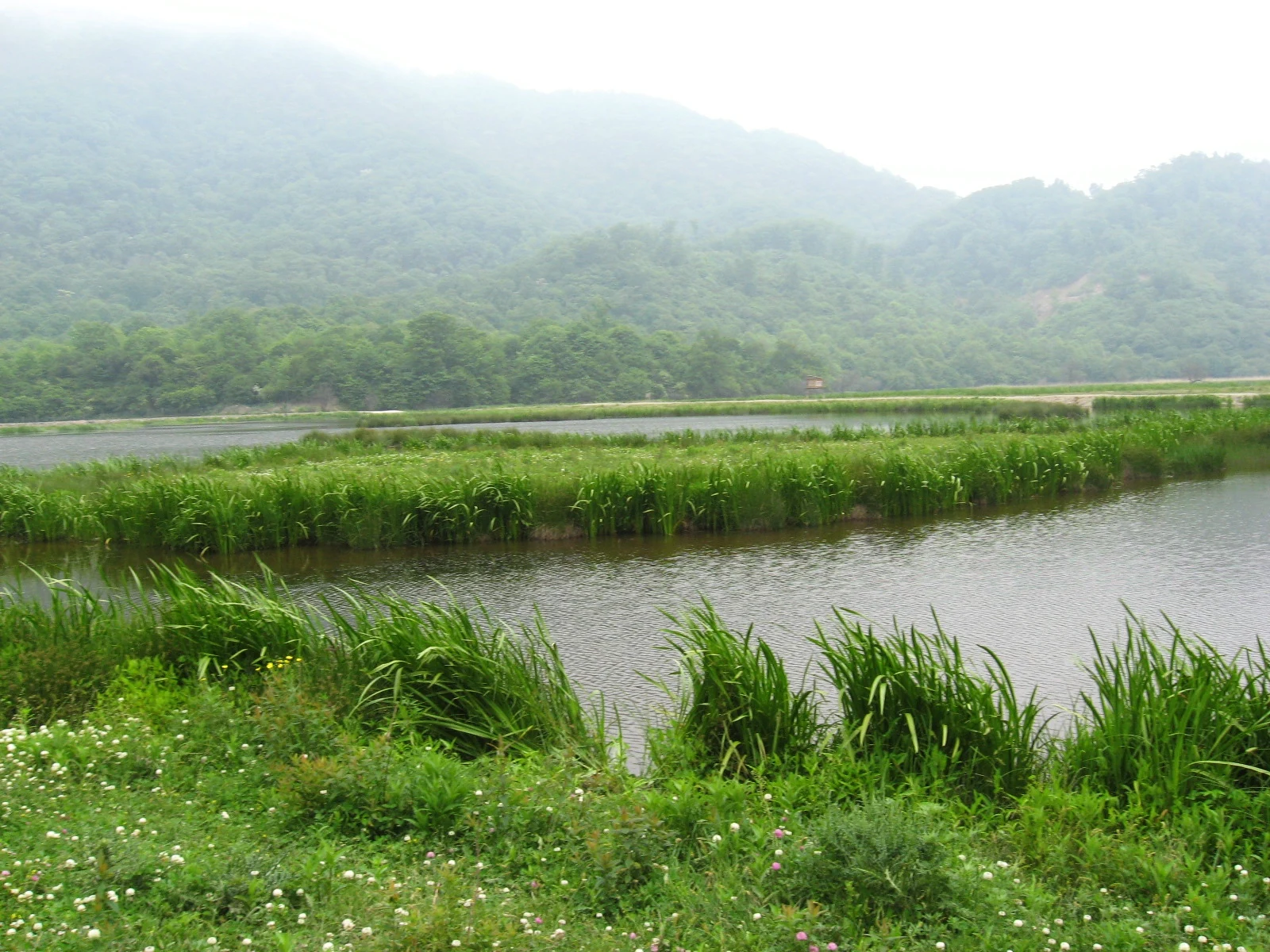
With increasing height, forest types change and give way to higher mountain vegetation. This vertical range is central to Shennongjia’s biological richness. The landscape also attracted botanical research and plant collecting, giving it a place in the history of how plants were described and exchanged. A particular tree or animal can open a wider view of the mountain: a living system whose parts depend on height, climate and the continuity of forest.