Hailun papercut: images shaped by light and family
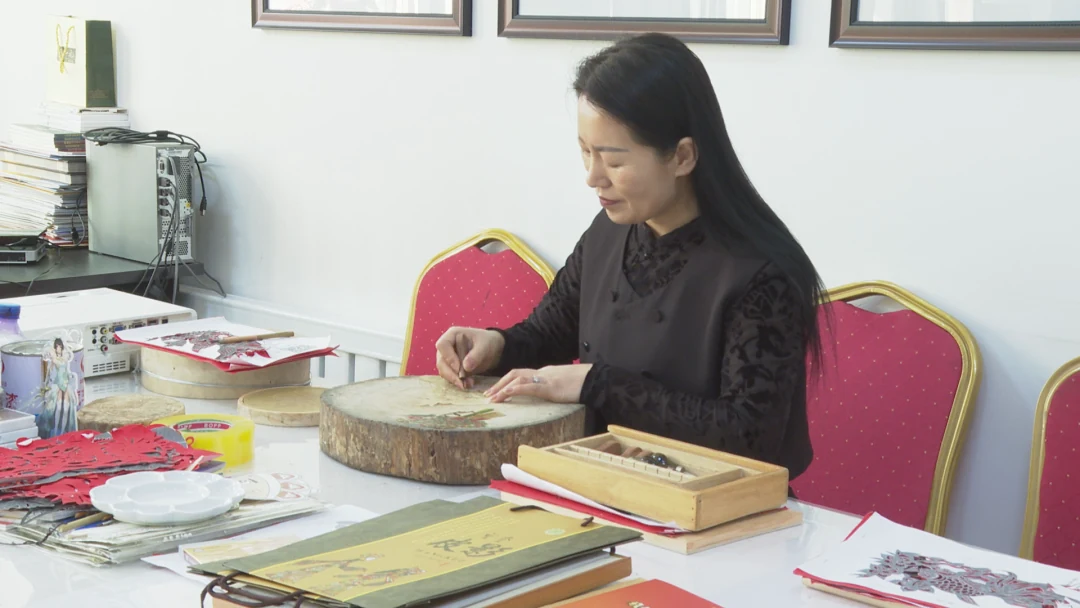
Hailun papercut combines inherited cutting methods with pictorial influences, while museum and workshop records keep the tradition in view.
Suihua is a regional center among black-soil farms and county towns, where agriculture and craft shape everyday life. Paper-cutting in Hailun, pottery in Suileng, festive paper decorations in Lanxi and shadow theatre in Wangkui belong to different communities and materials. The city museum offers a civic setting for these traditions, while the cultivated land remains their broader context.
Hailun papercut combines inherited cutting methods with pictorial influences, while museum and workshop records keep the tradition in view.
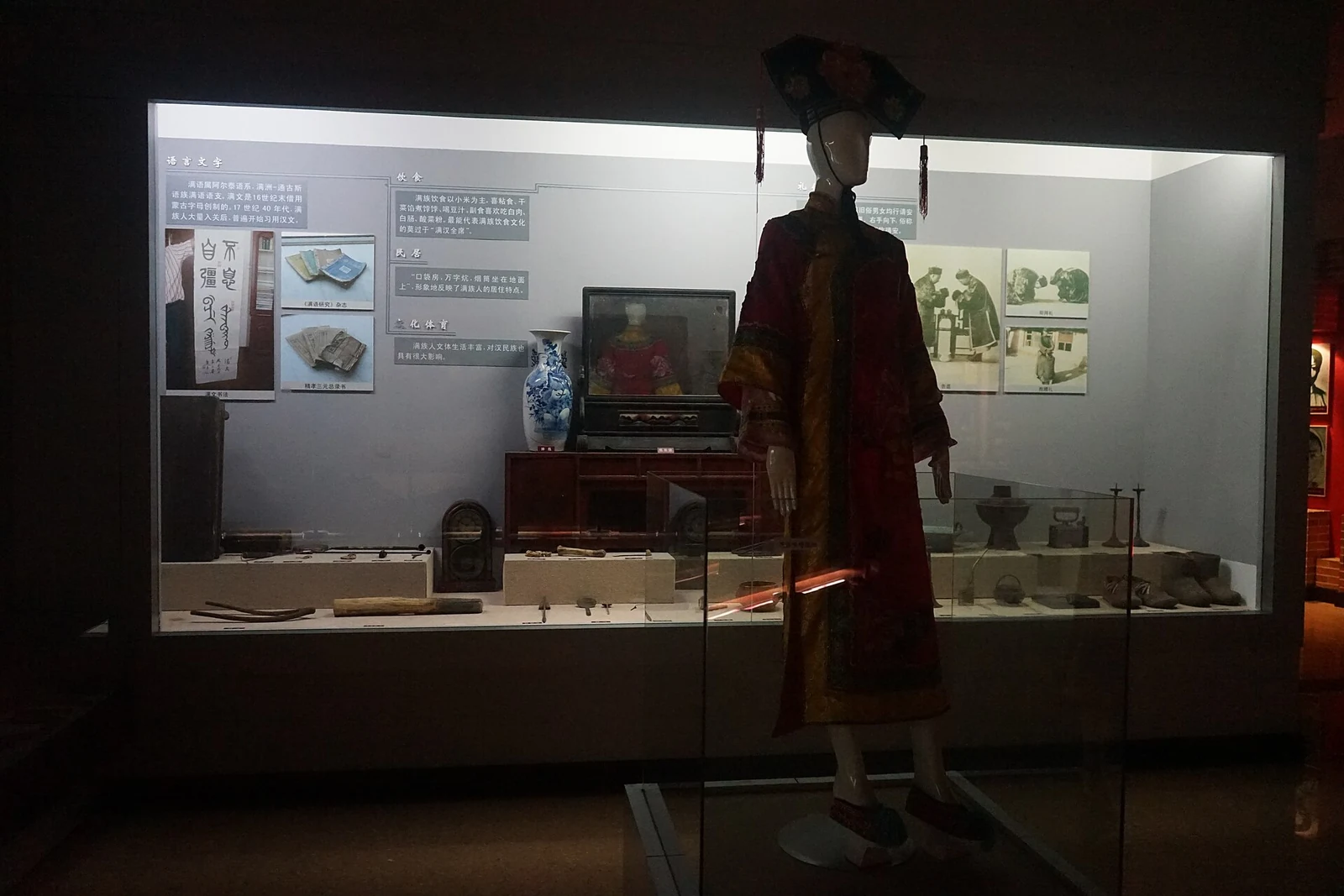
Suihua Museum arranges history, folk culture, black-soil art and county displays across a three-floor permanent exhibition.
ReadLanxi jianqian turns colored paper into a doorway decoration whose cut fringe moves lightly with the air.
Read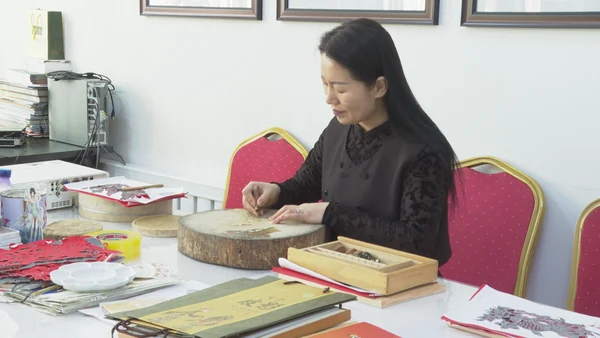
Wangkui shadow theatre began with performers from Laoting in Hebei, then absorbed Northeast song and speech into a regional style known as Jiangbei.
ReadBlack pottery, farmer painting and wood carving belong to separate Suileng practices, each asking viewers to look at material and method on its own terms.
ReadA woodblock tradition that began with Wu Jinchen’s folk New Year prints grew through family teaching, exchange with Beidahuang artists and today’s school print classes.
ReadHui Ji condiment making appears in Zhaodong’s municipal heritage record and the province’s 2024 extension list, giving a local food skill a named place in Heilongjiang’s culinary heritage.
ReadSuihua’s municipal heritage list names Han San copper-pot hotpot technique and assigns Hailun City Cultural Center as its safeguarding body.
ReadHailun’s agricultural identity connects black-earth farming with research on soil protection and crop production.
ReadThe Lin Feng Memorial Museum in Wangkui combines a reconstructed home with exhibits about a political and educational life.
ReadSuihua’s 2022 municipal heritage list names Guandong paper-basket making as a traditional skill from Lanxi and assigns the Lanxi County Cultural Center as its safeguarding body.
ReadSuihua’s heritage list records Han San copper-pot hotpot as a local food tradition, a dish whose meaning begins with the shared table.
Hailun papercut combines inherited cutting methods with pictorial influences, while museum and workshop records keep the tradition in view.
Lanxi jianqian turns colored paper into a doorway decoration whose cut fringe moves lightly with the air.
A woven paper-container tradition rooted in everyday household use.
The Lin Feng Memorial Museum in Wangkui combines a reconstructed home with exhibits about a political and educational life.
Suihua Museum places Qing’an prints among the region’s visual arts, where the printed mark can be read beside other local images.
Hailun’s black-soil landscape connects agriculture with local memory and museum interpretation.
Suihua Museum arranges history, folk culture, black-soil art and county displays across a three-floor permanent exhibition.
Black pottery, farmer painting and wood carving belong to separate Suileng practices, each asking viewers to look at material and method on its own terms.
Wangkui’s Jiangbei school of shadow theatre survives through performance, carving and the work of local teachers and students.
Huiji dipping sauce is recognized in Zhaodong’s municipal heritage list as a local food tradition.