A Suihua newspaper history traces Wangkui shadow theatre to performers from Laoting County in Hebei who taught the art locally about 140 years before the 2023 account. Early troupes imitated Laoting practice. Over time, Wangkui artists developed their own figures, scenery, carving and color, while their speech and singing took on the sound of the cold-soil Northeast. This blend became known as the Jiangbei school.
From the journal
Wangkui shadow theatre: from Laoting lineage to Jiangbei style
Wangkui shadow theatre began with performers from Laoting in Hebei, then absorbed Northeast song and speech into a regional style known as Jiangbei.
In the same city · Suihua ↗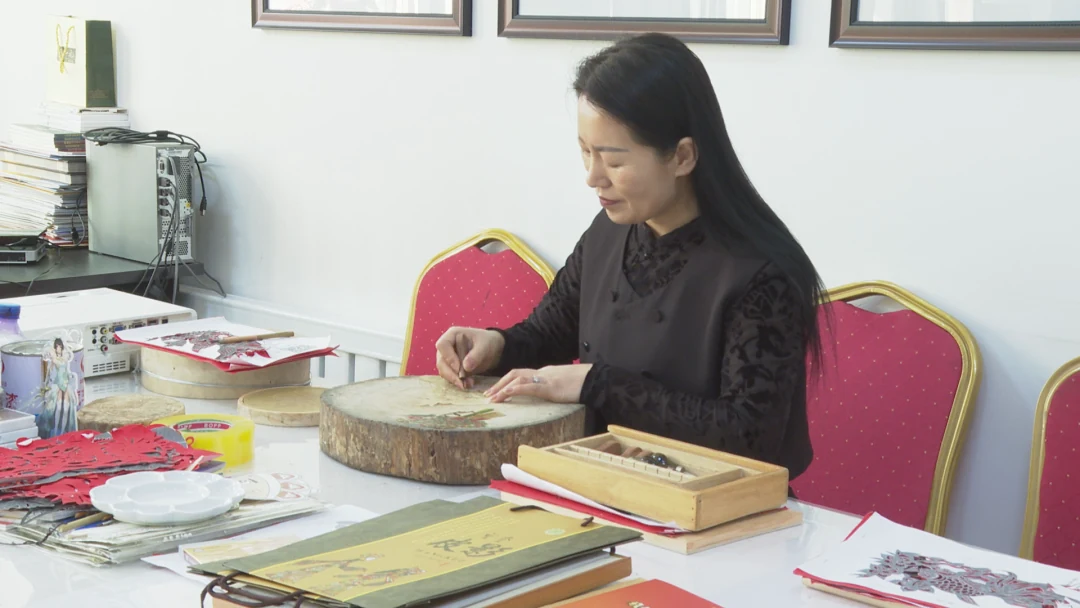
A route from Laoting to Wangkui
A figure prepared for the screen
The figures begin as animal hide. A provincial culture report describes a sequence of soaking and pressing the hide, drying and polishing it until it becomes firm and translucent, then transferring a drawing, carving it with a knife and adding color. Behind a lit screen, the flat figure becomes an actor through the puppeteer’s fingers; instruments and sung narration complete the performance. The material preparation and the performance are linked: a hide has to hold a clean cut and transmit light before it can move across the cloth.
A repertoire still changing
Wangkui’s repertoire has also taken in neighboring forms. In 2015, the troupe combined shadow theatre with the Hezhe epic tradition Imanak in the new play Xiwun Morigen, which won a national Golden Lion award for best production. The work brought two Heilongjiang traditions together onstage, extending Wangkui’s repertoire through a specific collaboration.