Amuta and the public image of Mongolian culture
The 2024 tourism itinerary places Amuta within Dulbert’s Mongolian cultural landscape, naming long song, morin khuur and Andai dance alongside the island destination.
Daqing grew rapidly with the oilfield, and drilling infrastructure remains visible in its museums, public landmarks and working landscapes. The city also sits beside wetlands and the rural lakes and grasslands of Dorbod, where fishing and Mongolian cultural life have their own history. Oil explains much of Daqing’s modern growth, but water and rural life broaden the picture.
The 2024 tourism itinerary places Amuta within Dulbert’s Mongolian cultural landscape, naming long song, morin khuur and Andai dance alongside the island destination.
Lianhuan Lake’s fishery company traces its operation to 1958; its profile records a transition from provincial state fishery to county enterprise and later shareholding company.
ReadDrilled in 1959 on the Songliao Plain, Songji No. 3 reached 1,461.76 metres and became the discovery well that led to the Gaotaizi field.
Read
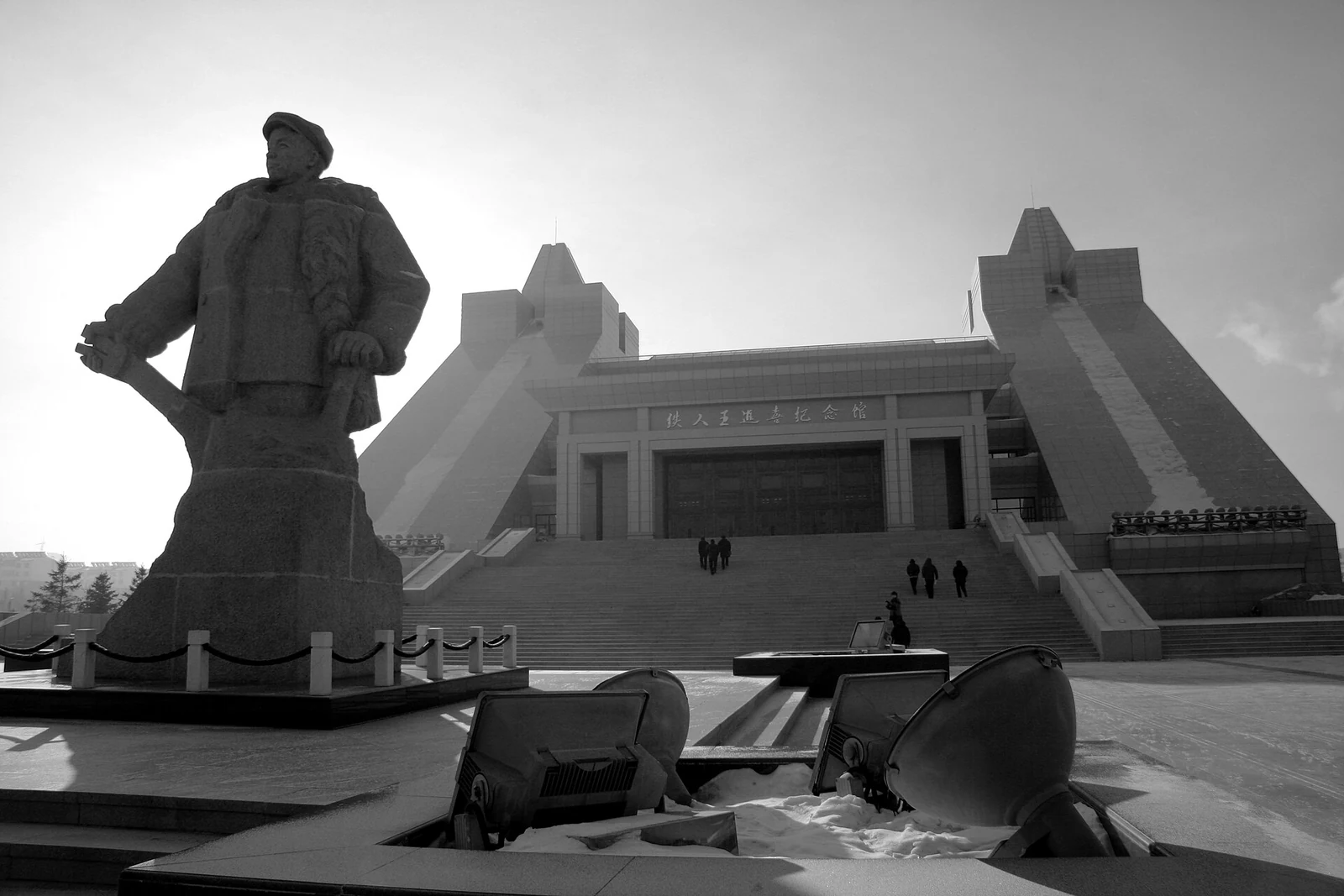
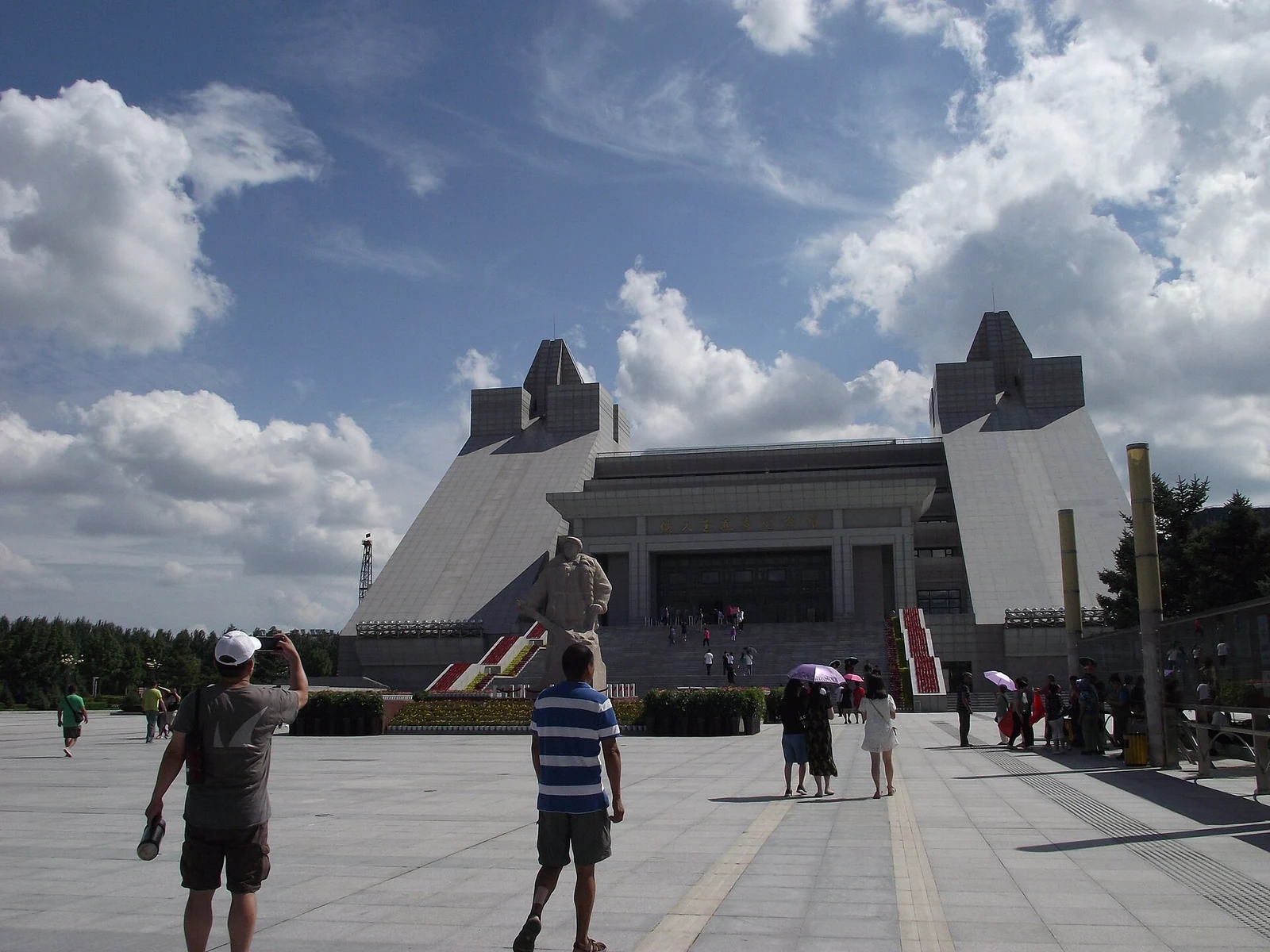
From Yumen driller to leader of Daqing’s 1205 team, Wang Jinxi helped move a 60-tonne rig by hand and drove the crew through its first wells.
ReadA research paper traces Daqing’s shale-oil search from the 1981 Ying12 discovery to the 2019 trial result at Guye Youping-1.
Read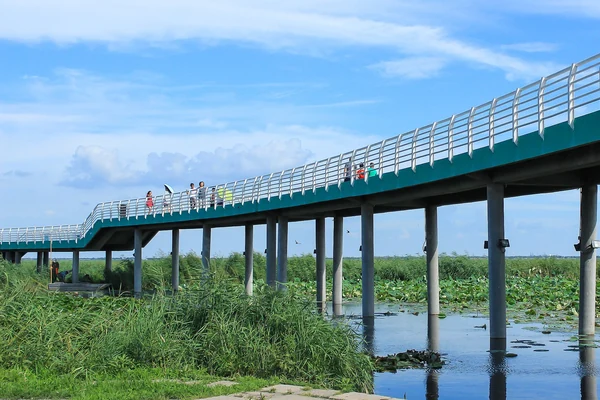
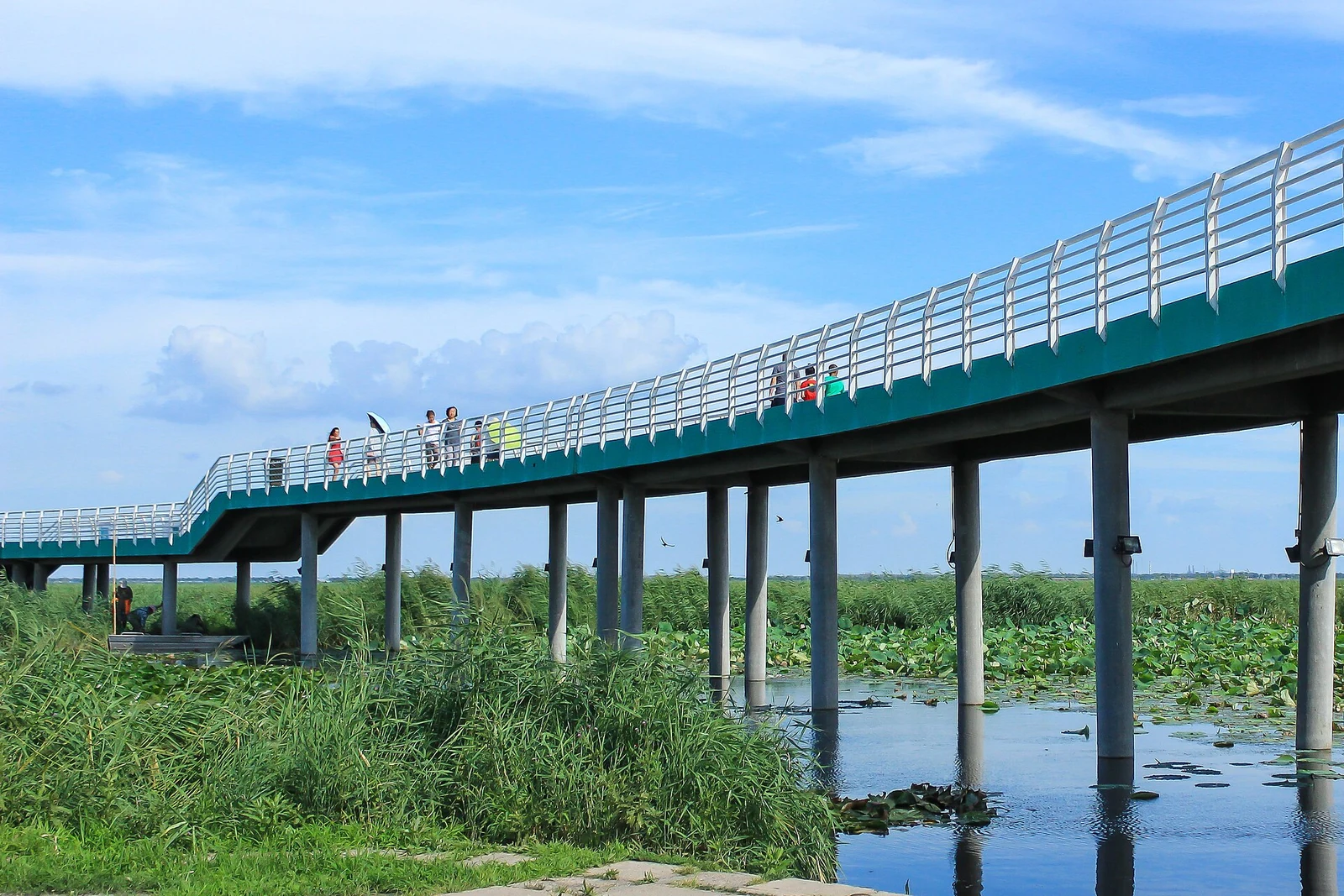
A 2024 restoration project along Daqing’s East No. 2 drainage channel combined a water-purification wetland, ecological banks and habitat work at Beiershili Pao.
ReadAmuta’s island setting is part of Dorbod’s lakes, villages and grassland.
Lianhuan Lake is part of Dorbod’s water country, where winter fishing connects a seasonal landscape with local work and public celebration.
Longfeng Wetland sits at Daqing’s urban edge, where water management and habitat protection shape the landscape.
Daqing’s commemorated wells bring oilfield infrastructure into the city’s public landscape.
Daqing’s oilfield history exhibition connects discovery with the material traces of drilling.
The Wang Jinxi memorial landscape connects public memory with early oilfield work at Sa-55.