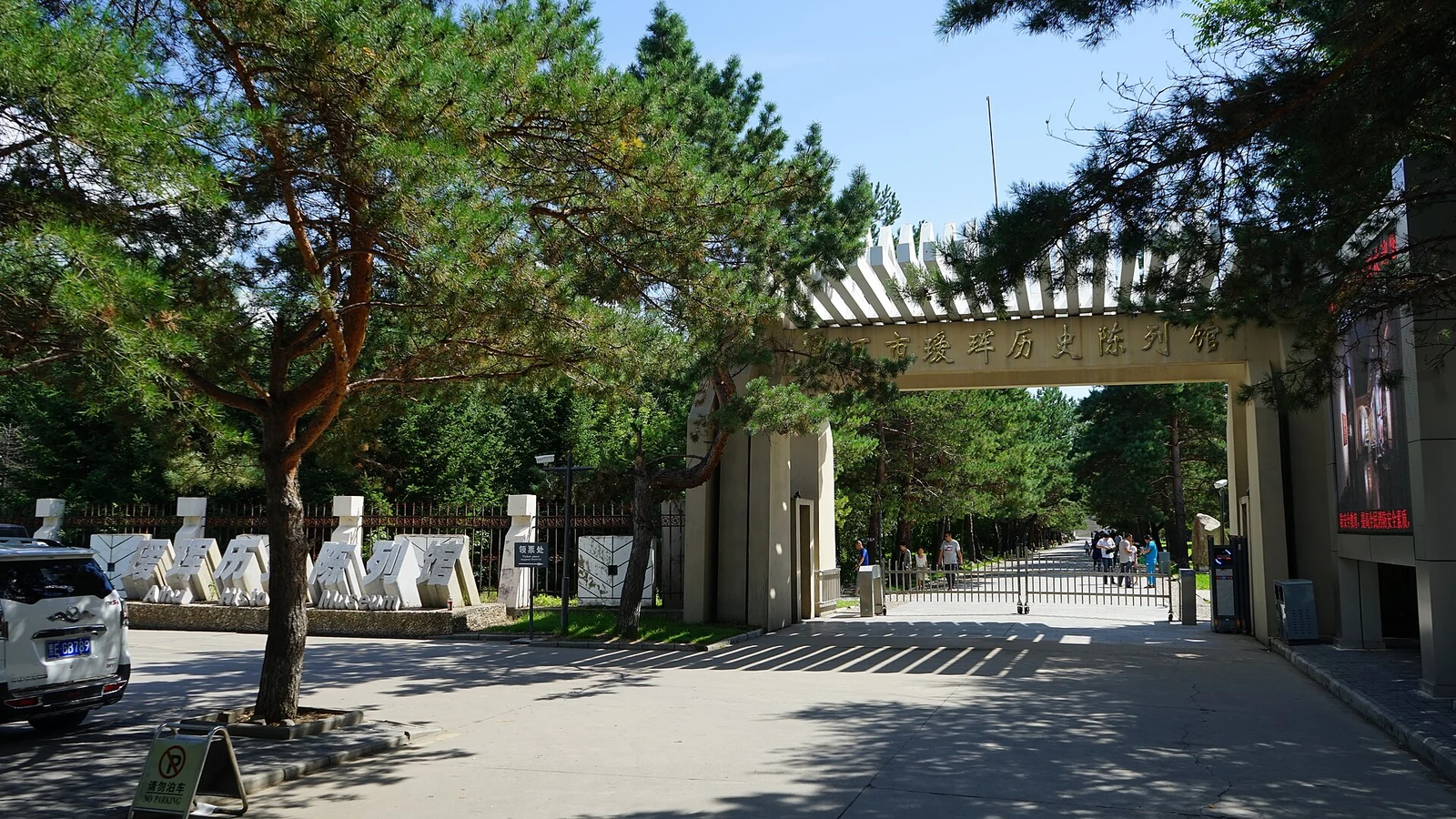
Inside the protected Aigun New City site, a museum brings the changing Chinese–Russian river border into focus through the historic setting and its exhibitions.
Read ↗ 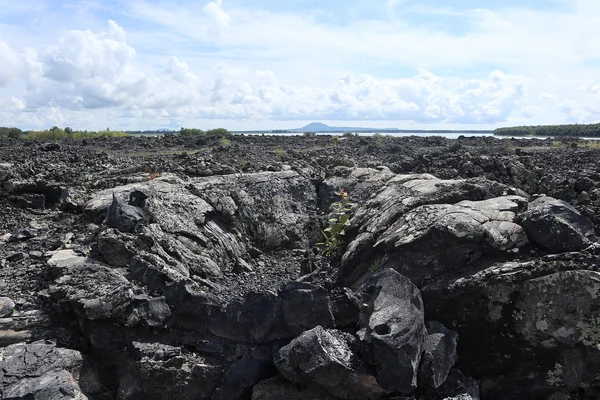
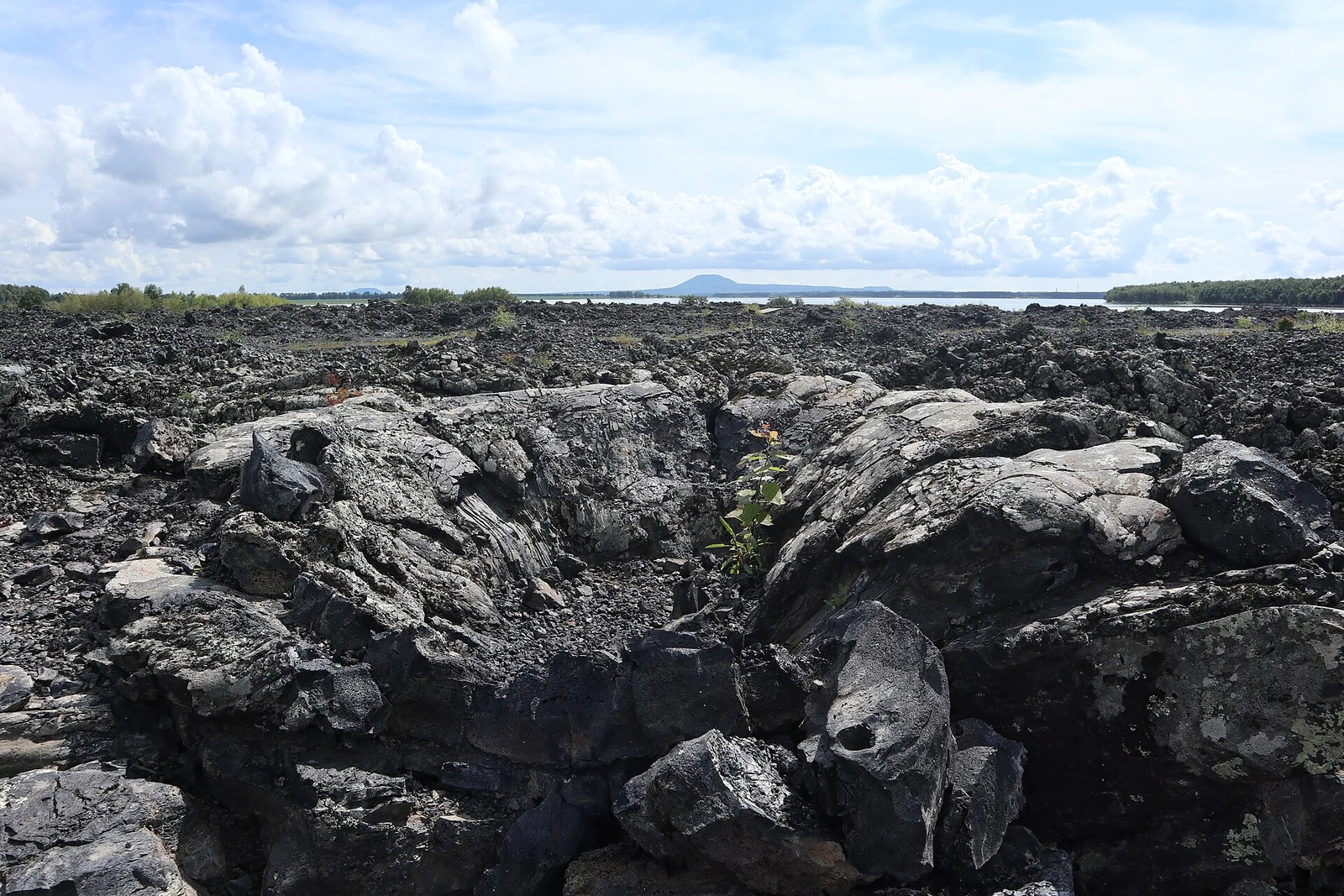
At Wudalianchi, eruptions built two cones and dammed a chain of five lakes. Lava surfaces and Manchu-language observation reports preserve different records of the same changing landscape.
Read ↗ Around Duanwu, Wudalianchi’s springs become the setting for offerings, midnight water collection, music and lantern gatherings—a festival shared by several local communities.
Read ↗ At Xinxing Oroqen Ethnic Township in Xunke, Gurun Muta has developed into a recurring public festival that brings together heritage performance, sports and community gathering. Its present form connects cultural transmission with contemporary village life.
Read ↗ In Xunke, red agate is linked to the Ayan River area and to a craft economy built around selecting, cutting and carving stone. Museums, public displays and awards have helped turn a local material into a recognizable county identity.
Read ↗ 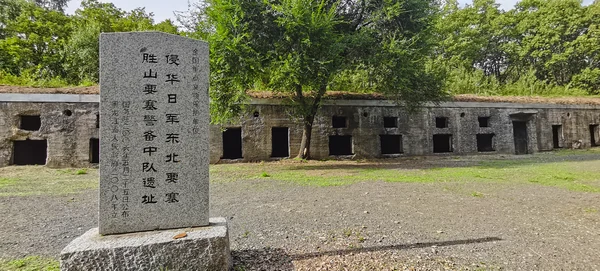
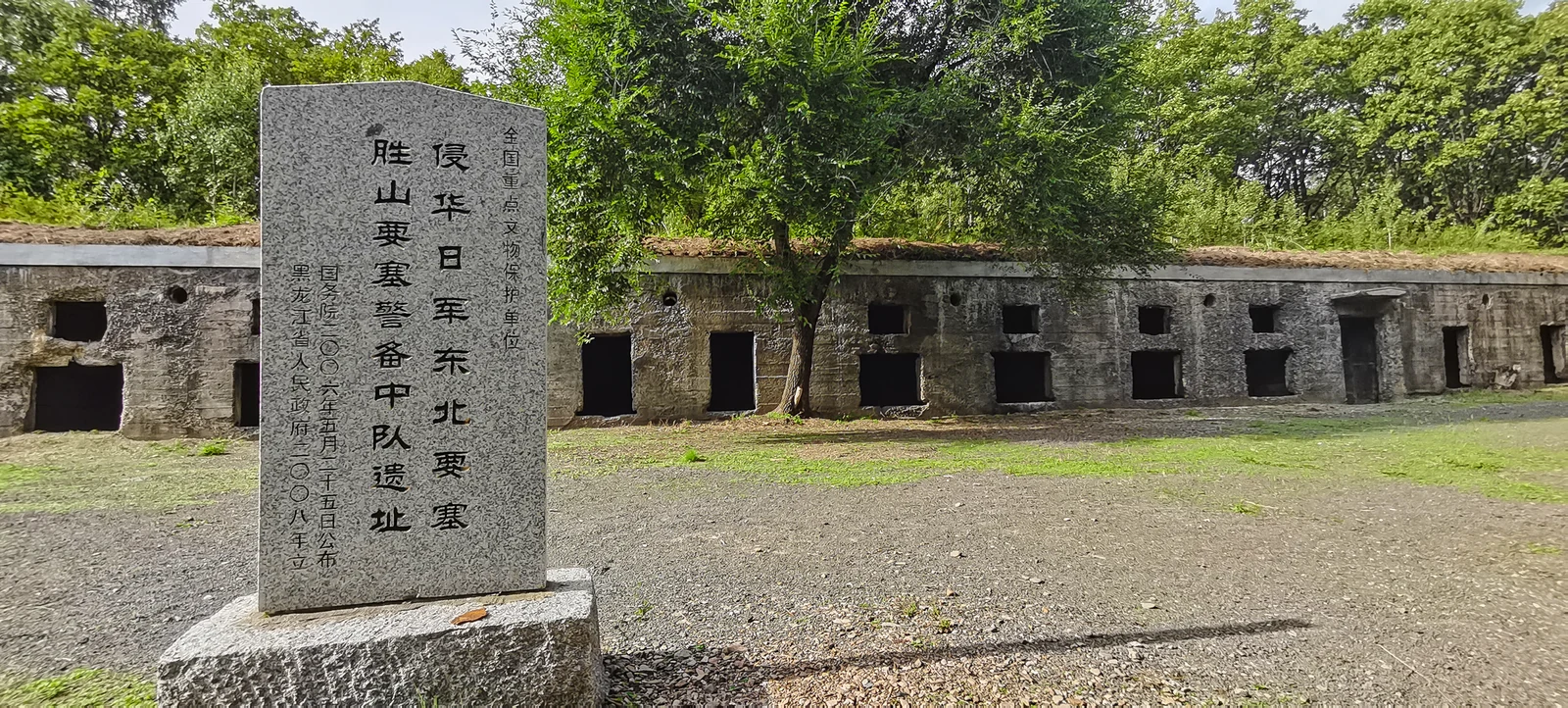
Shengshan Fortress is a surviving military landscape associated with Japan’s invasion and occupation of northeast China. Its underground structures and defensive works should be read through documented chronology and evidence, with the history of aggression kept clear.
Read ↗ The Mergen Ancient Road and Post Station Museum traces how courier routes and relay stations connected Nenjiang to wider political and administrative networks. Its collections bring together archaeological finds, documents and objects from many periods.
Read ↗