At Ang’angxi, a Museum Built Around an Ancient Shoreline
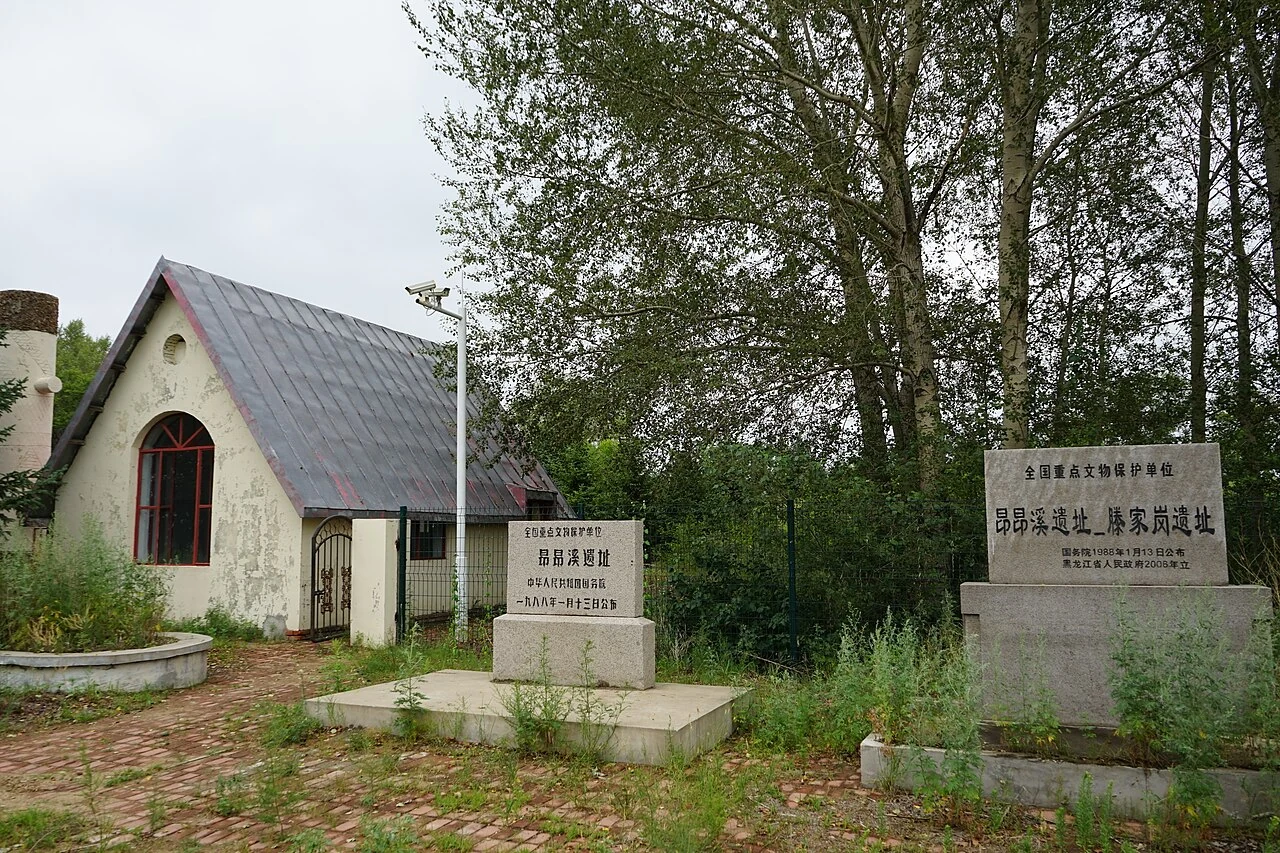
The Ang’angxi Site Museum stands beside a landscape known for prehistoric fishing and hunting; its collections and the nearby Tengjiagang site tell related but distinct archaeological stories.
Qiqihar stands on the Nenjiang side of the Songnen Plain, where wetland water and reed beds change with the seasons. The city’s parks and historic mosques hold civic and religious histories, while Daur song and storytelling remain part of community life in Meilisi. Marsh, river and neighborhood give the city a rhythm tied to both landscape and people.
The Ang’angxi Site Museum stands beside a landscape known for prehistoric fishing and hunting; its collections and the nearby Tengjiagang site tell related but distinct archaeological stories.
The 2020 municipal account describes Rosia Street as a 1,451-metre town spine, with the station dividing a southern residential quarter from a northern cluster of 117 Russian-style railway buildings.
Read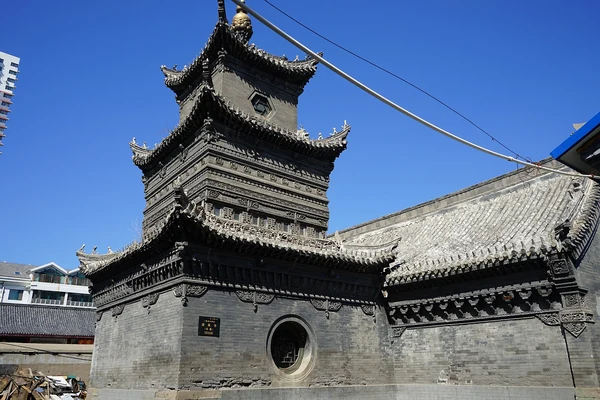
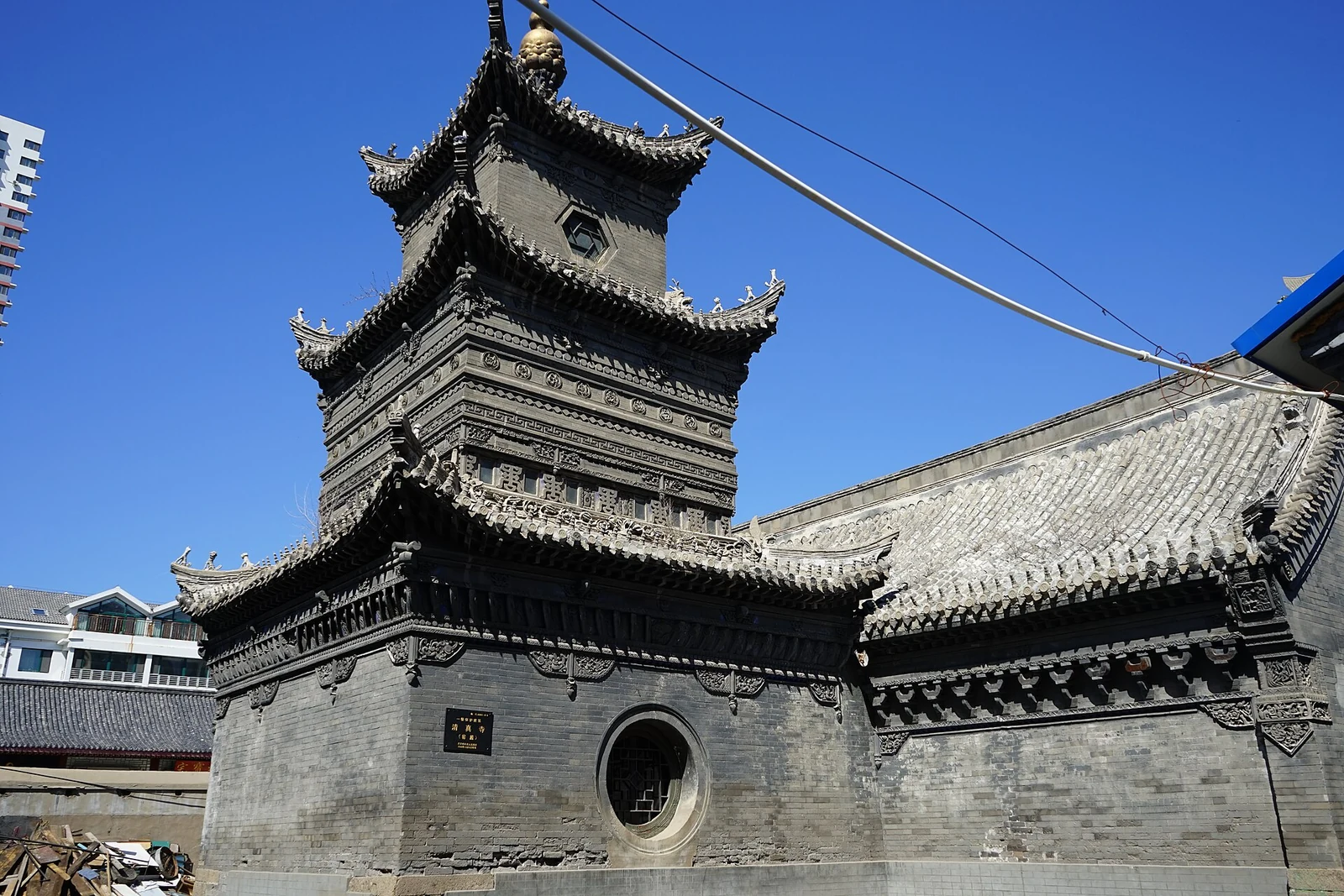
A 1684 gazetteer entry records a small mosque near Bukui village; today’s provincial protection boundary includes its courtyard and a 15-metre margin beyond the wall.
Read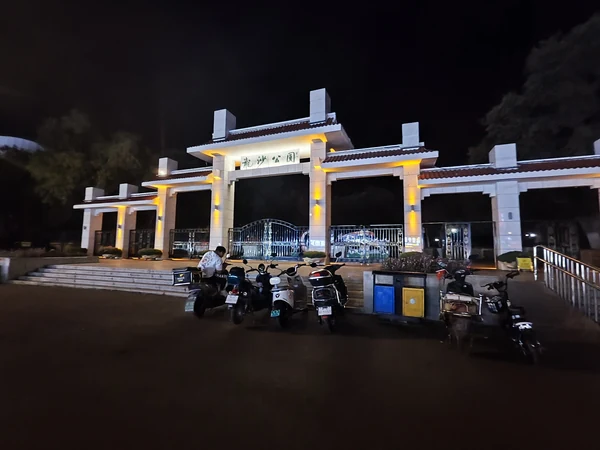
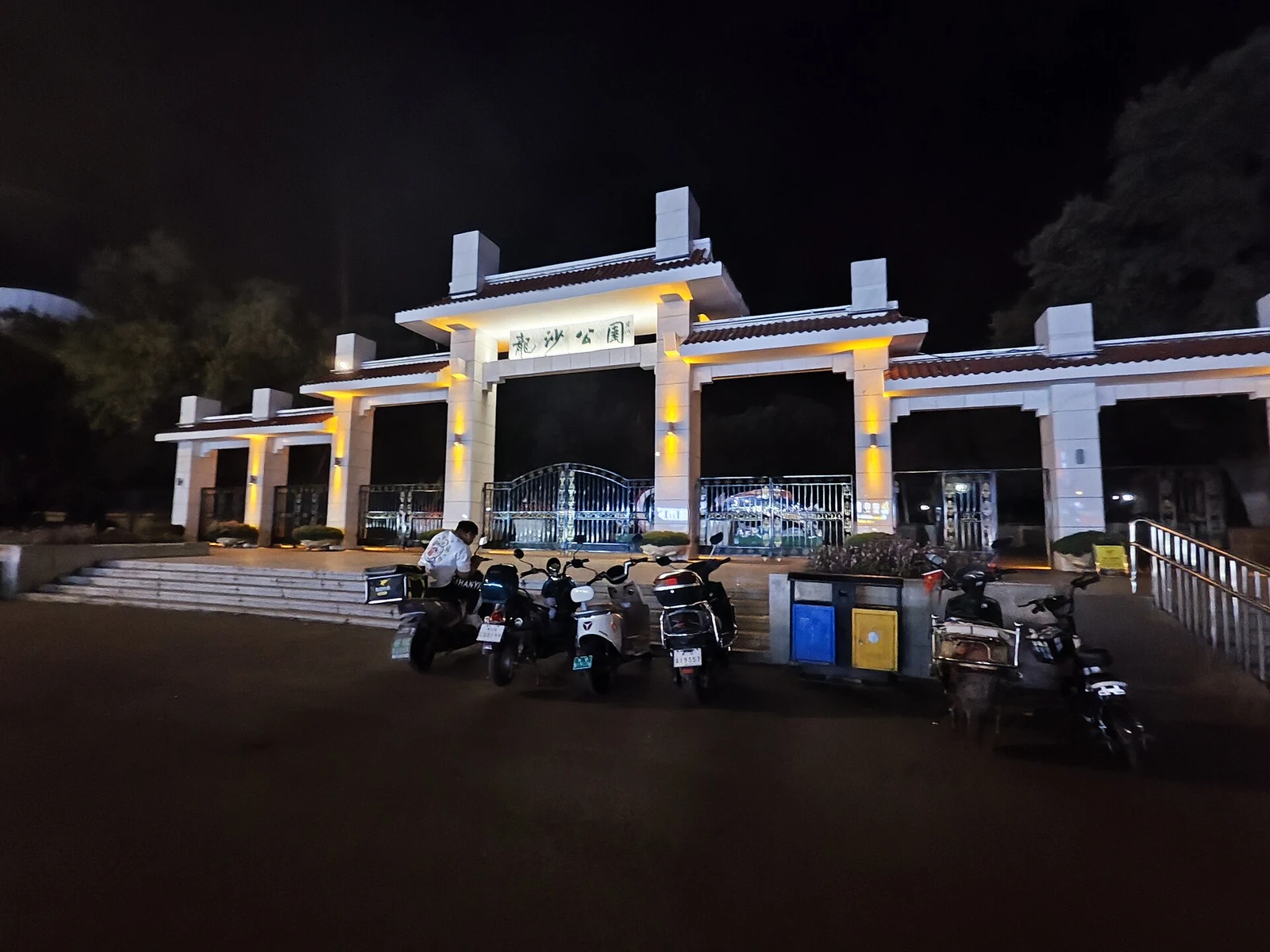
Cangxi Park opened in 1907 and took the name Longsha Park in 1917; Wangjiang Tower began as a hilltop pavilion beside Labor Lake.
ReadAt Nianzishan, a 9.77-kilometre section of the Jin border works includes 54 rampart platforms, three beacon towers and two forts across a frontier landscape.
Read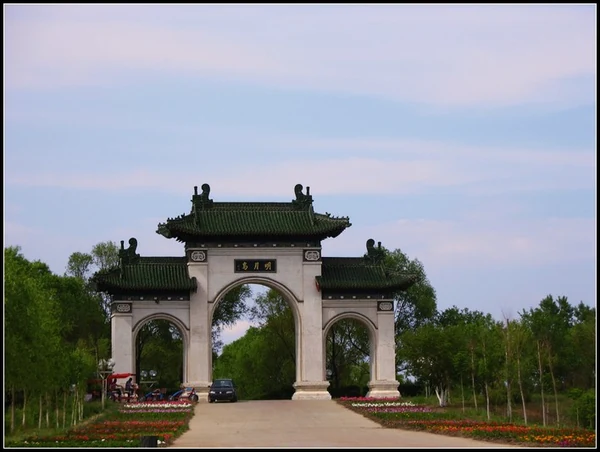
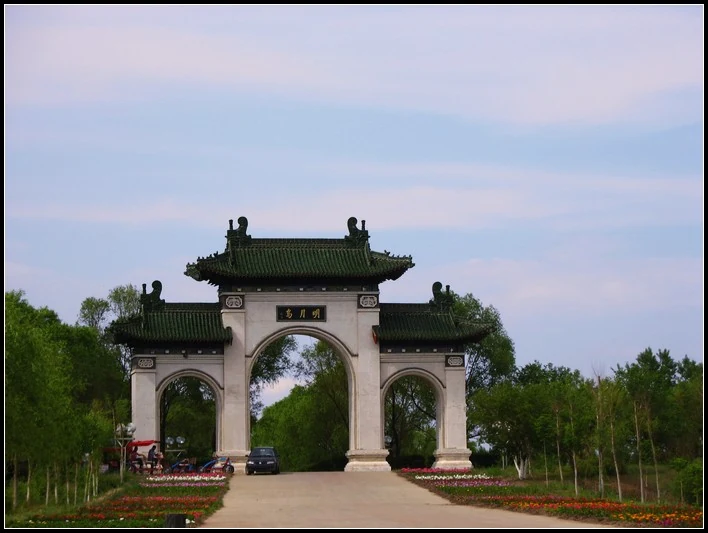
Four temples built in a diamond arrangement in 1925 formed Wanshou Temple; in 1981 Qiqihar turned the river island around it into a scenic area later named Mingyue Island.
Read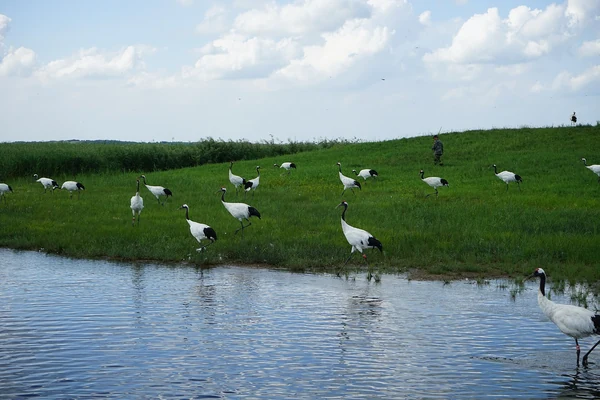
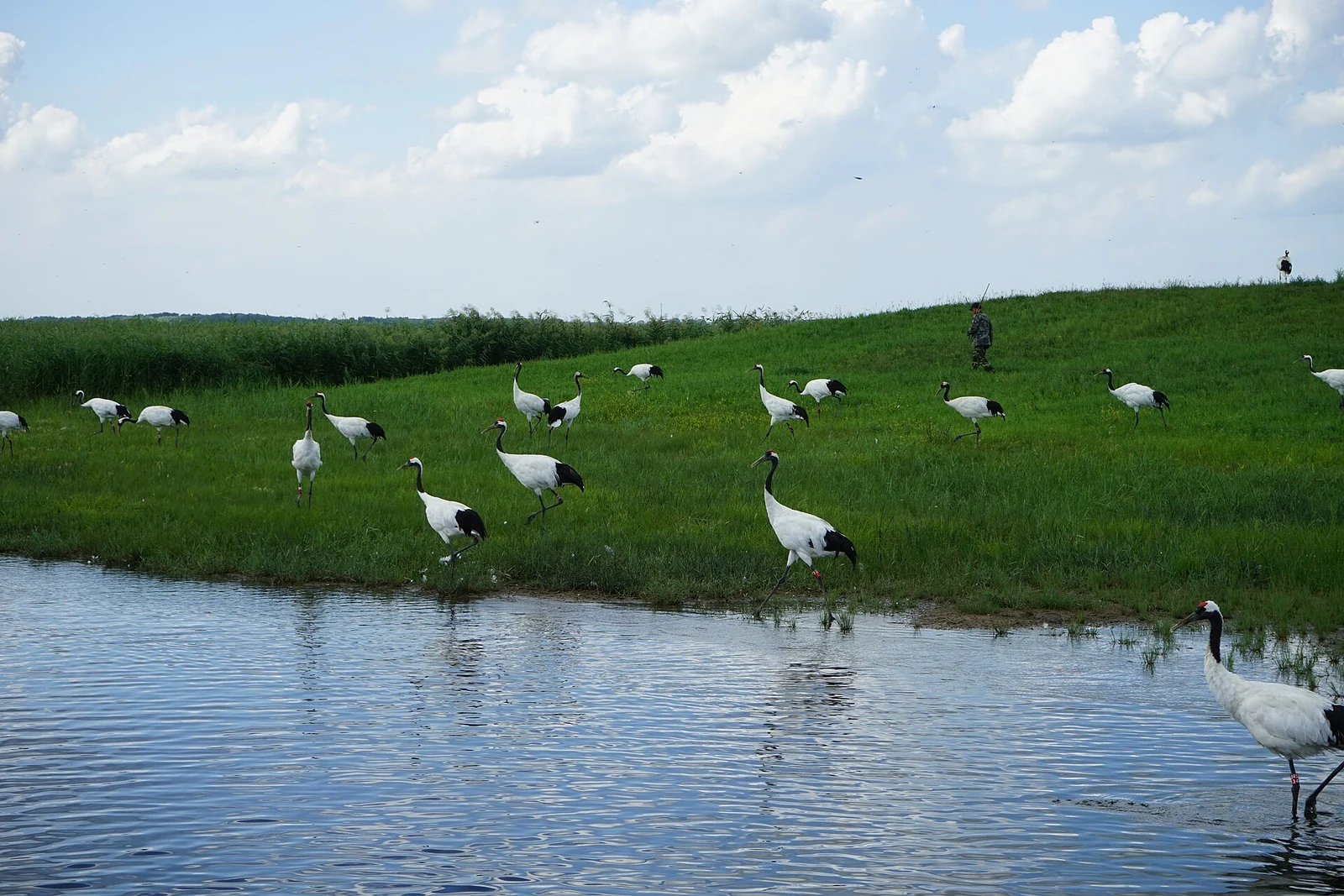
Zhalong’s reed marshes and water channels form breeding and resting habitat for waterbirds, while its public learning area introduces visitors to wetland ecology.
ReadUchin storytelling and Haku Maile song-dance are separate Daur traditions shared through community teaching and public performance.
ReadA 2026 Kumule festival brought a Hanika paper-cutting experience to Hala New Village, connecting a children’s figure with public cultural teaching in Meilisi.
ReadMeilisi carries Daur storytelling and song through community teaching and public performance.
Rosia Street grew as a railway town spine around the Chinese Eastern Railway station in Angangxi.
The Angangxi archaeological site preserves a prehistoric story of fishing and hunting along the Nenjiang.
Bukui Mosque began in 1684 and grew into two neighboring mosques as Muslim communities developed in Qiqihar.
Longsha Park began as a public garden in 1907, with Wangjiang Tower as one of its defining landmarks.
Mingyue Island is a Nenjiang river island whose history includes Wanshou Temple and a small railway.
The Jin frontier remains at Nianzishan include ramparts, beacon towers and forts across a 9.77-kilometre section.
Zhalong’s reed marshes and shallow channels form habitat for waterbirds and a landscape of seasonal change.