Qiqihar
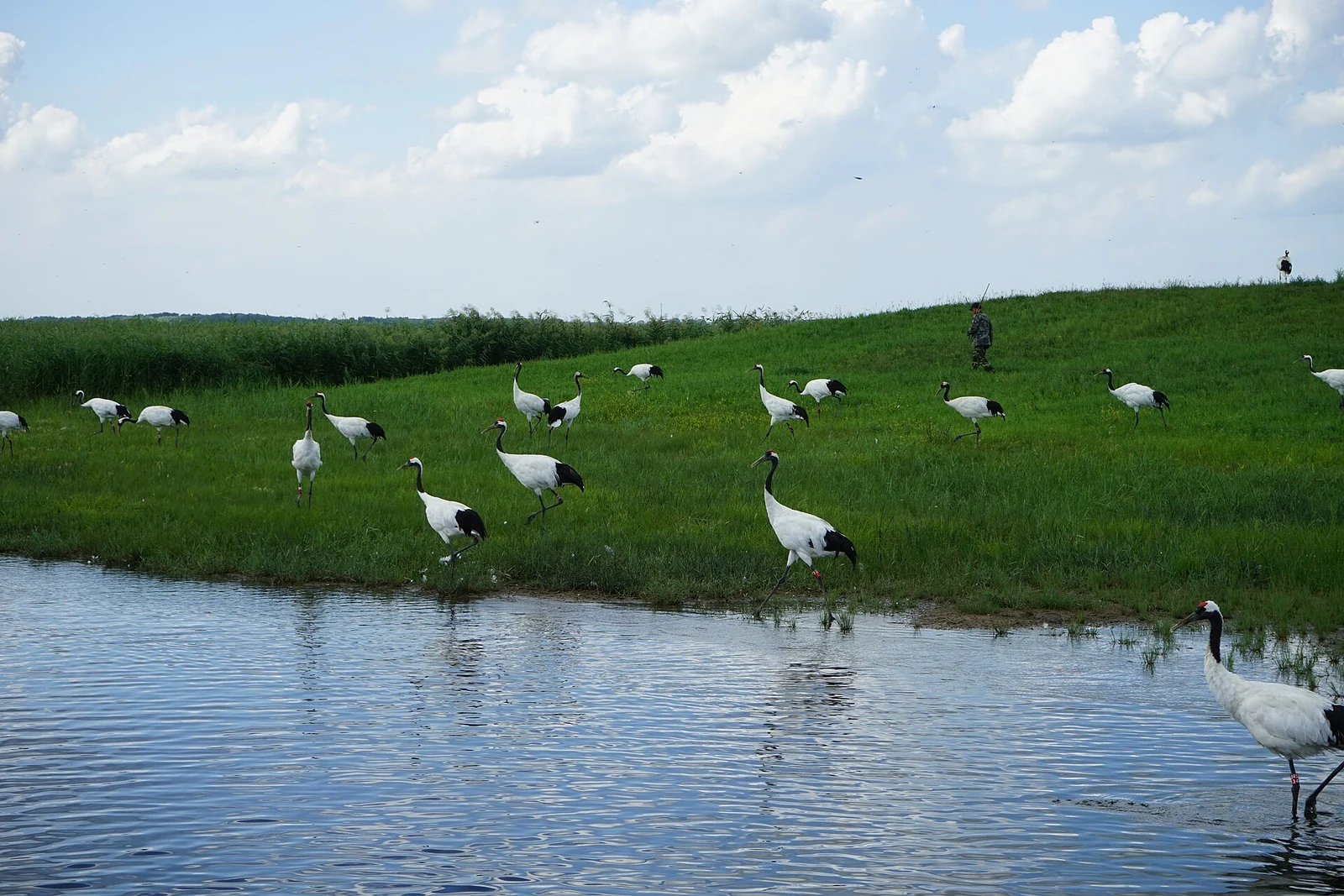
Zhalong Wetland
Reeds, shallow pools and open marsh support a crane habitat on the Songnen Plain, where water changes the landscape through the seasons.
Rivers, forests and the work of winter
Along the rivers of the far northeast
On Harbin's streets, stone paving and concert music sit beside the winter work of cutting river ice. Farther out, the Nen wetlands, red-pine woods and volcanic lakes open different landscapes. Hezhen storytellers, Daur performers, paper cutters and shadow-puppet makers carry local histories through voice and material. Follow the rivers and the work around them, from the Sanjiang Plain to the larch forests of the far north.
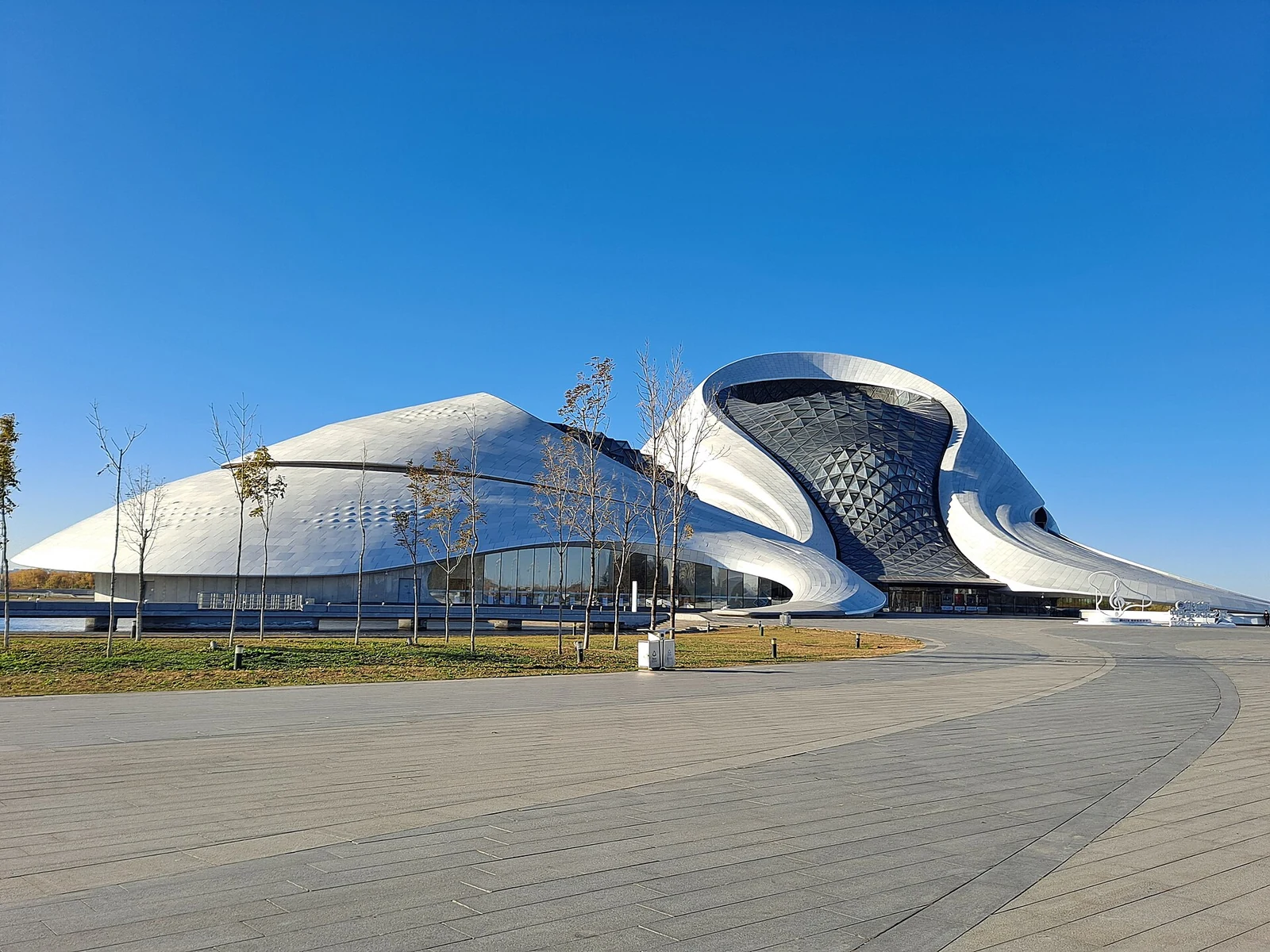
Harbin Grand Theatre
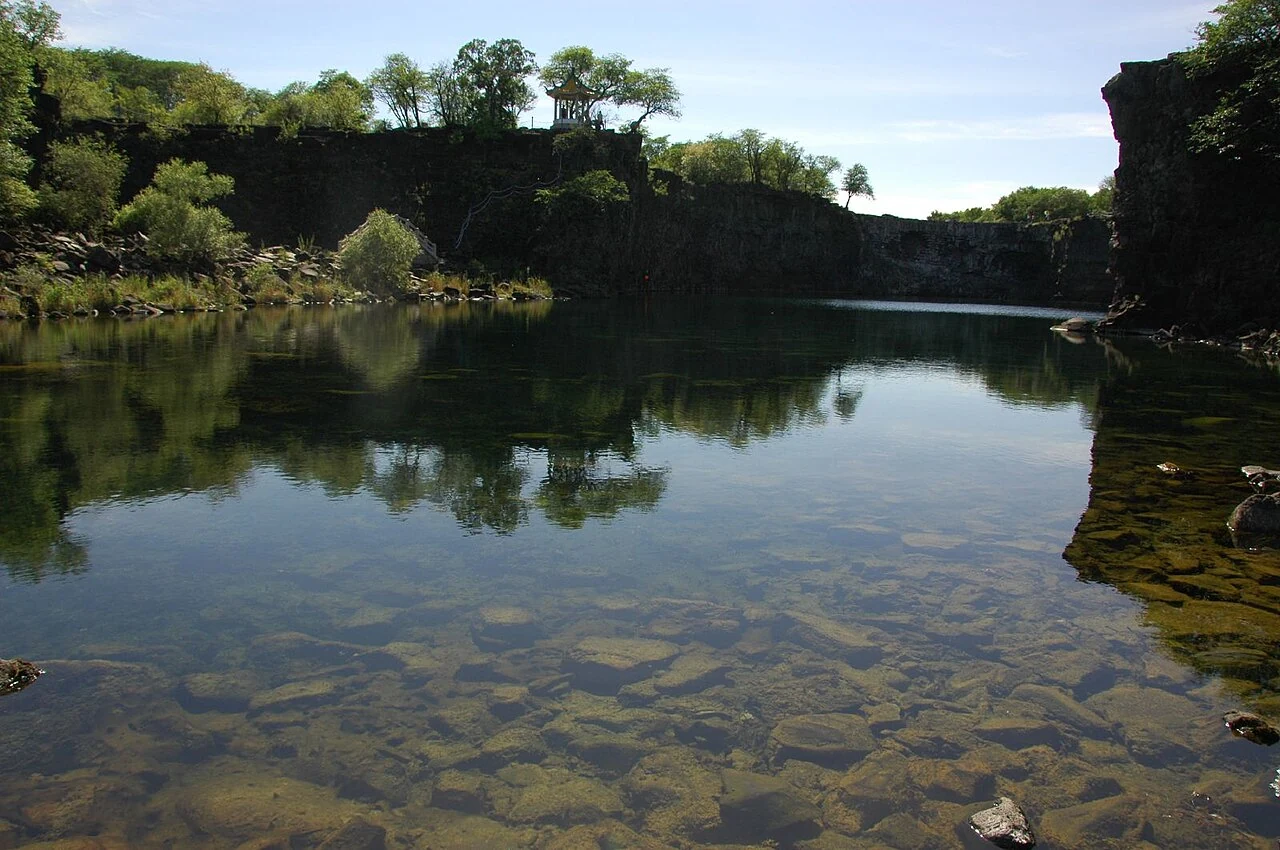
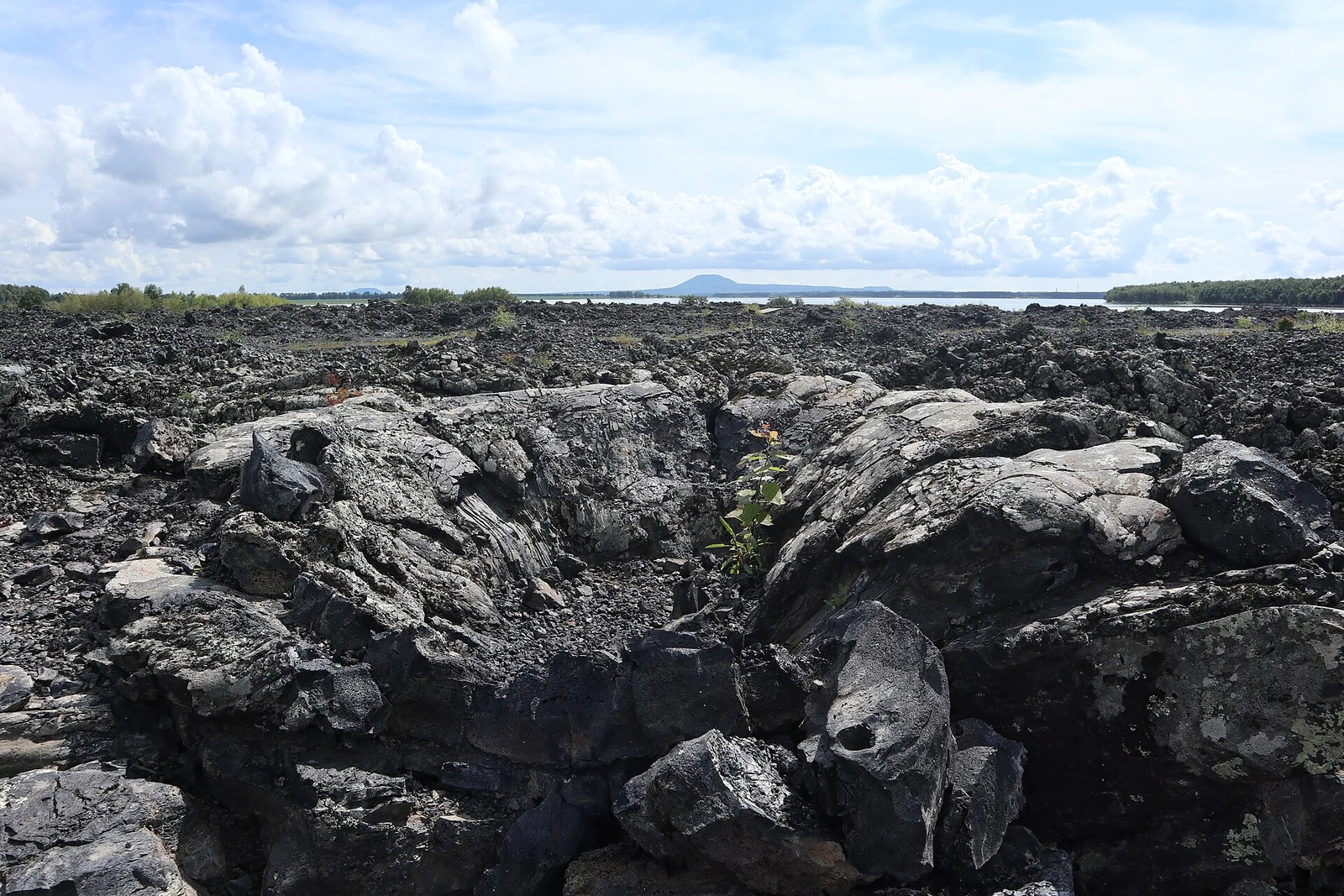
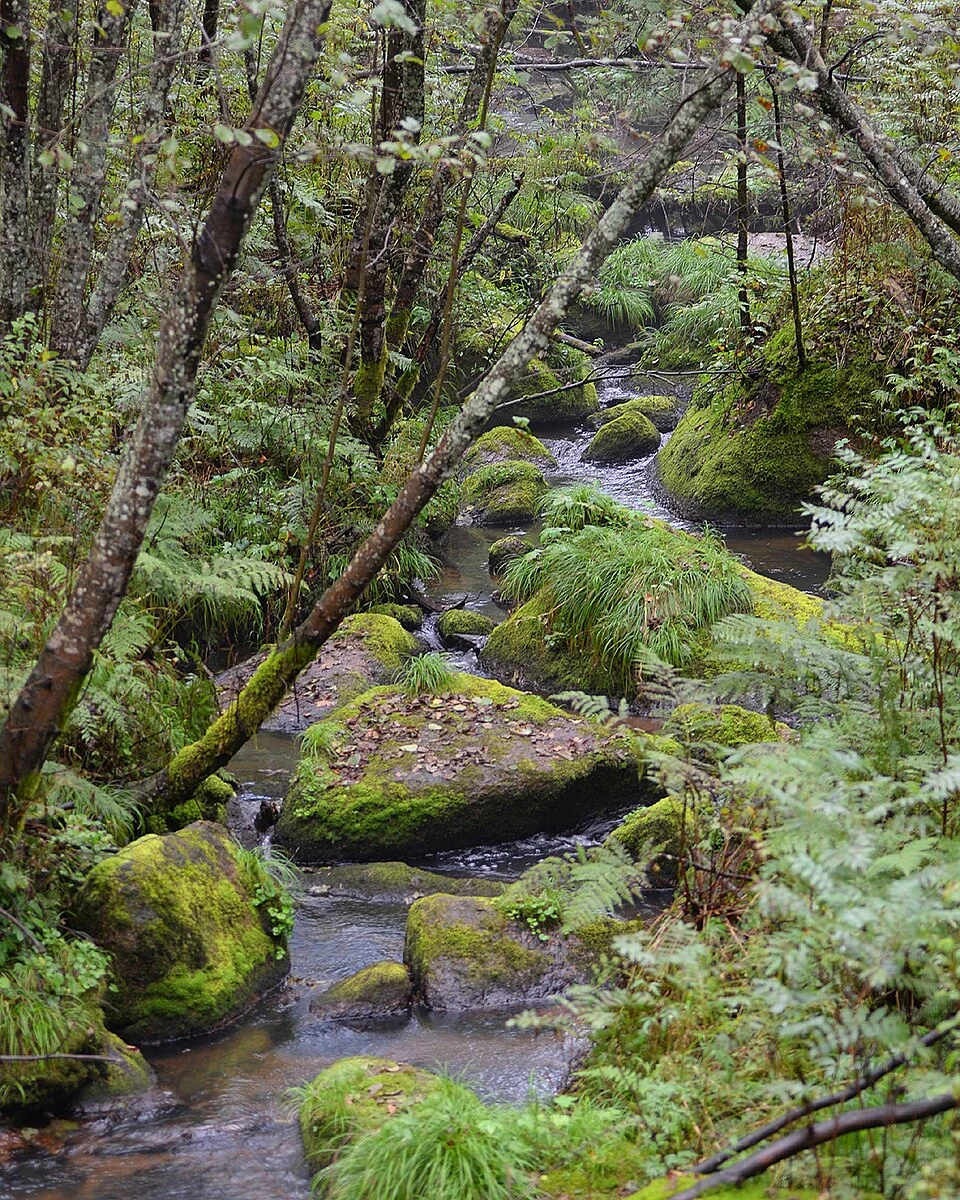
Reed marsh, lava-dammed lake, volcanic field and mixed forest: four landscapes shaped by water, rock and trees.
Qiqihar
Reeds, shallow pools and open marsh support a crane habitat on the Songnen Plain, where water changes the landscape through the seasons.
Mudanjiang
Lava interrupted the Mudan River and water gathered behind it. Lake and waterfall belong to one geological landscape.
Heihe
Dark flows, cinder cones and five connected lakes preserve the footprint of eruptions also recorded in Manchu-language observations.
Yichun, Heilongjiang
Korean pine grows with broad-leaved trees in the Lesser Khingan. The living forest connects forestry history with conservation.
Look at work up close: river ice, fish skin, a shadow figure, a skating blade and a crisp slice from the frying pan.
From the journal
Harvest, inspection, construction and lighting turn blocks cut from the Songhua River into temporary architecture.
From the journal
At Jiejinkou, fish-skin making links Hezhen material knowledge to clothing, museum collections and contemporary fish-skin art. The work moves through distinct stages, from preparing a skin to cutting, joining and decorating it.
From the journal
Wangkui shadow theatre began with performers from Laoting in Hebei, then absorbed Northeast song and speech into a regional style known as Jiangbei.
From the journal
Aluminium lunch boxes helped pupils build a school rink; later reports trace specialist schools, weekly lessons and indoor ice in Qitaihe.
From the journal
A Harbin cook’s two-stage frying method gives guobaorou its crisp shell, while old photographs and tableware place the dish within the city’s culinary memory.
Choose a city: start with its highlights or continue reading in the full article collection.
Railway streets, architecture, music and winter craft
All articlesWetlands, Daur culture and city heritage
All articlesVolcanic lakes, Bohai archaeology and railway towns
All articlesRivers, wetlands and Hezhen cultural life
All articlesOilfield history and western Heilongjiang landscapes
All articlesXingkai Lake, wetland seasons and coal history
All articlesHezhen riverside life, wetlands and farm history
All articlesLesser Khingan forests, granite and fossil landscapes
All articlesThe people and practice behind short-track skating
All articlesRiver gorges, forests and wetland country
All articlesAmur River views, volcanoes and border history
All articlesBlack soil, county museums and living craft
All articlesForests, rivers and small settlements across a region with layered administrative boundaries.
All articles