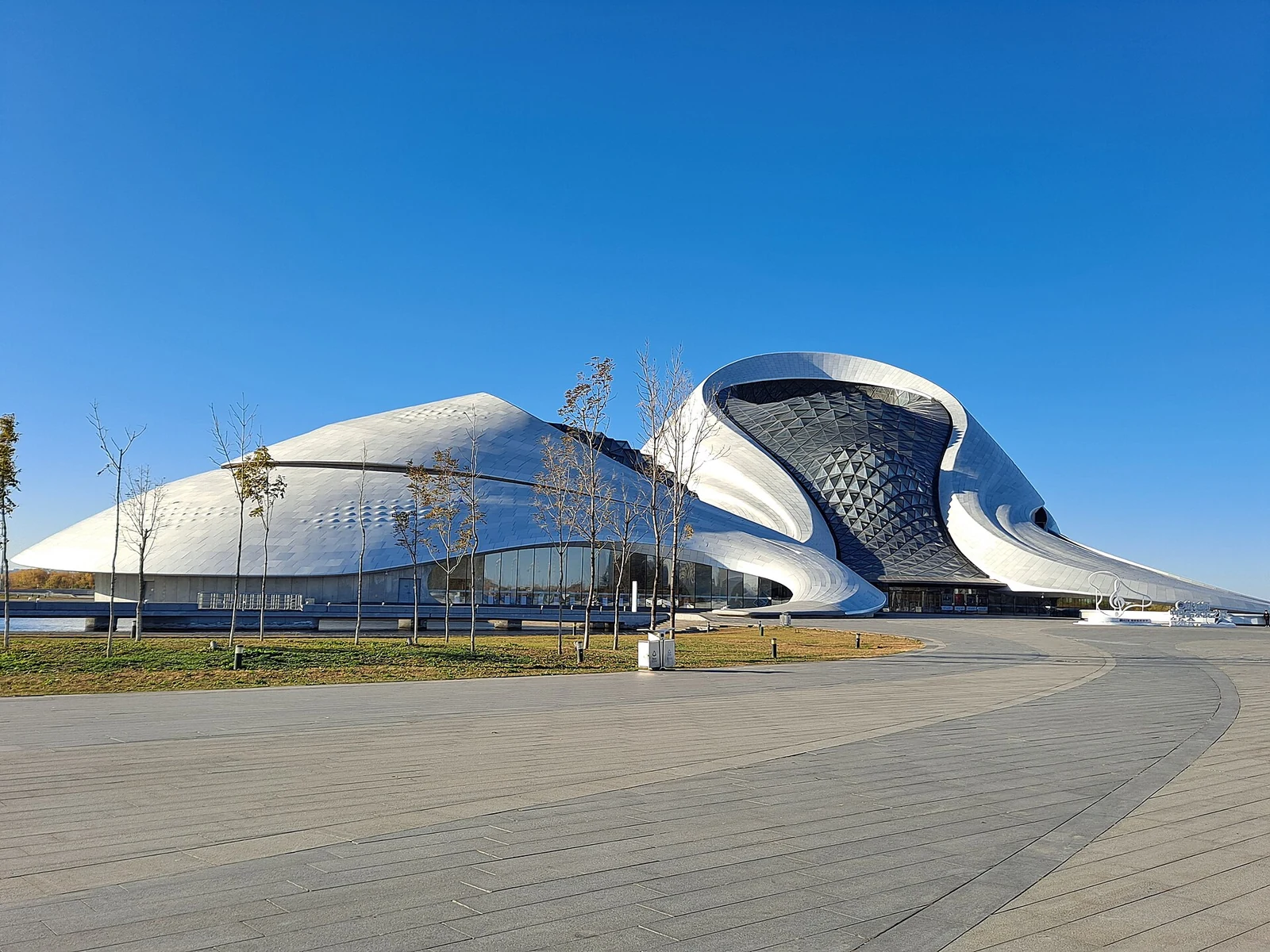
Harbin Opera House: curves above the wetland
Glass, Manchurian ash and a carved public route connect the opera house’s performance spaces with its wetland setting.
Harbin grew along the Songhua and the Chinese Eastern Railway, whose commercial streets still shape the city centre. Granite paving and older shopfronts meet a lively pedestrian avenue; beyond it, music fills summer parks and ice crews turn winter river blocks into temporary buildings. Neighborhood food and Hulan’s literary memory add more intimate views of a city formed by migration and work.
Glass, Manchurian ash and a carved public route connect the opera house’s performance spaces with its wetland setting.
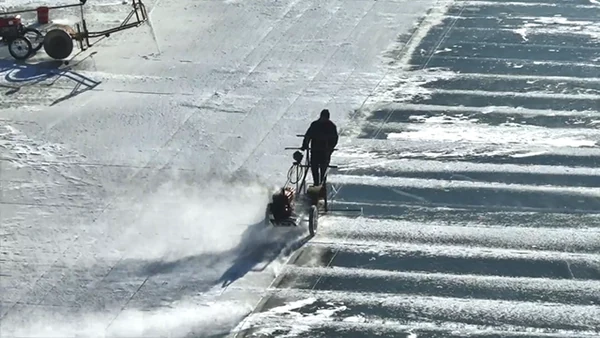
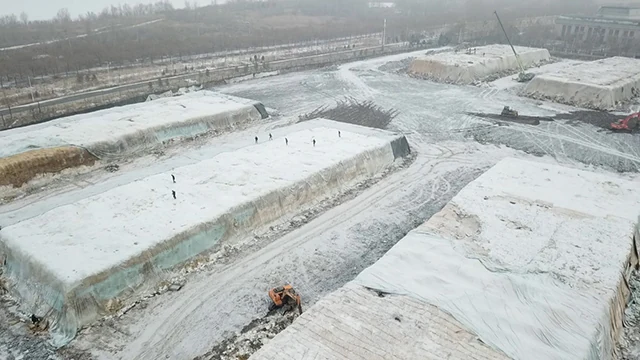
Harvest, inspection, construction and lighting turn blocks cut from the Songhua River into temporary architecture.
Read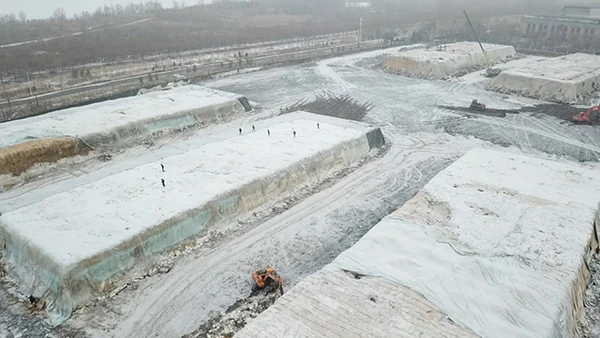
Harbin’s cross-season ice storage uses insulating layers, shade and maintenance to carry river ice into a later festival.
Read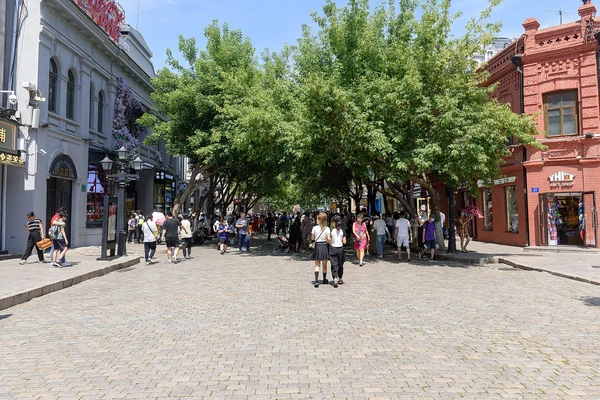
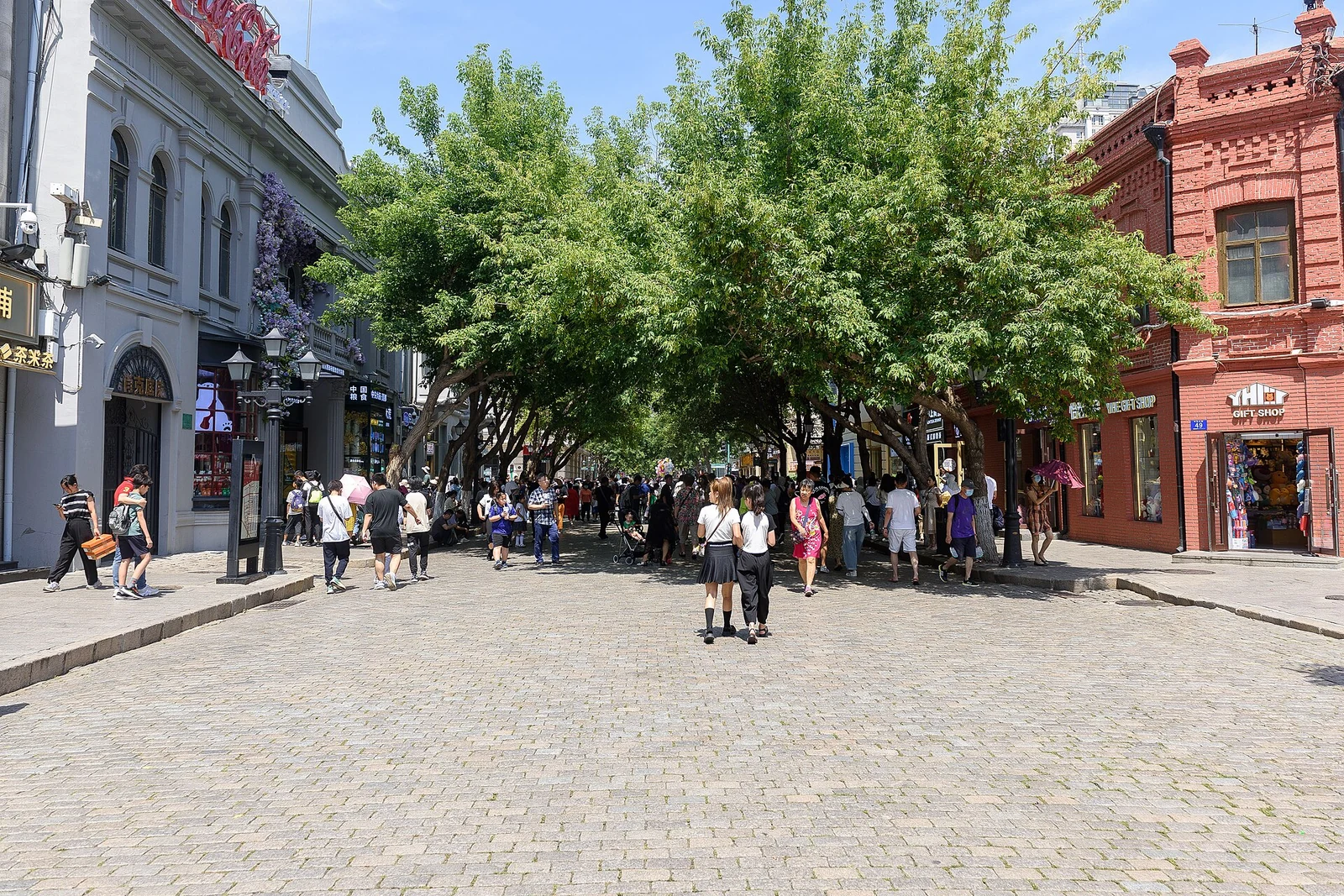
A stone carriageway and a 1925 street name trace Central Street from its early origins to its life as a pedestrian landmark.
ReadThree residential building groups on Daan Street preserve a smaller, domestic chapter of Harbin’s railway-era city.
ReadA 2026 report describes how the Yellow House cafe kept the old building’s visible fabric while adding a courtyard of flowers, fountain and garden seating.
Read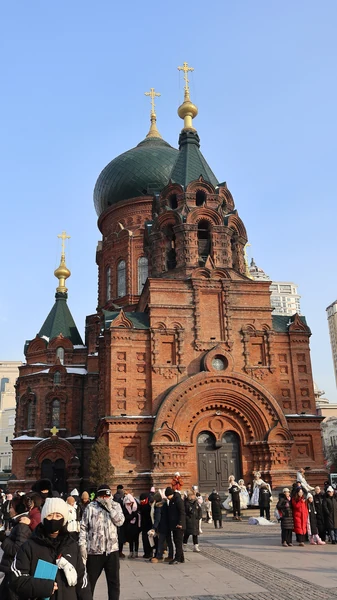
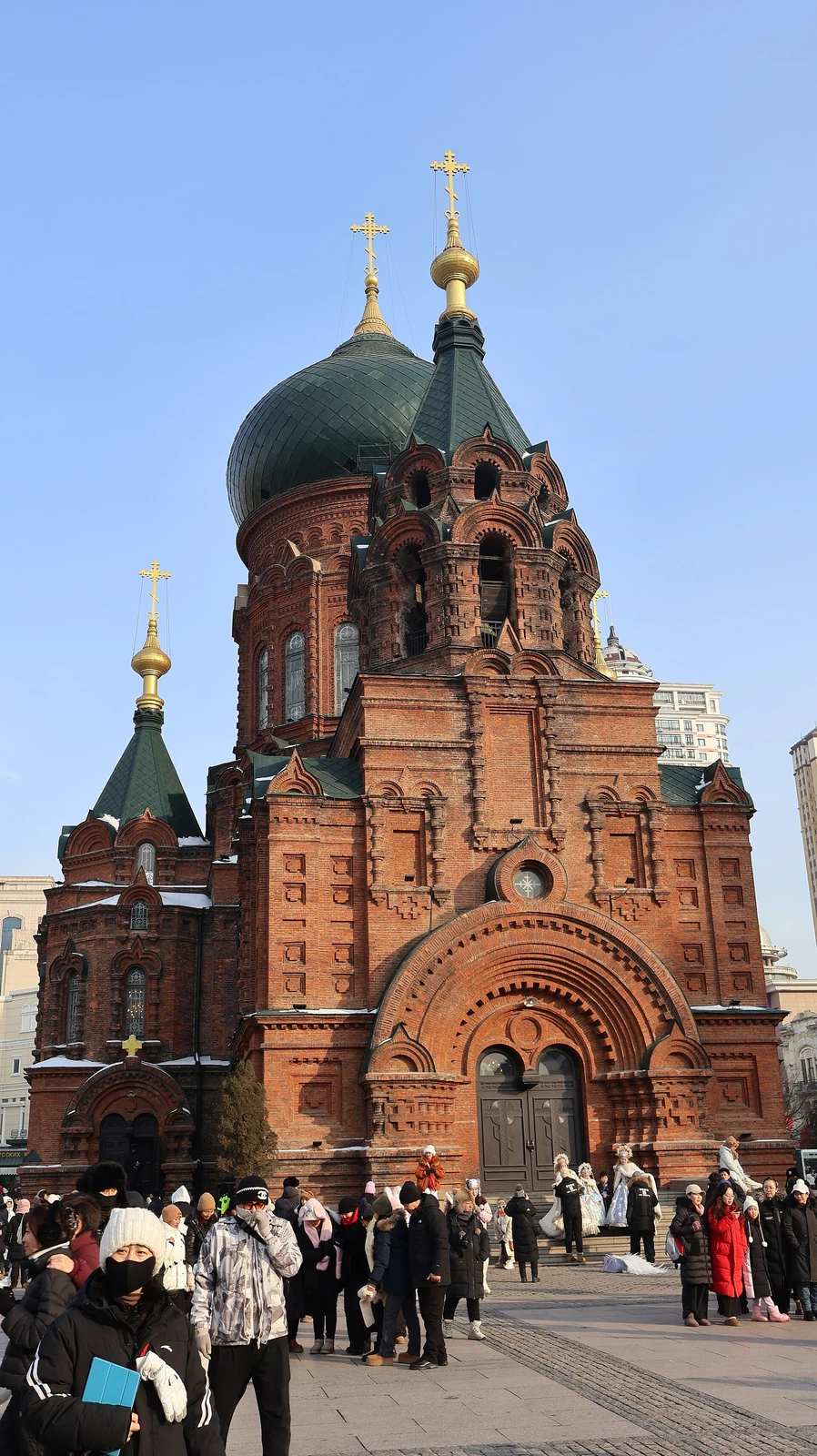
Begun in 1907, rebuilt on its present site from 1923 to 1932, Saint Sophia combines a red-brick Greek-cross plan with a Byzantine dome and seven bronze bells.
Read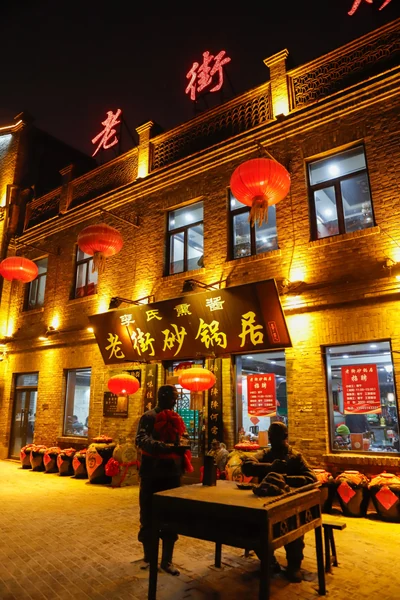
Harbin’s Chinese Baroque district pairs richly decorated street fronts with courtyard plans behind them.
Read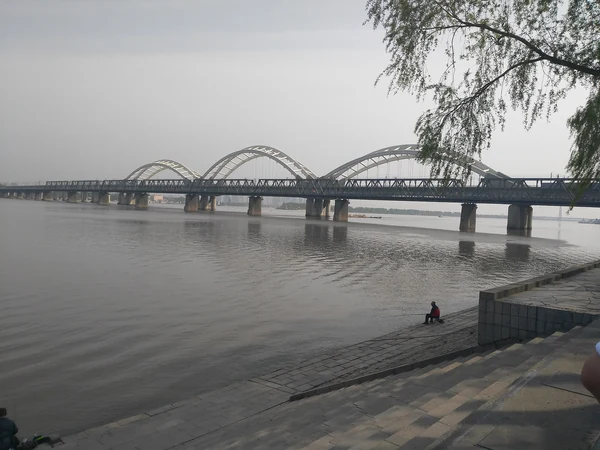
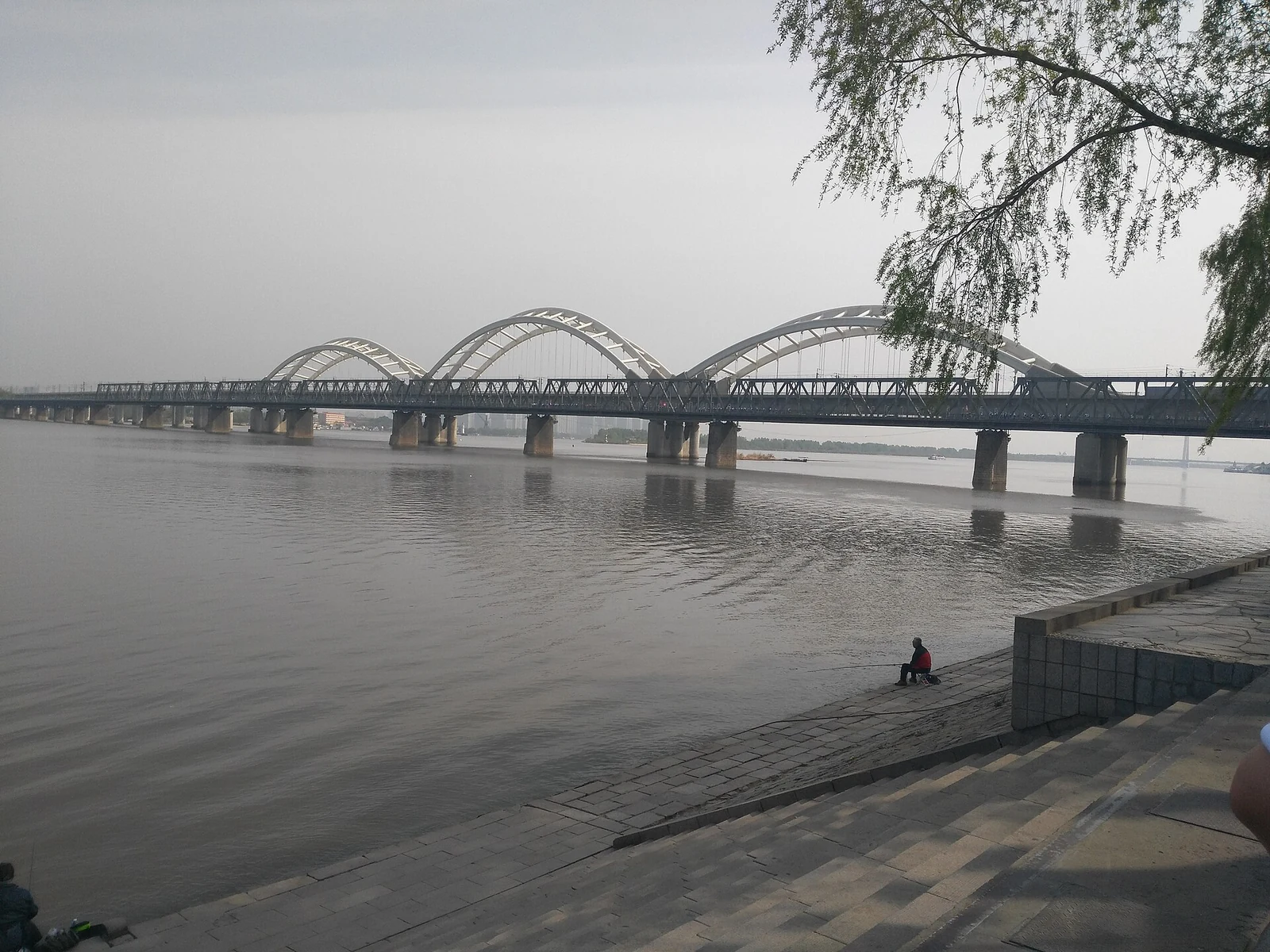
The old Binzhou railway bridge was built on deep caisson foundations, repeatedly repaired after cracks and floods, and preserved as a public park landmark after railway service ended.
ReadIn 2026, Harbin’s summer music season carried performances from concert venues to plazas, parks and neighborhood streets.
Read
Yabuli’s linked Guokui peaks, forested slopes and extended snow cover have shaped its life as a winter sports destination.
ReadAt Wuchang Rice Museum, a woven willow granary connects the modern rice story to household ways of storing a harvest.
ReadA Harbin cook’s two-stage frying method gives guobaorou its crisp shell, while old photographs and tableware place the dish within the city’s culinary memory.
Read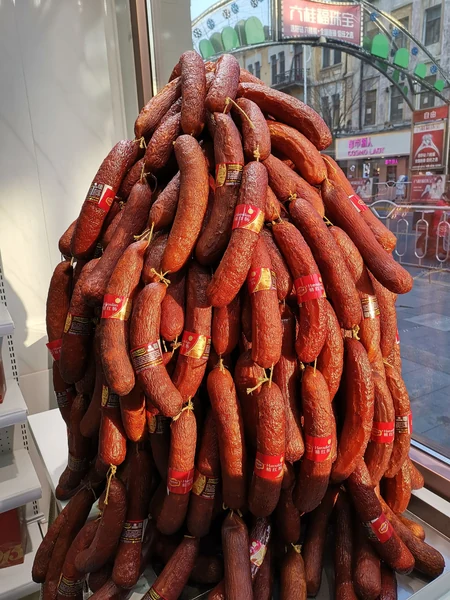
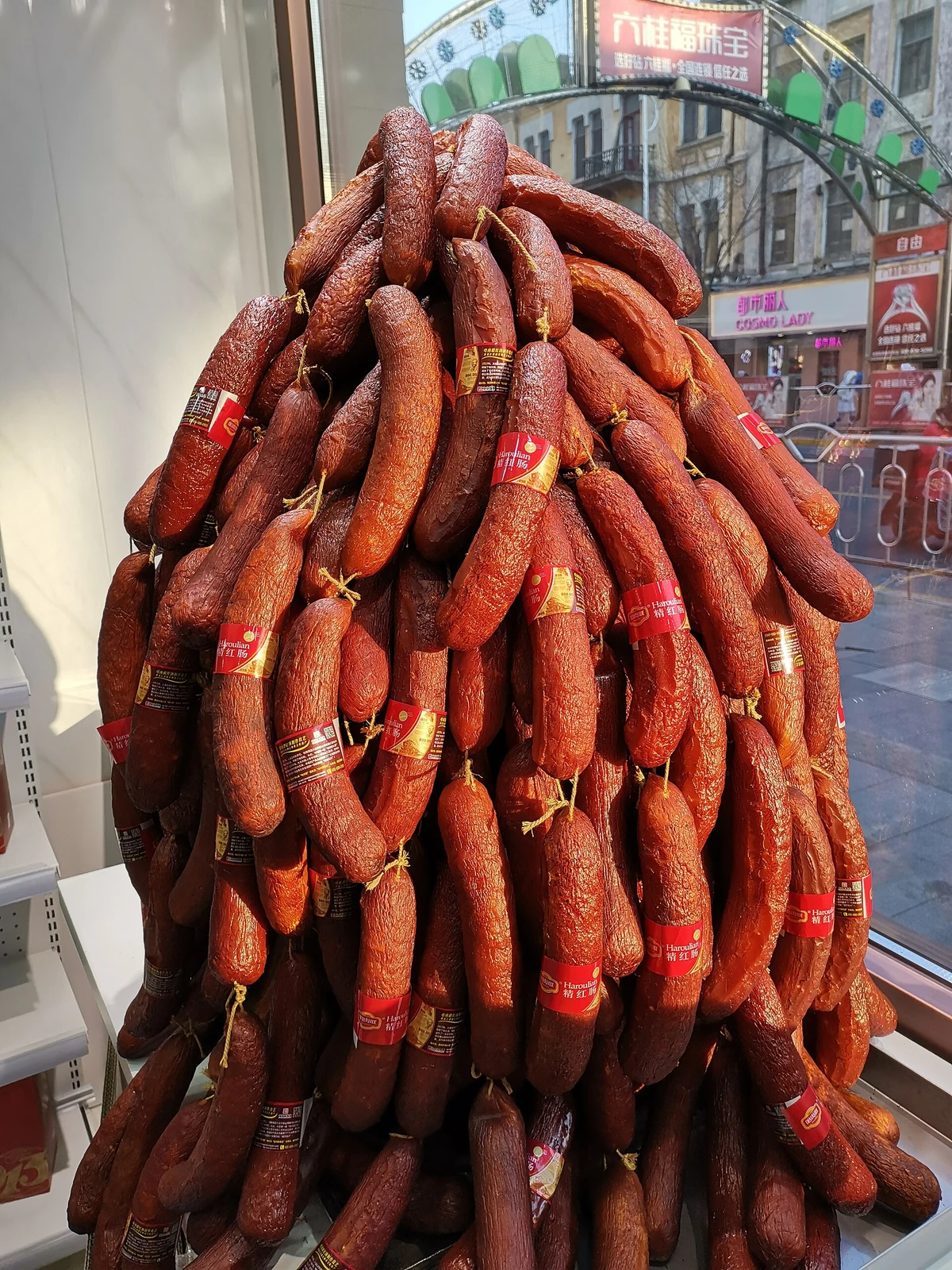
Haroulian’s company history traces its red sausage to a 1918 processing workshop in Fujidian, where European-style sausage making entered Harbin’s food industry.
Read
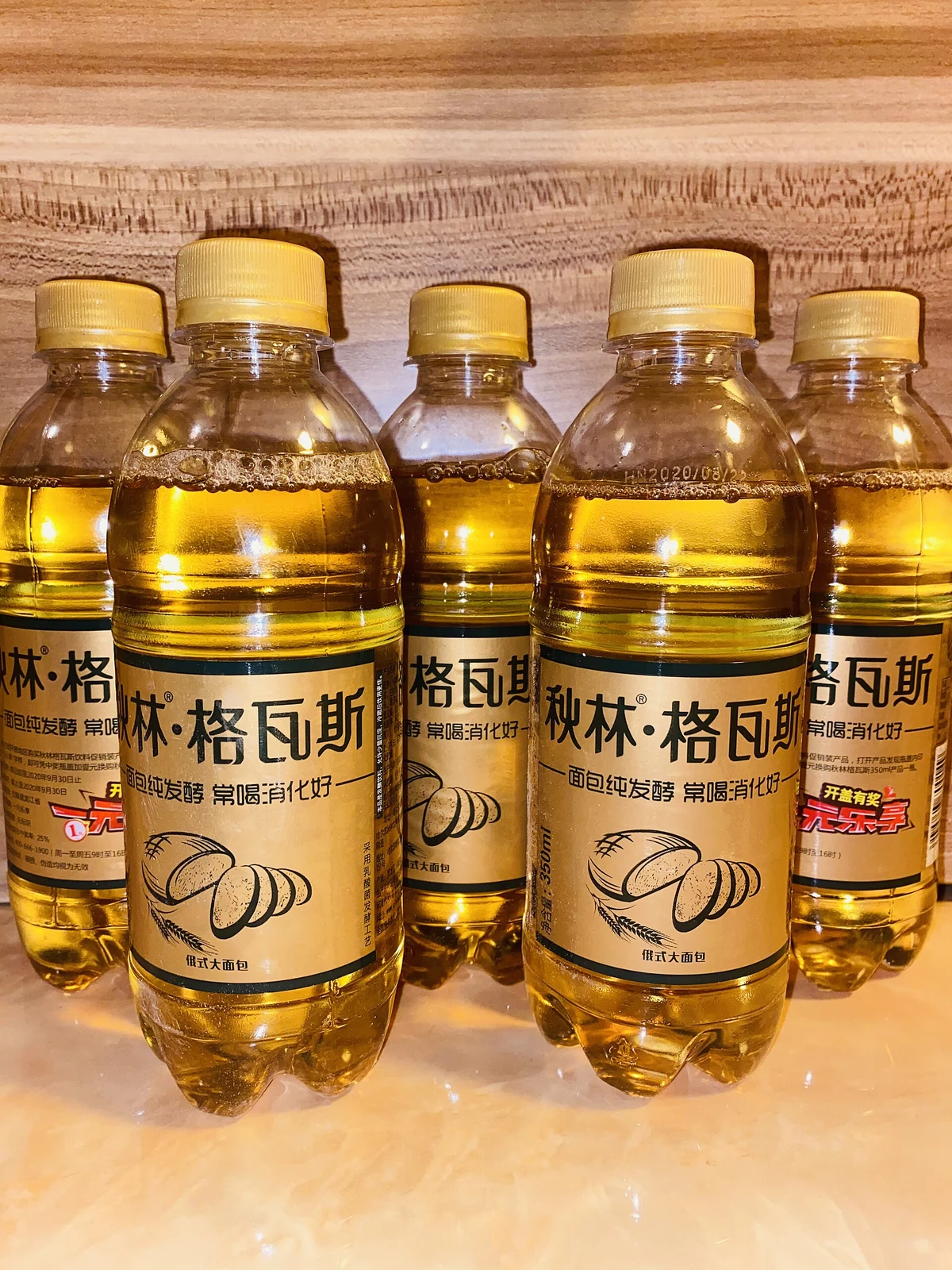
Harbin’s bakery tradition supplied a base for kvass, a drink made by extracting flavor from bread and fermenting it with yeast and lactic cultures.
ReadA 1,000-square-metre excavation in Jin Shangjing’s southeastern imperial city revealed building remains and everyday fragments from the early Jurchen capital.
ReadAt Xiao Hong’s former home in Hulan, a kang table and small bookcase anchor the east room where the writer was born in 1911.
ReadThe west courtyard at Xiao Hong’s family compound held rental rooms and work spaces, a social world echoed in the people of Tales of Hulan River.
Read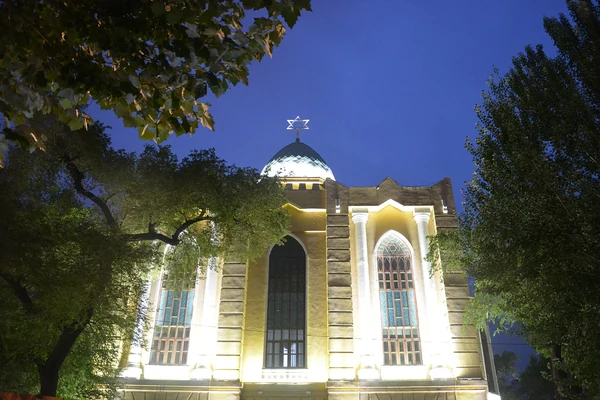
Harbin’s Jewish community built a synagogue, school and library while organizing aid for wounded soldiers and refugees in the early twentieth century.
Read The synagogue and school began as neighboring institutions: the synagogue yard held a school by 1903, followed by a full-time Jewish school in 1907.
Read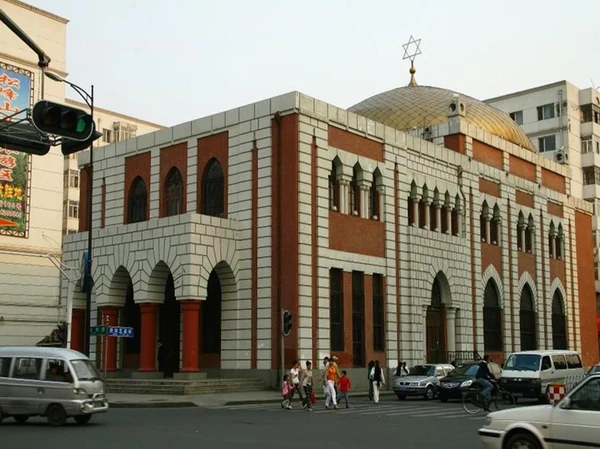
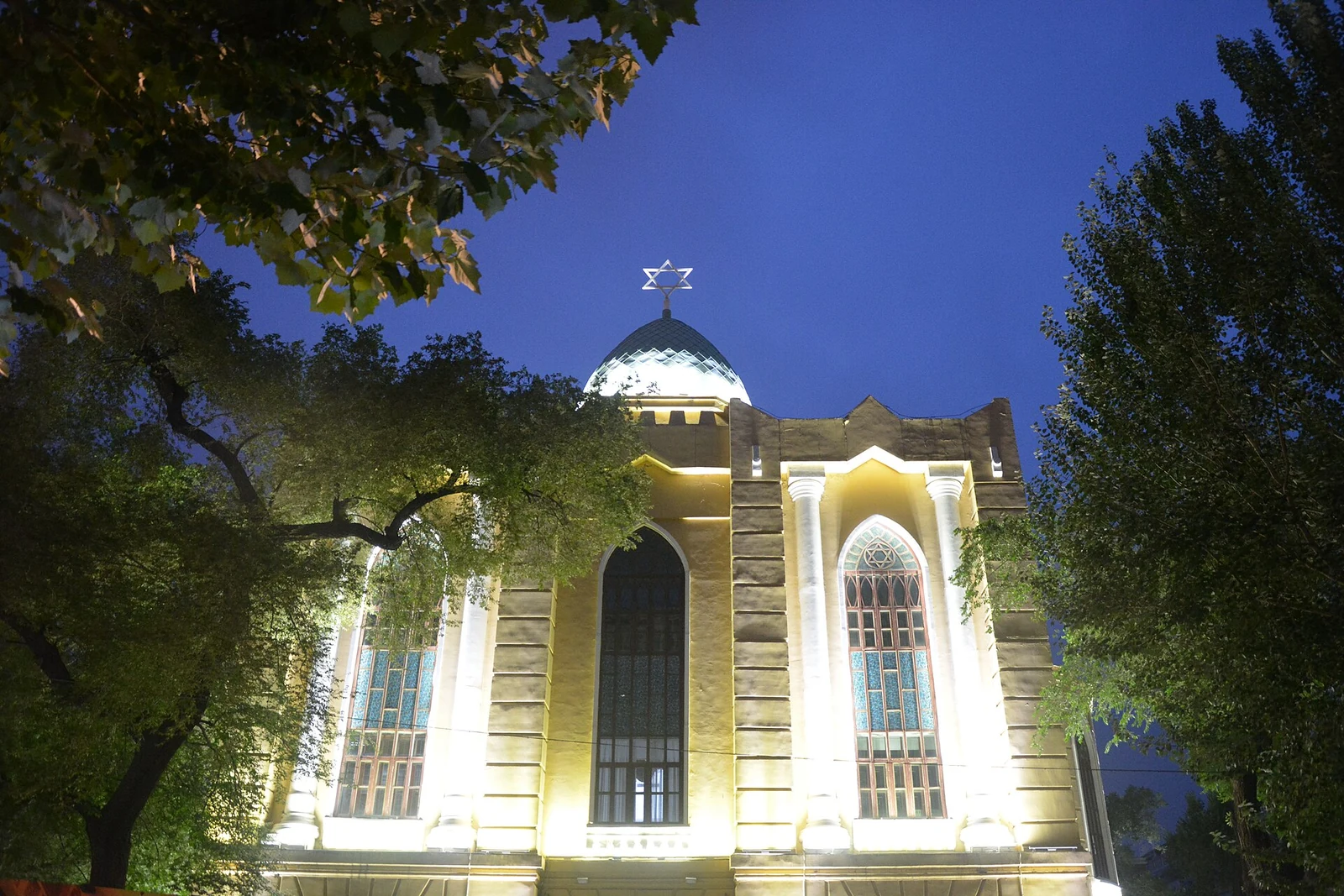
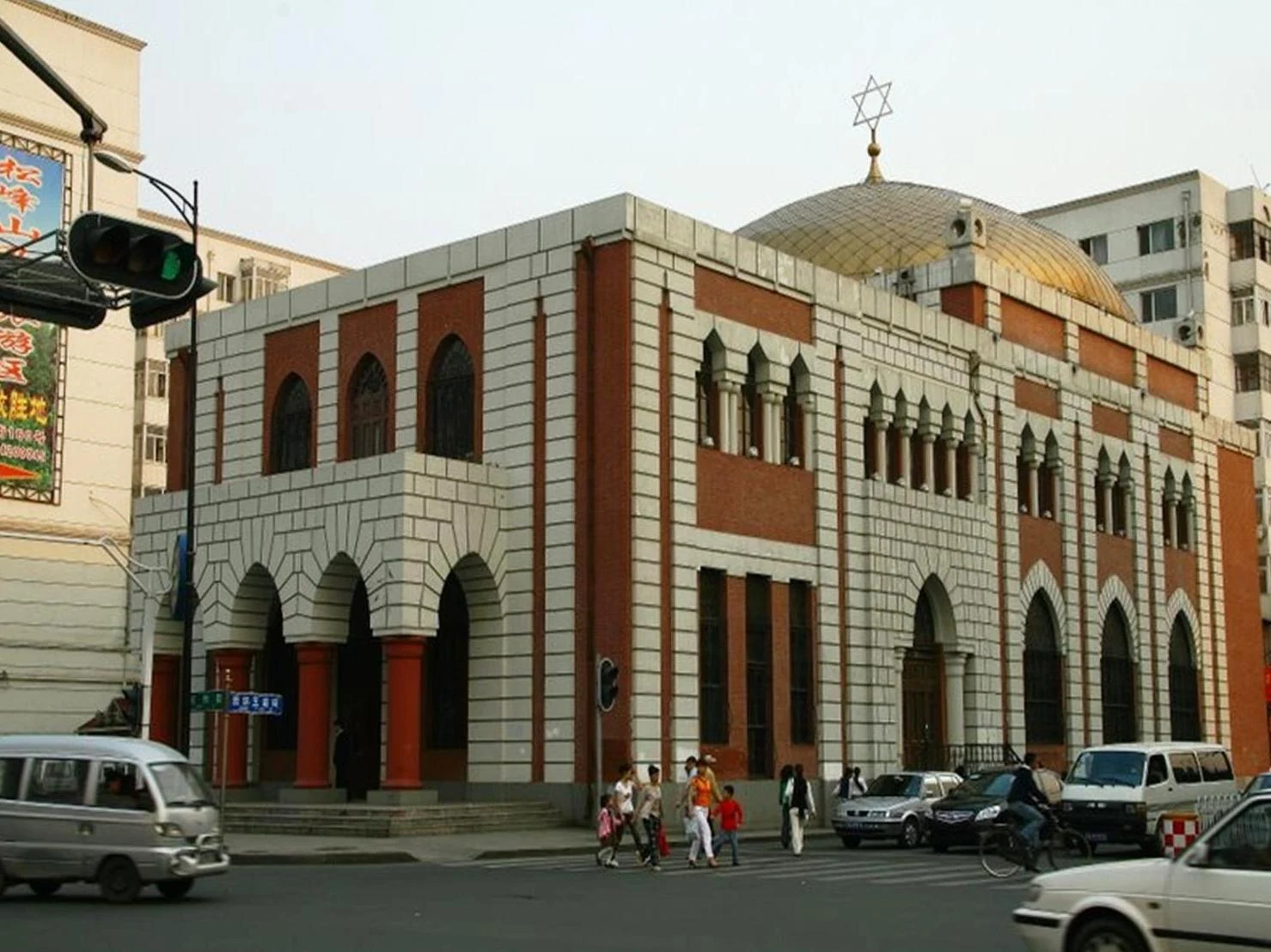
Completed in 1921, Harbin’s New Synagogue was repaired in 2004 and formally named the Harbin Jewish History and Culture Memorial Museum in 2017.
ReadCentral Street’s granite paving and commercial fronts recall Harbin’s railway-era growth.
Harbin Grand Theatre rises in curving forms beside a wetland landscape.
Guobaorou combines a crisp, twice-fried coating with Harbin’s culinary memory.
Harbin’s ice-building work turns blocks cut from the Songhua River into temporary architecture.
Harbin stores river ice across seasons for later construction at the Ice and Snow World.
Harbin’s Jewish heritage is represented by several protected places with distinct histories.
Harbin kvass links a bread-based flavor with local fermentation traditions.
Harbin’s summer music season carries performances from concert halls into public places.
Harbin’s New Synagogue is a protected building on Jingwei Street, separate from the Main Synagogue.
Residential buildings on Daan Street and Garden Street reveal different parts of Harbin’s architectural life.
A protected courtyard connects Harbin’s Main Synagogue and Jewish Middle School as two distinct buildings.
Harbin red sausage is linked to Haroulian’s early processing workshop in Fujidian.
A kang table and small bookcase anchor the east room of Xiao Hong’s former home in Hulan.
Excavations in Jin Shangjing’s southeastern imperial city reveal buildings and everyday objects from an early Jurchen capital.
Harbin’s Chinese Baroque district pairs decorated shopfronts with courtyard houses behind the street.
Saint Sophia’s protected restoration gave the church a new public role as Harbin’s architecture art museum.
Harbin’s old Songhua railway bridge has moved from rail infrastructure to public park.
A woven willow granary at Wuchang Rice Museum connects modern rice production with household storage.
Yabuli’s linked peaks, forested slopes and long snow season shaped its life as a winter sports destination.