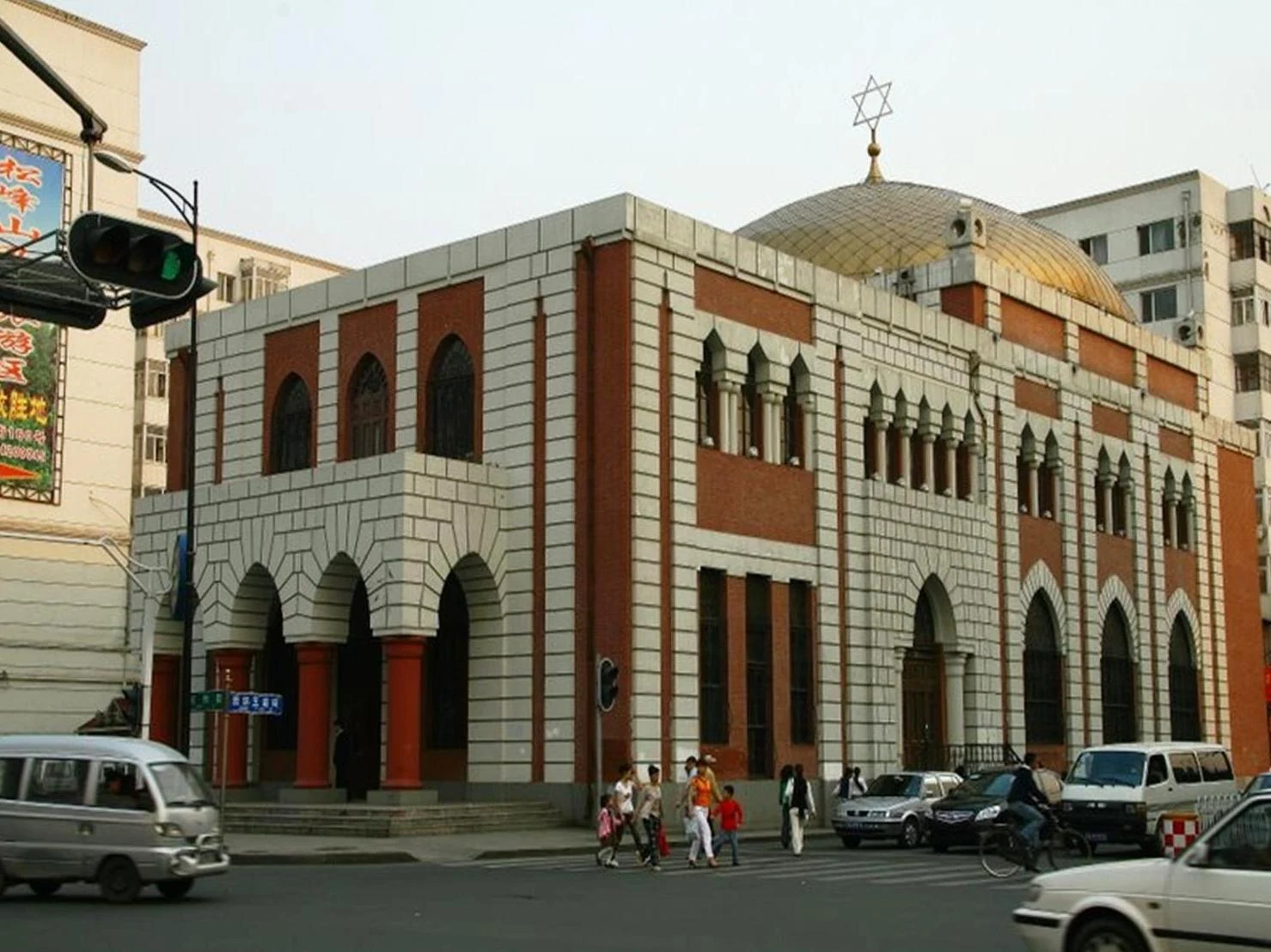
A community chronology records an early prayer gathering in Harbin in 1900, first hosted in a resident’s home and then in another family residence. A spiritual committee formed in 1902–03 and acquired a small building on Artillery Street for a synagogue. As the community expanded, the Main Synagogue was built on what is now Tongjiang Street; its construction was accepted by the committee in 1909.
From the journal
Harbin’s Jewish community: prayer, aid and public institutions
Harbin’s Jewish community built a synagogue, school and library while organizing aid for wounded soldiers and refugees in the early twentieth century.
In the same city · Harbin ↗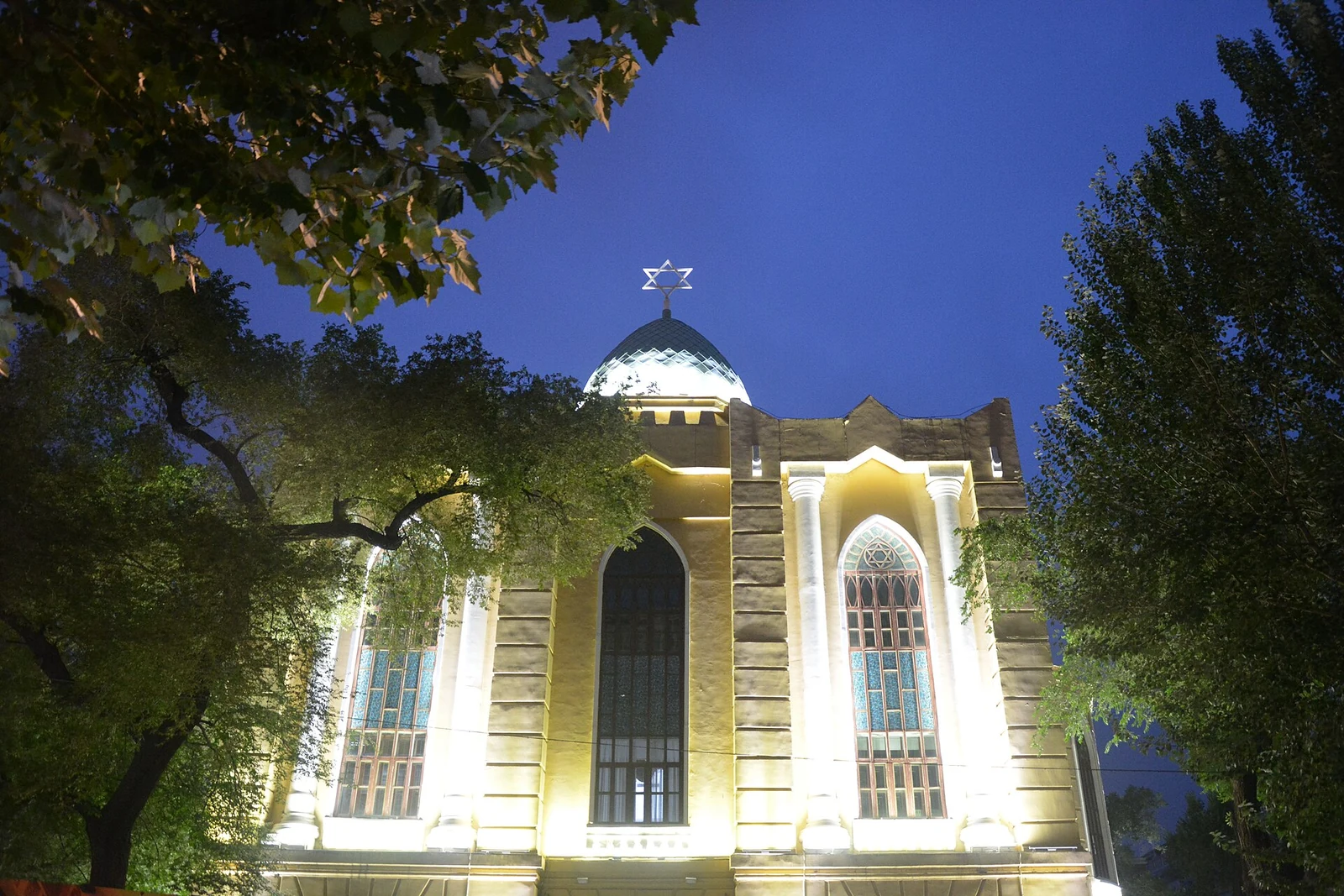
Prayer moved from homes to a synagogue
A schoolyard, a library and a reading room
Rabbi Levin, invited as Harbin’s first full-time rabbi in 1903, oversaw religious functions and the establishment of a school in the synagogue yard. A full-time Jewish school followed in 1907. The community opened a library in 1908, later lending books on a large scale, and in 1912 established a reading room with Russian, Hebrew and Yiddish publications. These institutions made the synagogue district a setting for education and reading as well as worship.
Care beyond the community’s own streets
During the Russo-Japanese War, the community organized support for Jewish soldiers stationed in Harbin. A women’s committee visited wounded servicemen in hospitals, sewed clothes and helped with personal needs; community kitchens also provided Passover meals. The history of Harbin’s Jewish community is therefore visible in institutions and acts of care, as well as in the protected buildings that remain on the city map.