Yabuli lies among the connected peaks of Great, Second and Third Guokui Mountain. The Ministry of Culture and Tourism describes all three as rising above 1,000 metres, with forest and winter scenery as part of the area’s natural setting. The terrain matters to skiing: slopes, elevation and snow conditions set the shape of a season long before a skier reaches a lift. The connected peaks and wooded slopes are the terrain that draws winter sport to the resort.
From the journal
Yabuli’s winter: mountains, forest and a long snow season
Yabuli’s linked Guokui peaks, forested slopes and extended snow cover have shaped its life as a winter sports destination.
In the same city · Harbin ↗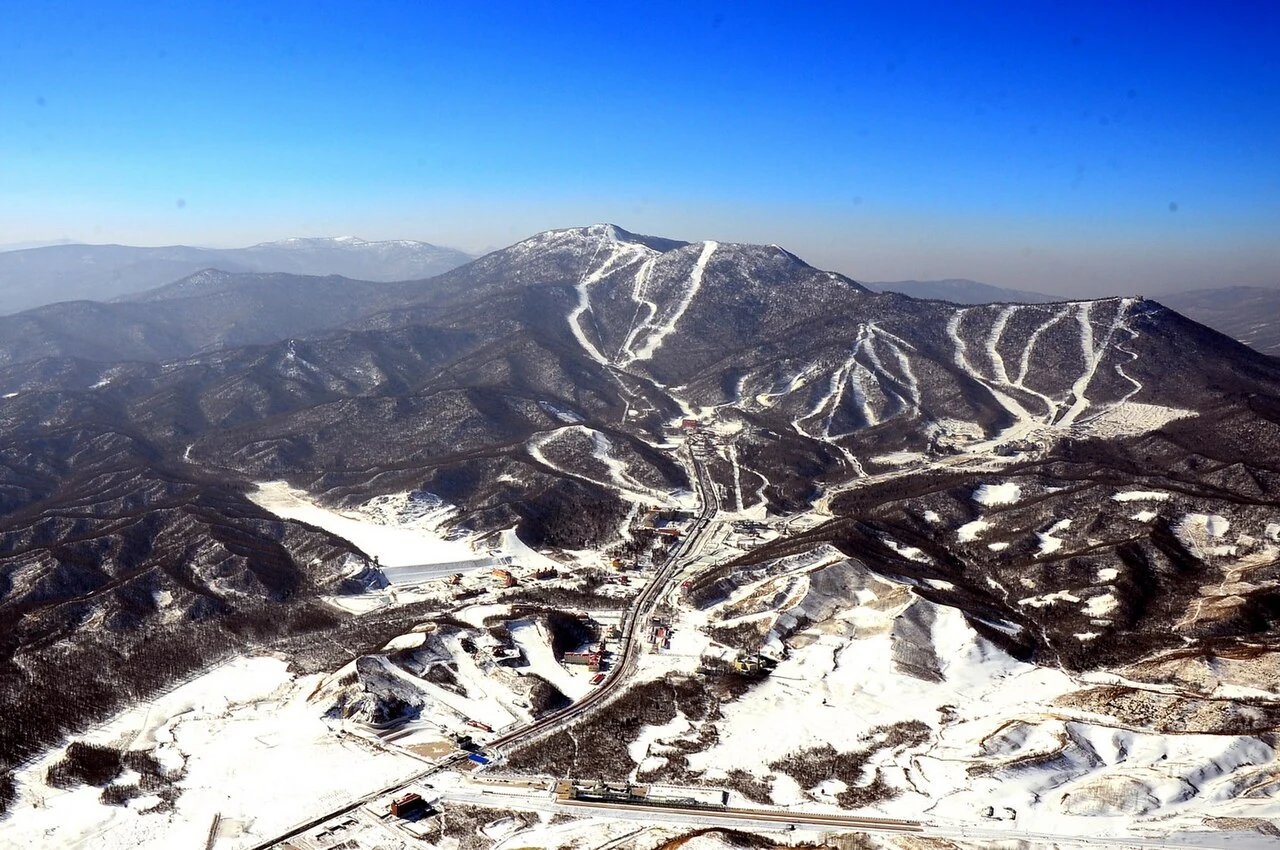
Three peaks in a mountain basin
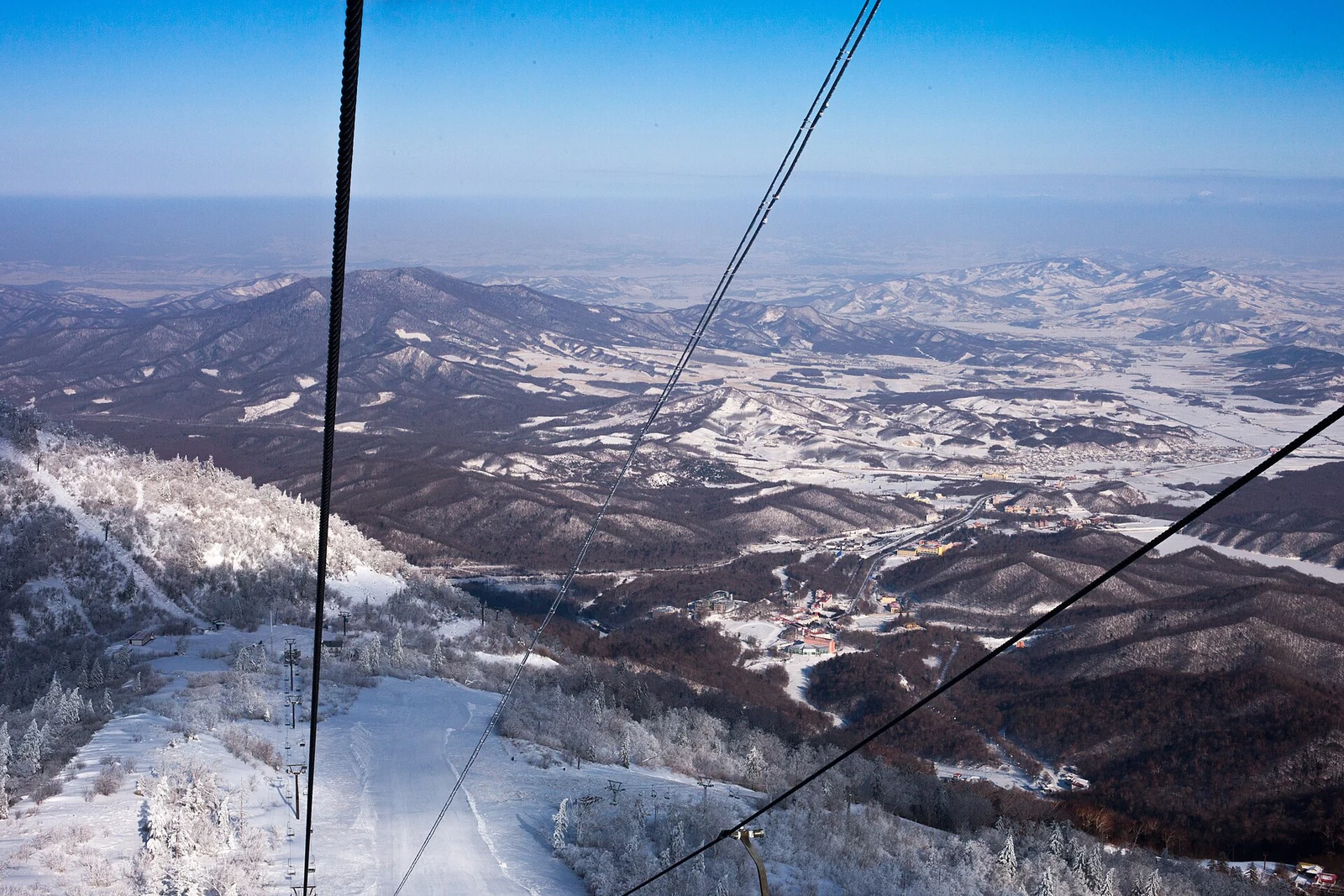
A season measured in snow
A national tourism designation record describes Yabuli’s snow cover as lasting about five and a half months. That long winter window helps explain why the area developed around skiing and related outdoor activity. The resort is a group of facilities in a mountain landscape, not one single run. For someone looking from a trail or lift, the forested slopes and linked peaks provide a larger frame for the sport: snow routes sit within a broader wooded terrain.
From resort to regional winter culture
Yabuli’s identity is tied to a long winter in the forested mountains. The grounded story is a meeting of mountains, forest and a prolonged period of snow cover, organized into a ski destination. The Ministry record identifies Yabuli as a national ski tourism resort, set within forested mountains whose snowfall varies from winter to winter.