Suihua Museum opened to the public on 29 September 2009, according to the city’s museum profile. The profile places it on the west side of the Science and Culture Building in Beilin District and describes a three-floor arrangement. Its galleries organize material through ancient, modern and contemporary history, folk culture, development, black-soil art, county displays and urban planning. This is a map of how the city presents itself: through time, local practice and differences among its counties and cities.
From the journal
How Suihua’s museum gathers a region into one building
Suihua Museum arranges history, folk culture, black-soil art and county displays across a three-floor permanent exhibition.
In the same city · Suihua ↗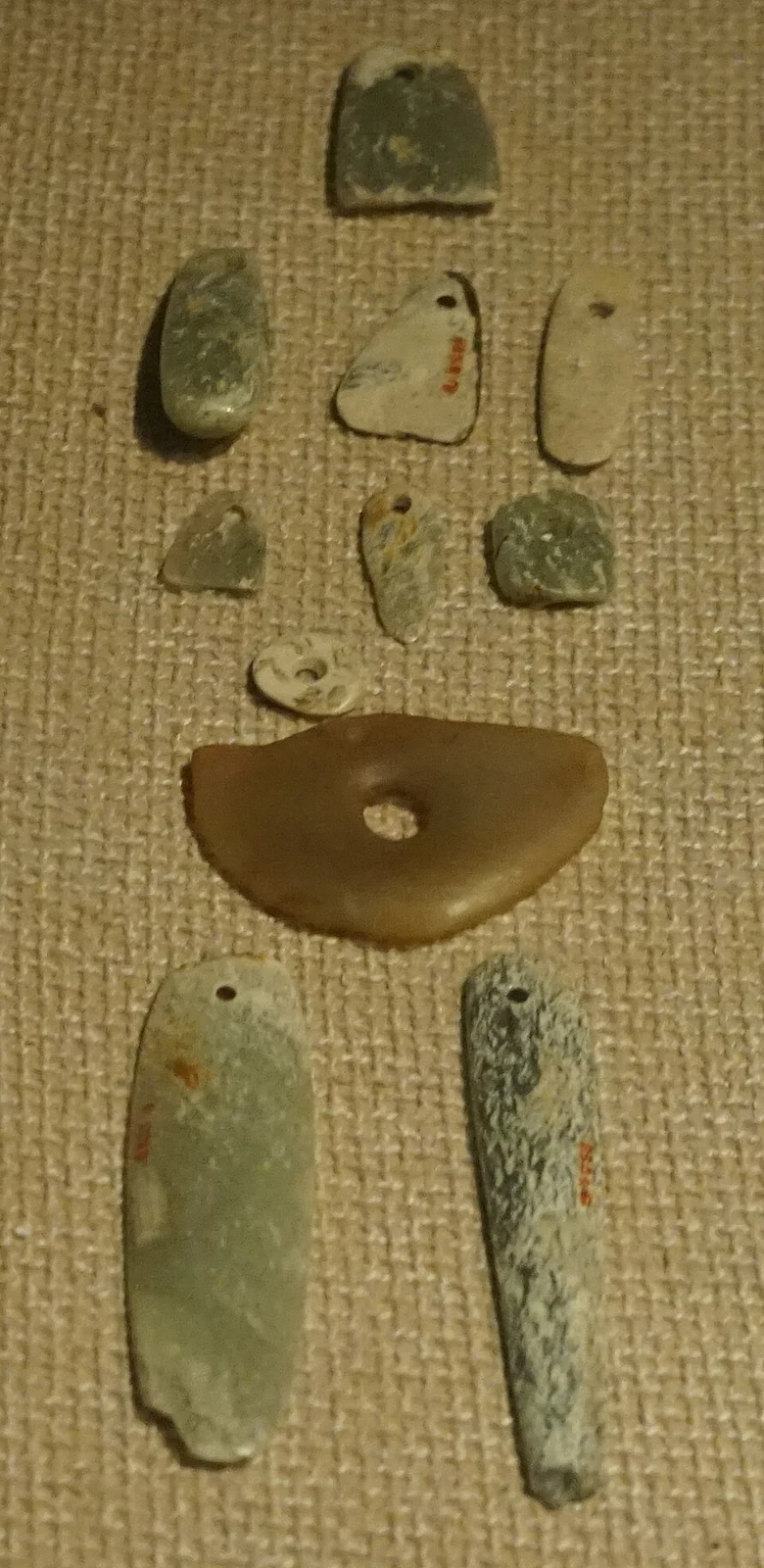
A museum opened to its city
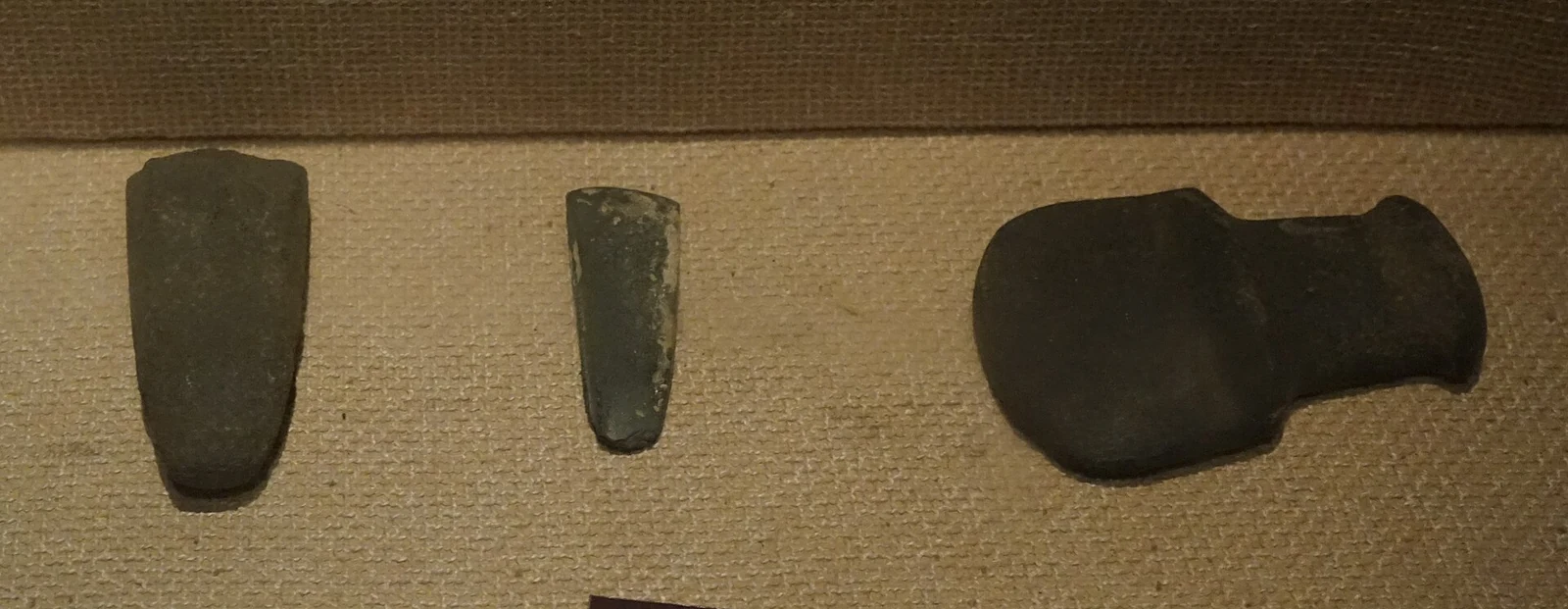
Objects as regional links
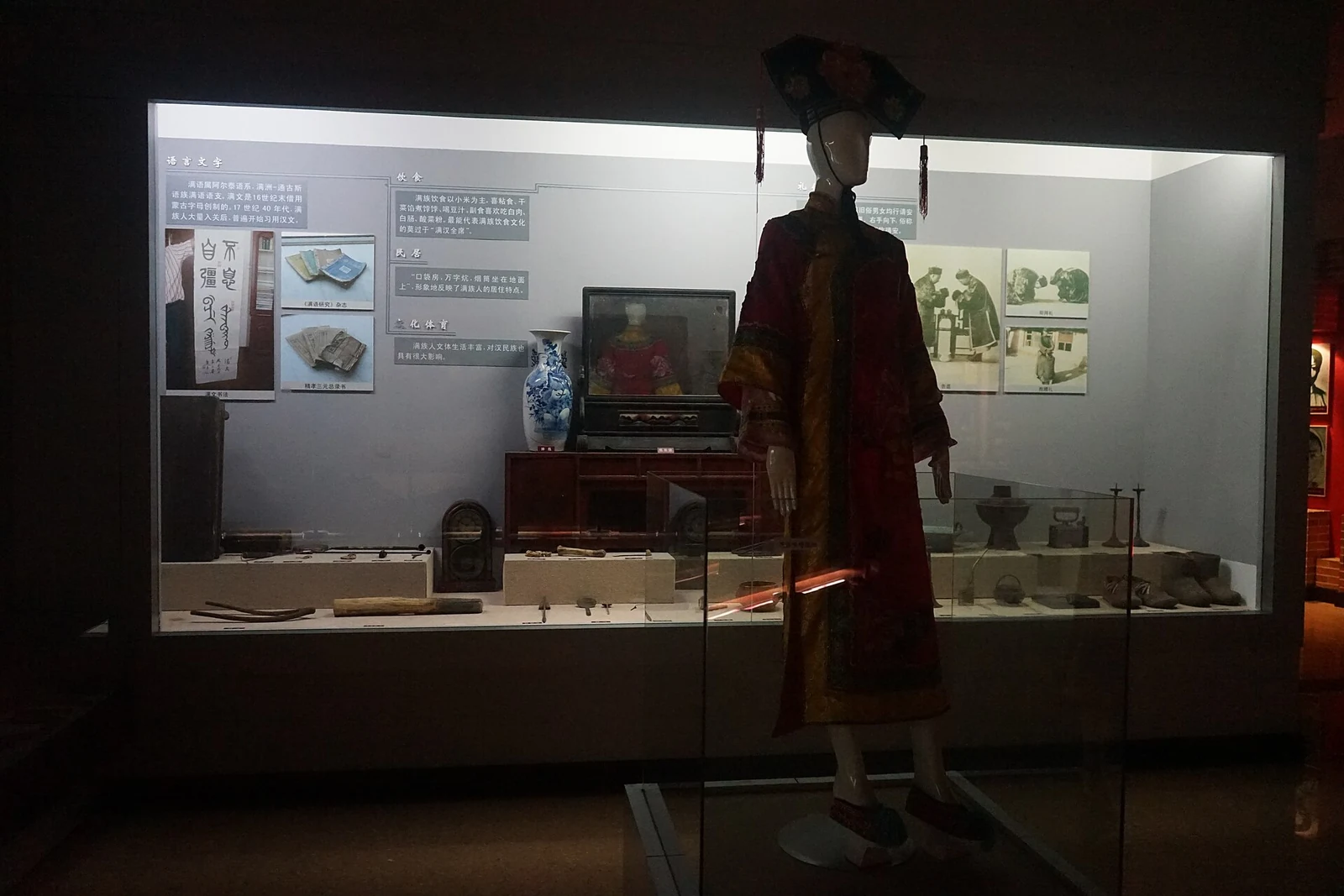
The museum’s folk-culture areas include Hailun papercut, Qing’an prints, Lanxi hanging-paper decorations and Wangkui shadow theatre. These works come from different places and should be understood through their own materials and communities. The museum gives them a shared civic setting while keeping their local identities legible.
One city, many local stories
A regional museum helps visitors see why a place is more than its administrative center. Suihua’s galleries place local art beside historical objects and county displays, moving between scales of belonging. By placing county histories beside regional art and material culture, the museum presents Suihua as a collection of distinct local histories.