Qujialing is an archaeological site in Jingmen and gives its name to a Neolithic culture of the middle Yangtze region. Excavation brings together traces of settlement, pottery and farming rather than the biography of a single founding person. The place matters because evidence recovered from the ground can be compared across sites and layers to reconstruct changing ways of living.
From the journal
Rice, Water and the Settlement at Qujialing
Qujialing in Jingmen introduces early farming through excavated settlement remains, pottery and the relationship between cultivation and water.
In the same city · Jingmen ↗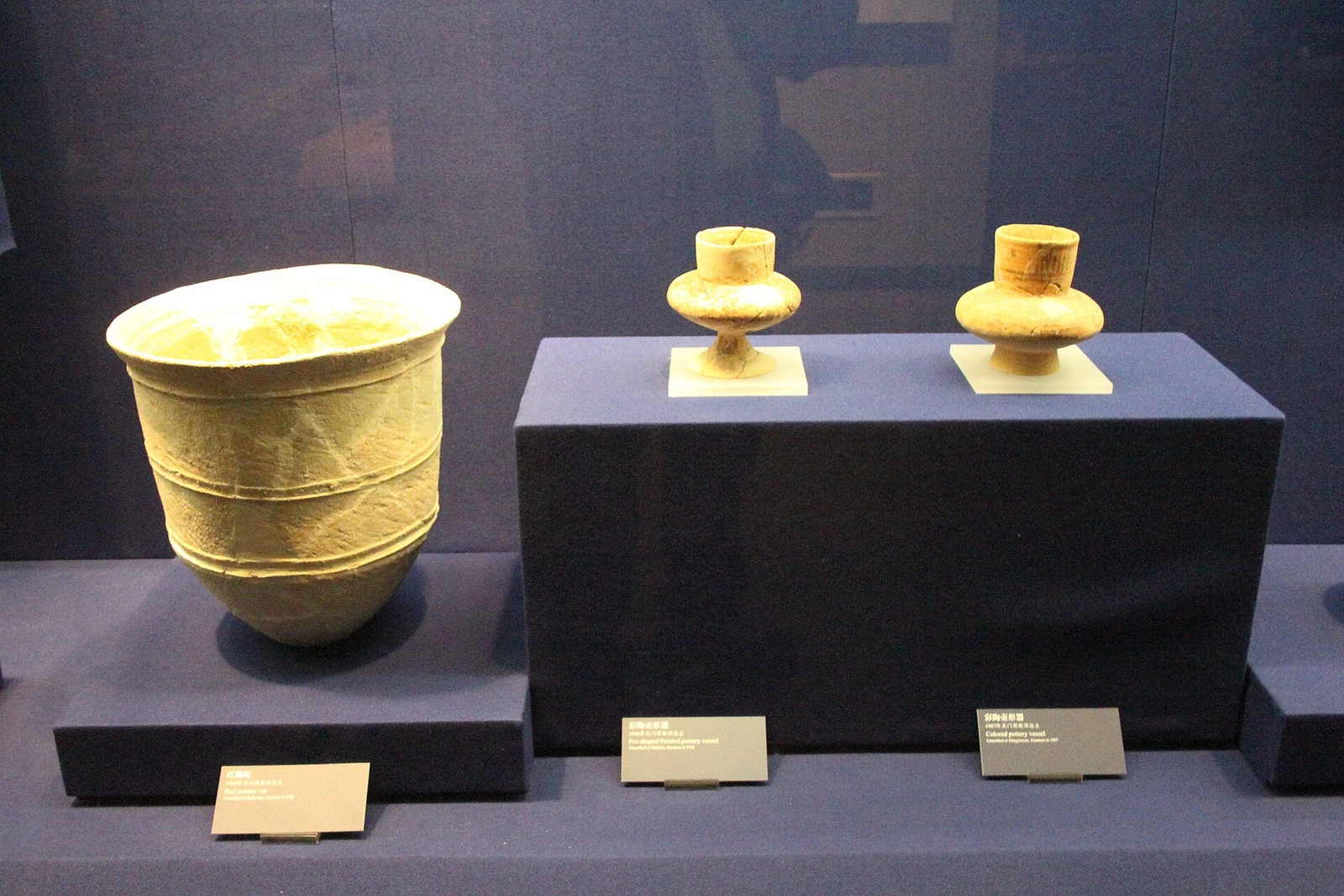
A settlement gives a culture its name
Farming with water
Rice cultivation involved relationships between plants, fields, seasonal rain and the management of water. Finds at Qujialing have made the site important to research on those relationships in the Jianghan region. Water-management remains and plant evidence bring particular forms of work into view. They allow researchers to ask how people organised a settlement around the land and water needed to sustain it.
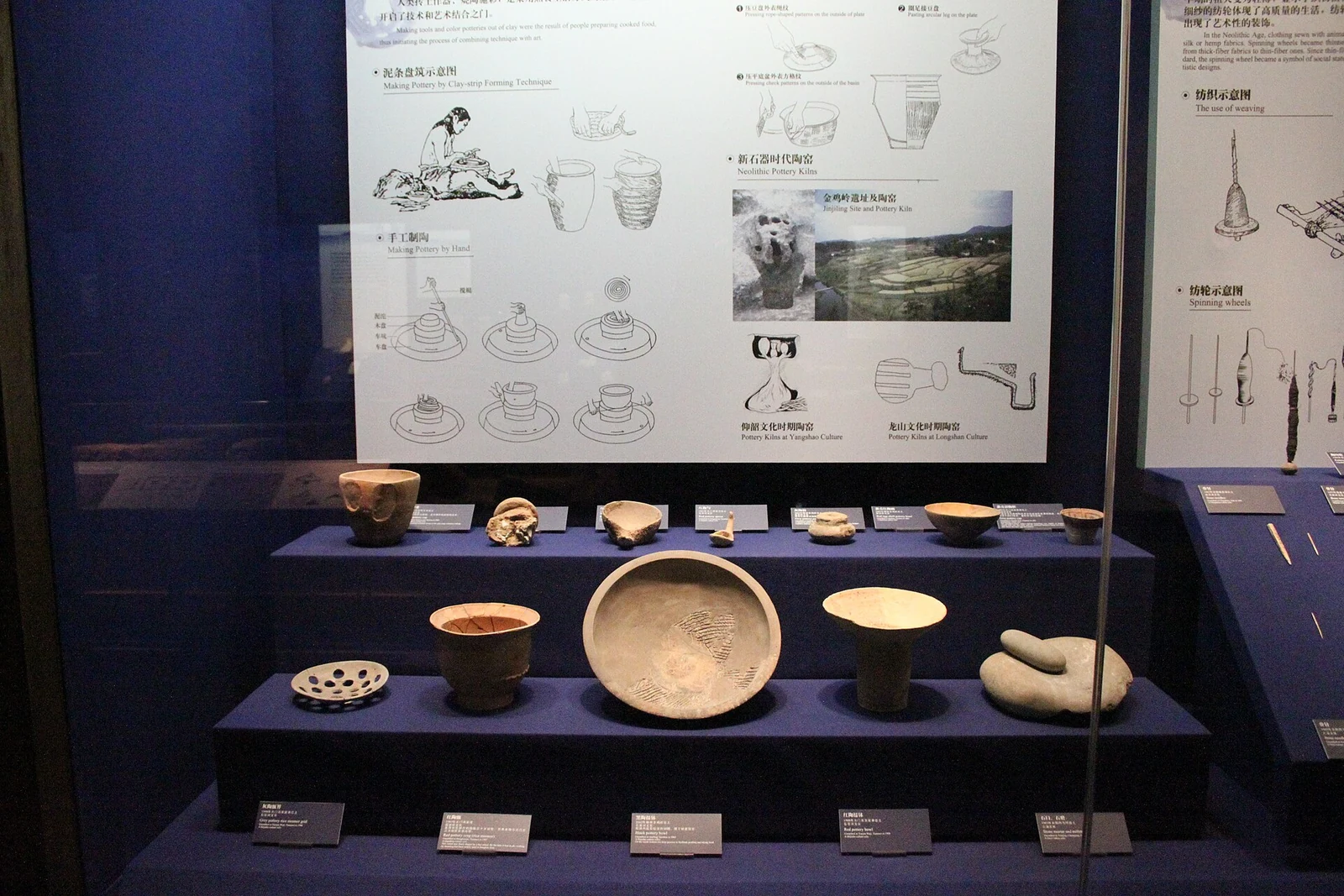
Pottery and work beyond the field
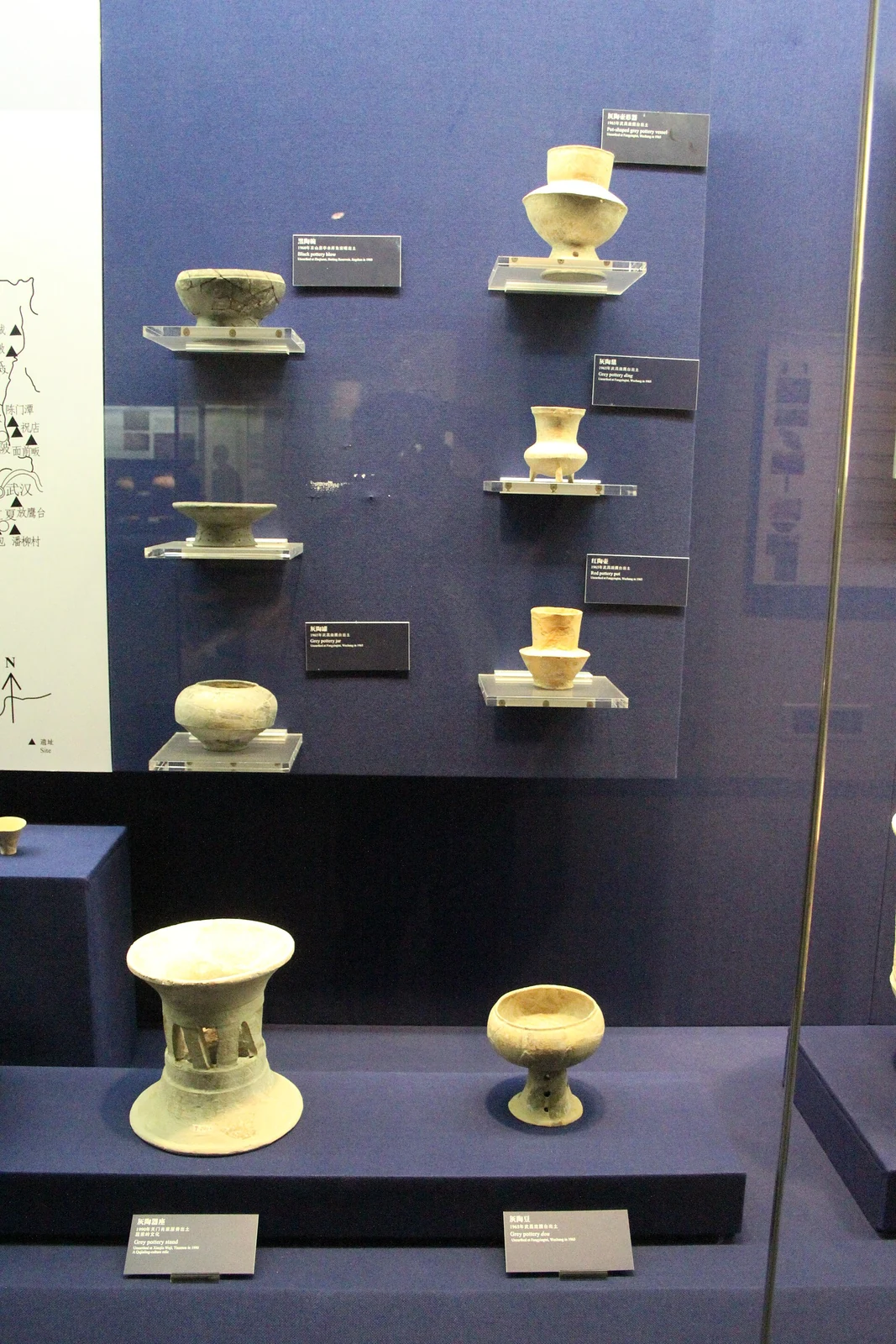
Painted pottery, spindle whorls and other objects widen the picture beyond food production. They point to making, storing and the organisation of daily work. Qujialing forms part of a larger prehistoric landscape that also includes Shijiahe in Tianmen. Comparing the two sites brings changes in settlement and material culture into focus, at the scale of communities separated by place and time.