The Praya Reclamations in Central
Two reclamation periods, from 1843–1865 and 1890–1904, pushed Central’s waterfront northward and left plaques as markers of the changing edge.
Hong Kong
Explore Hong Kong through its changing shores, working districts, village traditions, craft, food, literature and film.
Hong Kong is a maritime city of eighteen districts, where harbour, islands, dense neighbourhoods, villages and wetlands form distinct landscapes. Its harbour edges have been repeatedly remade; reservoirs carry water across island slopes; dense Kowloon streets sit alongside villages, wetlands and outlying islands. These different landscapes shape how people work, gather and remember.
This editorial home brings together stories from Hong Kong Island, Kowloon, the New Territories and the islands. Follow a theme into the full 141-article collection, with each story rooted in a specific place, object or practice.
All articles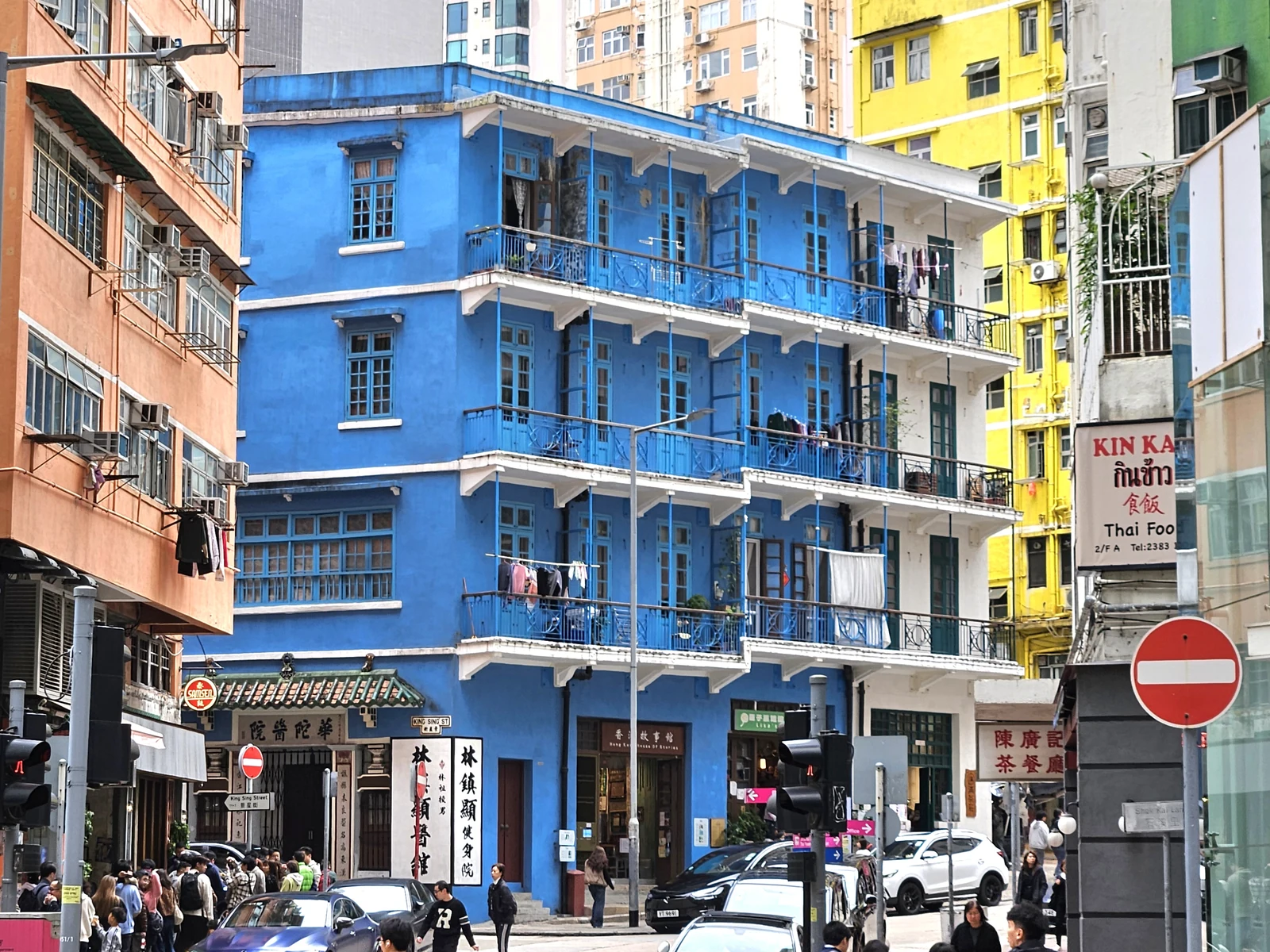
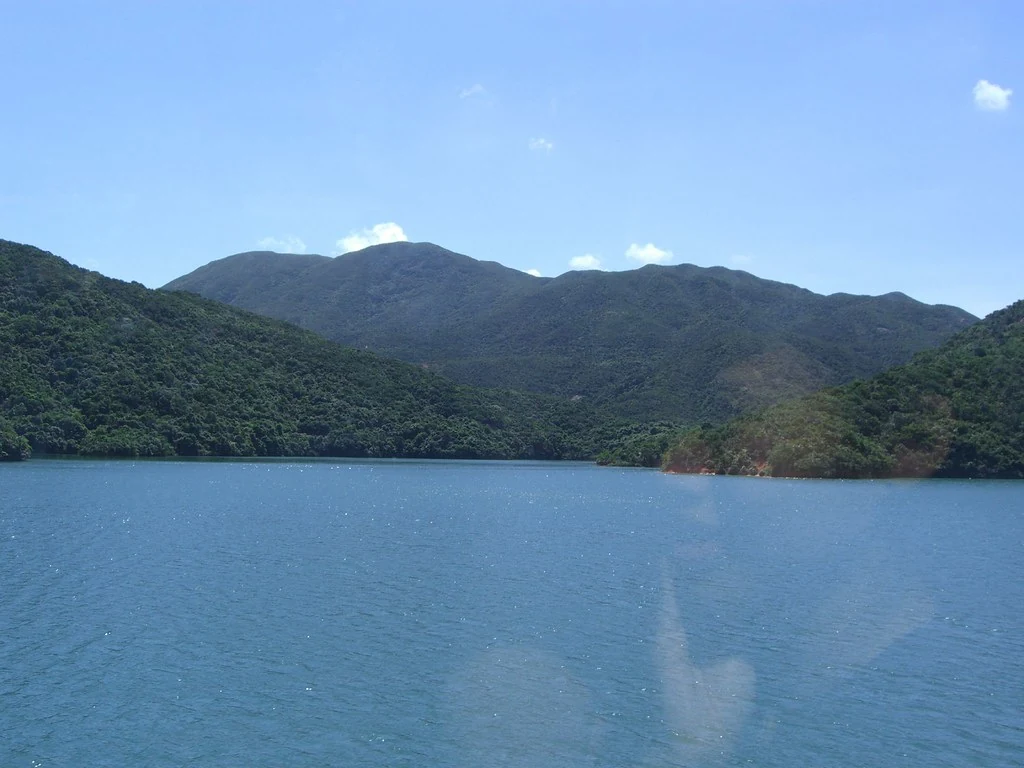
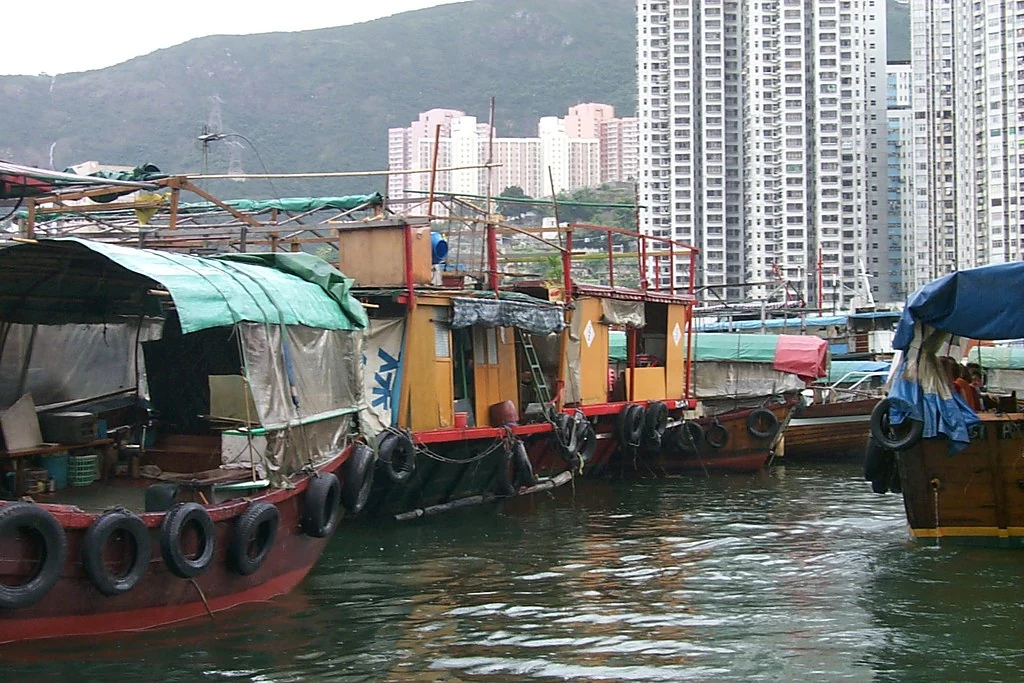
Hong Kong’s shoreline is a record of movement: reclamation pushed Central north, while Aberdeen remains a working harbour of boats, markets and shipyards. Tai Tam’s reservoirs show another relationship with water, carrying an expanding city’s supply across the island hills. Along the shore, reclaimed land, working boats and reservoirs reveal how the city has made room, earned a living and secured water.
Two reclamation periods, from 1843–1865 and 1890–1904, pushed Central’s waterfront northward and left plaques as markers of the changing edge.
Tai Tam’s reservoirs and associated works were built in stages between 1883 and 1917 as Hong Kong expanded its water supply.
Aberdeen Harbour remains a working maritime landscape where fishing boats, shipyards, markets and tour routes share the typhoon shelter.
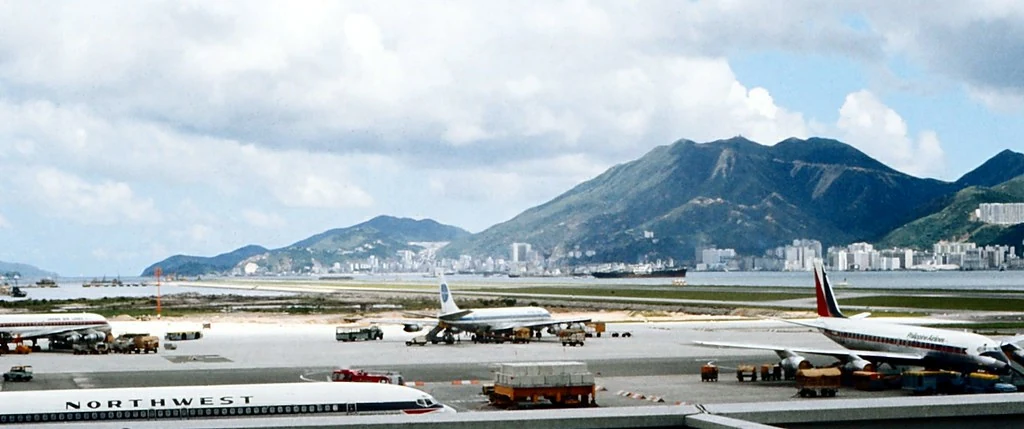
Kowloon’s urban story includes both planned growth and changing work. Kai Tak began with a reclaimed-land proposal before becoming an airfield woven into the city; Kwun Tong’s former cargo and industrial landscapes have shifted toward public waterfront and new uses. Their changing uses trace how land and work were reorganised as Kowloon grew.
Kai Tak’s name began with two developers’ reclaimed-land scheme before becoming inseparable from Hong Kong aviation.
A former cargo-working area now forms a waterfront park whose sculptures keep traces of Kwun Tong’s loading and recycling trades.
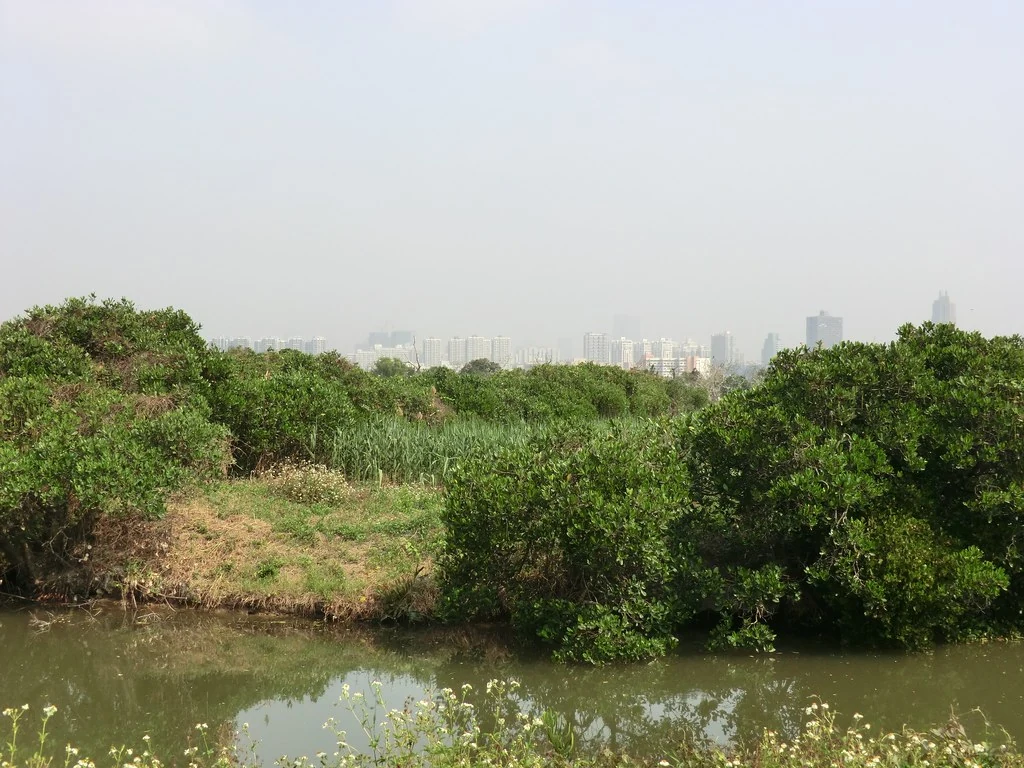
In the New Territories, community life and ecology share a landscape. Sek pun places a communal meal within clan and ritual occasions, while Deep Bay’s tidal flats support migrating waders as a feeding and resting habitat. The shared meal follows a village calendar; the tidal flats follow the movement of birds. Both give the New Territories rhythms beyond the city centre.
In New Territories village traditions, sek pun brings shared food into occasions of kinship, ritual and collective recognition.
From the East Asian–Australasian Flyway to the Mai Po Inner Deep Bay Ramsar Site, Deep Bay links distinct feeding and resting habitats for waterbirds.
Craft is visible in a carved mahjong tile, heard in the long making of a guqin and tasted in Aberdeen’s boat noodles. These stories follow the knowledge held in tools, materials and preparation: Choi Chang Sau’s instrument-making lineage, Biu Kee’s hand-carved marks and a food boat serving dried-flounder broth. Together they move from workshop benches to a working food boat, showing knowledge carried through making and cooking.
Wood, lacquer, calligraphy and listening meet in the Hong Kong lineage of guqin maker Choi Chang Sau.
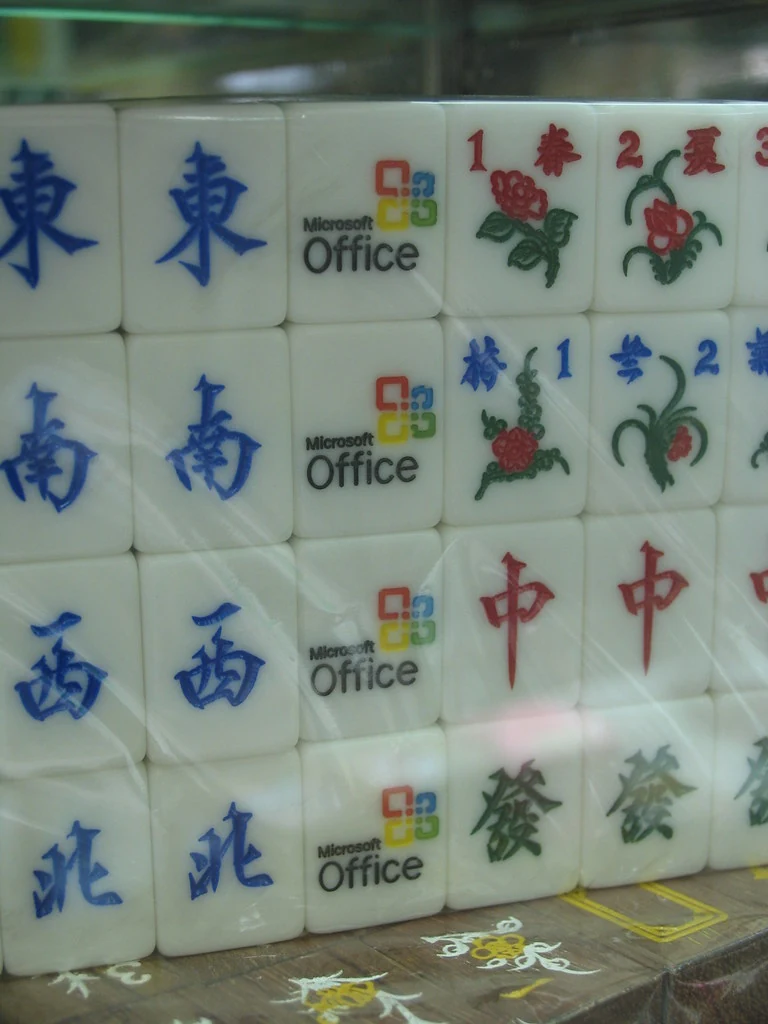
At Biu Kee in Jordan, carving and colour turn blank tiles into familiar symbols and personal designs.
Lau Kee Boat Noodles, established in 1981, serves dried-flounder broth from a food boat in Aberdeen, where a broader fishing heritage is interpreted today.
Literature and film place imagined lives in real settings. In Love in a Fallen City, Eileen Chang’s characters are fictional; the real Repulse Bay Hotel provided a setting for them and opened in 1920. Later buildings on the site belong to a separate chronology. The old Yau Ma Tei Police Station, built in 1922, appears in several films while remaining a real pre-war public building.
Eileen Chang’s fictional scenes and Repulse Bay’s changing buildings open two connected ways of looking at the coast.
The Old Yau Ma Tei Police Station’s portico and pre-war facade have given the building a second life in cinema.
Explore eighteen districts, from harbour neighbourhoods to villages and outlying islands.
Central and Western — Within one Central compound, barracks, a police headquarters, courts and a prison placed several instruments of colonial rule side by side.
All articlesWan Chai — The Blue House site was once home to Wah To Hospital, listed in the 1872 rate book, before the address became residential.
All articlesEastern — Tai Tam’s reservoirs and associated works were built in stages between 1883 and 1917 as Hong Kong expanded its water supply.
All articlesSouthern — Completed in 1899, Wong Nai Chung Reservoir served as an auxiliary water source beyond the Tai Tam group.
All articlesYau Tsim Mong — M+ conservators confront broken tubes, ageing paint and obsolete parts while caring for Hong Kong’s neon signs.
All articlesSham Shui Po — A housing project in 1955 exposed a Han tomb at Lei Cheng Uk, turning a construction site into one of Hong Kong’s key archaeological discoveries.
All articlesKowloon City — At Kowloon Walled City Park, two inscribed stones make a vanished Qing garrison town legible again.
All articlesWong Tai Sin — A Tang-style public garden in Diamond Hill arranges timber, water, rocks and trees as a place for quiet leisure.
All articlesKwun Tong — The name Kwun Tong sits over a coastline once tied to government salt fields, though its later spelling has more than one explanation.
All articlesTsuen Wan — On Tai Mo Shan, grassy slopes preserve traces of an older tea landscape, while rain and streams still shape the mountain.
All articlesTuen Mun — Tai Lam’s reservoirs and woodlands grew from postwar water infrastructure and afforestation on eroded hills.
All articlesYuen Long — Kat Hing Wai is one of Kam Tin’s five walled villages. Its shrine, entrance, watchtowers and enclosing walls are separately recorded in the heritage register.
All articlesNorth District — Long Valley’s wet farmland, ponds and marshes support wildlife alongside farming. The nature park, opened in 2024, combines conservation, eco-friendly agriculture and nature education in a landscape between two rivers.
All articlesTai Po — A railway station built in 1913 now preserves the material memory of Hong Kong’s railway inside the town it once served.
All articlesSha Tin — At Hong Kong’s Jin Yong Gallery, manuscripts and early editions bring the great martial arts stories back to the work of writing.
All articlesSai Kung — Sai Kung’s volcanic-rock region is known for extensive fields of hexagonal columns, distinct from the sedimentary landscapes of the northeast.
All articlesKwai Tsing — The Tsuen Wan new town’s planned geography crosses today’s district boundaries, joining factories, container terminals and new communities.
All articlesIslands — Timber and zinc-sheet houses line Tai O’s shifting shore, where high and low tides shape a distinctive coastal settlement.
All articles