Tai Kwun and the Machinery of Colonial Law
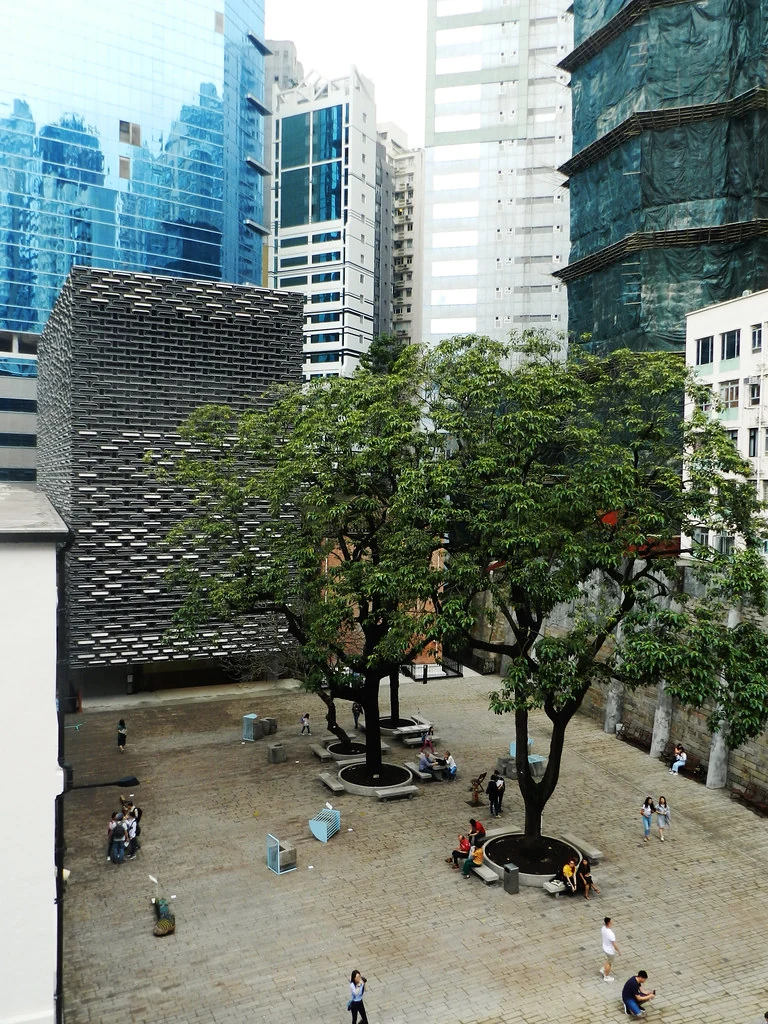
Within one Central compound, barracks, a police headquarters, courts and a prison placed several instruments of colonial rule side by side.
Within one Central compound, barracks, a police headquarters, courts and a prison placed several instruments of colonial rule side by side.
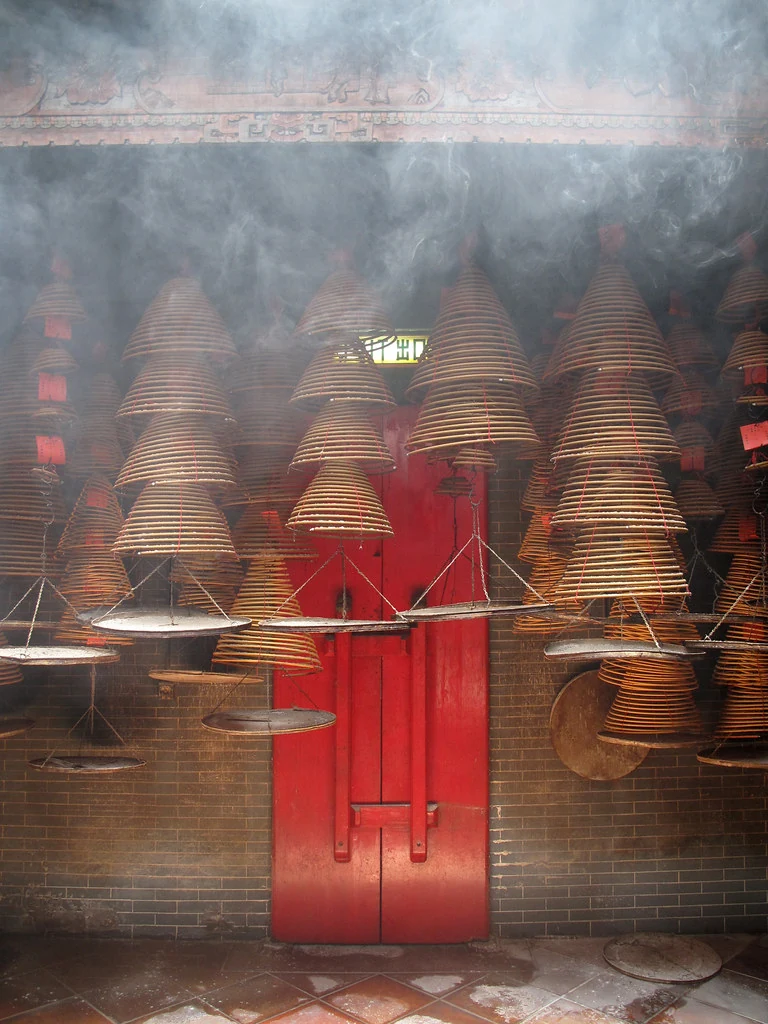
The Man Mo Temple compound in Sheung Wan includes the temple, Lit Shing Kung and Kung Sor, a hall once used for neighbourhood affairs.
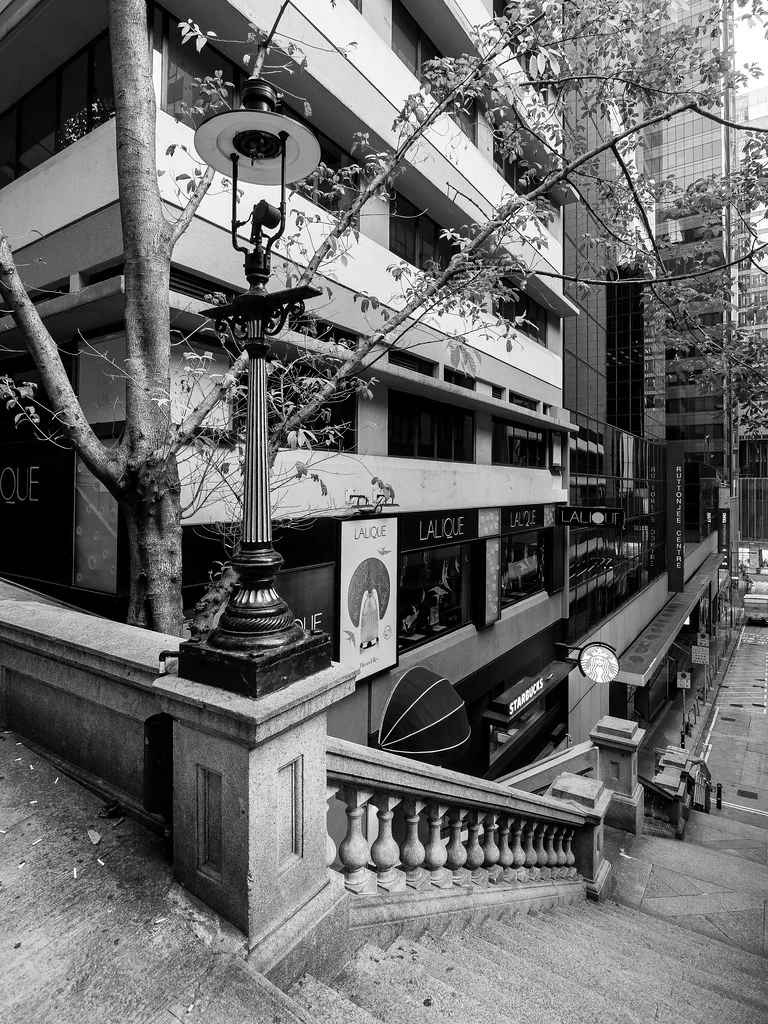
Four working gas lamps remain on Duddell Street after Hong Kong’s 1967 street-light electrification, beside the steps that connect Central’s slopes.
Within one Central compound, barracks, a police headquarters, courts and a prison placed several instruments of colonial rule side by side.
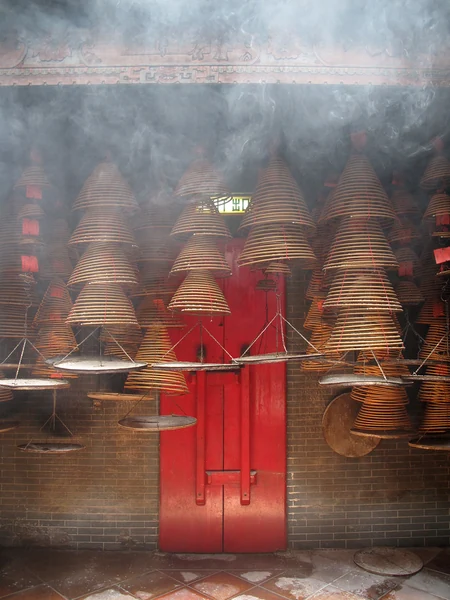
The Man Mo Temple compound in Sheung Wan includes the temple, Lit Shing Kung and Kung Sor, a hall once used for neighbourhood affairs.
Read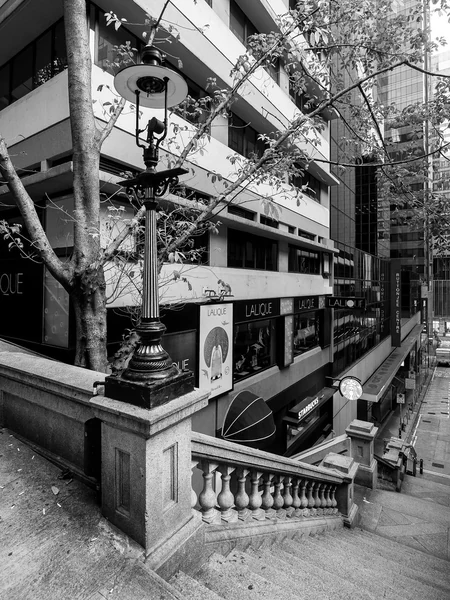
Four working gas lamps remain on Duddell Street after Hong Kong’s 1967 street-light electrification, beside the steps that connect Central’s slopes.
Read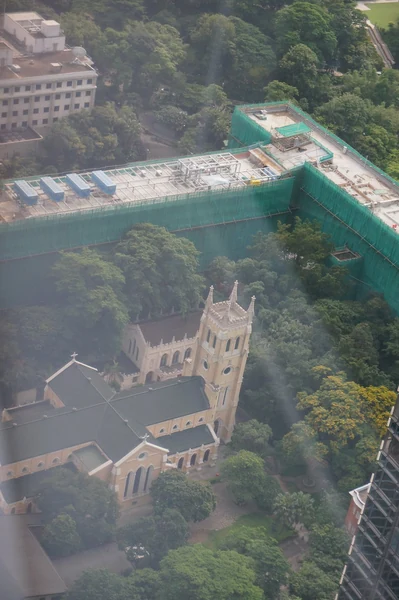
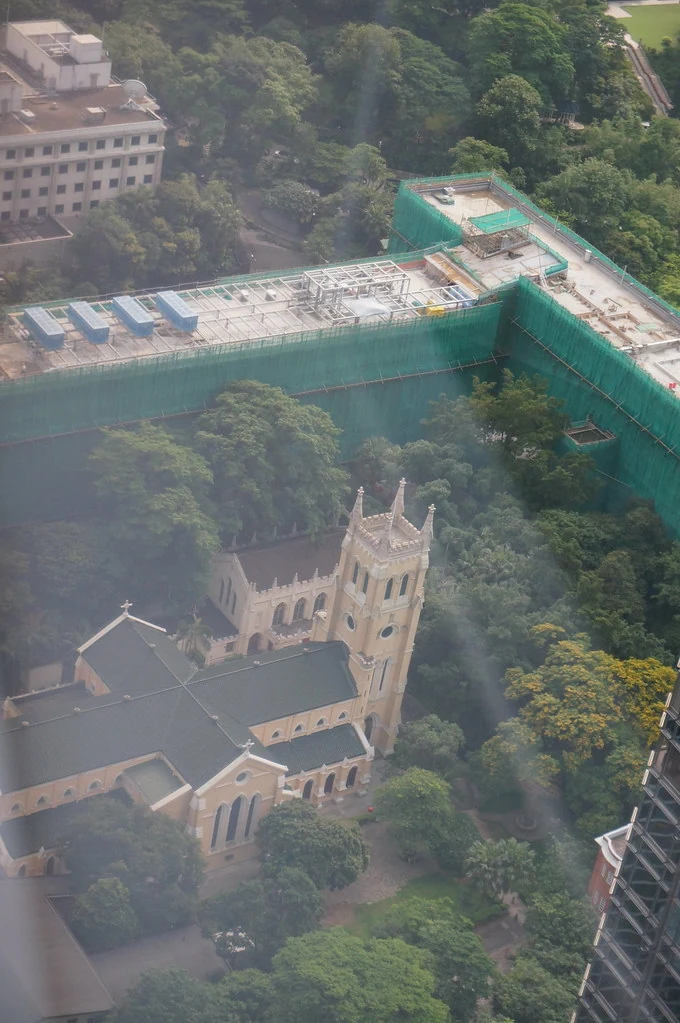
Built in 1849, St John’s Cathedral has witnessed changing religious and civic life in Central, including its use as a Japanese club during the occupation.
ReadBuilt in the 1890s, West Point Filters improved water-supply hygiene and preserves traces of the workers who maintained the system.
ReadA former pumping station links the waterworks of Pok Fu Lam with the institutional landscape of the University of Hong Kong.
Read
The names Possession Point and Tai Tat Tei preserve traces of streams, a former coast, military use and a later public park in Sheung Wan.
ReadTwo reclamation periods, from 1843–1865 and 1890–1904, pushed Central’s waterfront northward and left plaques as markers of the changing edge.
ReadA commemorative plaque and Blake Garden mark how the 1894 plague and the government’s response reshaped a section of Sheung Wan.
Read
Along Hollywood Road and nearby Sheung Wan, a temple compound and a demolished theatre reveal different forms of communal life.
ReadWest Point Filters preserved both a watchman’s cottage and accommodation for Chinese workers, placing the people behind water supply in view.
ReadWithin one Central compound, barracks, a police headquarters, courts and a prison placed several instruments of colonial rule side by side.
The Man Mo Temple compound in Sheung Wan includes the temple, Lit Shing Kung and Kung Sor, a hall once used for neighbourhood affairs.
Four working gas lamps remain on Duddell Street after Hong Kong’s 1967 street-light electrification, beside the steps that connect Central’s slopes.
Built in 1849, St John’s Cathedral has witnessed changing religious and civic life in Central, including its use as a Japanese club during the occupation.
Built in the 1890s, West Point Filters improved water-supply hygiene and preserves traces of the workers who maintained the system.
A former pumping station links the waterworks of Pok Fu Lam with the institutional landscape of the University of Hong Kong.
The names Possession Point and Tai Tat Tei preserve traces of streams, a former coast, military use and a later public park in Sheung Wan.
Two reclamation periods, from 1843–1865 and 1890–1904, pushed Central’s waterfront northward and left plaques as markers of the changing edge.
A commemorative plaque and Blake Garden mark how the 1894 plague and the government’s response reshaped a section of Sheung Wan.
Along Hollywood Road and nearby Sheung Wan, a temple compound and a demolished theatre reveal different forms of communal life.
West Point Filters preserved both a watchman’s cottage and accommodation for Chinese workers, placing the people behind water supply in view.