Hexagonal Columns on Sai Kung’s Volcanic Coast
Sai Kung’s volcanic-rock region is known for extensive fields of hexagonal columns, distinct from the sedimentary landscapes of the northeast.
Sai Kung’s volcanic-rock region is known for extensive fields of hexagonal columns, distinct from the sedimentary landscapes of the northeast.
Four lime kilns once operated on Hoi Ha Wan’s eastern shore. Their surviving structures connect a historic shell-and-coral industry with the bay’s protected marine landscape.
Practised in Hang Hau for more than two centuries, the Hakka unicorn dance brings a village tradition of movement and music into Sai Kung’s cultural life.
Sai Kung’s volcanic-rock region is known for extensive fields of hexagonal columns, distinct from the sedimentary landscapes of the northeast.
Four lime kilns once operated on Hoi Ha Wan’s eastern shore. Their surviving structures connect a historic shell-and-coral industry with the bay’s protected marine landscape.
ReadPractised in Hang Hau for more than two centuries, the Hakka unicorn dance brings a village tradition of movement and music into Sai Kung’s cultural life.
ReadAt Kau Sai, a Jiao on the day before the Hung Shing Festival leads into two days of ritual, Cantonese opera and community gatherings.
ReadJoss House Bay’s Tin Hau Temple preserves a rare seashore setting and a living connection to fishermen and seafarers. The temple’s architecture and annual worship draw on the bay’s maritime geography.
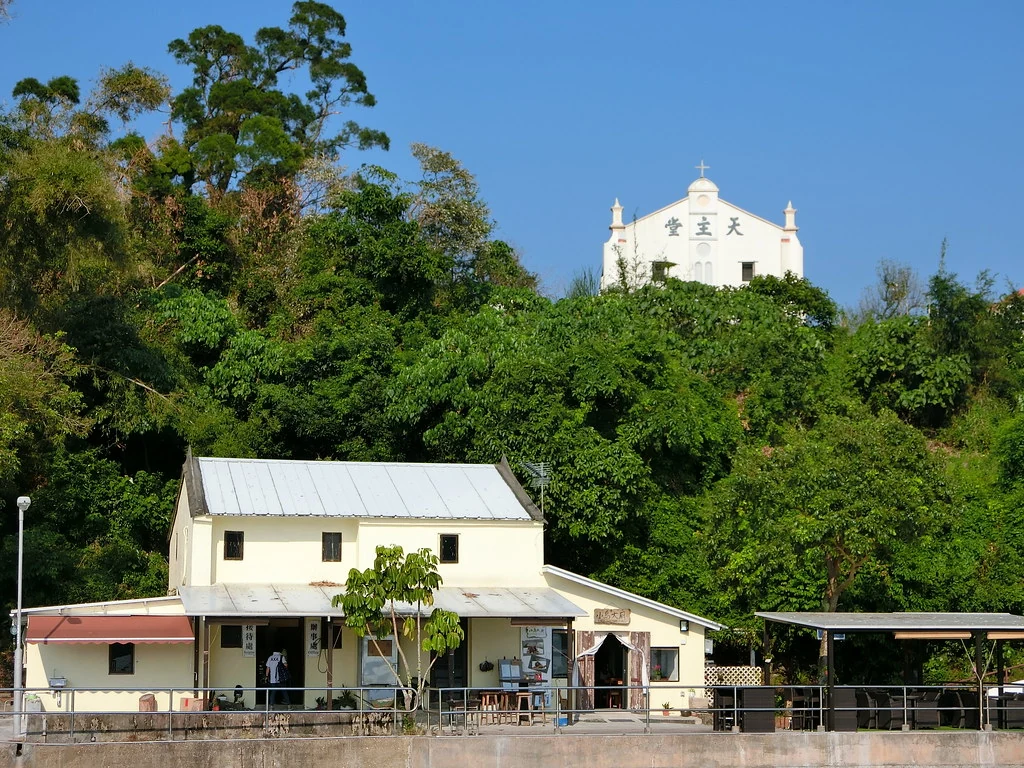
ReadYim Tin Tsai’s salt-making past, Catholic chapel and restoration projects reveal an island shaped by migration and return.
Read
The island’s restored saltpans and St Joseph’s Chapel hold two strands of Yim Tin Tsai’s story: work by the shore and Catholic village life.
ReadAt Hang Hau’s Tin Hau Festival, a temporary bamboo theatre made space for opera, while a unicorn dance invited the goddess into the village procession.
ReadSai Kung’s volcanic-rock region is known for extensive fields of hexagonal columns, distinct from the sedimentary landscapes of the northeast.
Four lime kilns once operated on Hoi Ha Wan’s eastern shore. Their surviving structures connect a historic shell-and-coral industry with the bay’s protected marine landscape.
Practised in Hang Hau for more than two centuries, the Hakka unicorn dance brings a village tradition of movement and music into Sai Kung’s cultural life.
At Kau Sai, a Jiao on the day before the Hung Shing Festival leads into two days of ritual, Cantonese opera and community gatherings.
Joss House Bay’s Tin Hau Temple preserves a rare seashore setting and a living connection to fishermen and seafarers. The temple’s architecture and annual worship draw on the bay’s maritime geography.
Yim Tin Tsai’s salt-making past, Catholic chapel and restoration projects reveal an island shaped by migration and return.
The island’s restored saltpans and St Joseph’s Chapel hold two strands of Yim Tin Tsai’s story: work by the shore and Catholic village life.