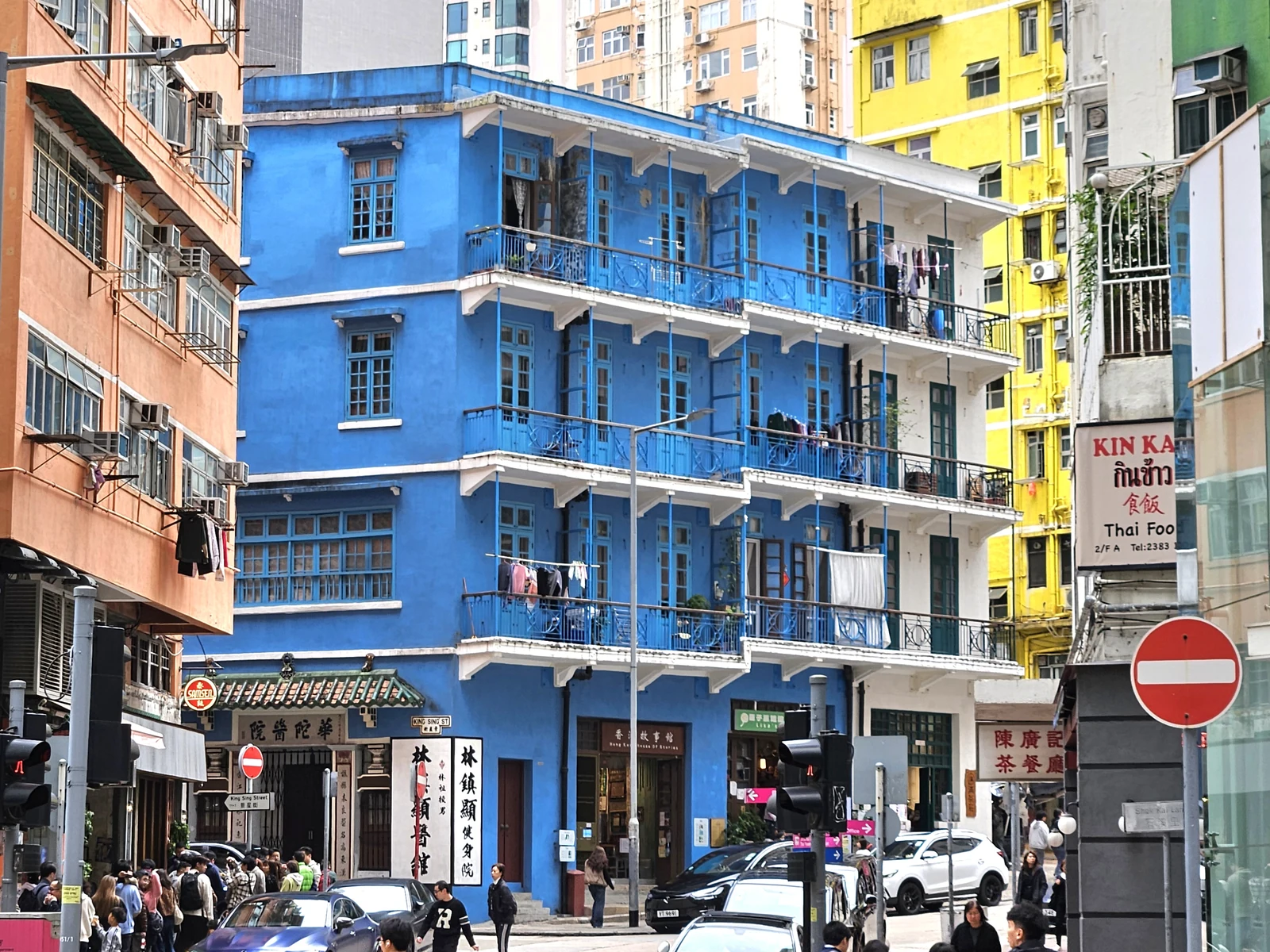
From Wah To Hospital to a Wan Chai Tenement
The Blue House site was once home to Wah To Hospital, listed in the 1872 rate book, before the address became residential.
The Blue House site was once home to Wah To Hospital, listed in the 1872 rate book, before the address became residential.
The Blue House cluster’s revitalisation retains residential use and hosts community cultural activity, placing daily life at the centre of heritage reuse.
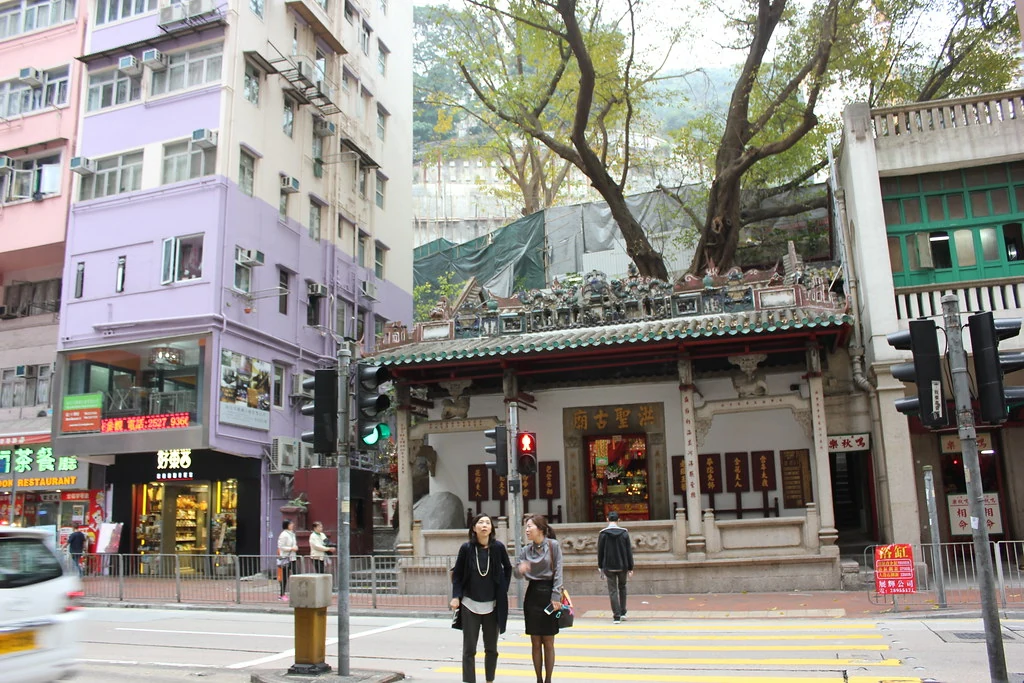
AMO estimates that Wan Chai’s Hung Shing Temple dates to 1847–1852; today it stands amid a coastline transformed by reclamation.
The Blue House site was once home to Wah To Hospital, listed in the 1872 rate book, before the address became residential.
The Blue House cluster’s revitalisation retains residential use and hosts community cultural activity, placing daily life at the centre of heritage reuse.
Read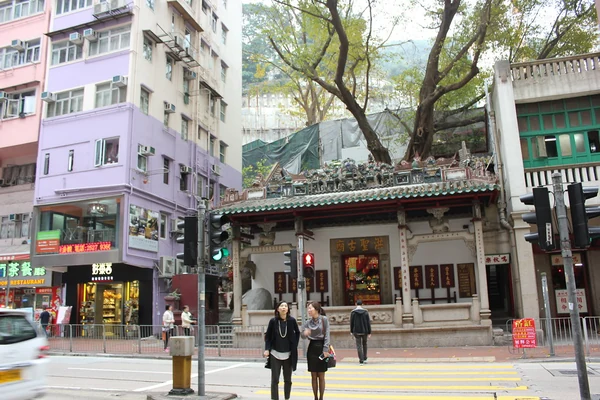
AMO estimates that Wan Chai’s Hung Shing Temple dates to 1847–1852; today it stands amid a coastline transformed by reclamation.
Read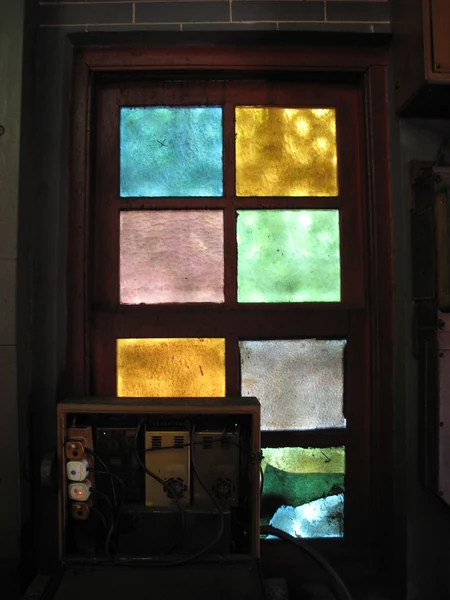
Wanchai’s Yuk Hui Temple, completed in 1863, combined worship with side spaces used as a communal hall and study hall.
Read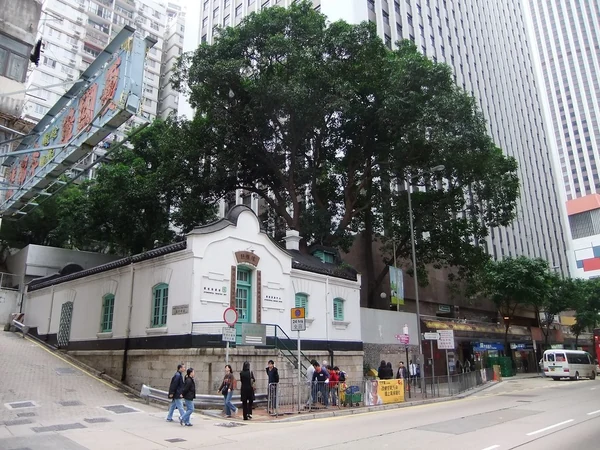
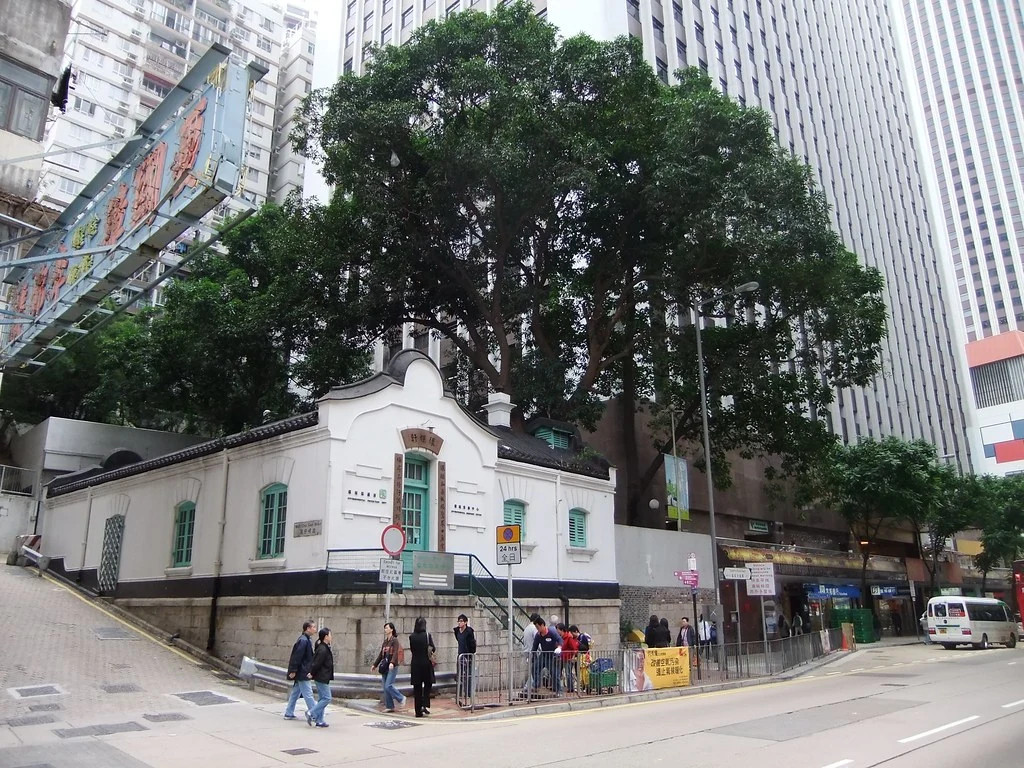
Opened in 1915, the former Wan Chai Post Office has since moved from postal service to environmental education and community use.
Read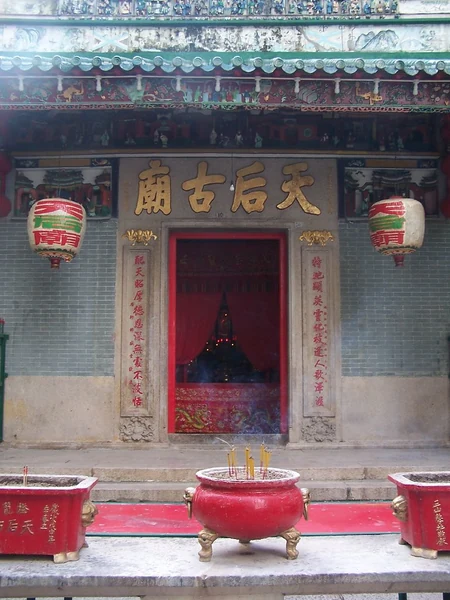
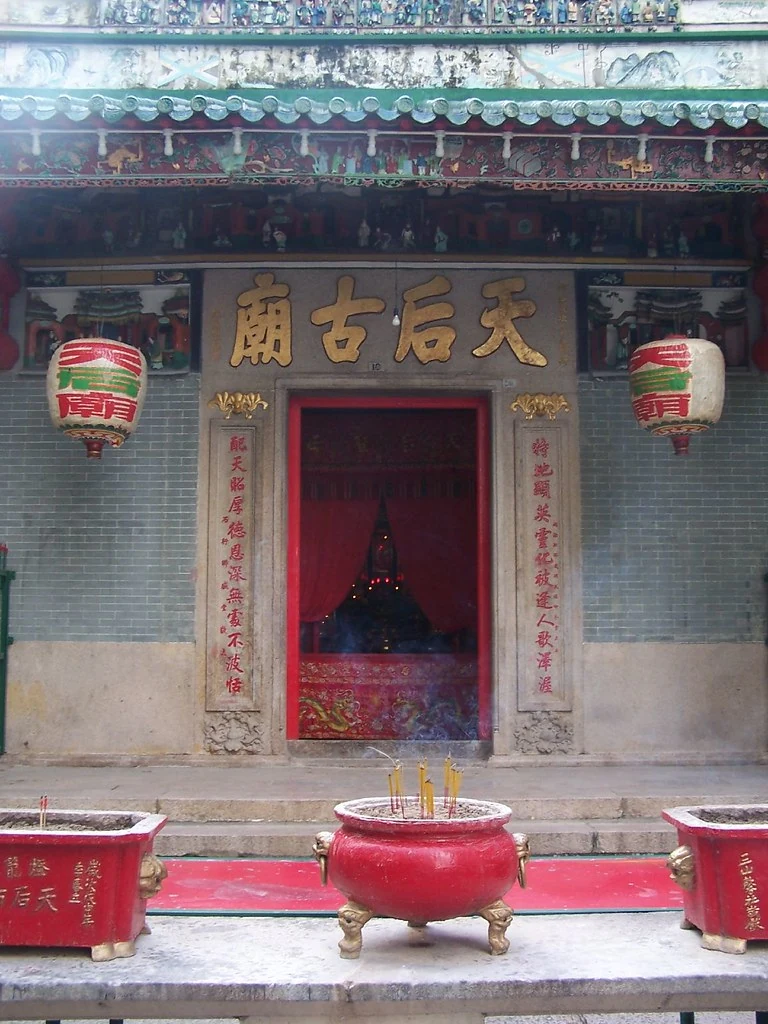
Causeway Bay’s Tin Hau Temple preserves a bell cast in 1747 and a memory of a time when the temple stood directly beside the sea.
ReadBuilt on a hillside and linked to the Tai Hang Fire Dragon Dance, Lin Fa Temple brings architecture and neighbourhood ritual together.
ReadThe Blue House site was once home to Wah To Hospital, listed in the 1872 rate book, before the address became residential.
The Blue House cluster’s revitalisation retains residential use and hosts community cultural activity, placing daily life at the centre of heritage reuse.
AMO estimates that Wan Chai’s Hung Shing Temple dates to 1847–1852; today it stands amid a coastline transformed by reclamation.
Wanchai’s Yuk Hui Temple, completed in 1863, combined worship with side spaces used as a communal hall and study hall.
Opened in 1915, the former Wan Chai Post Office has since moved from postal service to environmental education and community use.
Causeway Bay’s Tin Hau Temple preserves a bell cast in 1747 and a memory of a time when the temple stood directly beside the sea.
Built on a hillside and linked to the Tai Hang Fire Dragon Dance, Lin Fa Temple brings architecture and neighbourhood ritual together.