Tai O’s Stilt Houses: Building Between the Tides
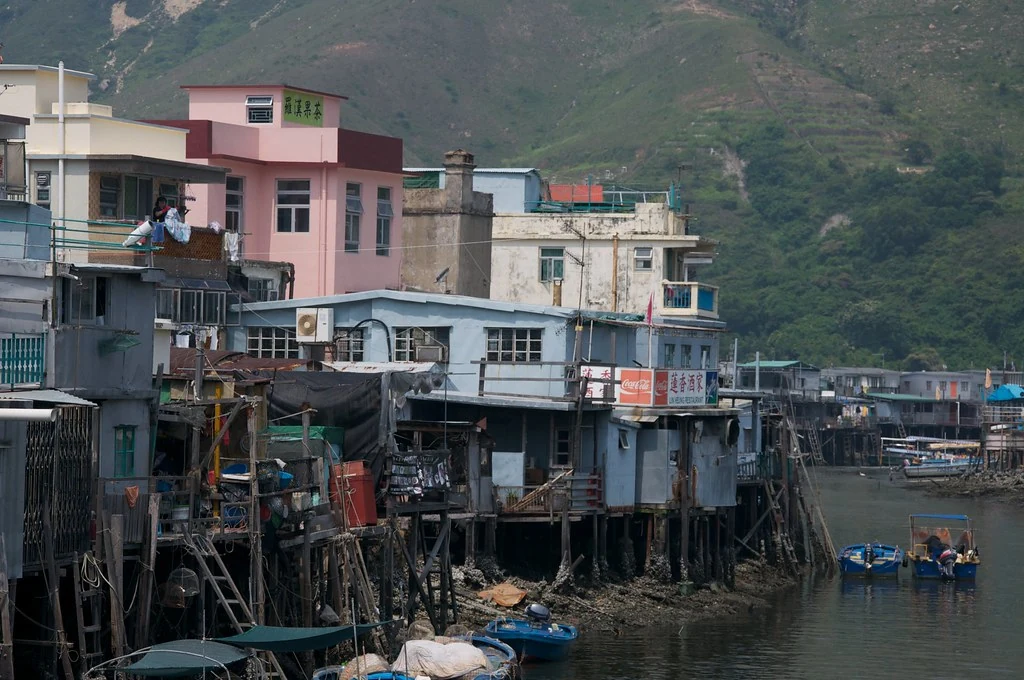
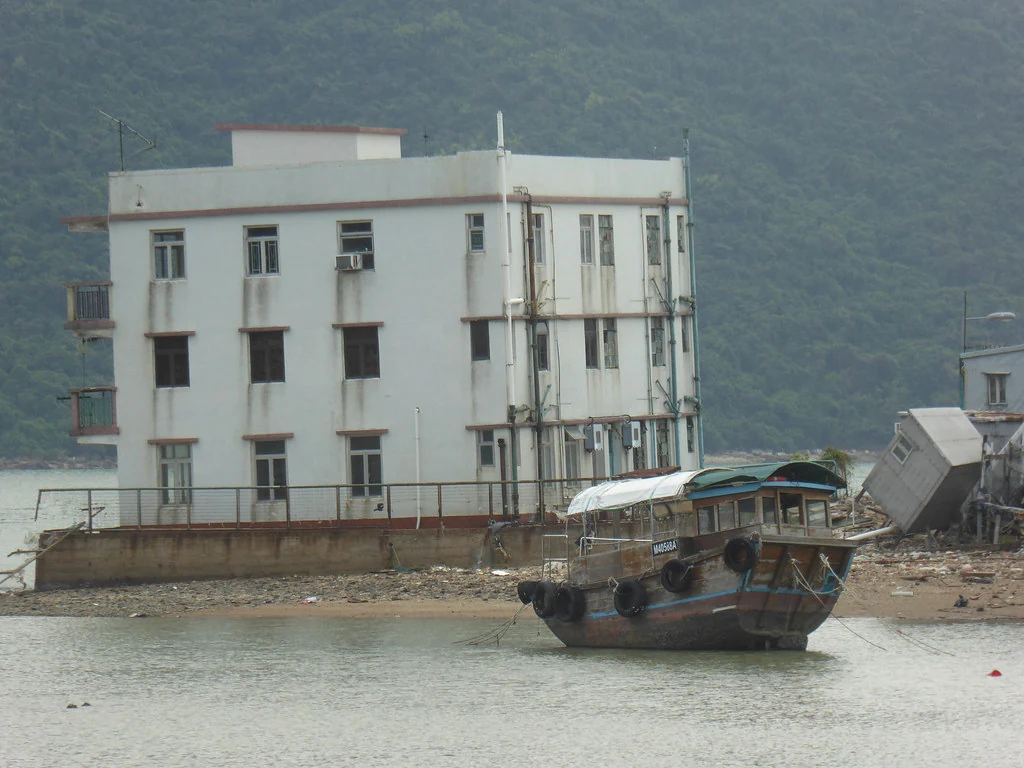
Timber and zinc-sheet houses line Tai O’s shifting shore, where high and low tides shape a distinctive coastal settlement.
Timber and zinc-sheet houses line Tai O’s shifting shore, where high and low tides shape a distinctive coastal settlement.
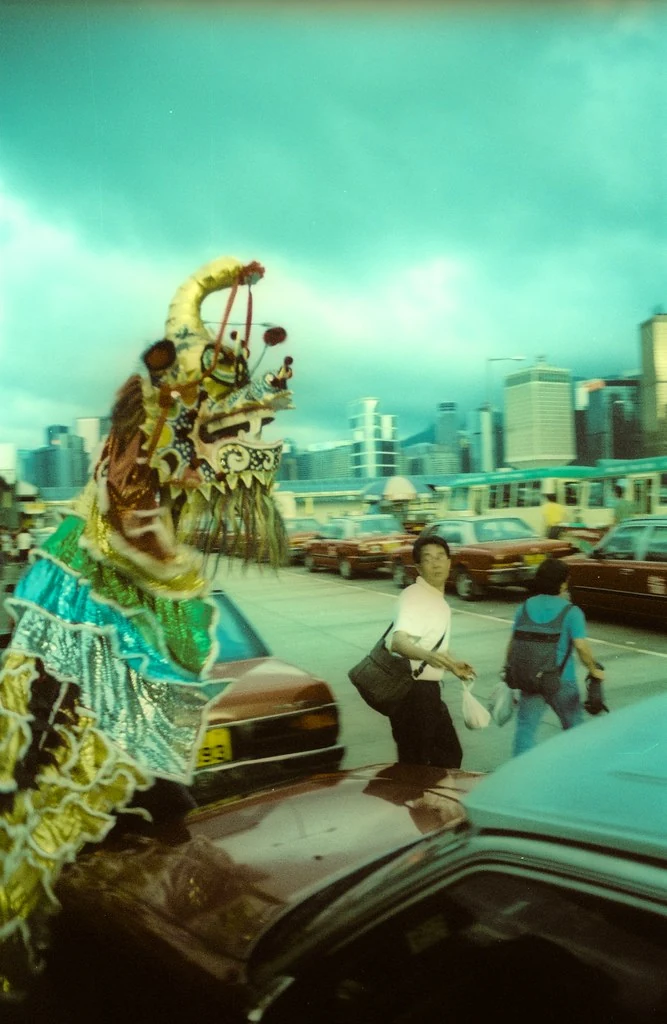
In Tai O’s ritual procession, dragon boats tow sacred sampans carrying deity statues through the village waterways.
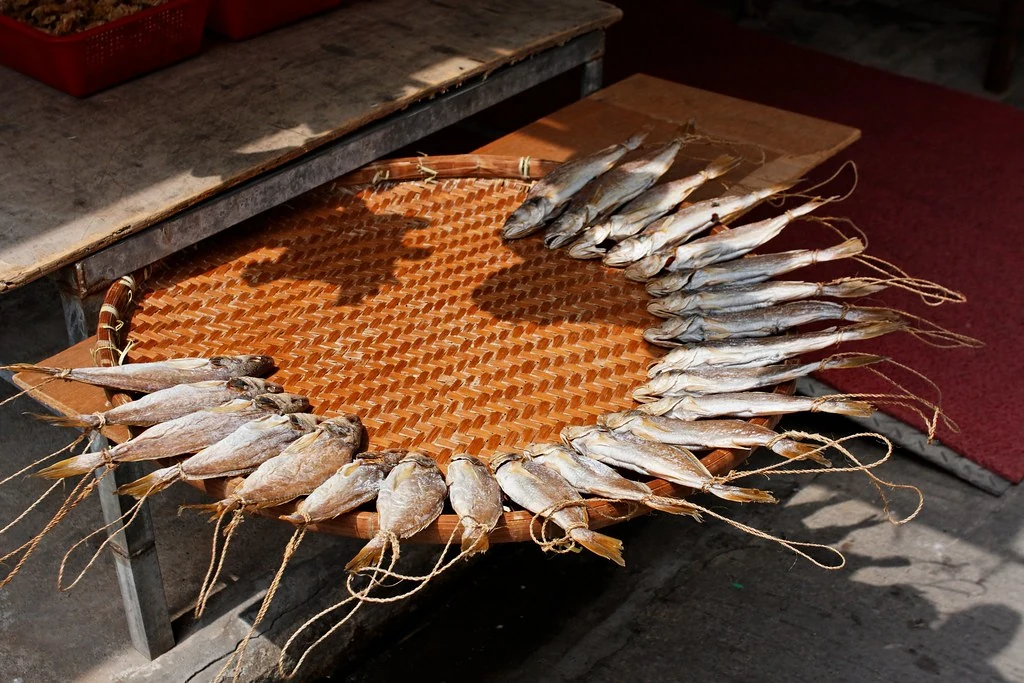
Hong Kong’s intangible-heritage inventory records salting and sun-drying seasonal fish, a preservation practice within the territory’s fishing culture.
Timber and zinc-sheet houses line Tai O’s shifting shore, where high and low tides shape a distinctive coastal settlement.
In Tai O’s ritual procession, dragon boats tow sacred sampans carrying deity statues through the village waterways.
Read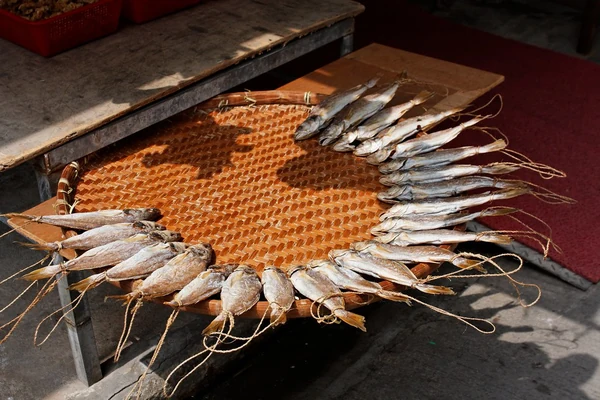
Hong Kong’s intangible-heritage inventory records salting and sun-drying seasonal fish, a preservation practice within the territory’s fishing culture.
ReadHong Kong’s intangible-heritage inventory describes shrimp paste made from silver shrimp, salt, fragmentation and sunning—a small catch transformed into a lasting ingredient.
ReadA small granite cave on Cheung Chau’s southwest coast is linked to the pirate Cheung Po Tsai through a local legend.
ReadA granite date slab marks Tung Chung Fort’s 1832 construction; the compound later served as a police station, school and civic office.
Read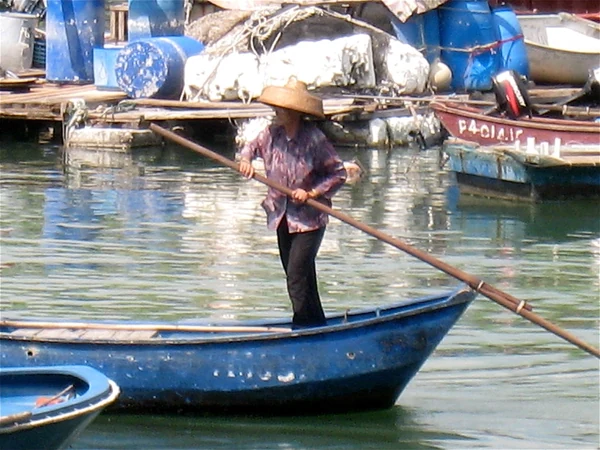
Sok Kwu Wan is a designated fish culture zone where licensed mariculture rafts connect aquaculture with limited visitor activities.
ReadLeather manufacturing employed Peng Chau residents. The former factories trace island work through wartime interruption, postwar decline and adaptive reuse.
ReadSilver mining took place at Silvermine Cave in the mid to late nineteenth century before stopping because of low silver content. The cave and waterfalls now frame a different view of Mui Wo’s landscape.
Read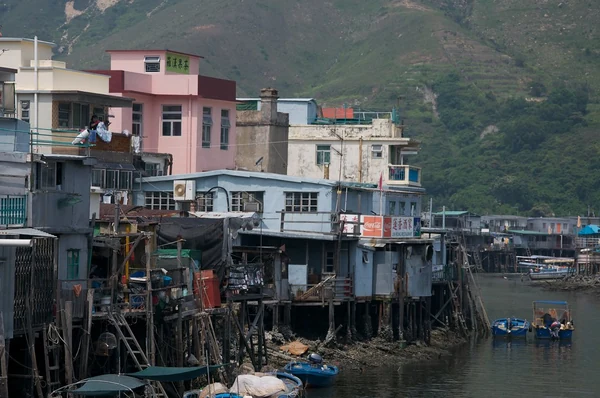
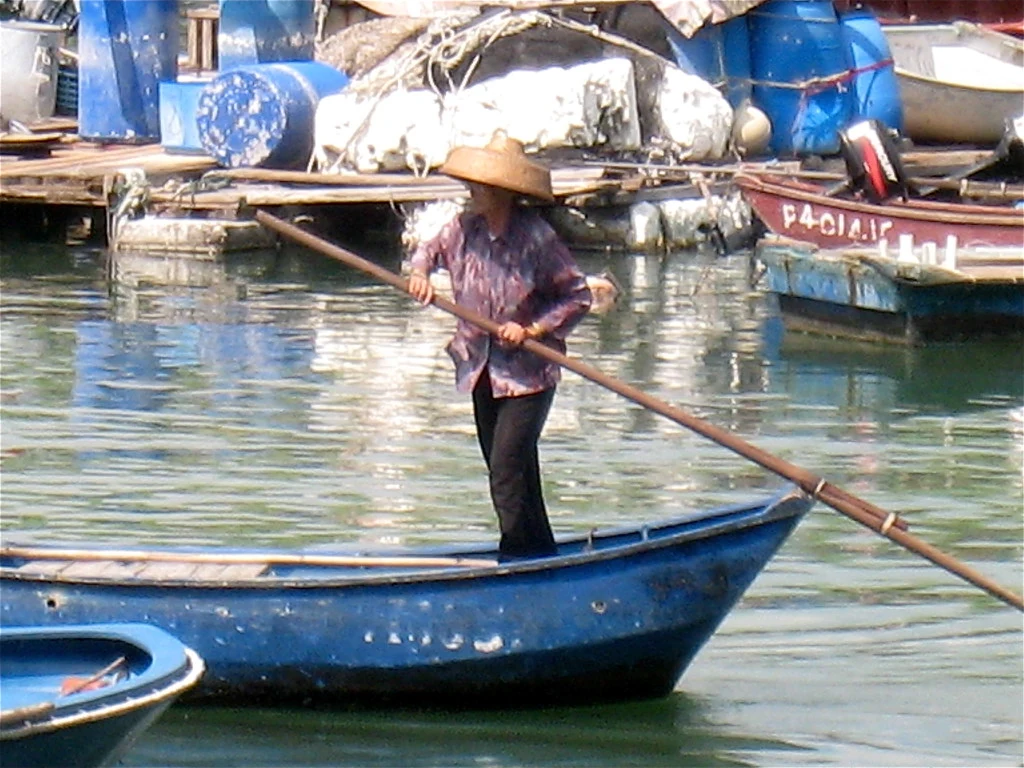
Tai O’s stilt houses belong to a working fishing village shaped by wetlands, tidal shorelines and daily life beside the water.
Read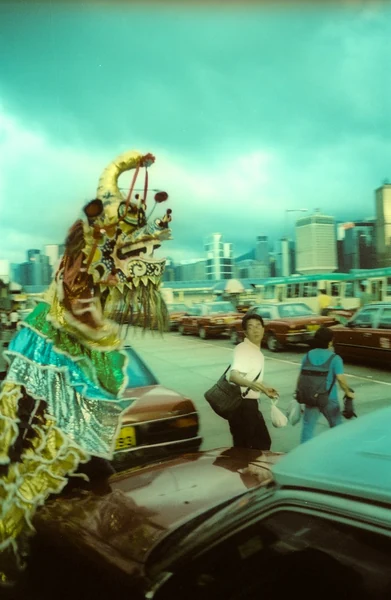
The annual Jiao Festival joins a legend of plague, public ritual and the continuing work of Cheung Chau residents.
ReadThe rock carvings on southern Po Toi were found in the 1960s, their patterned groups separated by a narrow fracture in the stone.
ReadTung Chung Fort’s story extends beyond its 1832 construction: after 1898, its buildings served as a police station, school and local offices.
ReadTimber and zinc-sheet houses line Tai O’s shifting shore, where high and low tides shape a distinctive coastal settlement.
In Tai O’s ritual procession, dragon boats tow sacred sampans carrying deity statues through the village waterways.
A small granite cave on Cheung Chau’s southwest coast is linked to the pirate Cheung Po Tsai through a local legend.
A granite date slab marks Tung Chung Fort’s 1832 construction; the compound later served as a police station, school and civic office.
Sok Kwu Wan is a designated fish culture zone where licensed mariculture rafts connect aquaculture with limited visitor activities.
Leather manufacturing employed Peng Chau residents. The former factories trace island work through wartime interruption, postwar decline and adaptive reuse.
Silver mining took place at Silvermine Cave in the mid to late nineteenth century before stopping because of low silver content. The cave and waterfalls now frame a different view of Mui Wo’s landscape.
Tai O’s stilt houses belong to a working fishing village shaped by wetlands, tidal shorelines and daily life beside the water.
The annual Jiao Festival joins a legend of plague, public ritual and the continuing work of Cheung Chau residents.
The rock carvings on southern Po Toi were found in the 1960s, their patterned groups separated by a narrow fracture in the stone.