The Cheung Chau Jiao Festival is often introduced through a story of danger. According to the Intangible Cultural Heritage Office, legends say a plague devastated the island in the late Qing dynasty. In response, Huizhou and Chiu Chow residents invited Taoist priests, established a sacrificial altar near Pak Tai Temple, and prayed to the deities. The account says residents also paraded deity statues along village lanes, and that the plague ceased after the ritual. Told as a legend, the episode remembers collective fear, ritual action and the hope for protection. The altar and processions place that memory in the island’s shared spaces, linking religious practice to Cheung Chau’s own lanes and community life.
From the journal
Cheung Chau Jiao: A Festival Carried by the Island’s Residents
The annual Jiao Festival joins a legend of plague, public ritual and the continuing work of Cheung Chau residents.
In this district · Islands ↗
A story told as legend
An annual act of gratitude
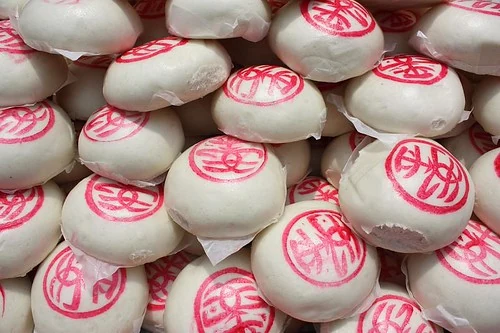
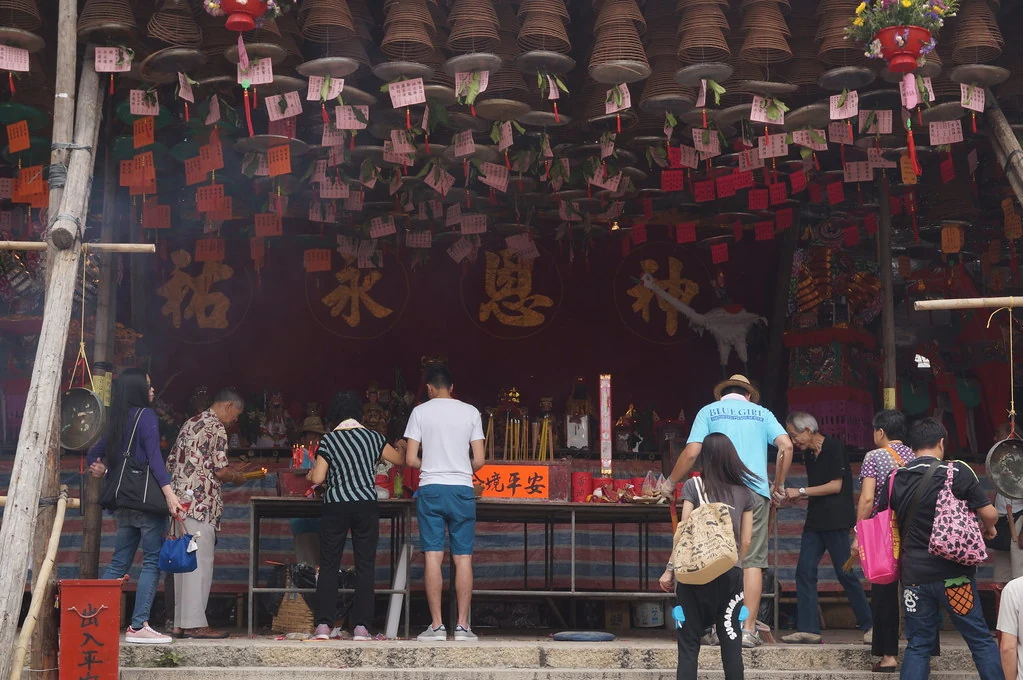
The festival became an annual expression of gratitude to Pak Tai and a prayer for peace and safety. Residents have organized it for more than a century, passing the ritual across generations. Each year, the Jiao renews the community’s relationship with its protective deity and with one another.
Recognition and transmission
In 2011, Cheung Chau Jiao Festival was inscribed on the third national list of intangible cultural heritage. The designation recognizes a living practice sustained by the island’s residents.