The Two Stone Plaques at the South Gate
At Kowloon Walled City Park, two inscribed stones make a vanished Qing garrison town legible again.
At Kowloon Walled City Park, two inscribed stones make a vanished Qing garrison town legible again.
Two dated objects inside Kowloon City’s Hau Wong Temple connect local worship to the nearby garrison town.
A carved boulder in a Kowloon City garden carries a royal legend, while the vanished hill tells a history of urban change.
At Kowloon Walled City Park, two inscribed stones make a vanished Qing garrison town legible again.
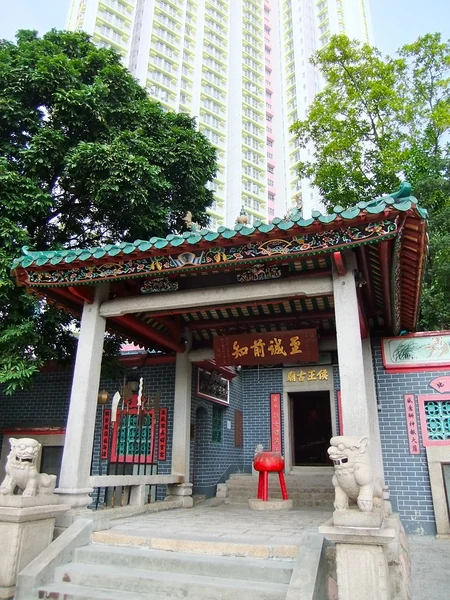
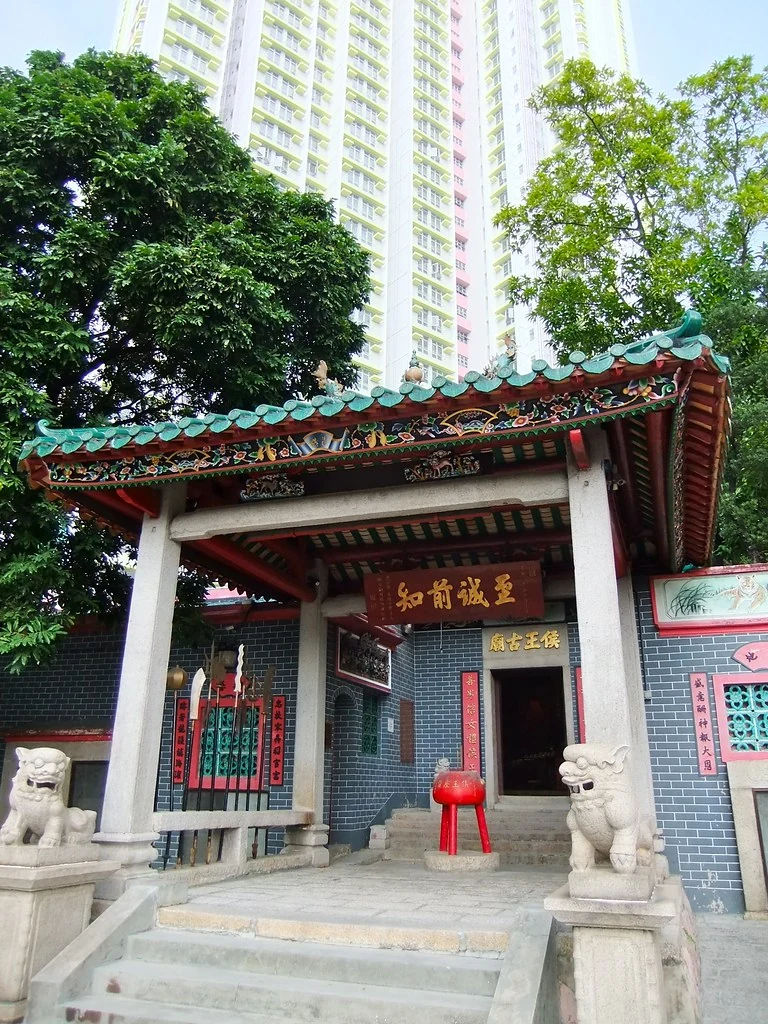
Two dated objects inside Kowloon City’s Hau Wong Temple connect local worship to the nearby garrison town.
ReadA carved boulder in a Kowloon City garden carries a royal legend, while the vanished hill tells a history of urban change.
ReadA bridge built from the shore toward Kowloon Walled City disappeared beneath reclamation, then returned through archaeology.
Read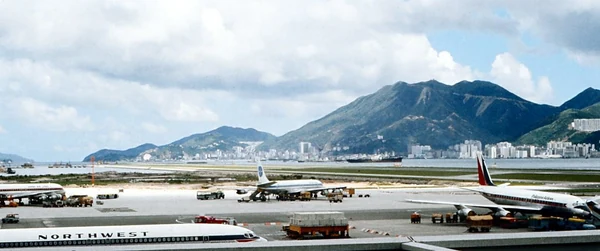
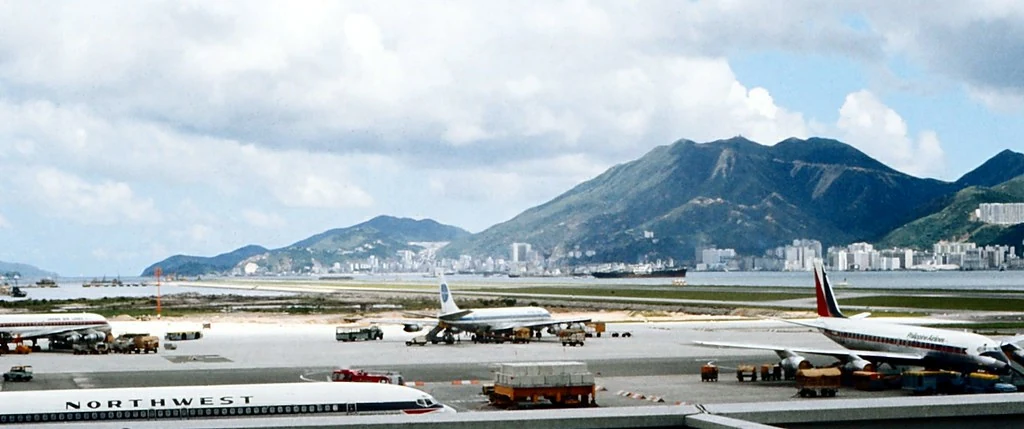
Kai Tak’s name began with two developers’ reclaimed-land scheme before becoming inseparable from Hong Kong aviation.
ReadA river in modern Kowloon preserves the line of streams redirected through airport reclamation and city building.
ReadGovernment archive displays and photographs record Kai Tak as both an airport and a public place of parting and return.
Read
Kai Tak’s runway grew with aviation demand inside one of the world’s densest urban settings.
ReadMaryknoll’s main building moved from education to wartime hospital use and back, while its courtyard plan and architectural details endured.
ReadThai grocers, Cantonese shops and Chiu Chow kitchens make Kowloon City’s food streets a meeting place for different migration histories.
ReadDuring the Japanese Occupation, stone from Kowloon Walled City’s wall was used in airport expansion, while the South Gate survived beneath later layers of the city.
ReadOn 5 July 1998, 29 aircraft made an overnight transfer from Kai Tak to Chek Lap Kok, ending one airport era in Kowloon.
ReadThe South Gate, Hau Wong Temple and Song Wong Toi preserve different parts of Kowloon City’s military, religious and dynastic histories.
ReadMaryknoll’s school building combines a cloistered courtyard, European design influences and a wartime chapter as a military hospital.
Read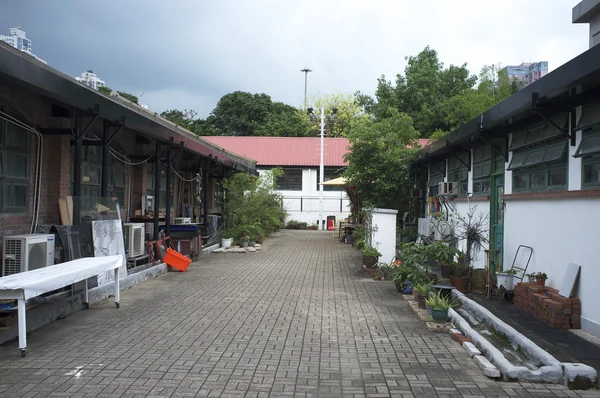
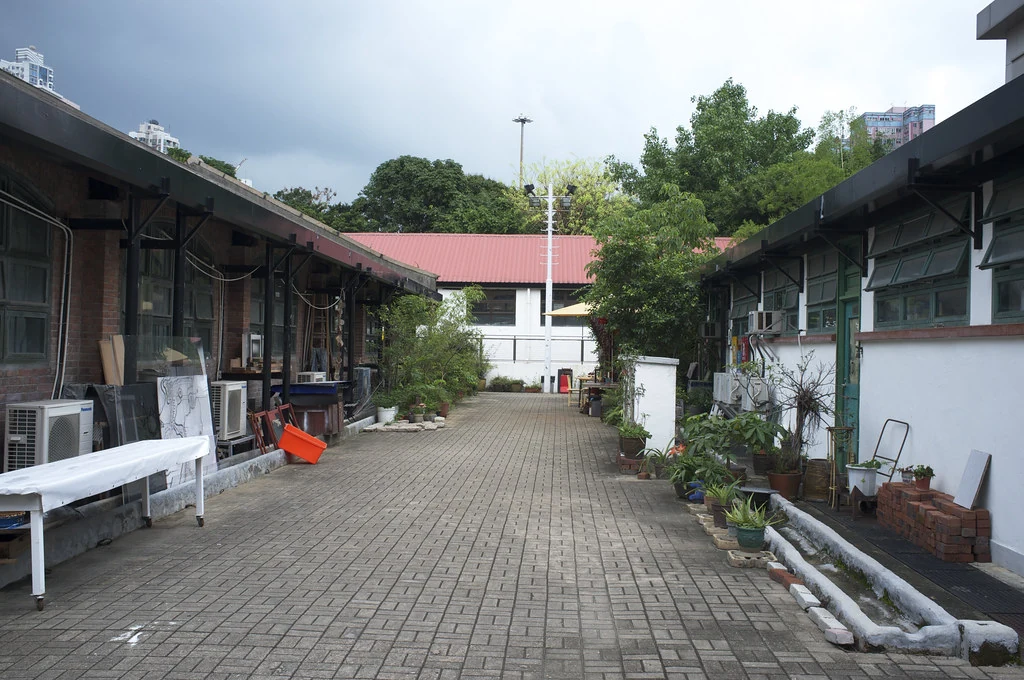
The former Ma Tau Kok animal quarantine depot moved from slaughter and inspection work to studios, exhibitions and a public arts park.
ReadAt Kowloon Walled City Park, two inscribed stones make a vanished Qing garrison town legible again.
Two dated objects inside Kowloon City’s Hau Wong Temple connect local worship to the nearby garrison town.
A carved boulder in a Kowloon City garden carries a royal legend, while the vanished hill tells a history of urban change.
A bridge built from the shore toward Kowloon Walled City disappeared beneath reclamation, then returned through archaeology.
Kai Tak’s name began with two developers’ reclaimed-land scheme before becoming inseparable from Hong Kong aviation.
A river in modern Kowloon preserves the line of streams redirected through airport reclamation and city building.
Government archive displays and photographs record Kai Tak as both an airport and a public place of parting and return.
Kai Tak’s runway grew with aviation demand inside one of the world’s densest urban settings.
Maryknoll’s main building moved from education to wartime hospital use and back, while its courtyard plan and architectural details endured.
Thai grocers, Cantonese shops and Chiu Chow kitchens make Kowloon City’s food streets a meeting place for different migration histories.
During the Japanese Occupation, stone from Kowloon Walled City’s wall was used in airport expansion, while the South Gate survived beneath later layers of the city.
The South Gate, Hau Wong Temple and Song Wong Toi preserve different parts of Kowloon City’s military, religious and dynastic histories.
Maryknoll’s school building combines a cloistered courtyard, European design influences and a wartime chapter as a military hospital.
The former Ma Tau Kok animal quarantine depot moved from slaughter and inspection work to studios, exhibitions and a public arts park.