An Eastern Han Tomb Beneath a Housing Project
A housing project in 1955 exposed a Han tomb at Lei Cheng Uk, turning a construction site into one of Hong Kong’s key archaeological discoveries.
A housing project in 1955 exposed a Han tomb at Lei Cheng Uk, turning a construction site into one of Hong Kong’s key archaeological discoveries.
A single place-name on a tomb brick locates Lei Cheng Uk within the administrative geography of Han-era southern China.
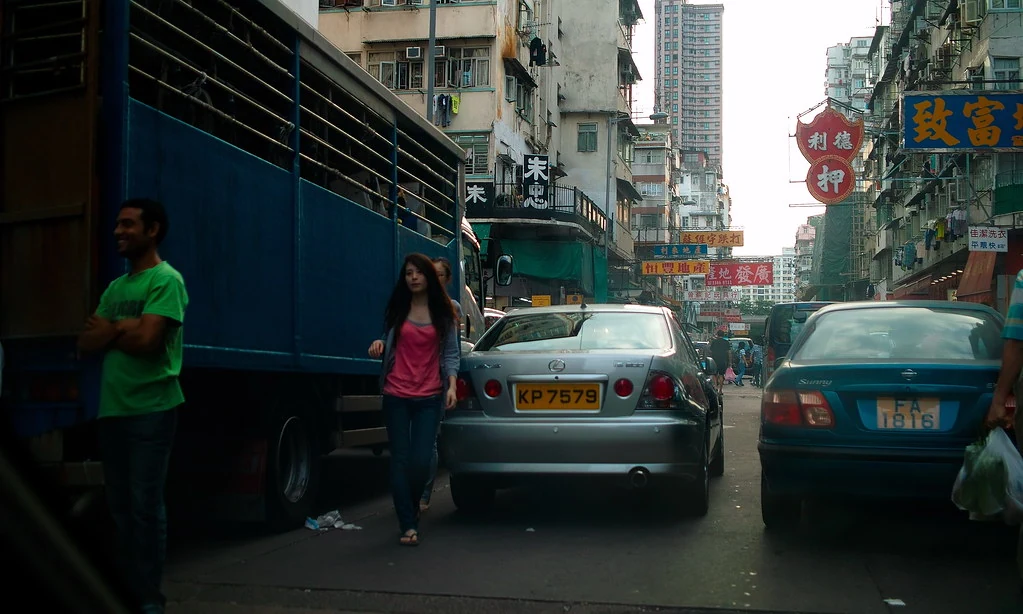
Today’s inland streets preserve a name tied to a deepwater pier said to have stood near Pei Ho and Tung Chau streets.
A housing project in 1955 exposed a Han tomb at Lei Cheng Uk, turning a construction site into one of Hong Kong’s key archaeological discoveries.
A single place-name on a tomb brick locates Lei Cheng Uk within the administrative geography of Han-era southern China.
Read
Today’s inland streets preserve a name tied to a deepwater pier said to have stood near Pei Ho and Tung Chau streets.
Read
Textile, garment, metal and enamel industries shaped Sham Shui Po; specialist streets still carry traces of that commercial landscape.
Read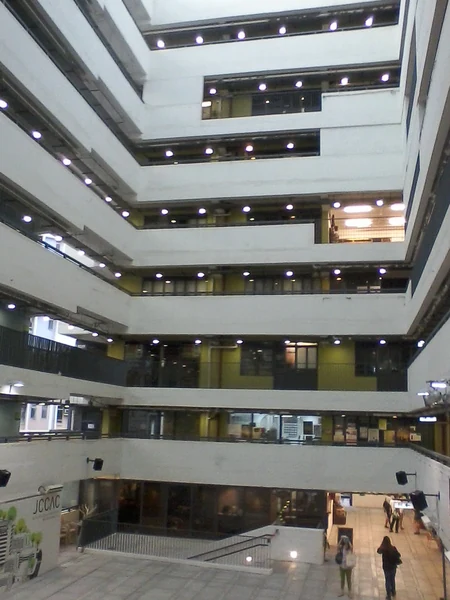
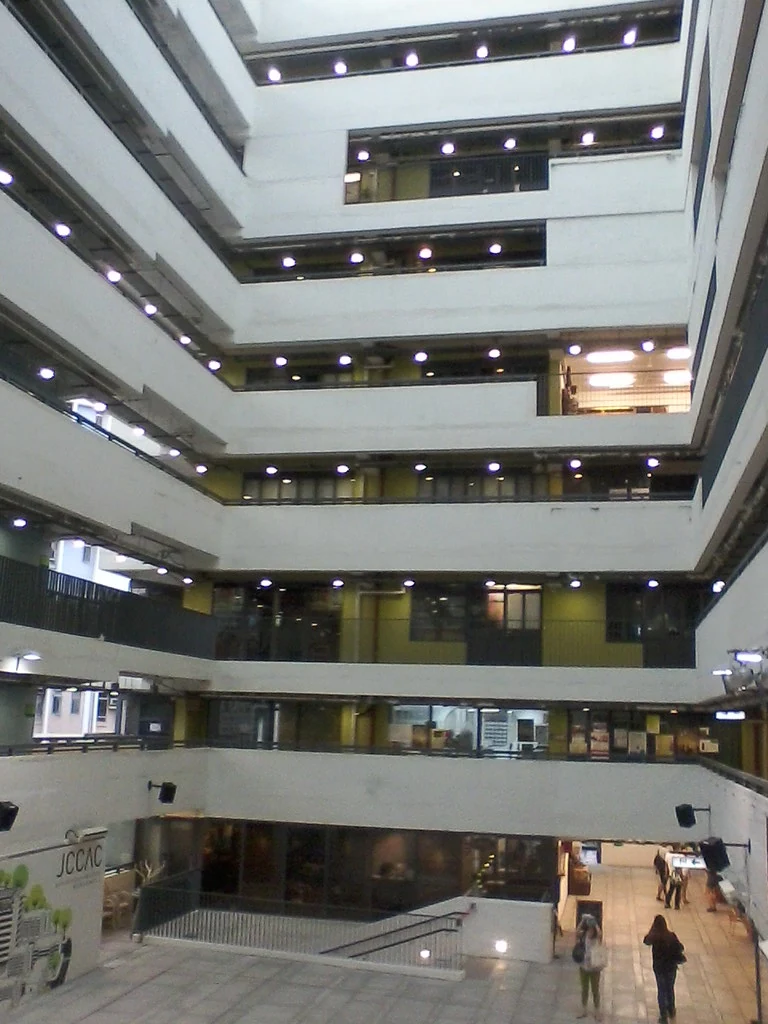
A nine-storey factory building from 1977 became a centre where studios and public cultural activity occupy former industrial space.
Read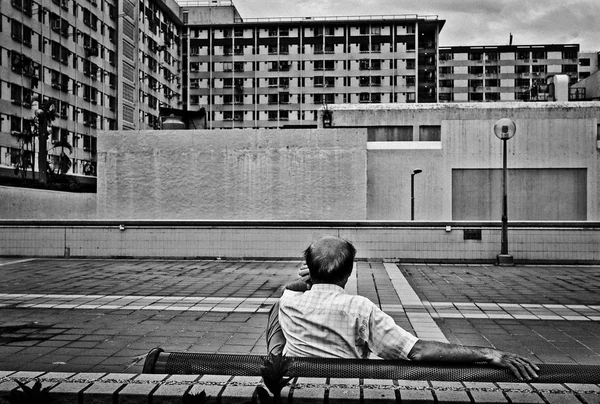
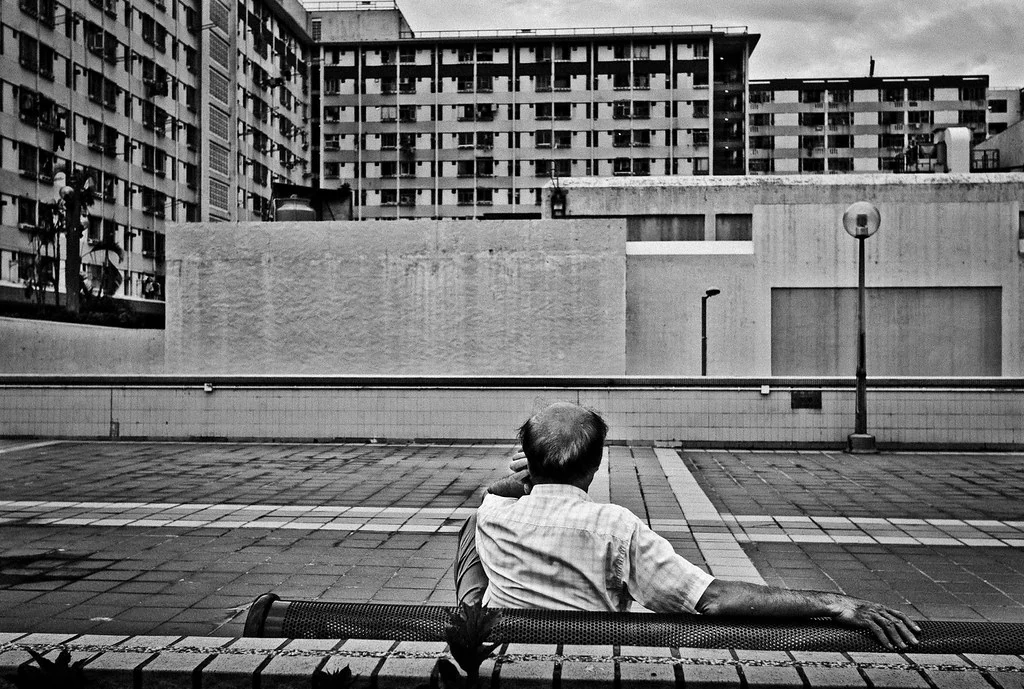
The H-shaped Mei Ho House records the first generation of Hong Kong public housing and the spatial form of early resettlement blocks.
ReadAt Lei Cheng Uk, a glass barrier lets visitors look into a brick tomb discovered during housing construction in 1955.
ReadAs manufacturing moved north, Sham Shui Po’s industrial buildings shifted toward trade, exhibitions, logistics and new creative uses.
ReadA housing project in 1955 exposed a Han tomb at Lei Cheng Uk, turning a construction site into one of Hong Kong’s key archaeological discoveries.
Today’s inland streets preserve a name tied to a deepwater pier said to have stood near Pei Ho and Tung Chau streets.
Textile, garment, metal and enamel industries shaped Sham Shui Po; specialist streets still carry traces of that commercial landscape.
A nine-storey factory building from 1977 became a centre where studios and public cultural activity occupy former industrial space.
The H-shaped Mei Ho House records the first generation of Hong Kong public housing and the spatial form of early resettlement blocks.
At Lei Cheng Uk, a glass barrier lets visitors look into a brick tomb discovered during housing construction in 1955.
As manufacturing moved north, Sham Shui Po’s industrial buildings shifted toward trade, exhibitions, logistics and new creative uses.