Kat Hing Wai: The Gate and the Five Wais of Kam Tin
Kat Hing Wai is one of Kam Tin’s five walled villages. Its shrine, entrance, watchtowers and enclosing walls are separately recorded in the heritage register.
Kat Hing Wai is one of Kam Tin’s five walled villages. Its shrine, entrance, watchtowers and enclosing walls are separately recorded in the heritage register.
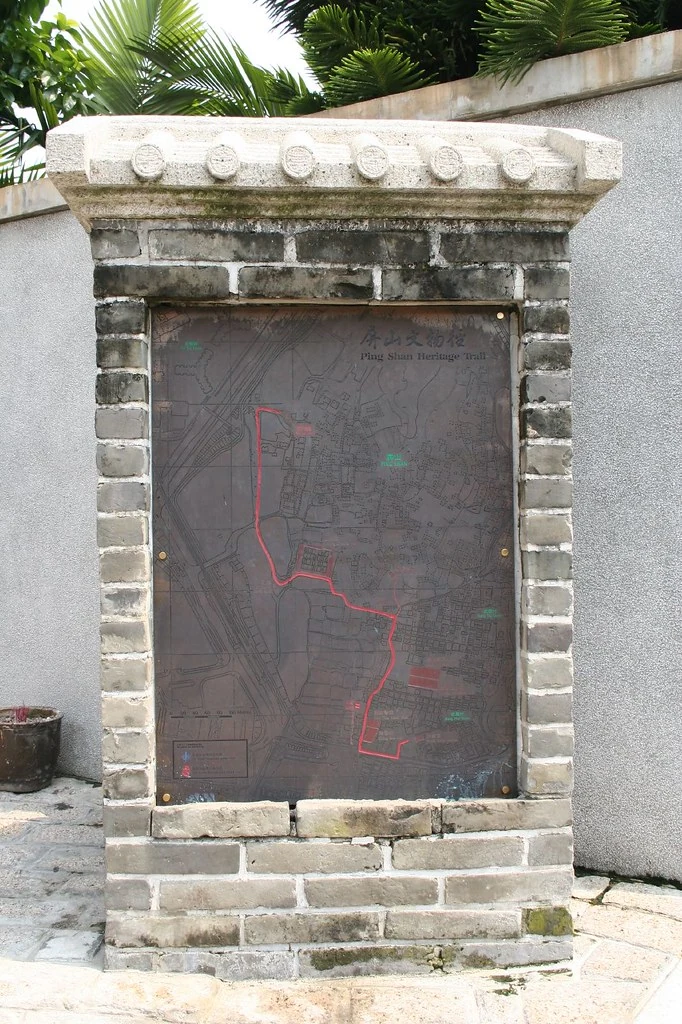
Ping Shan’s three walled villages and six villages form a local history of settlement, worship, gathering and education.
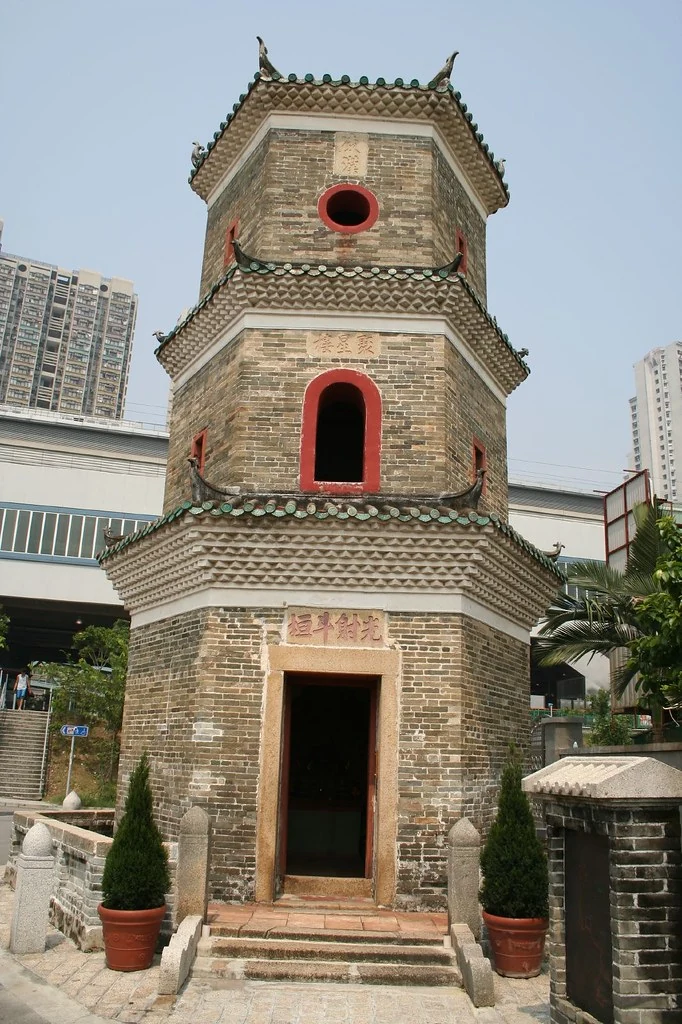
The six-sided pagoda north of Sheung Cheung Wai combines a Tang lineage account with local feng shui beliefs about protection and success in examinations.
Kat Hing Wai is one of Kam Tin’s five walled villages. Its shrine, entrance, watchtowers and enclosing walls are separately recorded in the heritage register.
Ping Shan’s three walled villages and six villages form a local history of settlement, worship, gathering and education.
Read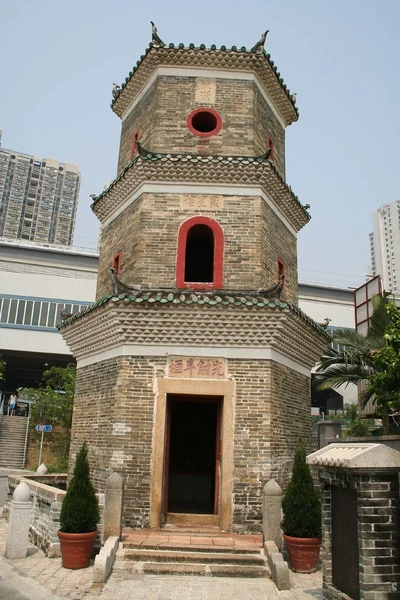
The six-sided pagoda north of Sheung Cheung Wai combines a Tang lineage account with local feng shui beliefs about protection and success in examinations.
ReadOpened in 1993, the 1.6 km trail links historic buildings in Hang Mei Tsuen, Hang Tau Tsuen and Sheung Cheung Wai; the Tang clan helped bring Hong Kong's first heritage trail to life.
Read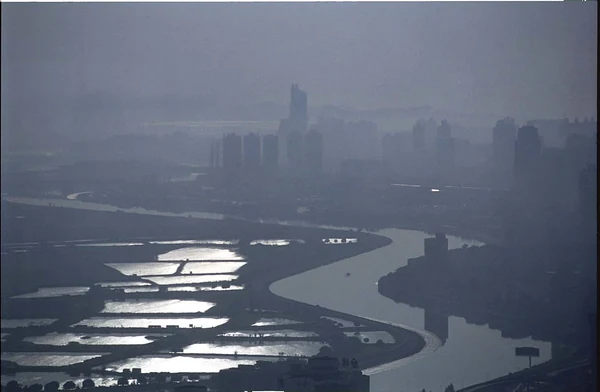
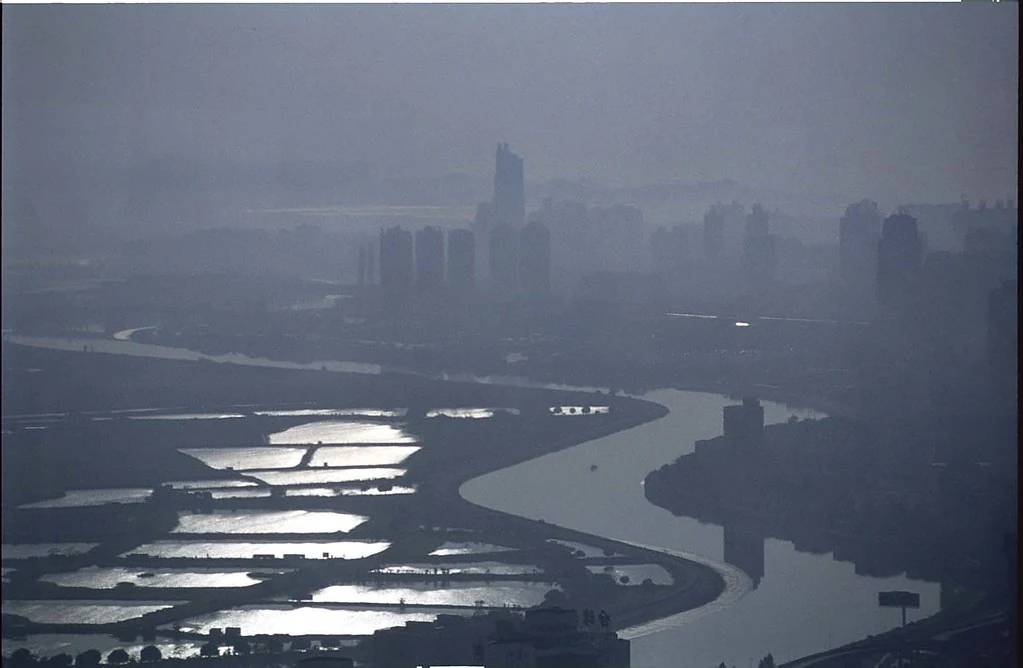
In Deep Bay, government-supported management agreements pair fishpond harvest routines with waterbird habitat and preservation of traditional fish farming.
Read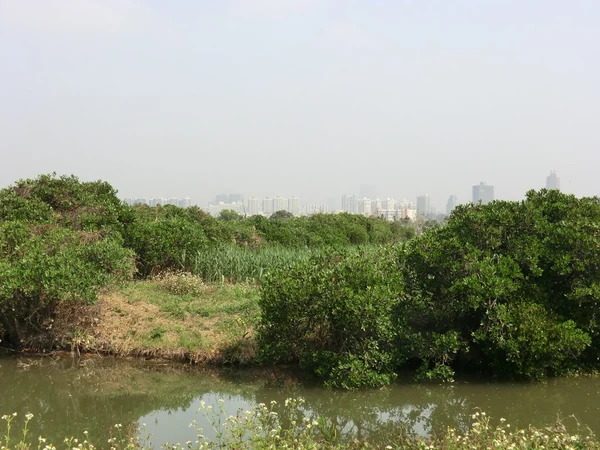
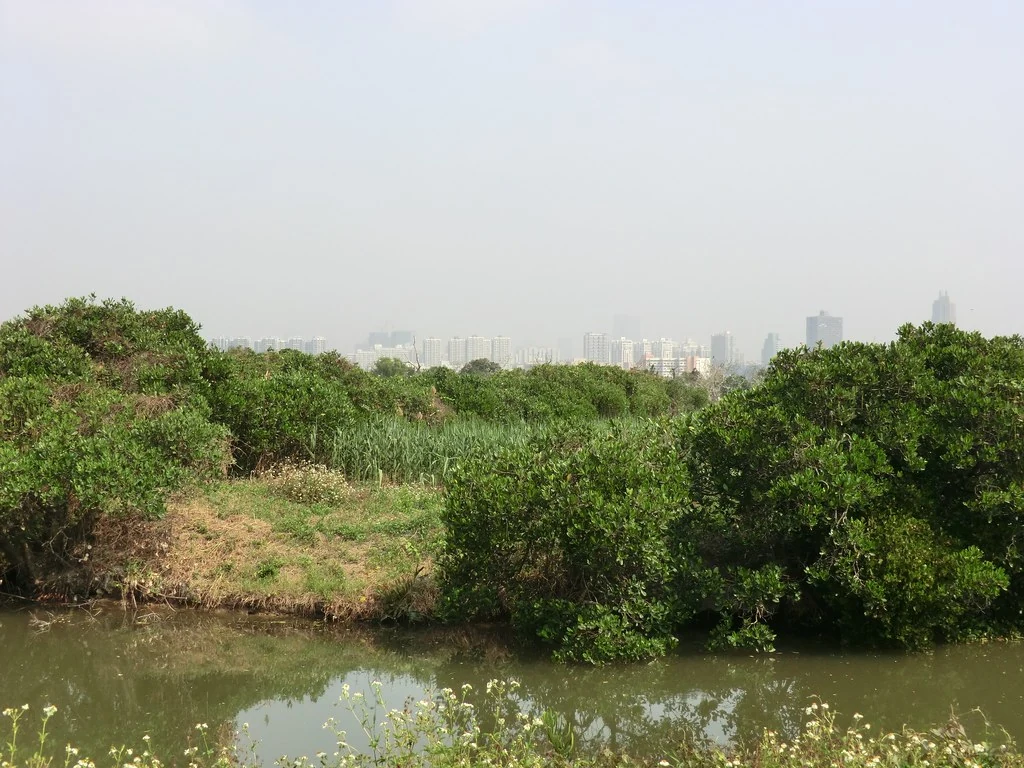
From the East Asian–Australasian Flyway to the Mai Po Inner Deep Bay Ramsar Site, Deep Bay links distinct feeding and resting habitats for waterbirds.
Read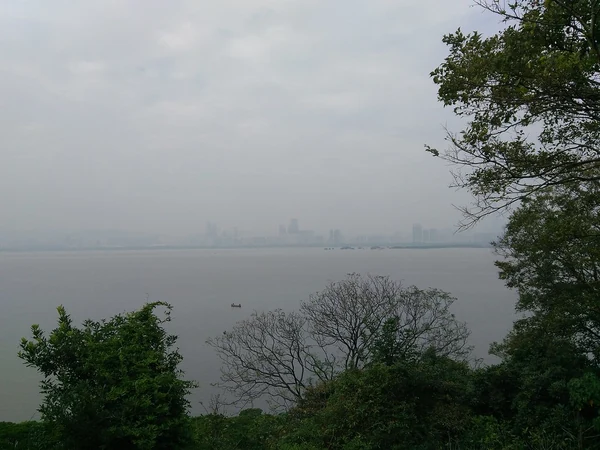
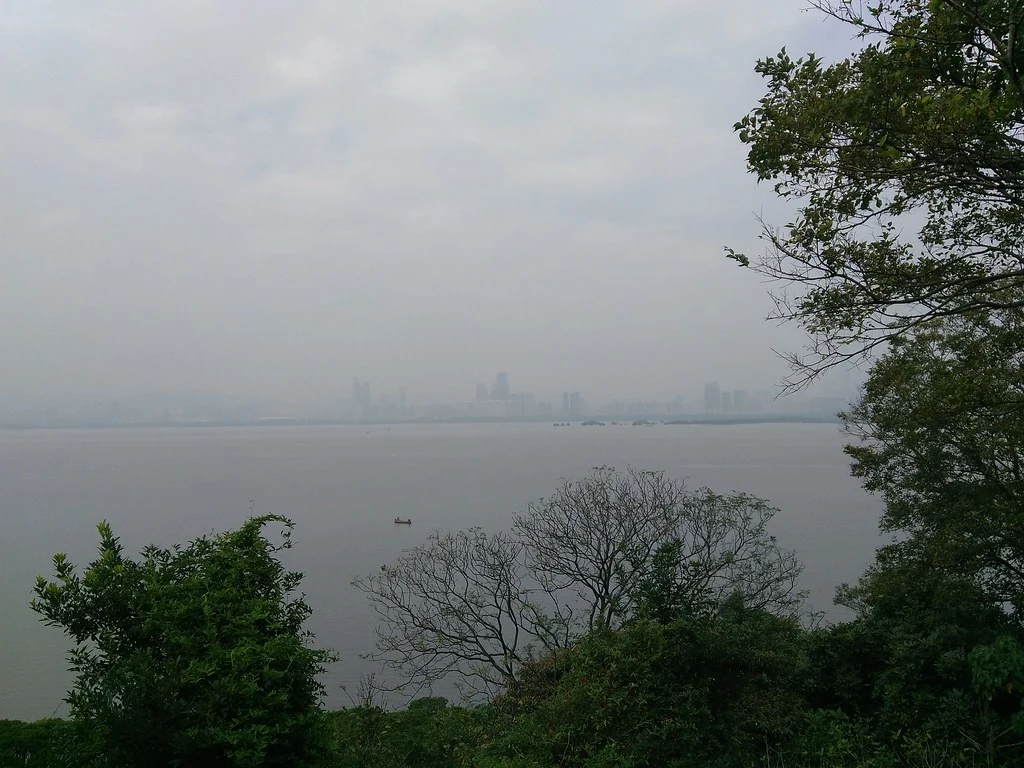
AFCD identifies Tsim Bei Tsui as a major winter roosting and feeding ground for waders and ducks in Deep Bay, and names six species regularly seen there.
ReadAt Ha Tsuen, a temple’s entrance inscription and courtyard plan connect local Tang clan belief with a layered history of worship.
ReadKat Hing Wai is one of Kam Tin’s five walled villages. Its shrine, entrance, watchtowers and enclosing walls are separately recorded in the heritage register.
Ping Shan’s three walled villages and six villages form a local history of settlement, worship, gathering and education.
The six-sided pagoda north of Sheung Cheung Wai combines a Tang lineage account with local feng shui beliefs about protection and success in examinations.
In Deep Bay, government-supported management agreements pair fishpond harvest routines with waterbird habitat and preservation of traditional fish farming.
From the East Asian–Australasian Flyway to the Mai Po Inner Deep Bay Ramsar Site, Deep Bay links distinct feeding and resting habitats for waterbirds.
AFCD identifies Tsim Bei Tsui as a major winter roosting and feeding ground for waders and ducks in Deep Bay, and names six species regularly seen there.
At Ha Tsuen, a temple’s entrance inscription and courtyard plan connect local Tang clan belief with a layered history of worship.