In Deep Bay, operators participating in government-supported management agreement projects drain down fishponds after harvest. As the water falls, small fish with little economic value become food for waterbirds. This is not an abandoned pond: operators continue to manage it as a working farm, while one stage of the harvest cycle creates a feeding opportunity. The projects depend on cooperation between fishpond operators and local non-profit organizations.
From the journal
After the Harvest: Deep Bay Fishponds and Waterbirds
In Deep Bay, government-supported management agreements pair fishpond harvest routines with waterbird habitat and preservation of traditional fish farming.
In this district · Yuen Long ↗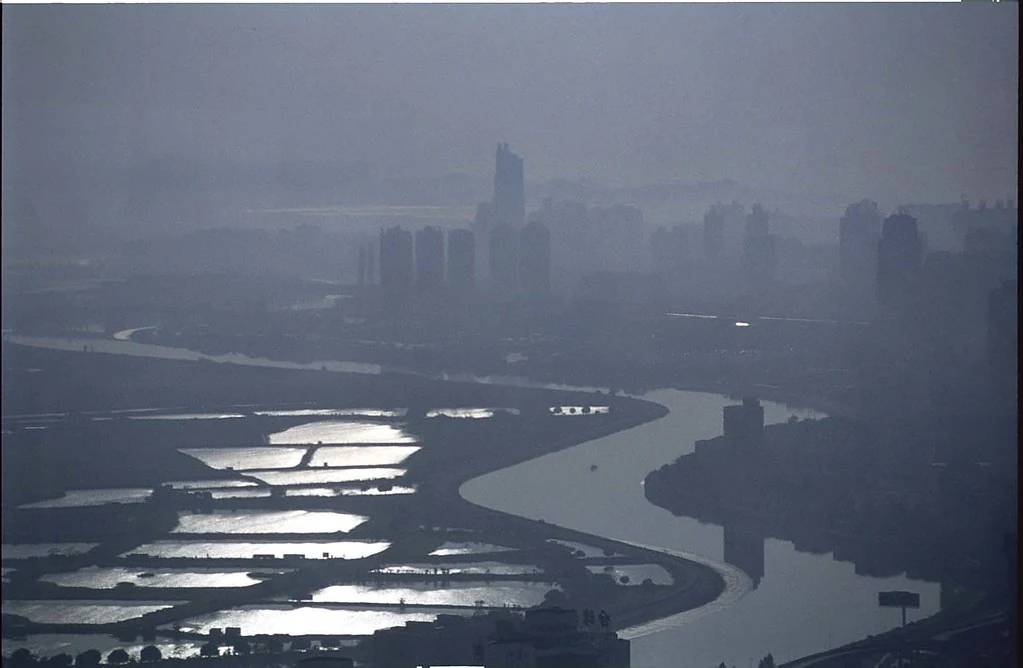
A managed pause after harvest
Ponds within a wider flyway
These ponds sit within a much larger wetland system. AFCD describes the Mai Po Inner Deep Bay Ramsar Site as an important feeding and resting ground for wintering and migratory birds. Hong Kong lies along the East Asian–Australasian Flyway, and the region's mudflats, mangroves, fishponds and other wetlands offer different habitats. A working fishpond is one part of this coastal mosaic; its role changes with the season and the way it is managed.