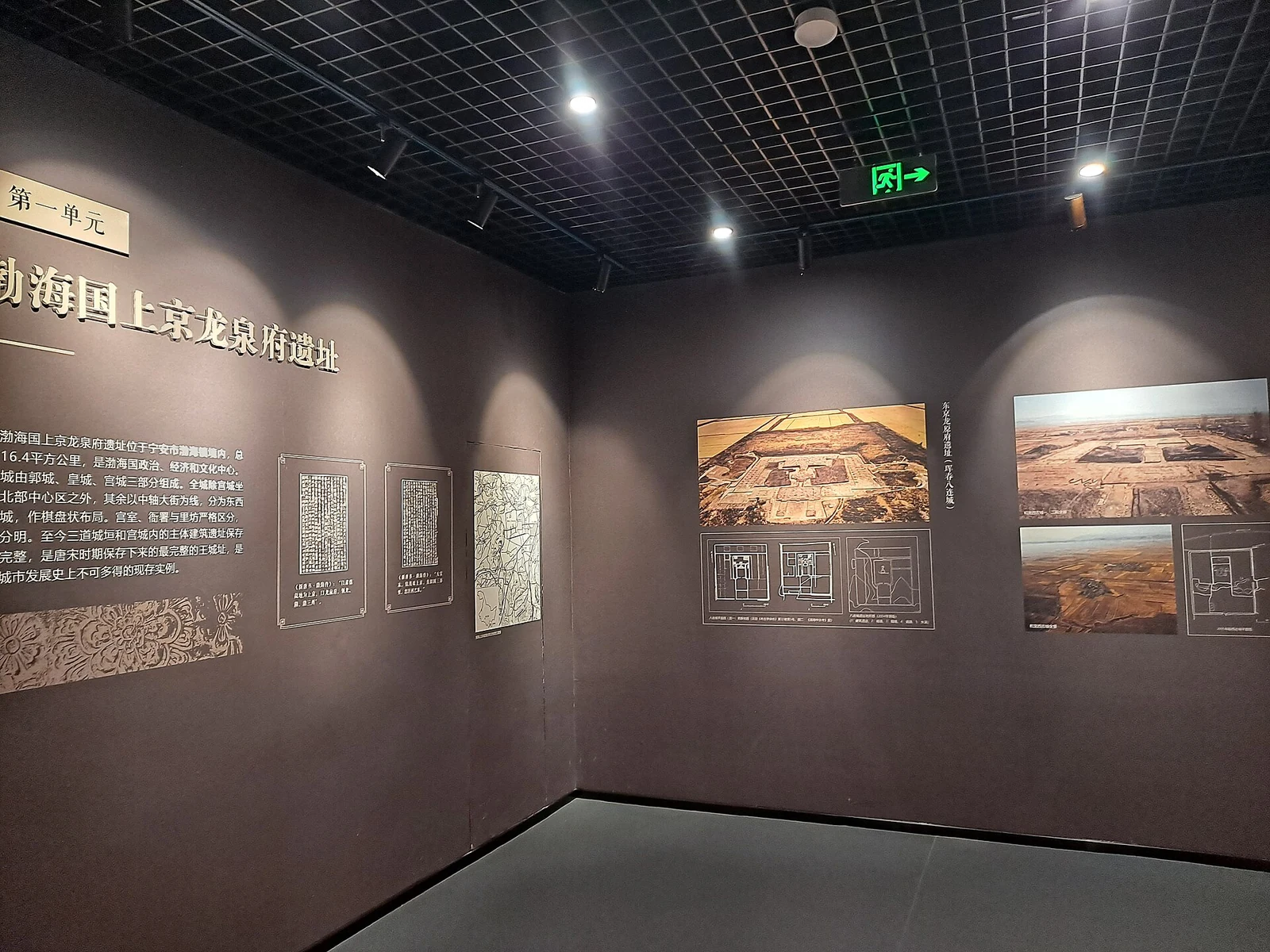
Bohai Shangjing in Ning’an was laid out as three nested enclosures: outer city, imperial city and palace city. Heilongjiang’s heritage account dates the kingdom from 698 to 926 and says King Dae Heummu made Shangjing the capital in 755, following Tang Chang’an’s model. The outer city covered about 15.93 square kilometres, with a central axis running slightly west of true south. A moat followed the walls; the eastern half of the city was somewhat larger than the western half.
From the journal
Bohai Shangjing: a capital in three enclosures
The outer city, imperial city and palace city offer a way to read the capital’s nested plan.
In the same city · Mudanjiang ↗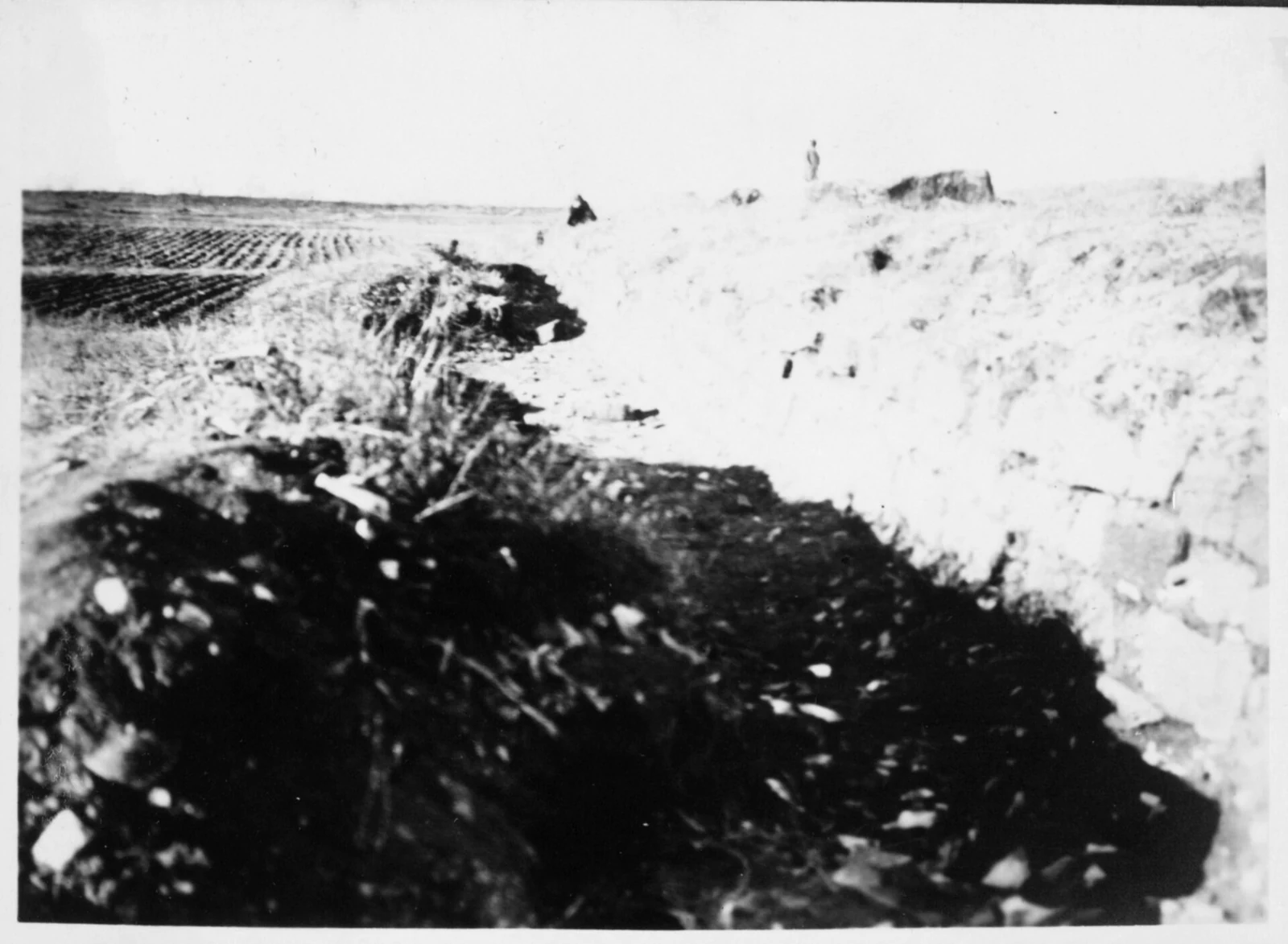
A city ordered by walls and streets
The surviving plan is still legible
The palace city stood behind the imperial city, separated from it by a 92-metre-wide cross street. Its southern gate, known as Five Phoenix Gate, had two side openings and no central one; at the opposite end, Xuanwu Gate aligned with the outer city’s north gate across a circular enclosure. This is Bohai Shangjing in Ning’an, not the later Jin-dynasty Shangjing Huiningfu near present-day Acheng: the similar name element belongs to two different capitals and periods.