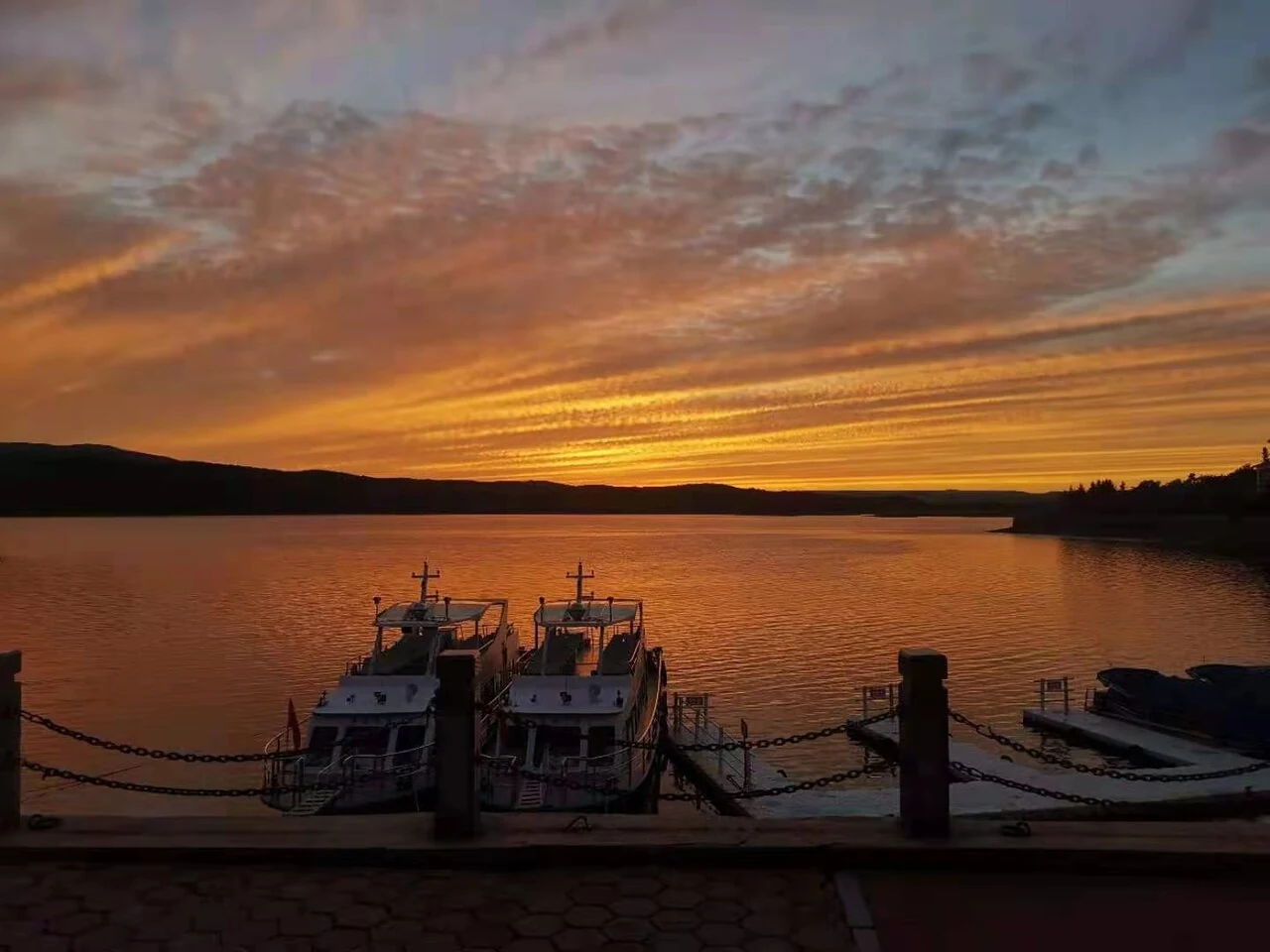
The Smithsonian Global Volcanism Program classifies Jingpohu as a volcanic field, not a single cone. It lists 520 BCE as the field’s last known eruption and gives its elevation as 1,000 metres. The lake has a separate origin: lava flows blocked the Mudan River, and water gathered behind that natural dam. The 520 BCE date belongs to the field’s reported last eruption; it is not a date for the lake’s formation.
From the journal
Jingpo Lake: where lava blocked a river
A volcanic field, a river dammed by lava and a lake’s fishing traditions form three distinct layers of the Jingpo landscape.
In the same city · Mudanjiang ↗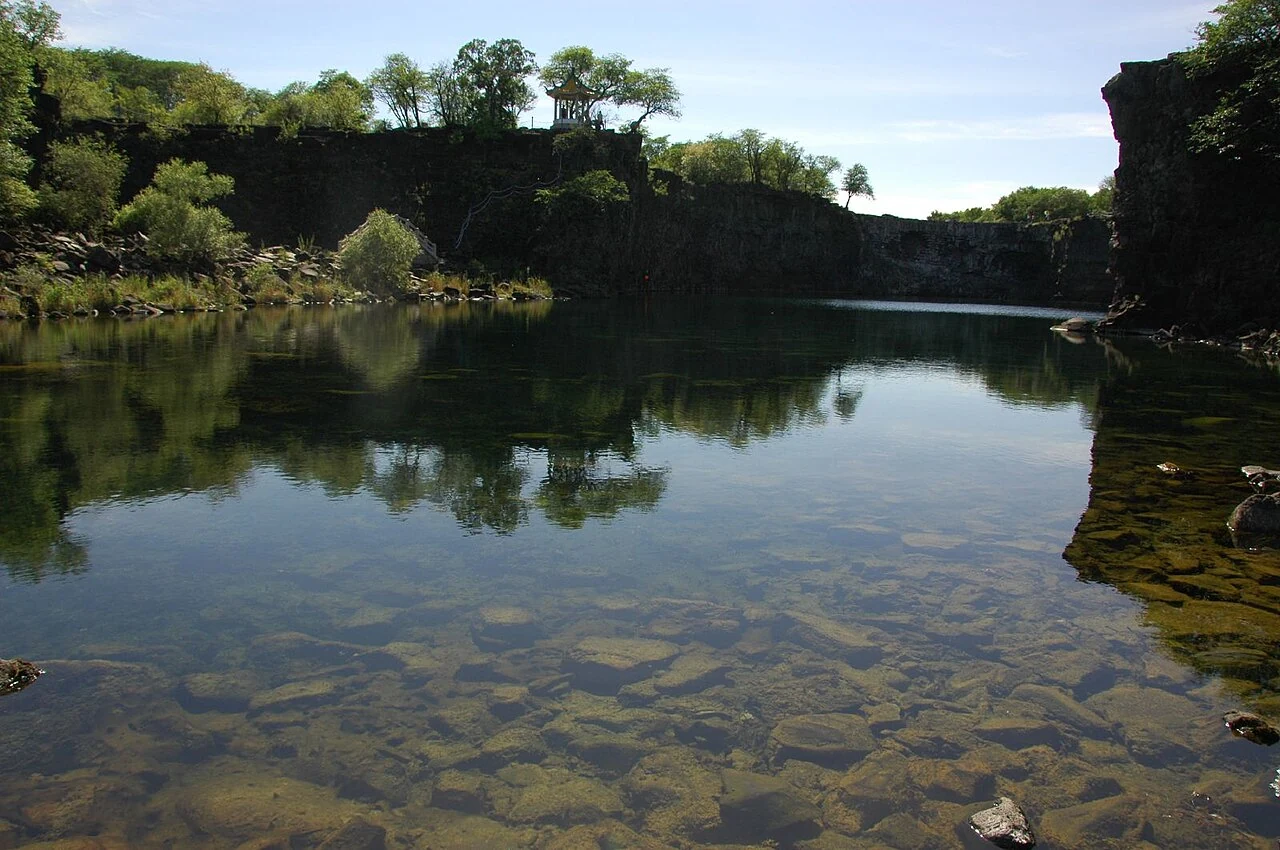
Where lava interrupted a river
A lake with a living shoreline
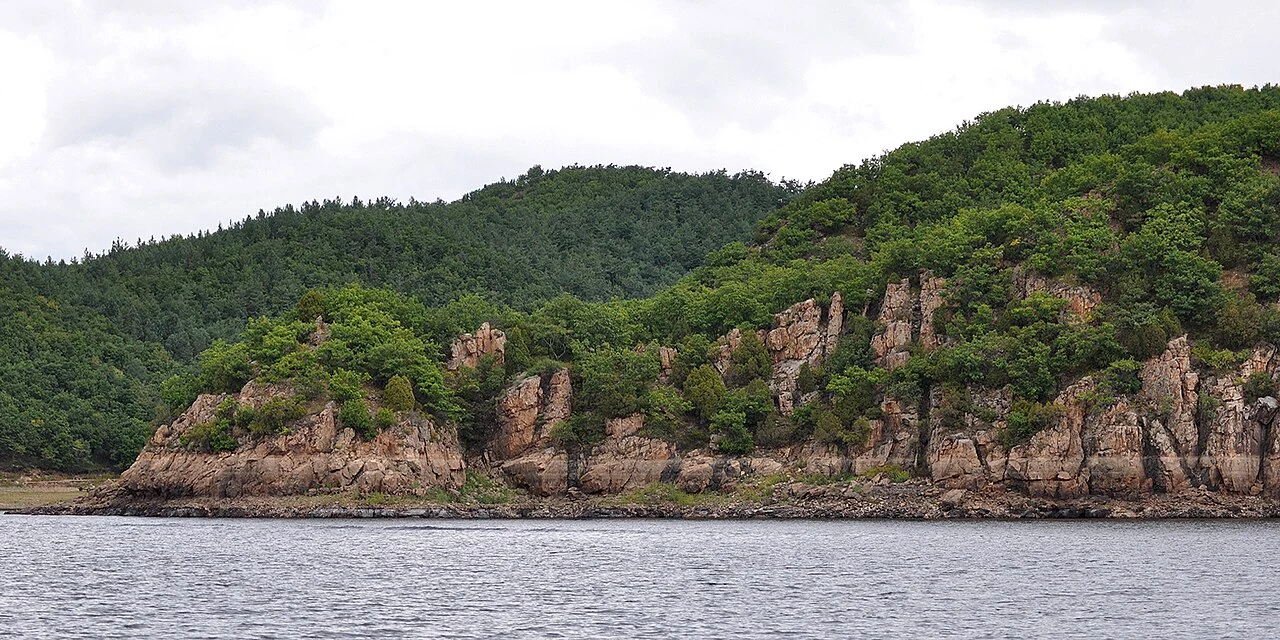
Heilongjiang’s 2025 scenic-area profile describes about 90 square kilometres of natural water and more than forty wild fish species. It names the local fish assortment “three flowers, five lu and eighteen zi,” and highlights both the Jingpo Lake whole-fish banquet and a “one fish, sixteen preparations” menu. These fish names and cooking practices give the lake a place in regional food culture alongside its geological history.