Grass, River, Lake, Fish, Bird
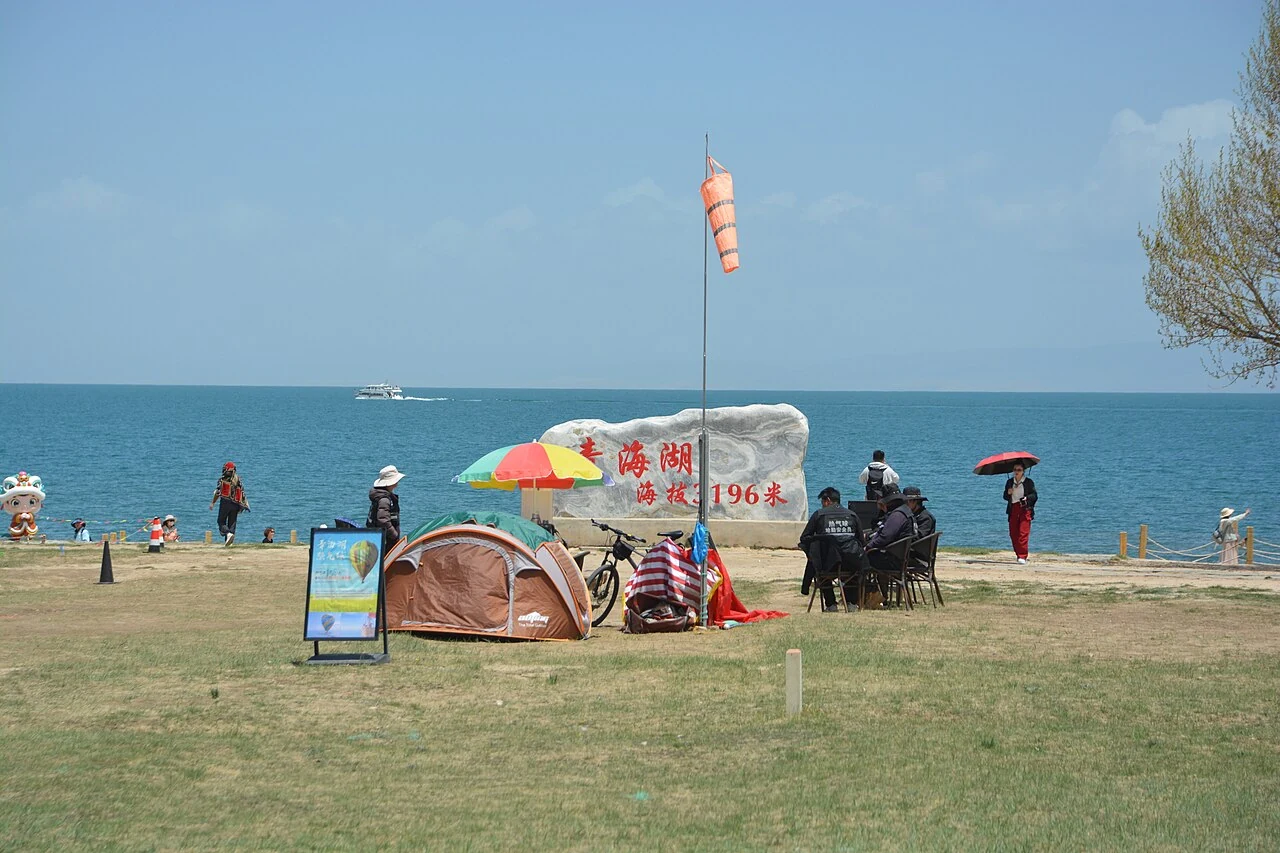
Qinghai Lake ecology is easiest to understand as a watershed: inflowing rivers, wetlands, fish migration and waterbird habitats connect places across county lines.
Here Hainan means Qinghai’s Tibetan autonomous prefecture. The Yellow River runs through accounts of Guide’s water, Gonghe’s reservoir country and Longyangxia’s dam. Tongde’s Zongri objects carry the story into archaeology. In Guinan, sheep breeding and embroidered garments offer two close views of pastoral work: one follows animals and land, the other follows thread, patterns and the hands that preserve them.
Qinghai Lake ecology is easiest to understand as a watershed: inflowing rivers, wetlands, fish migration and waterbird habitats connect places across county lines.
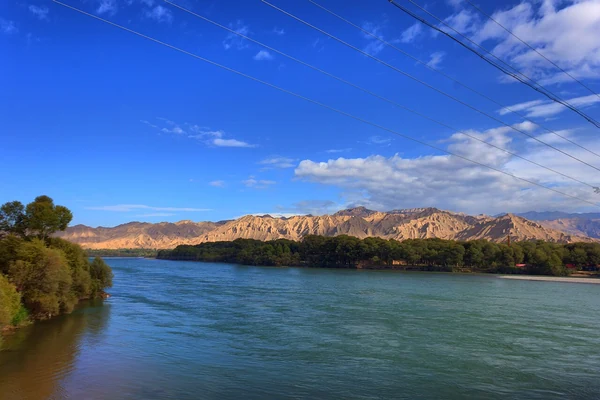
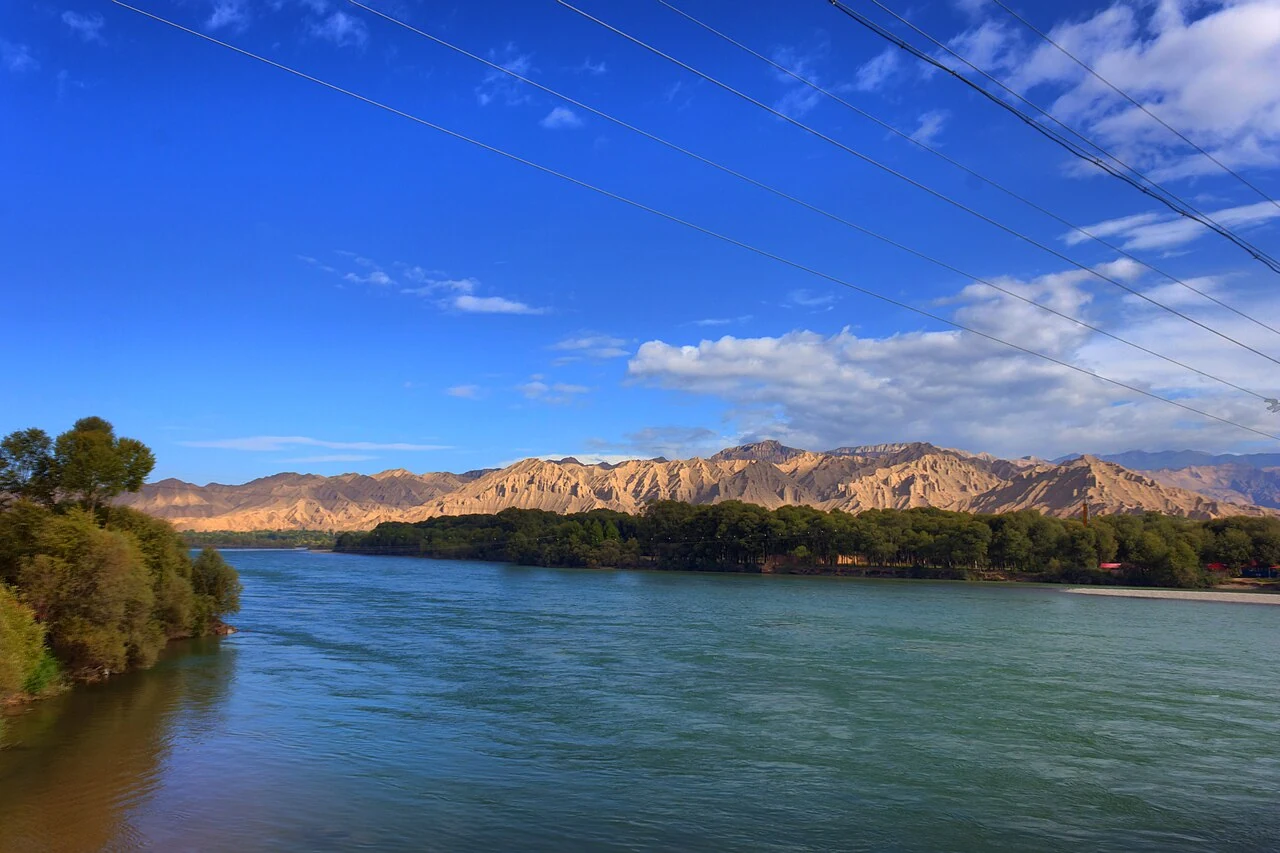
At Guide, a clear reach of the Yellow River reflects both sediment settling through upstream reservoirs and work to restore tributaries, wetlands and riverbanks.
Read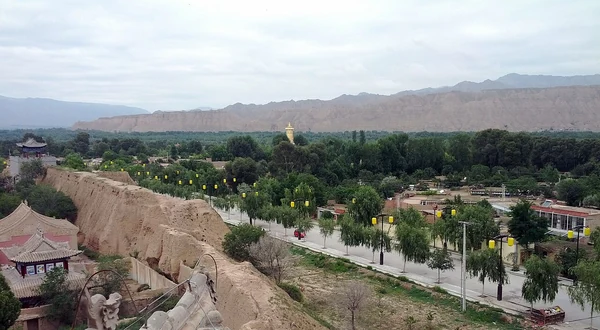
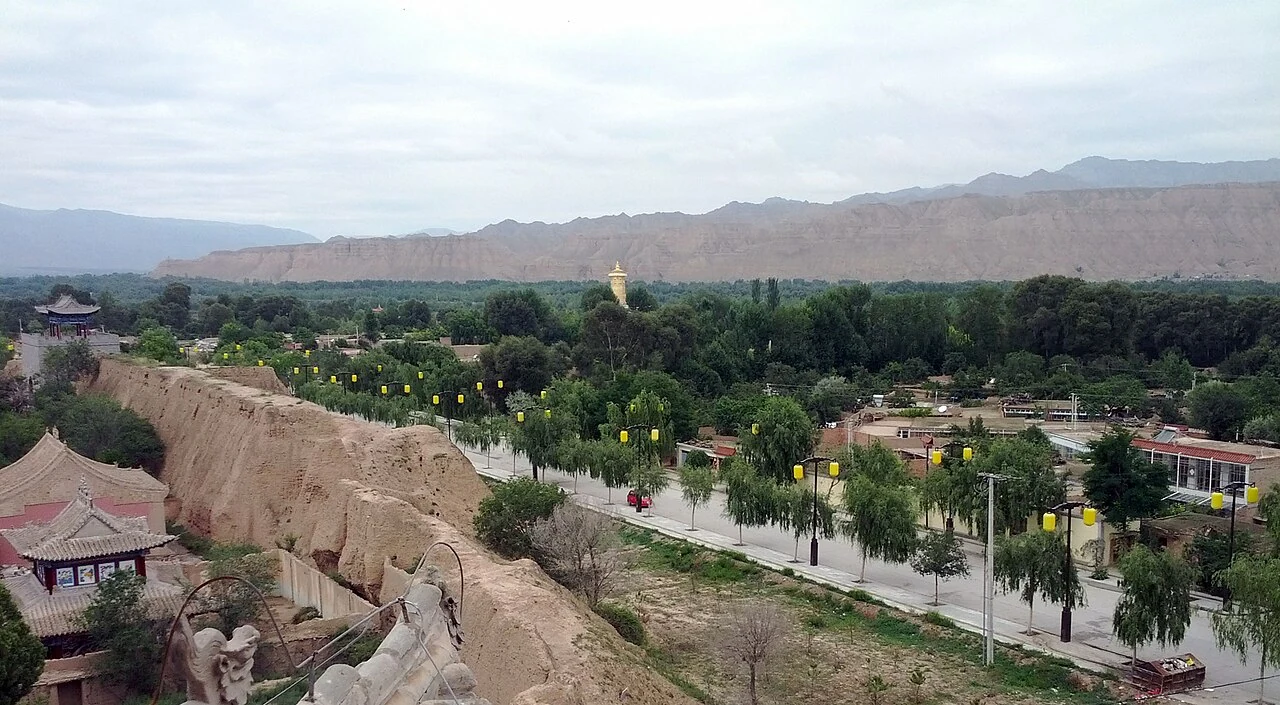
Guide County’s government history page gathers artifacts and sites from the Neolithic era through the Ming and Qing periods, setting the river valley within a long record of settlement and exchange.
Read Guide County’s Danxia landforms reveal red gravel and sandstone in a layered landscape shaped by river incision, running water and wind. County records locate the most concentrated formations near Ashigong.
Read A county climate profile places the warmest and driest conditions along the Yellow River corridor, where fields grow wheat, barley, potatoes, vegetables and fruit.
Read
Guinan embroiderer Dojiecuo learned at home, then developed a distinctive practice joining embroidery with thangka painting and teaching. A county profile records her family path and workshop.
Read
Guinan embroidery keeps familiar auspicious patterns while expanding into landscapes, people and animals. A county profile of inheritor Dojiecuo shows how a maker draws on older motifs and new subjects.
Read
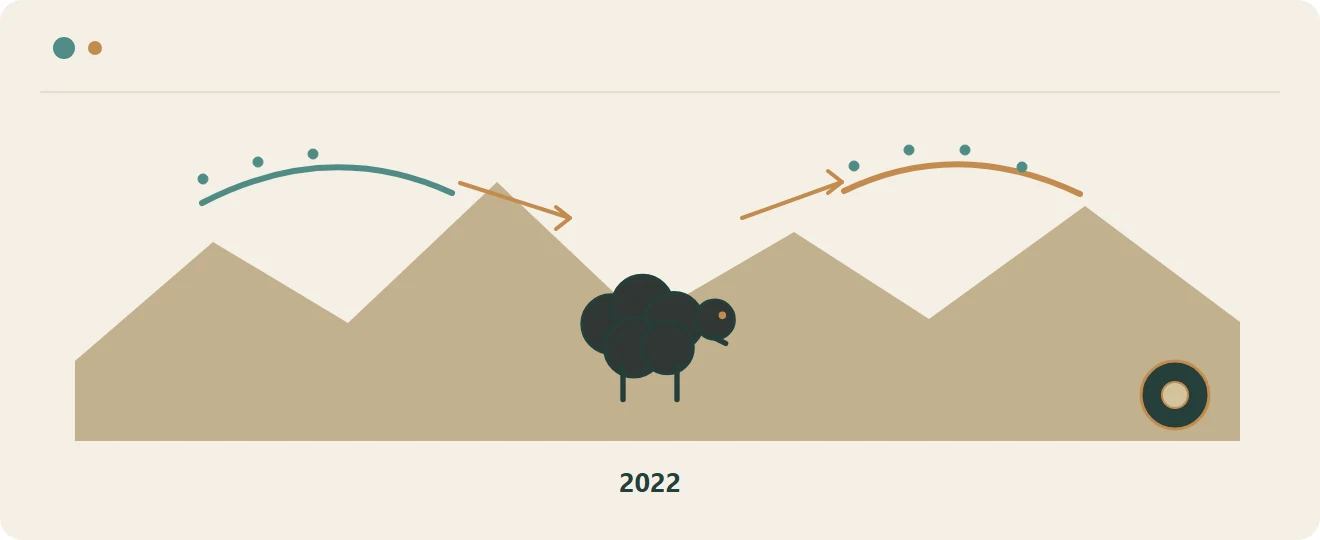
A 2022 Guinan County account describes the black Tibetan sheep as a local breed shaped by the plateau environment, long selection and breeding. It also records traits associated with its meat.
Read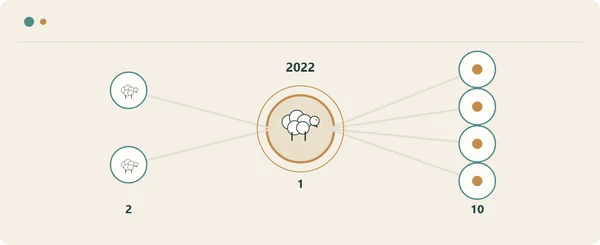
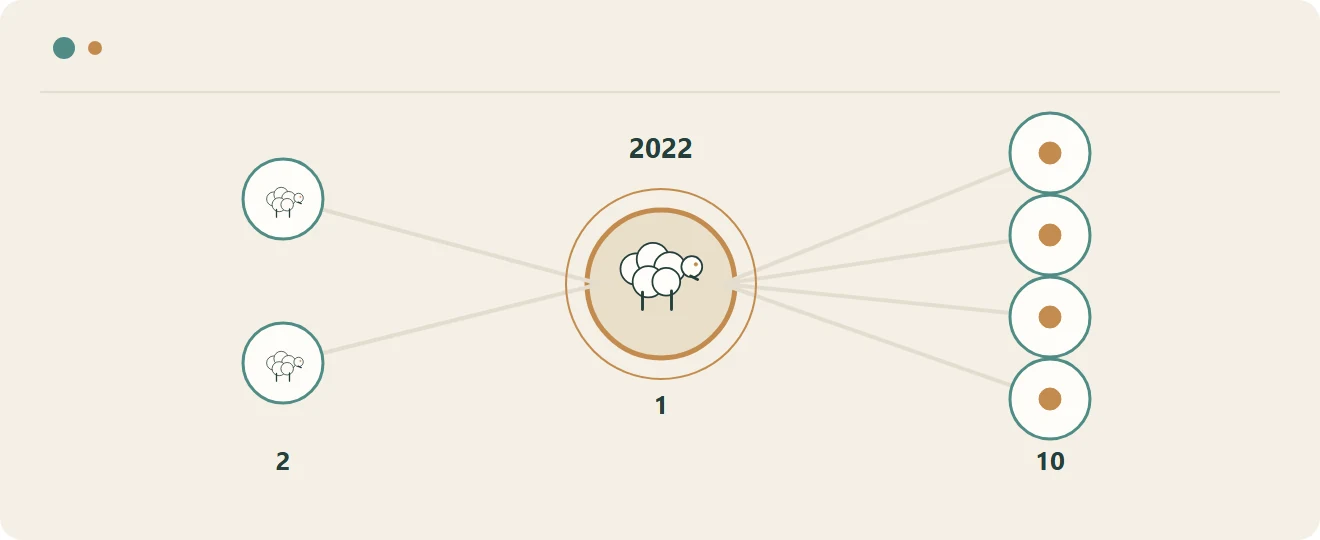
A 2022 county report describes a black-sheep breeding center that distributed seed rams through village flocks and cooperatives under a “1210” expansion model.
Read
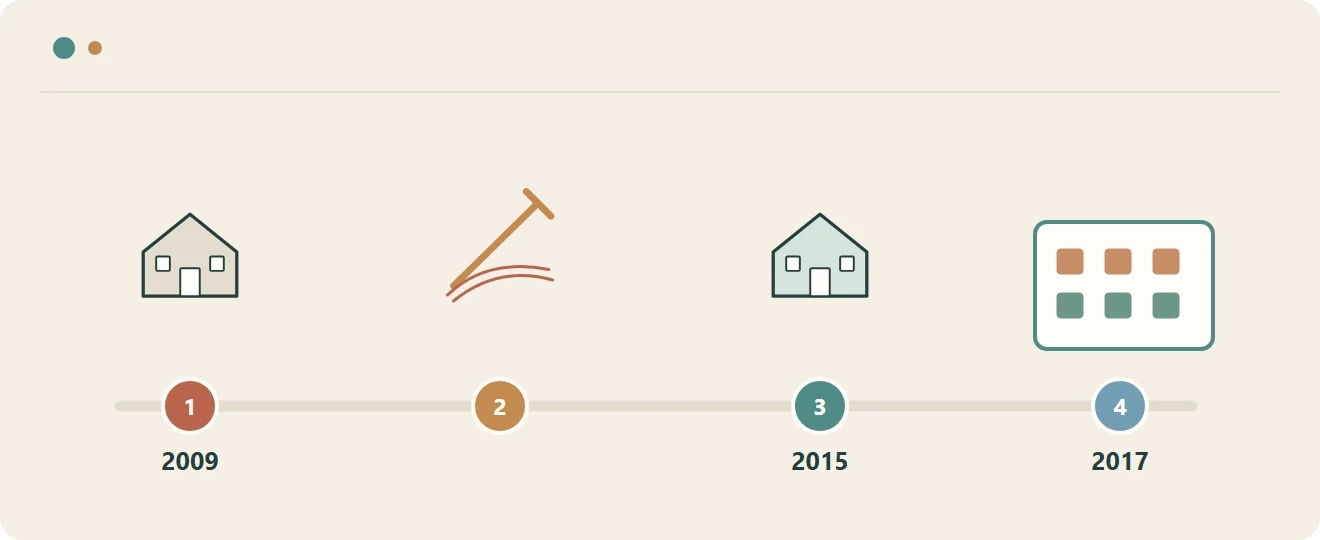
A family embroidery workshop links inherited motifs with a village workroom in Guinan.
Read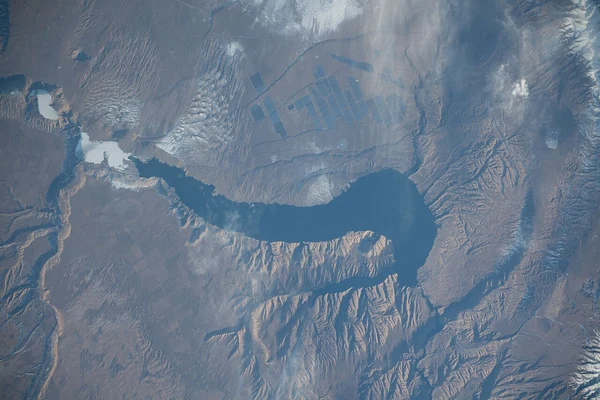
Gonghe County sits between two distinct water landscapes: Qinghai Lake to the north and the Yellow River valley at Longyangxia to the south.
Read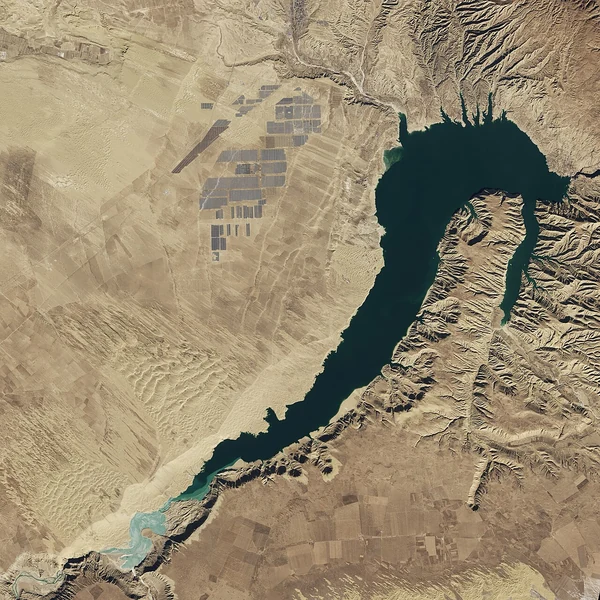
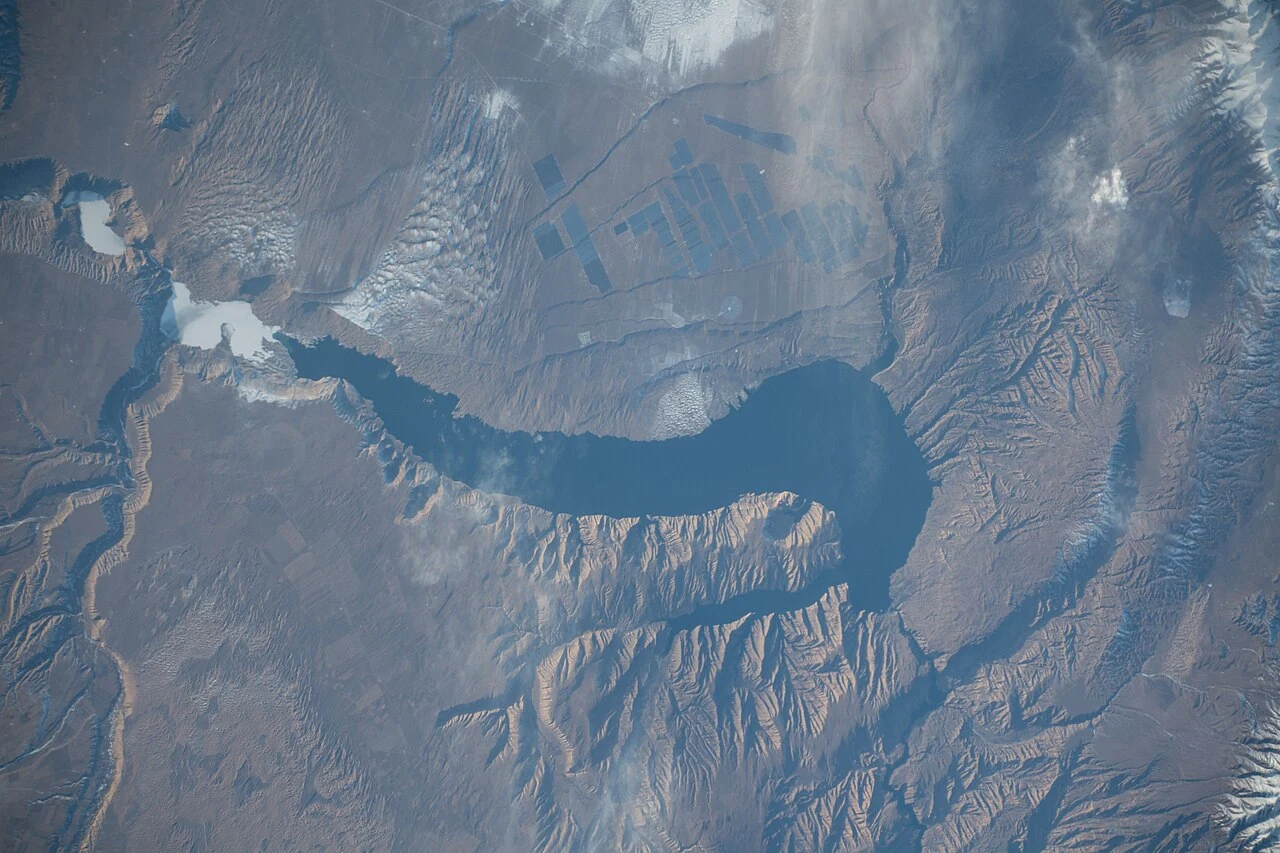
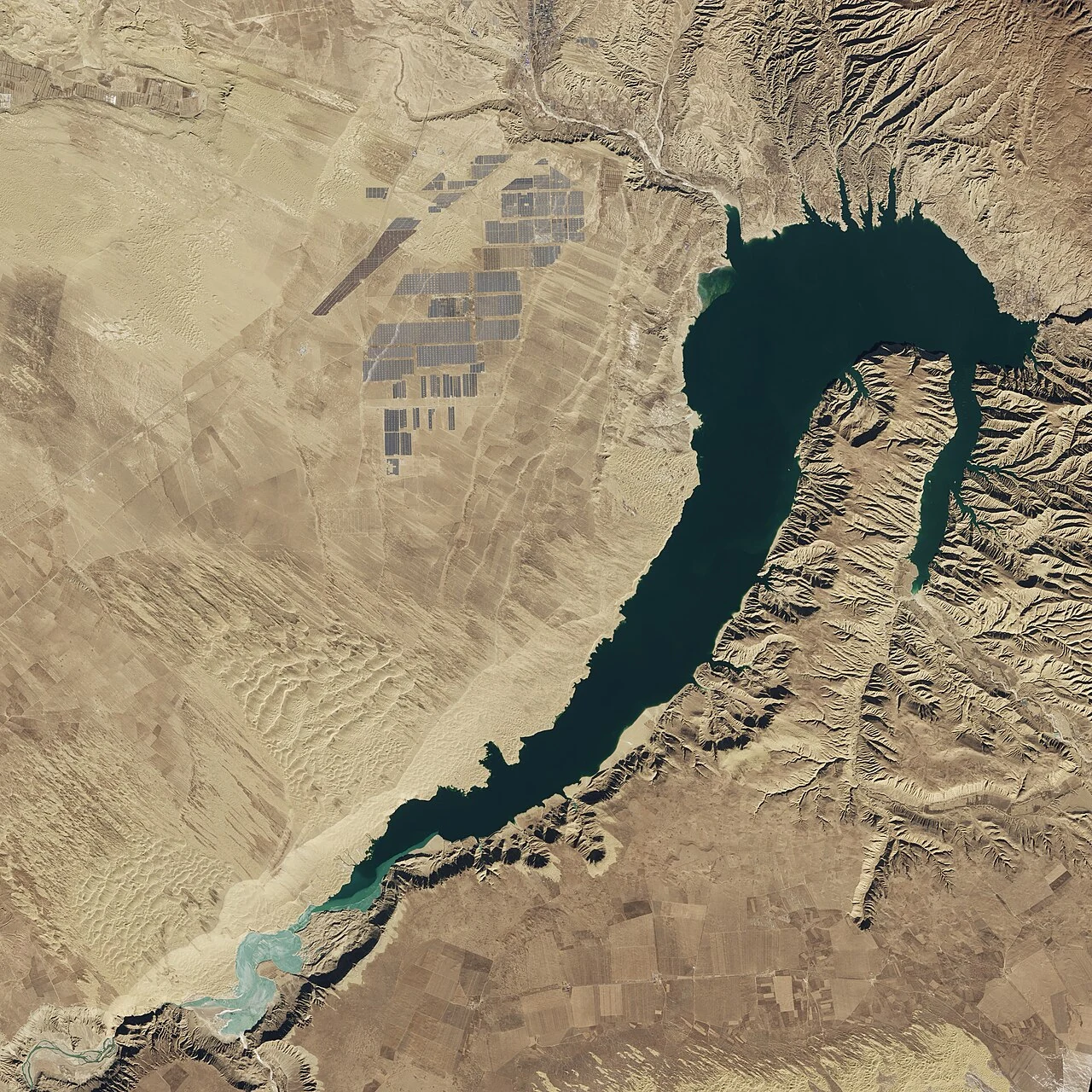
At Longyang Gorge in Hainan Tibetan Autonomous Prefecture, the Yellow River’s 1979 diversion through a tunnel marked a turning point in the construction of a major hydroelectric station.
Read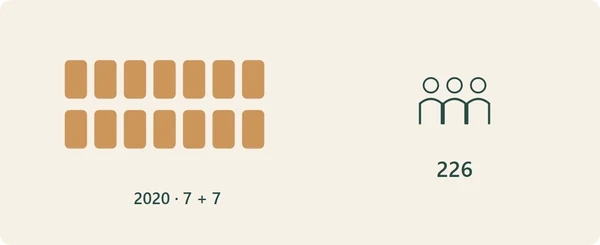
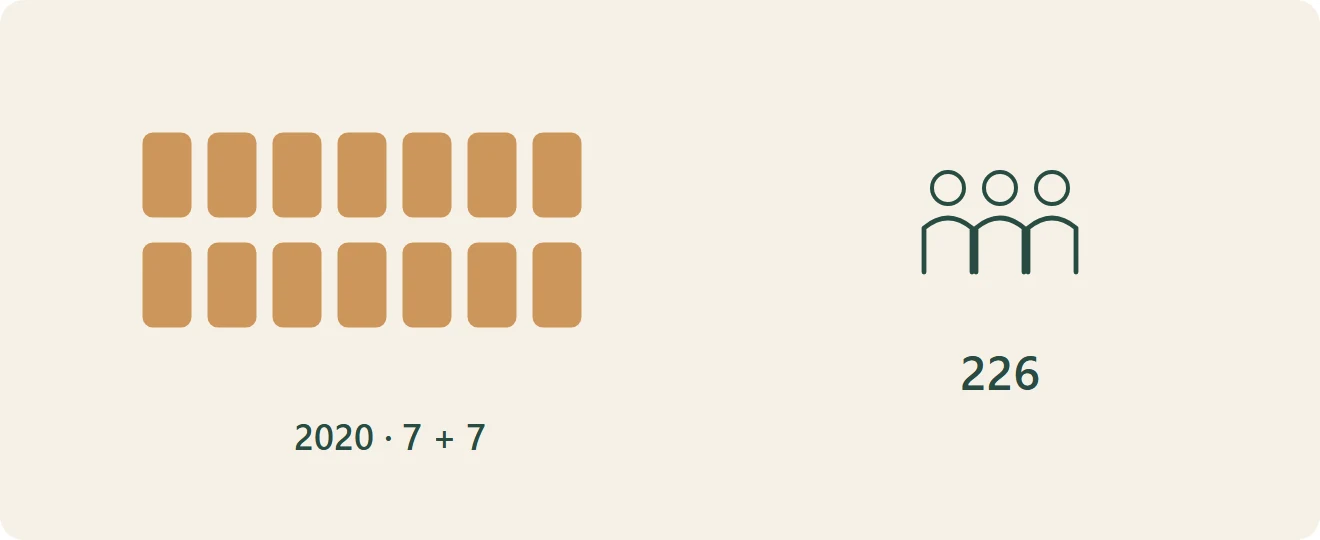
A 2020 singing course in Xinghai brought 226 Tibetan chant enthusiasts together with two recognized inheritors; the prefecture’s heritage list separately names Ehe Sada Song.
Read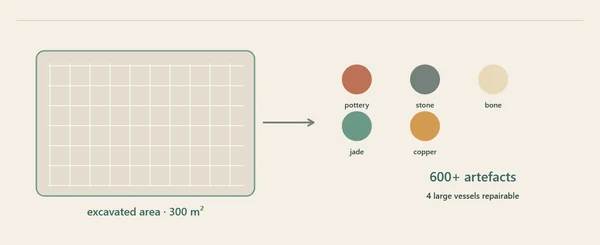
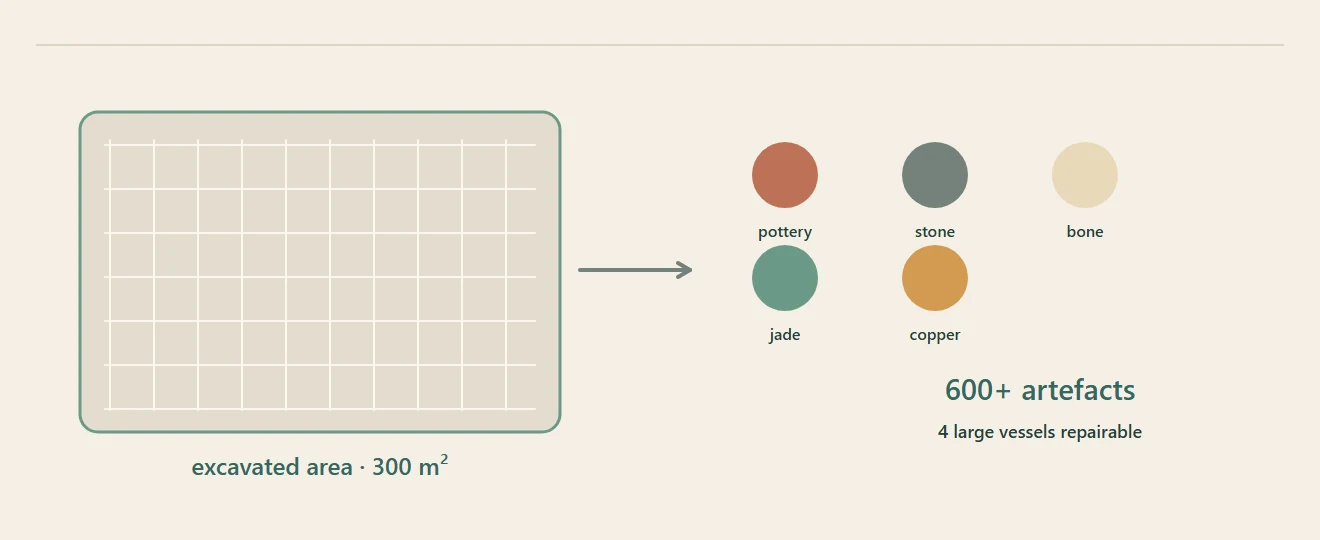
A 2024 excavation at Zongri in Tongde County brought together pottery, stone, bone, jade and copper finds with animal, plant and environmental archaeology.
Read