In November 2020, Xinghai County’s culture bureau organized two training sessions for Qinghai Tibetan chanting. A national-level inheritor, Sonam Dolma, and a prefecture-level inheritor, Tenzin Gyatso, led 226 enthusiasts at the county’s public cultural activity and training center and in Heka Town. The classes lasted seven days. Their subject was not a single fixed melody, but the different ways chants’ tunes and singing styles were described and performed.
From the journal
A Week of Song Lessons in Xinghai
A 2020 singing course in Xinghai brought 226 Tibetan chant enthusiasts together with two recognized inheritors; the prefecture’s heritage list separately names Ehe Sada Song.
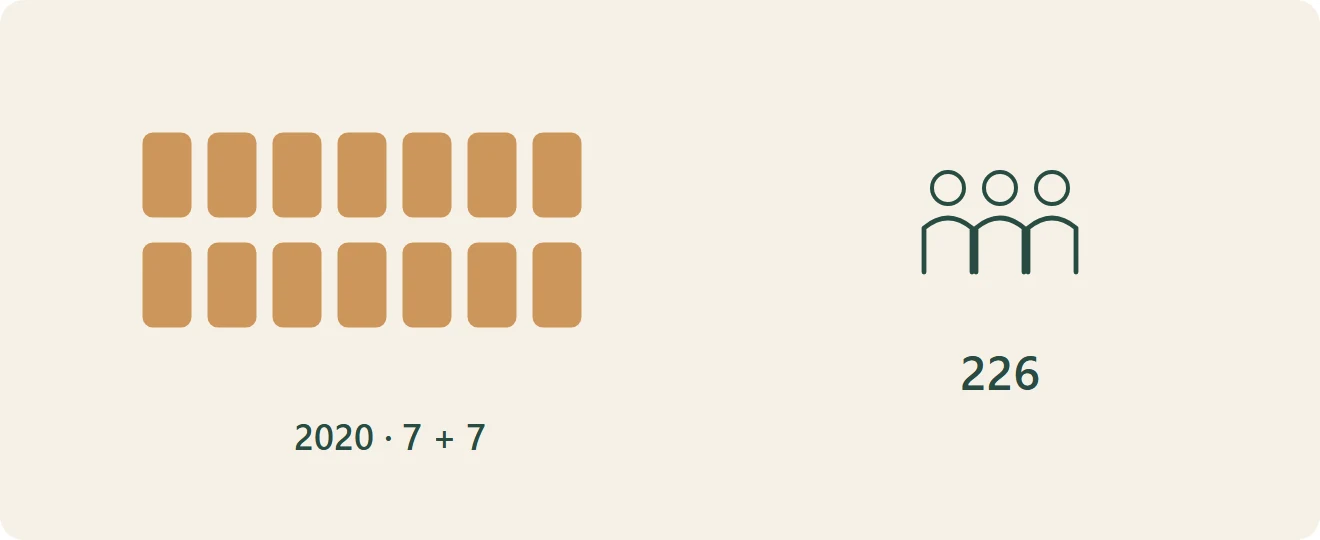
Two classes, 226 learners
A list alongside a living repertoire
The Hainan Prefecture’s fourth batch of representative intangible heritage projects records “Ehe Sada Song” under traditional music and names Xinghai County’s Cultural Center as the reporting unit. The register entry and the 2020 chant classes refer to distinct music projects, yet together they show two parts of local cultural work: keeping names in a public record and gathering learners around people who teach. One gives a particular song a place in the county’s heritage map; the other records a week of shared practice.