Yoguzonglie and the People Protecting the Yellow River Source
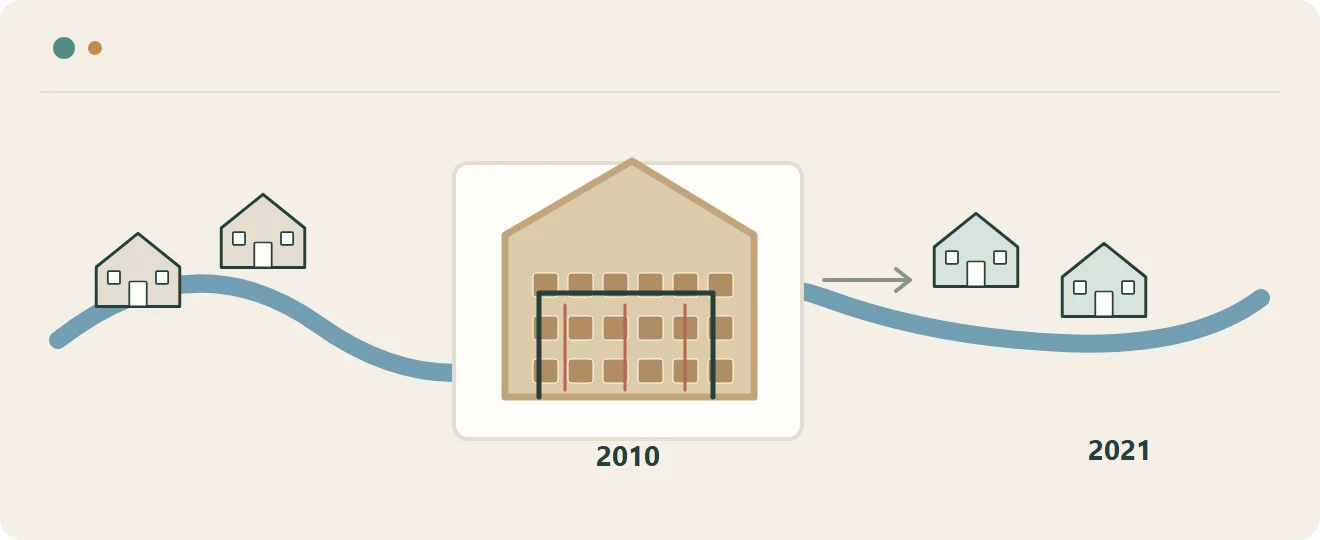
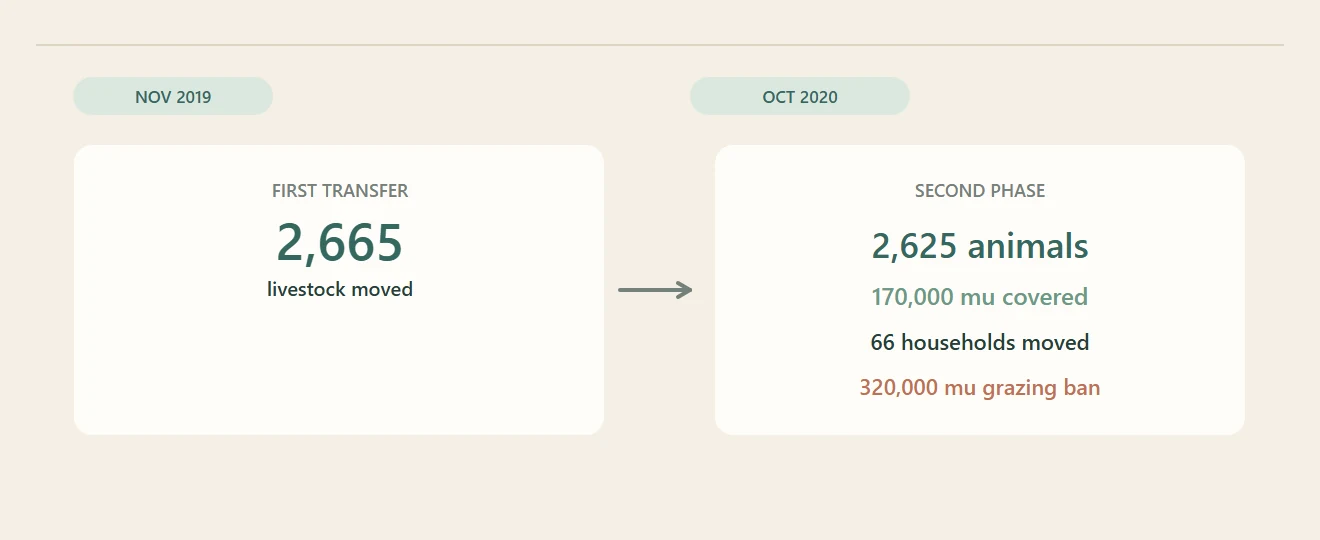
In Qumalai County, ranger Geqiu’s work and dated grazing restrictions show how protection is organized around the Yellow River’s headwaters.
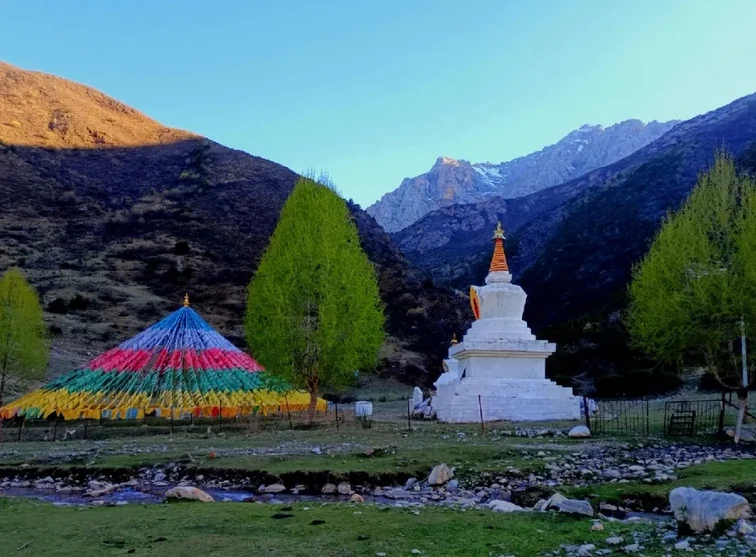
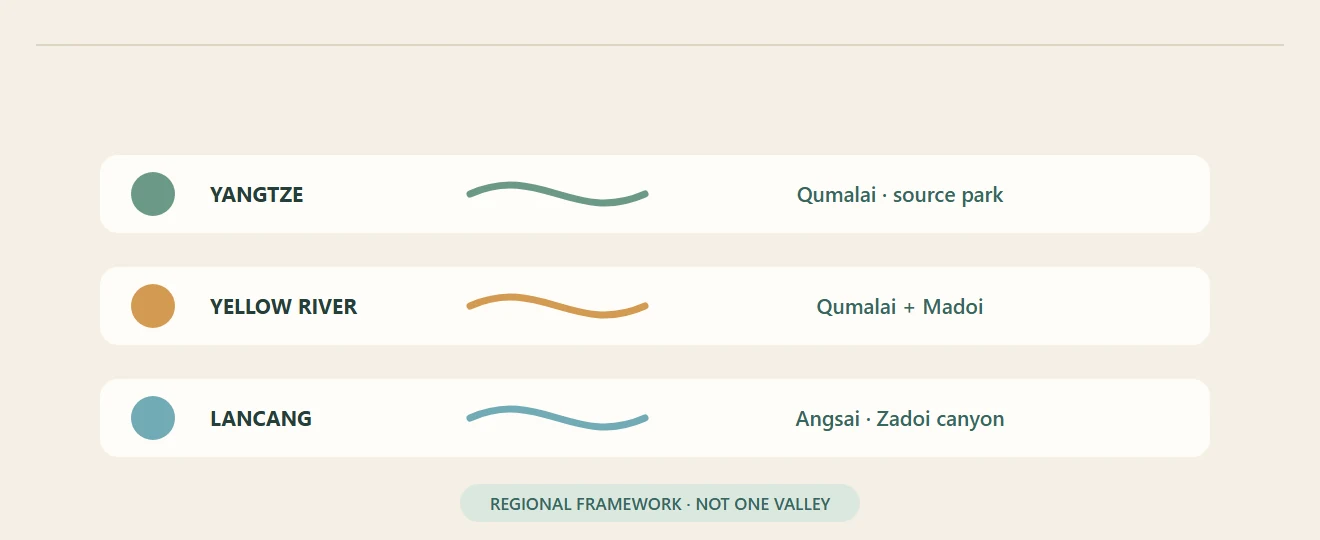
The headwater regions of the Yangtze, Yellow and Lancang rivers lie across this part of the plateau, but their local stories follow different places. Angsai’s river valleys, Hoh Xil’s patrols and the Yellow River source account in Qumalai belong to specific locations. Around Yushu and Nangqen, mani stones, temple histories, black pottery and salt-making turn attention from the broad headwaters to objects, buildings and work.
In Qumalai County, ranger Geqiu’s work and dated grazing restrictions show how protection is organized around the Yellow River’s headwaters.
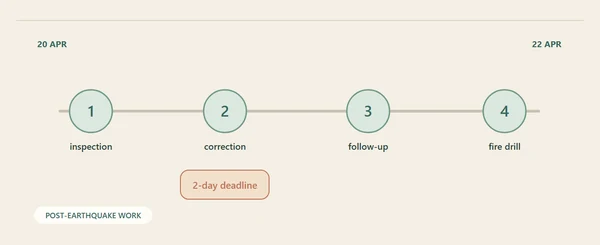
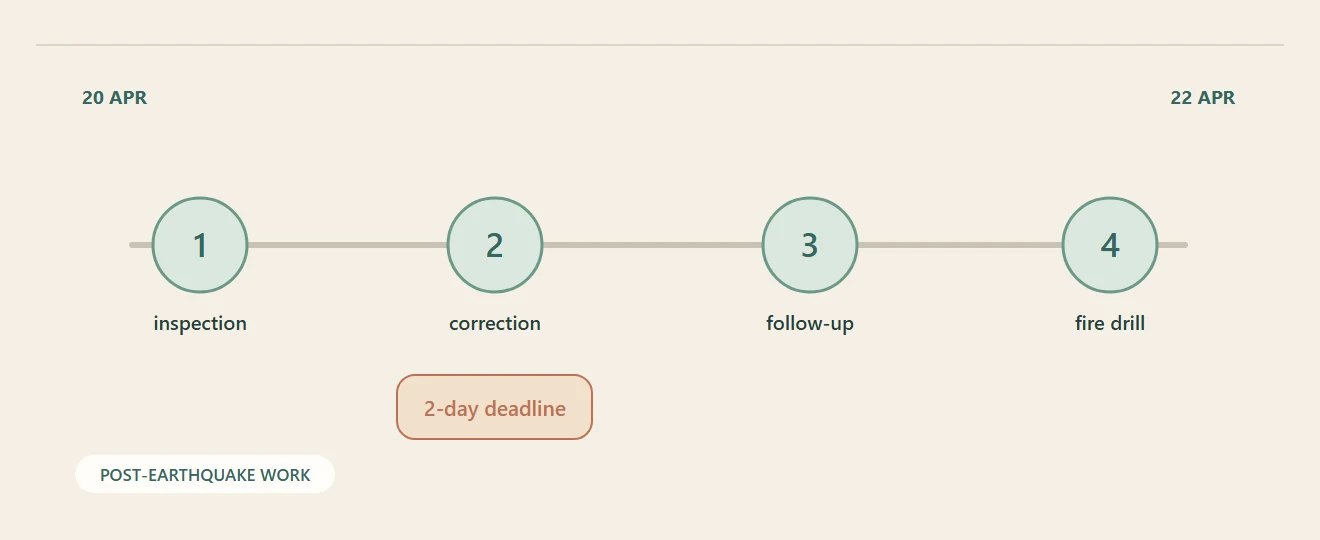
A 2012 Ministry of Culture report follows safety inspections at the post-earthquake conservation works for Newzhai Jiana Mani in Yushu.
Read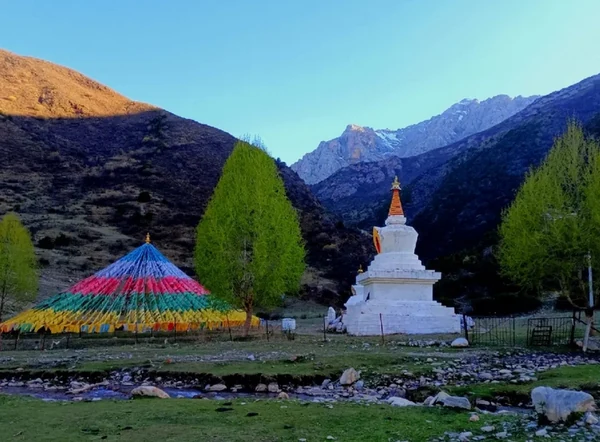
A 2024 scholarly survey examines an eight-line Old Tibetan inscription and nearby Buddhist carvings at the mouth of Leba Valley.
Read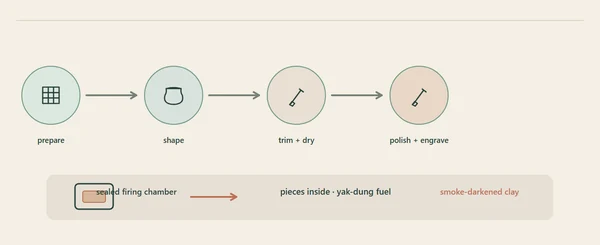
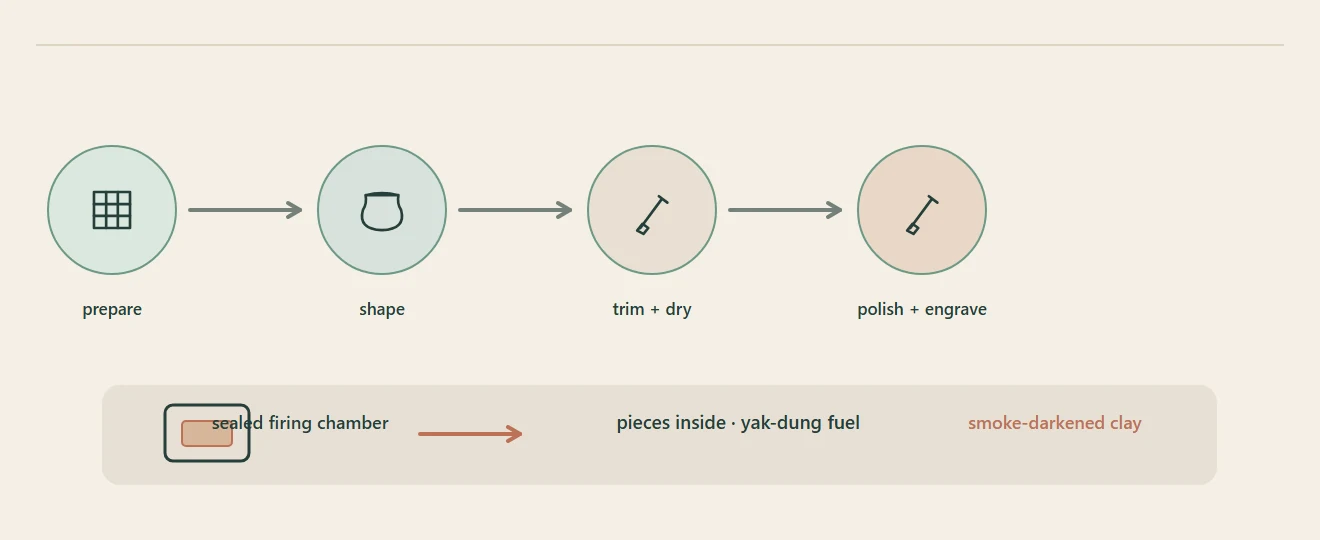
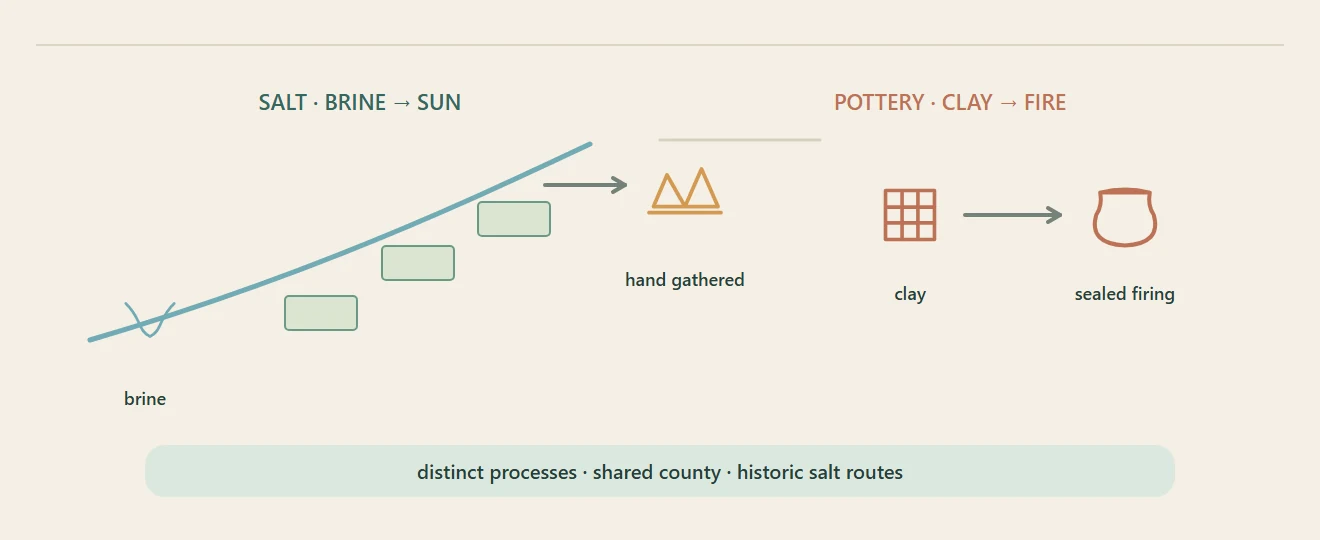
A 2020 workshop report follows Nangqian artisans as they shape vessels by hand and fire them in a sealed pottery jar using smoke carbon.
Read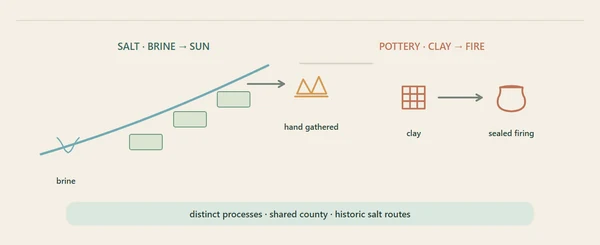
In Nangqian, villagers guide brine through hillside beds, let it settle and evaporate, then gather the crystals by hand.
Read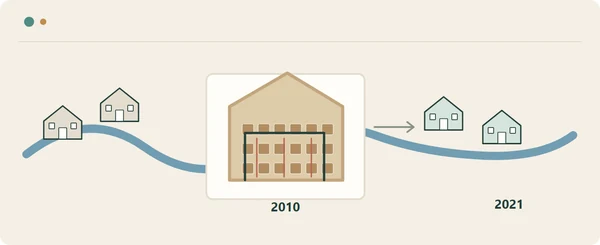
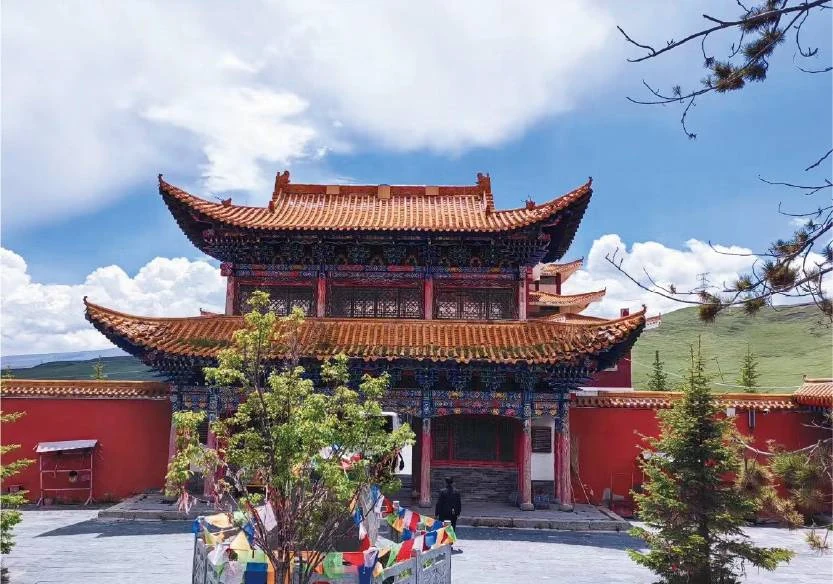
In Chengduo’s Labu Township, post-earthquake rebuilding combined traditional stonework and carved timber with modern structural systems.
Read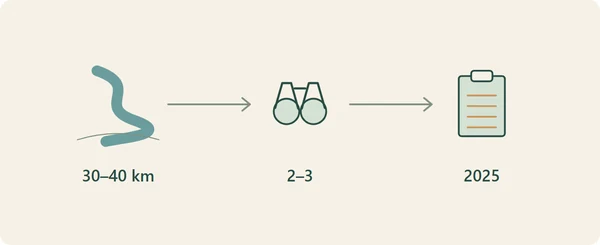
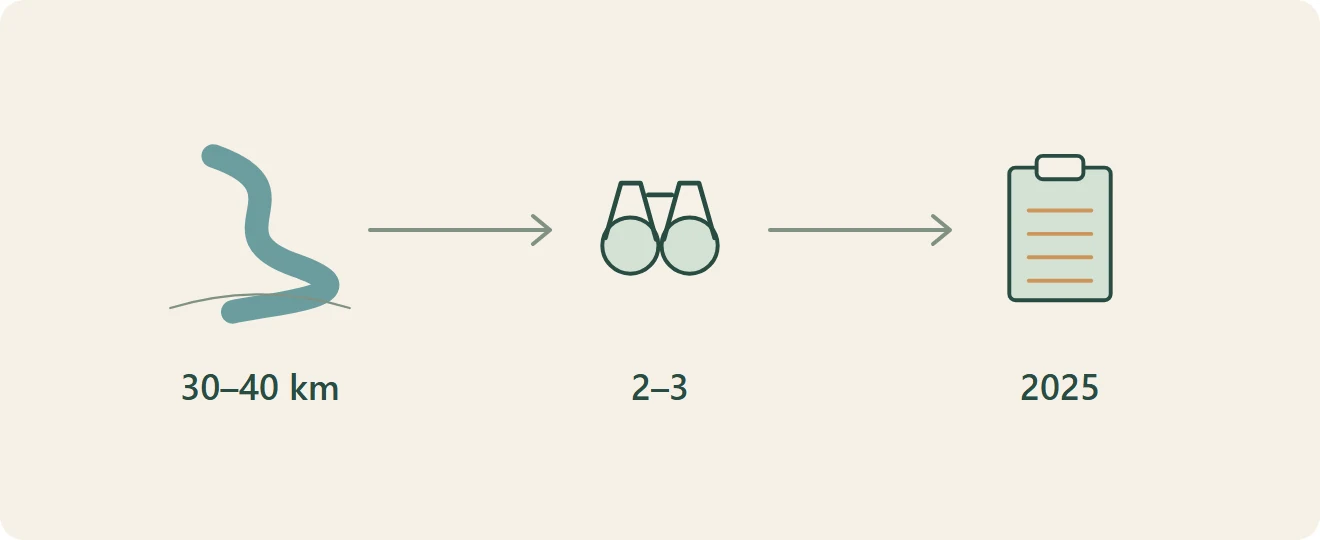
A 2025 report follows rangers in Qumalai as they patrol water, grassland and wildlife habitat in the Yangtze Source area of Sanjiangyuan National Park.
Read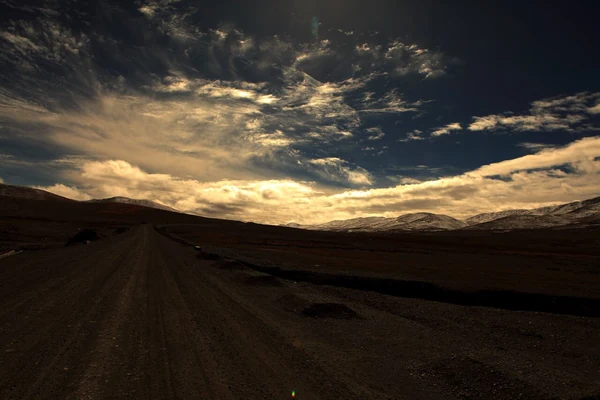
A 2025 report explains how Hoh Xil’s core and general control zones are managed within Sanjiangyuan National Park, and records patrols against unauthorized crossings.
Read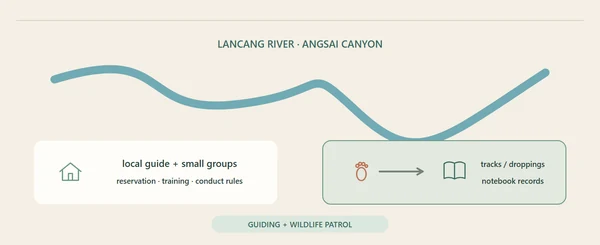
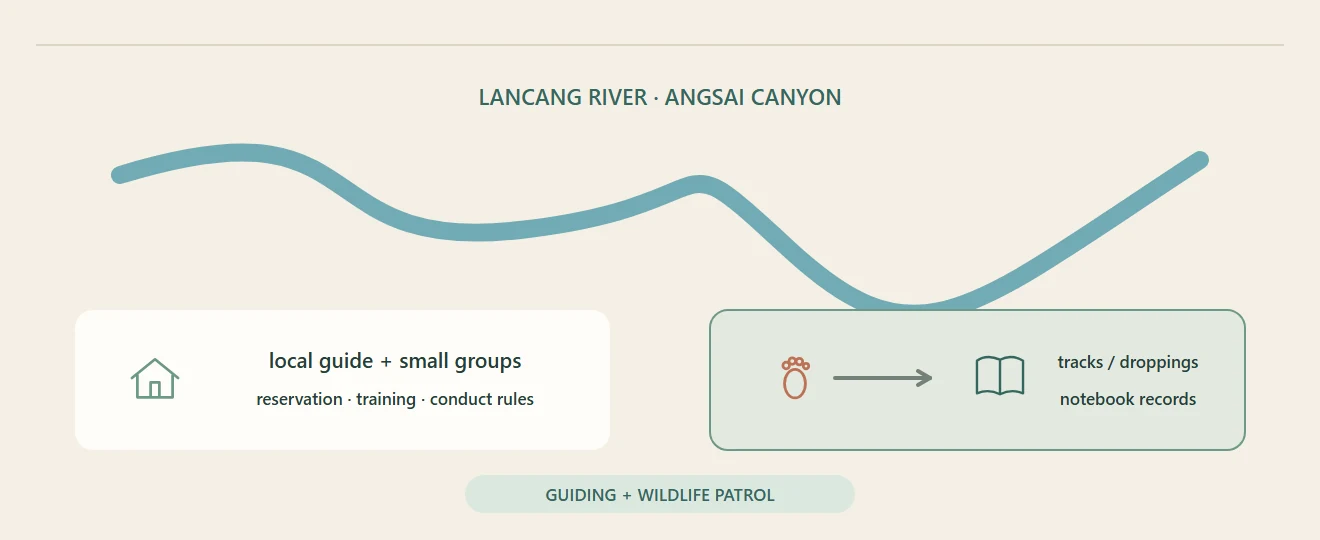
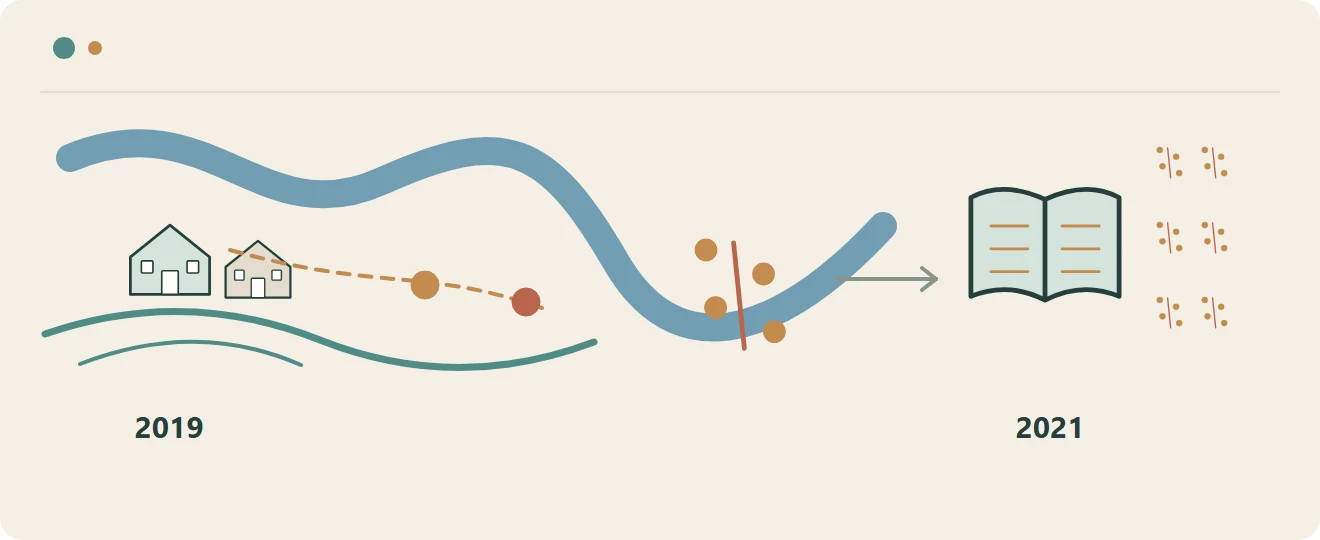
A 2021 account follows a herder-guide in Angsai and the community’s work with canyon visitors, wildlife knowledge and conservation rules.
Read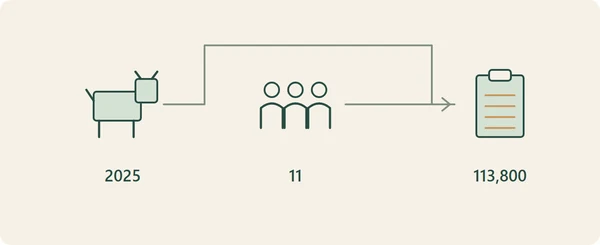
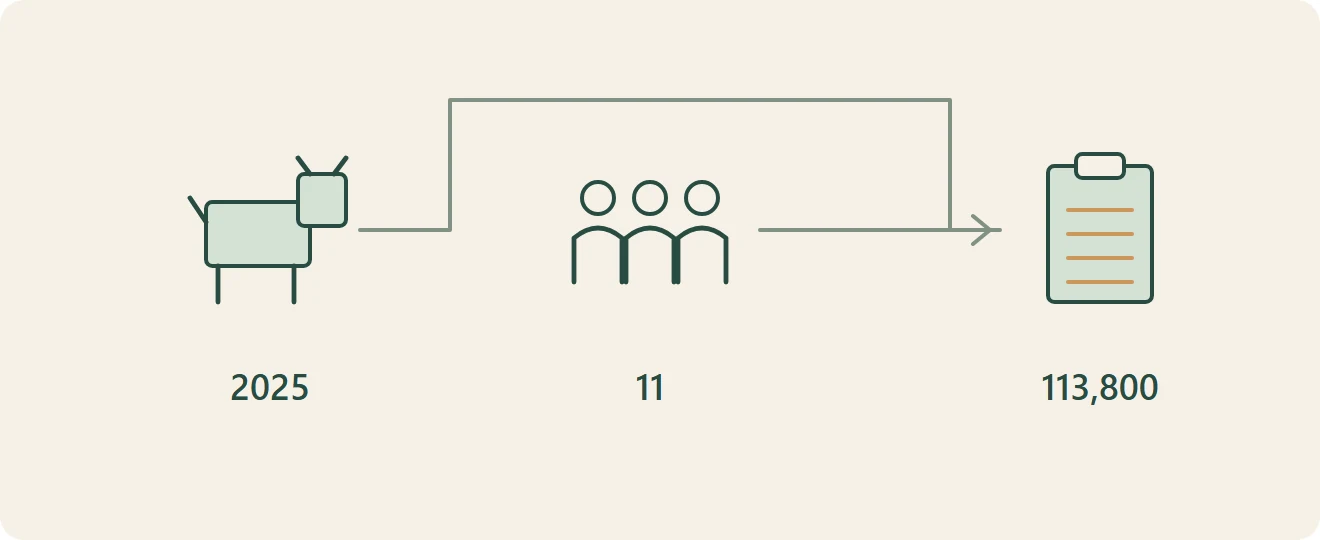
A Qinghai News report follows one eleven-person household in Daeo Village, where livestock raising and wage work in the county seat contributed to 2025 income.
Read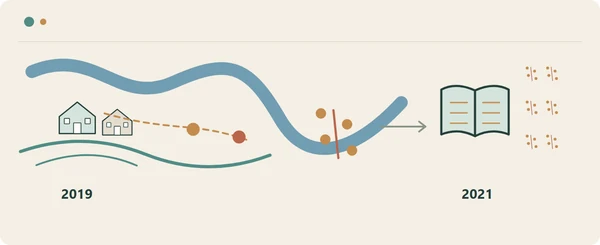
In Angsai, a herder-guide leads booked canyon visits, while residents record wildlife signs as part of local ecological patrols.
Read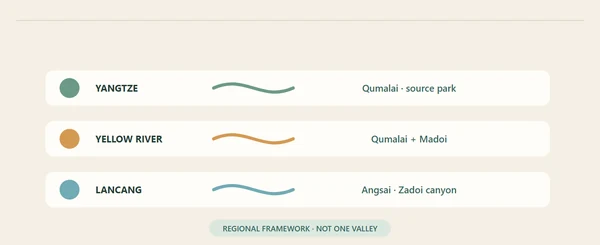
The Yangtze, Yellow and Lancang headwaters lie within the wider Sanjiangyuan region. Each river has its own valleys, counties and park areas.
Read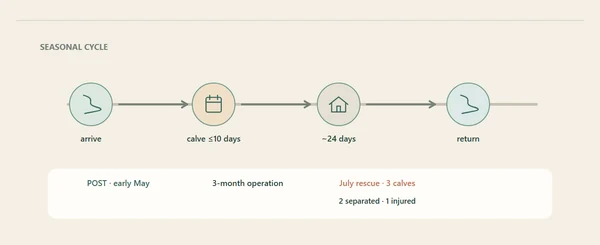
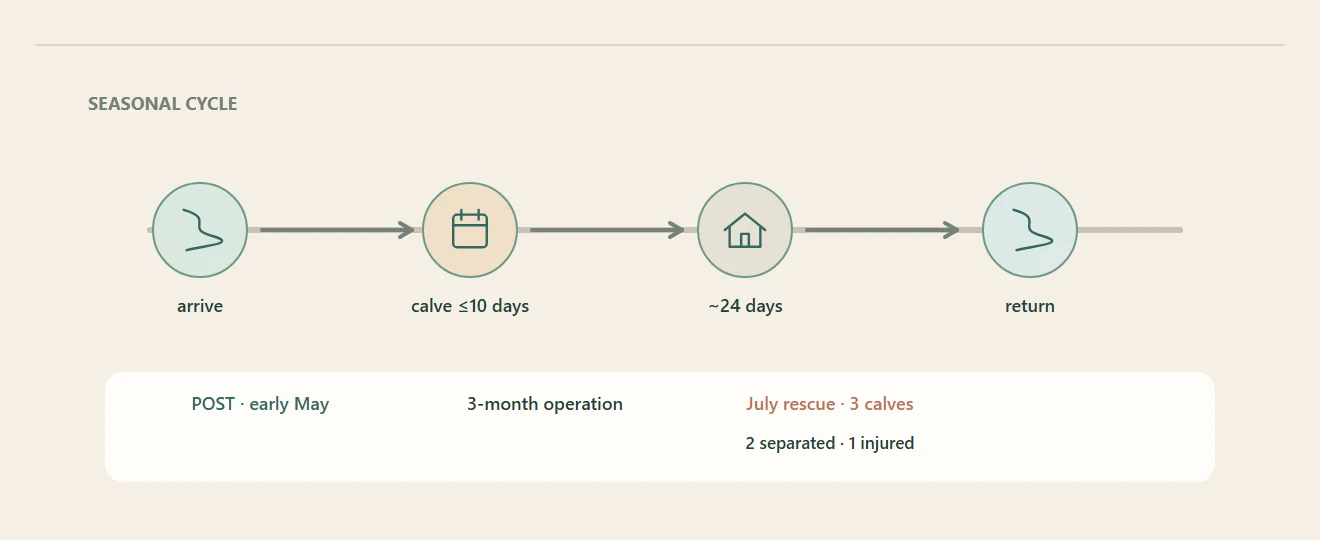
At Zhuonai Lake in Hoh Xil, migrating female chiru gather to give birth; a seasonal protection station patrols, monitors births and assists lost or injured young.
Read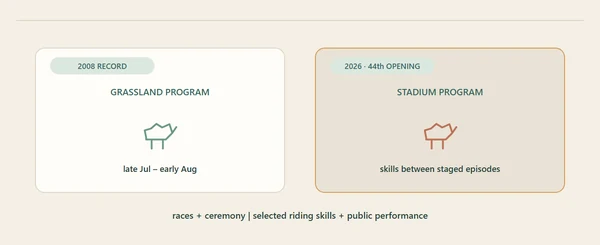
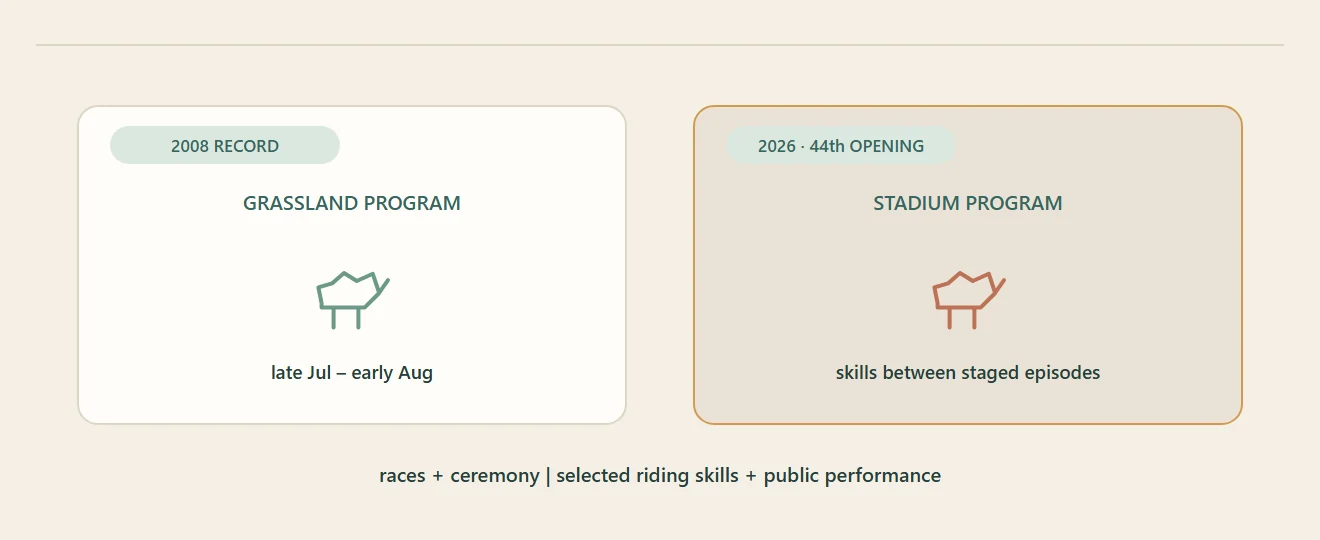
A heritage record describes traditional events at Zaxike Grassland, while a 2026 opening ceremony shows how horse skills also appear in a contemporary public program.
Read