A Brocade Buddha for Labrang Monastery
A 2008 account describes Wutun artist Tashi and his women students making a 130-by-80-metre patchwork Buddha image for Labrang Monastery’s annual sunning of the Buddha.
Around Tongren, Regong art takes shape in several materials: painted thangkas, layered textiles and clay sculpture. Village workshops and Guomari’s walls give those forms a setting. Beyond the valley, Heri’s stone inscriptions, Zeku’s pastoral work, Henan County’s Mongolian heritage and Jianzha’s river landscapes lead toward distinct communities and places.
A 2008 account describes Wutun artist Tashi and his women students making a 130-by-80-metre patchwork Buddha image for Labrang Monastery’s annual sunning of the Buddha.
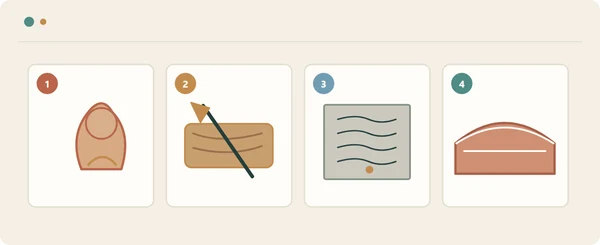
A 2008 cultural account describes four Regong sculptural materials through their distinct uses: gilded clay figures, painted wood, inscribed or carved stone, and fired brick decoration.
Read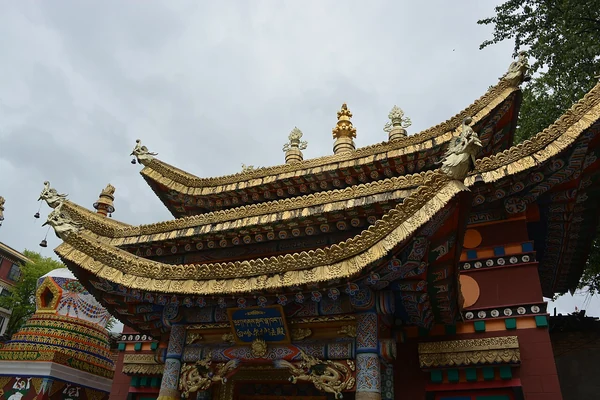
A 2020 report shows Wutun’s thangka practice through a teacher, apprentices and a young learner coloring canvas at the Longshu art courtyard.
Read
A Nianduhu officiant’s 2016 account remembers a route in which performers crossed walls and avoided repeating their path.
Read
A 2009 account begins the sixth-month Regong festival at Siheji’s village shrine; a separate 2017 report recorded a celebration shared by 24 villages.
Read
A 2025 report describes Guomari’s three gates, rammed-earth walls and winding lanes, while a 2011 survey records an earlier conservation plan.
Read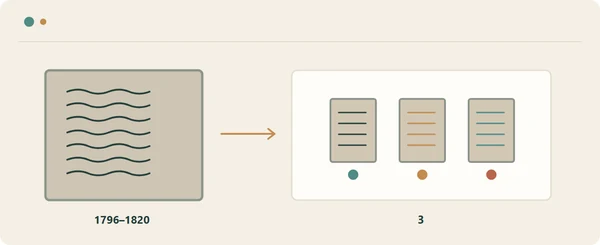
The He-ri Temple stone-carving record describes scripture lettering as part of a local tradition in Zeku. The carved text turns stone into a durable page.
Read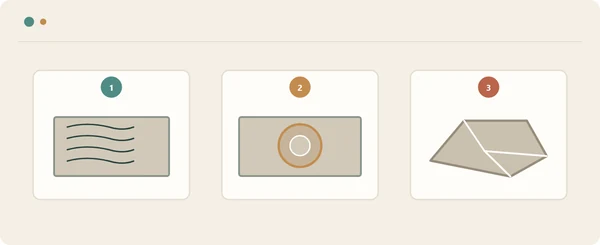
He-ri Temple’s stone-carving tradition includes carved Buddha images as well as scriptures. The heritage record describes full forms, relief and carved line as distinct modes.
Read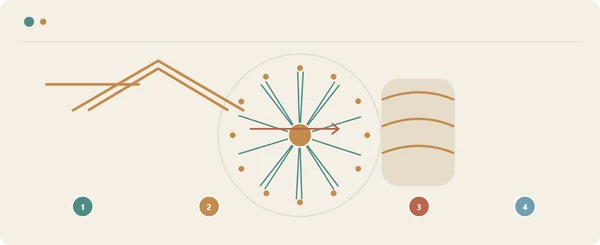
A national heritage record breaks ger construction into wooden frame, felt covering and fastening bands, and names inheritors across several townships of Henan Mongolian Autonomous County.
Read
A 2023 forestry report describes Zeku’s grassland monitoring and the role of ecological rangers, pastoral households and local field stations in resource management.
Read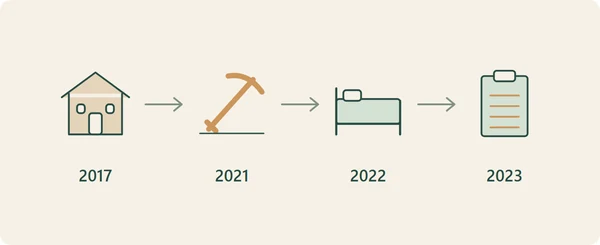
A 2023 report follows Laiyu, a named village in Jianzha, from relocation to a new riverside settlement of Tibetan-style homes and guesthouses.
Read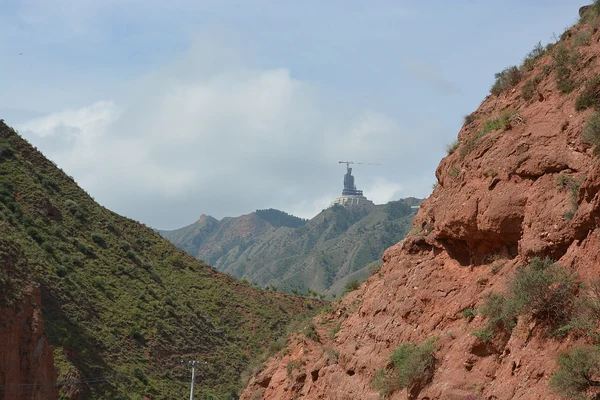
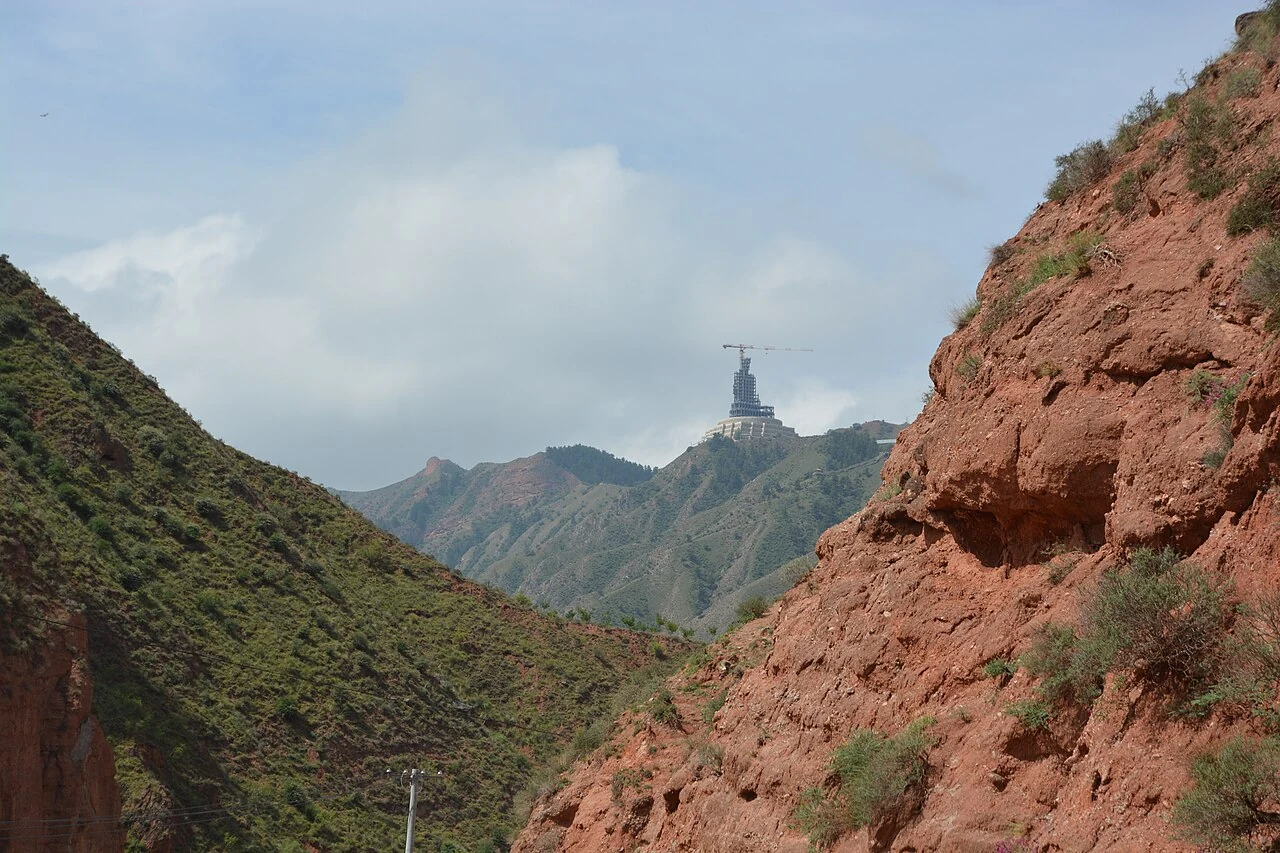
A 2023 report describes Kanbula’s red Danxia peaks, forest and varied geological features beside the Lijiaxia reservoir on the Yellow River. A 2026 provincial tourism event identifies the park’s location in Jianzha County.
Read