From the journal

Guomari Fort: Three Gates and Narrow Lanes

A 2025 report describes Guomari’s three gates, rammed-earth walls and winding lanes, while a 2011 survey records an earlier conservation plan.

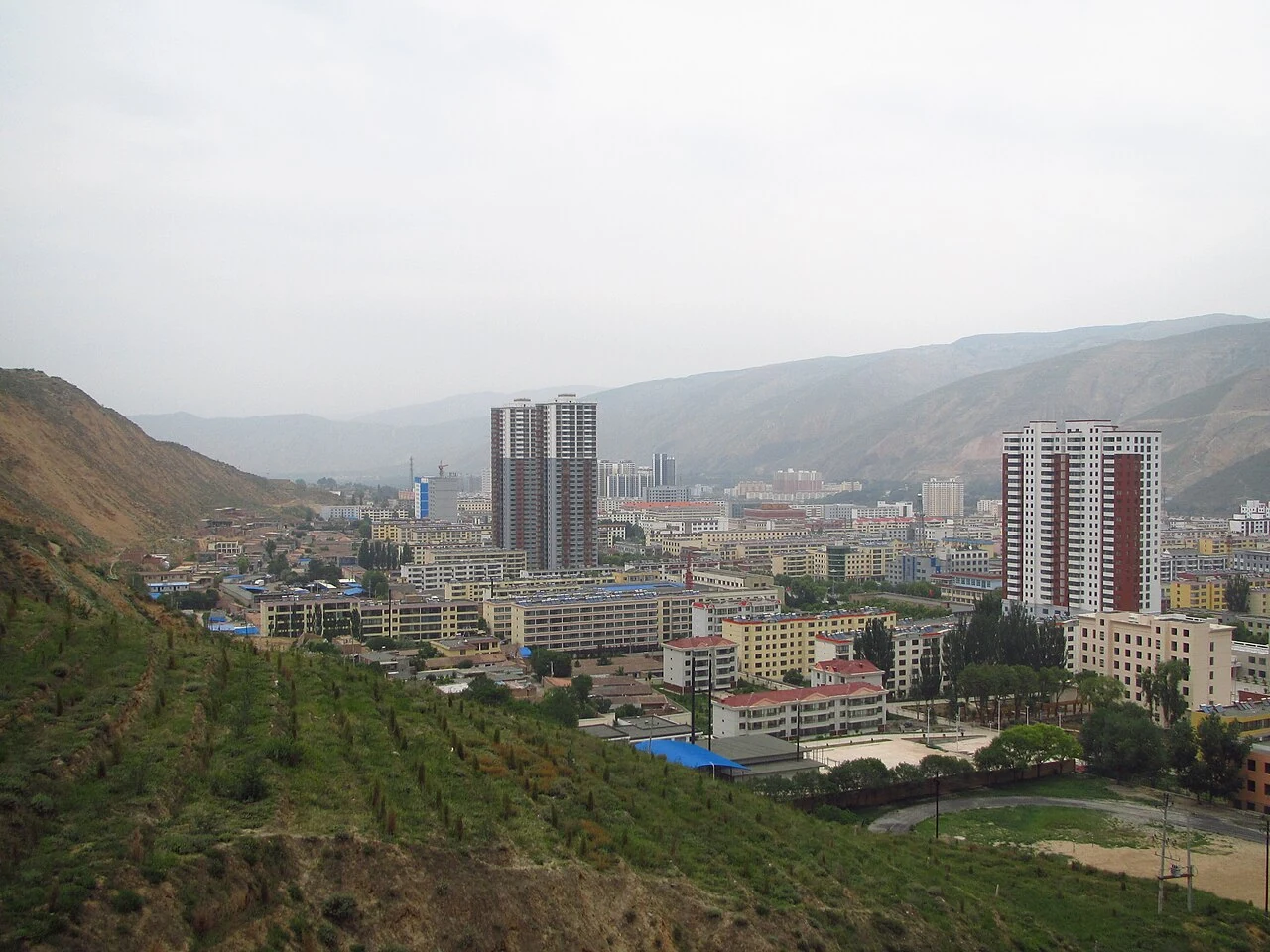
Tongren’s Longwu valley townscape in July 2014; regional setting for the valley’s villages.

Three gates in a village fort

A 2025 Xinhua report locates Guomari Fort in Guomari Village, Nianduhu Township, Tongren. The fort has east, west and south gates; the eastern entrance opens beside the village road. Inside, lanes wind between tall rammed-earth walls. The report describes roads only about one to three meters wide, with some walls windowless except at courtyard entrances.

This layout turns movement into part of the fort’s history. A narrow lane bends between walls, while the gates control how the village connects to the surrounding valley. The form was shaped by the settlement’s role in guarding a route and supporting life within its walls.

A fortified settlement along the Longwu

The 2025 account groups Guomari with Baoan ancient town, Nianduhu Fort and Wutun Shangzhuang Fort as the “Four Baoan Forts.” It describes Guomari as a former military-agricultural settlement, where defense and farming shaped the arrangement of the buildings. Today the fort is still a village where residents live.

A 2011 provincial survey records that conservation-and-repair plans had been prepared for the old towns of Guomari and Wutun. The two reports give different views of the same place: one records the historical planning; the other describes gates, lanes and walls in a living settlement.

Continue exploring · Huangnan ↗
Photo credits and rights
  1. Tongren’s Longwu valley townscape in July 2014; regional setting for the valley’s villages.NoGhost · CC BY-SA 4.0 Photo source ↗ Rights information ↗ Proportionally resized and converted to WebP without cropping. No objects were added, removed or reconstructed.