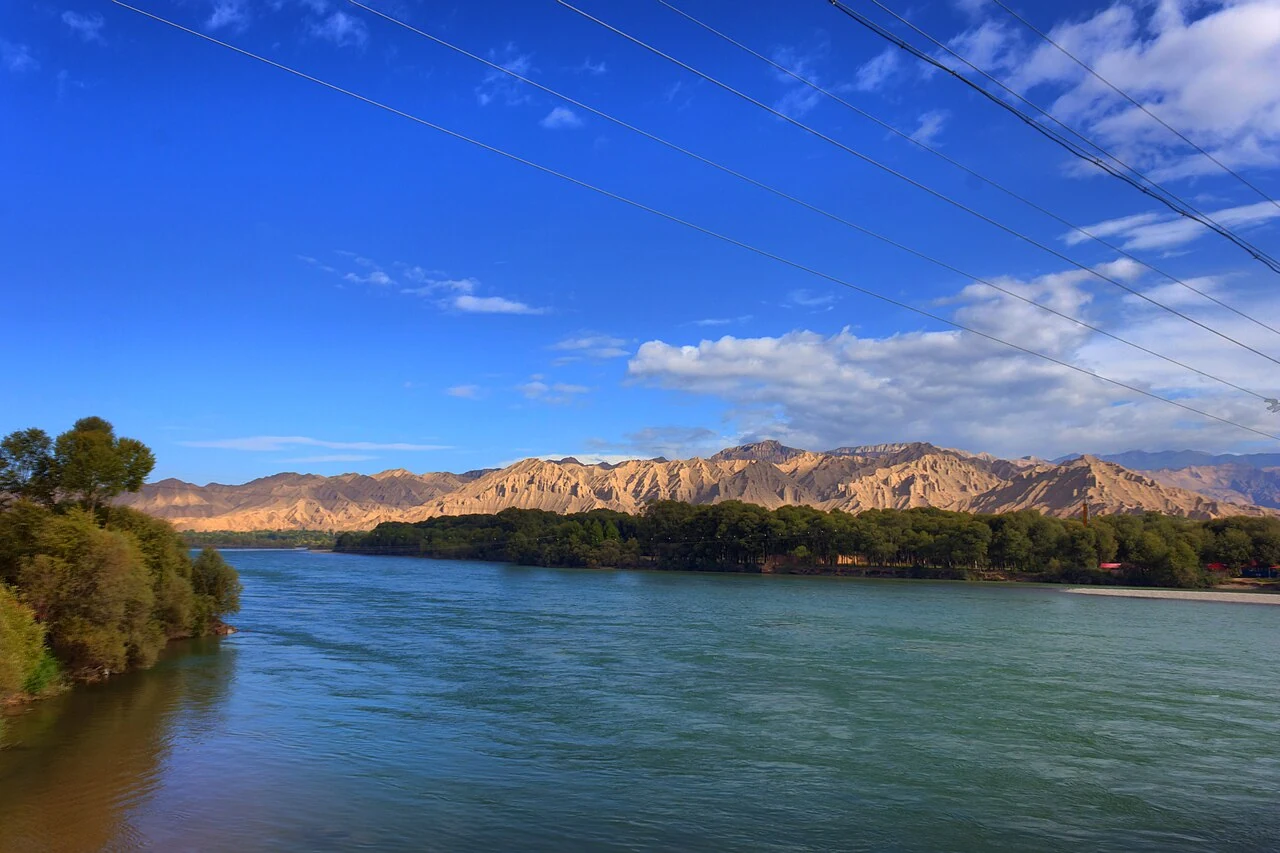
Guide County’s history page lists objects from several excavations and periods: Neolithic stone tools, Bronze Age pottery, Han-era iron ploughshares, seals and coins, and later bells and official insignia. A county cultural-site survey in 1985 recorded 58 locations, including provincial- and county-protected sites. Examples named on the page include Tangjiali, associated with the Bronze Age; Zangai Ancient City from the Tang period; and Yuhuang Pavilion from the Ming. Read together, the objects and sites trace farming, administration and public life across the river valley.
From the journal
Layers of Time in the Guide Valley
Guide County’s government history page gathers artifacts and sites from the Neolithic era through the Ming and Qing periods, setting the river valley within a long record of settlement and exchange.
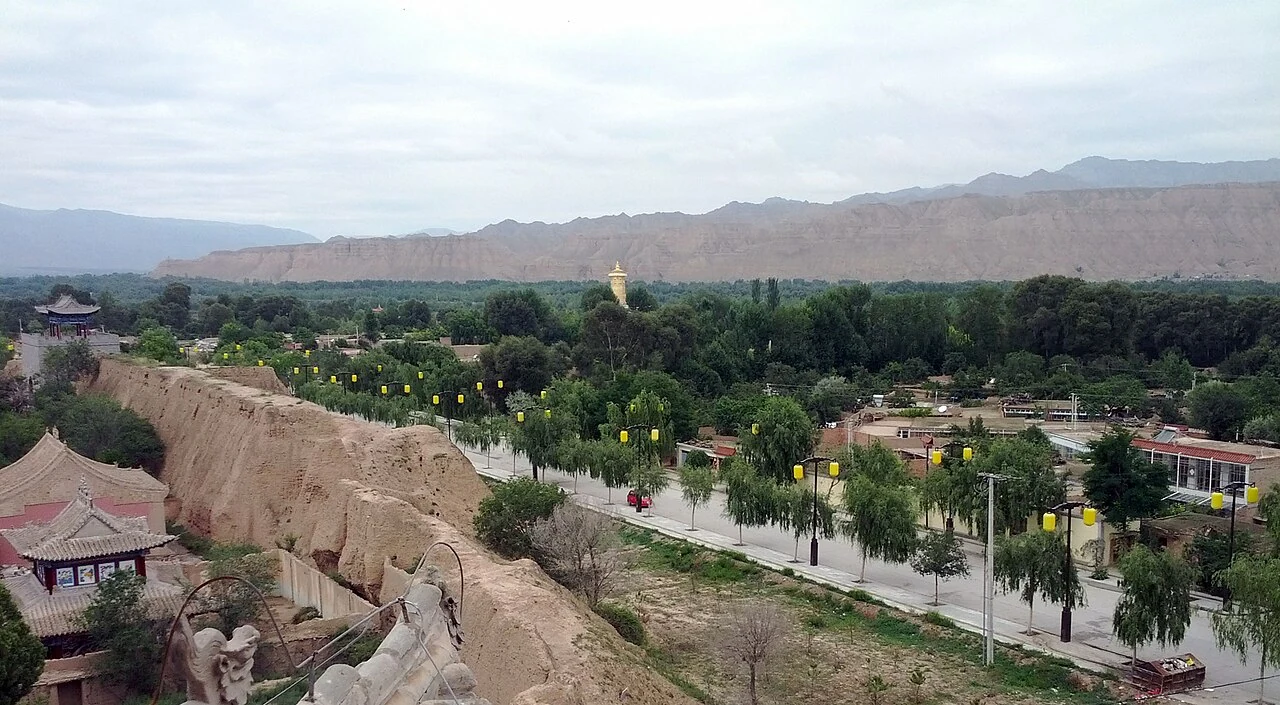
Objects from several periods
Roads, forts and buildings
The same county page names remains associated with the Majiayao and Kayue cultures, as well as Han and Tang forts and Ming and Qing buildings. It describes historic routes crossing Guide, including branches associated with the Silk Road and the Tang-Tibet road. One account records a floating bridge near Hexi, made by linking boats across the Yellow River during the Eastern Han period. The valley’s history is therefore visible in different kinds of evidence: tools used in daily life, fortifications along routes, buildings in town and crossings over the river.