A canal town already has entrances, crossings and places where people gather. During the Wuzhen Theatre Festival, that familiar arrangement becomes material for artists. A courtyard can hold a small audience; a lane can frame an arrival; a bridge or a boat can become part of a performance. The architecture changes the relationship between watcher and watched. Instead of always facing a raised stage across an auditorium, the audience may share the same street and weather as the event. The old town supplies a set of spaces with their own proportions, sounds and limits.
Jiaxing
When the Town Becomes a Stage
Wuzhen’s theatre festival brings performances into courtyards, lanes and other shared spaces, turning the old town into a modern cultural venue.
In the same city · Jiaxing ↗A Warehouse, Reimagined
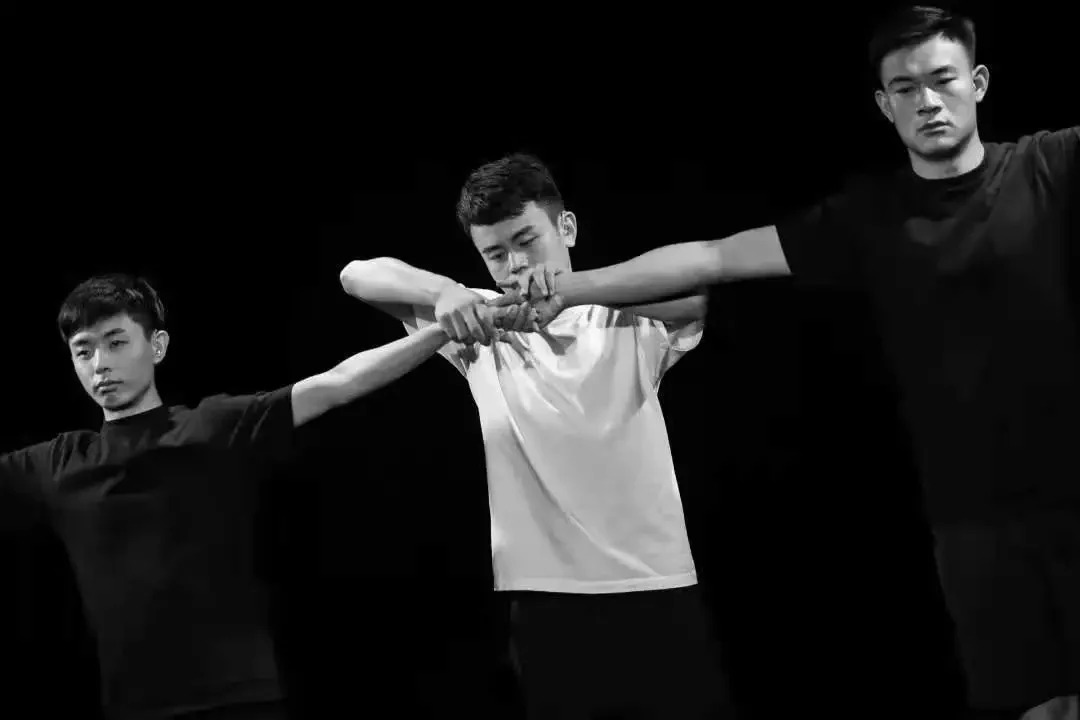
Performances Leave the Theatre
The festival's Ancient Town Carnival takes performance beyond conventional theatres. Its programme has used public spaces among wooden buildings, stone bridges, lanes and waterways. Such settings give a production something an empty room cannot supply: a real corner to appear around, a passage that admits only a few people side by side, or water that carries a moving scene. These are modern artistic uses of the town. Each edition has its own programme, while the exchange between buildings, performers and audiences remains a useful way to understand the event.
A New Gathering for an Old Town
Invited productions, work by younger theatre makers, conversations and public performances bring different kinds of attention to Wuzhen. Some audiences arrive for an auditorium, others encounter an event in the town. The festival adds a contemporary cultural layer to the familiar roofs and canals. That matters to the portrait of Jiaxing: its historic places can hold new gatherings, new work and people whose interests reach far beyond architectural sightseeing. A stage here may have a curtain and a seat number. It may also begin at the next bend in a lane.