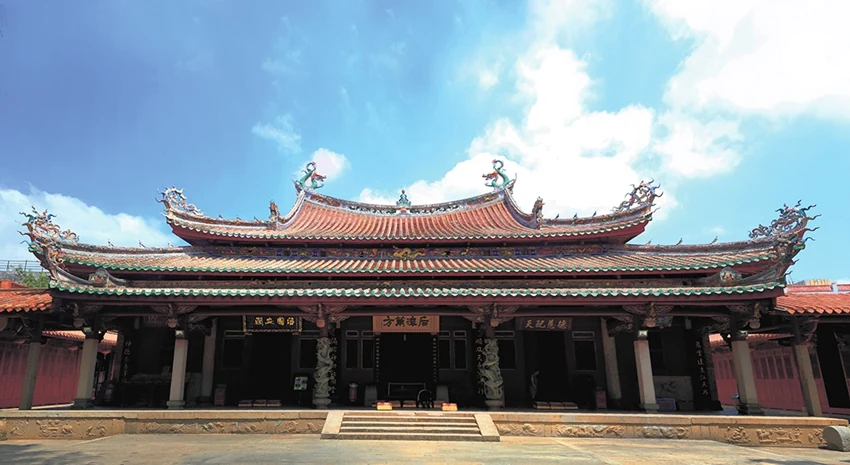
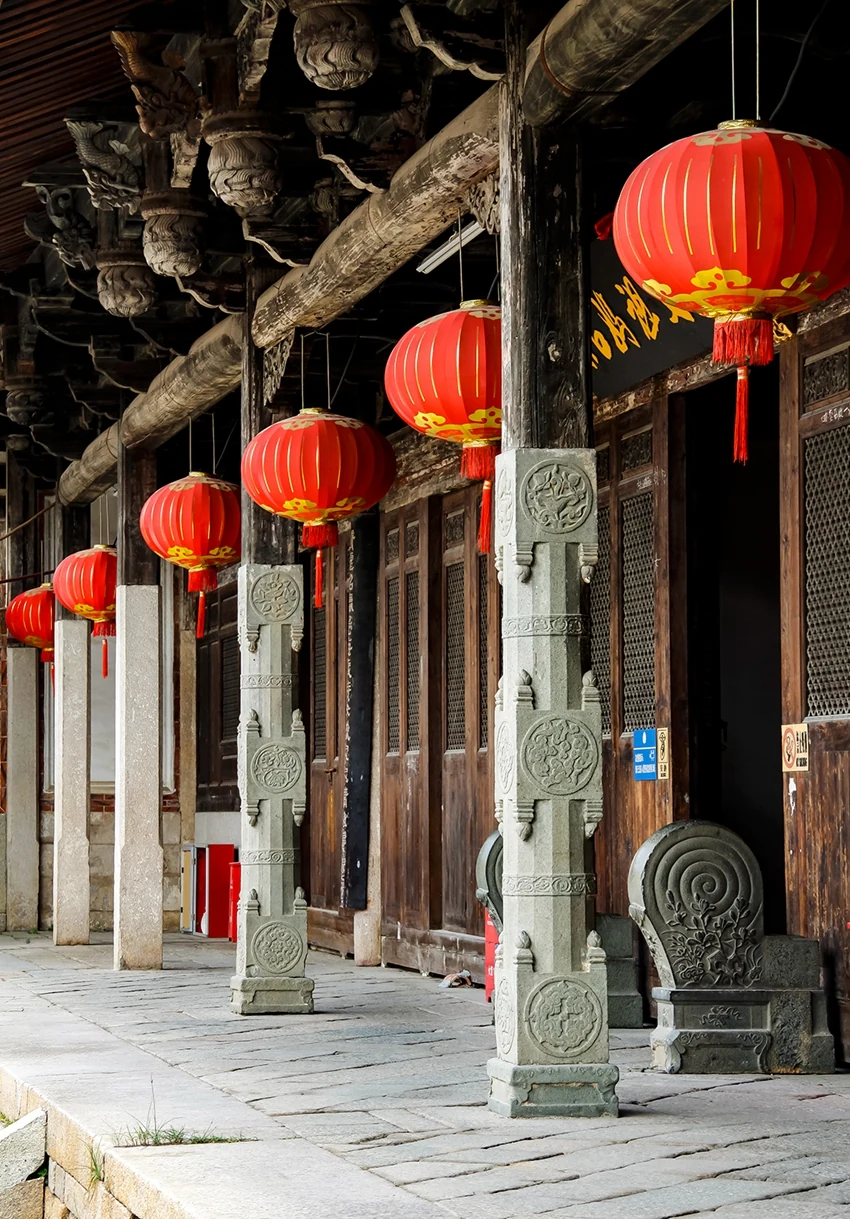
Tianhou Temple stands at the southern side of Quanzhou’s old city, oriented toward the river and ports that connected it with the sea. That position helps explain its dedication. Mazu, revered as a protector of seafarers, belongs here to a world of departures and returns, of households on shore and people whose work carried them away from it.
Founded in 1196 as Shunji Temple, the sanctuary developed through support from both ordinary devotees and officials. Its later name, Tianhou, invokes the Heavenly Empress. For a reader new to the tradition, it helps to begin with that relationship between protection and uncertainty. A voyage could be an enterprise planned in detail and still expose those aboard to forces beyond their control. Worship gave that uncertainty a place in the city’s shared life.