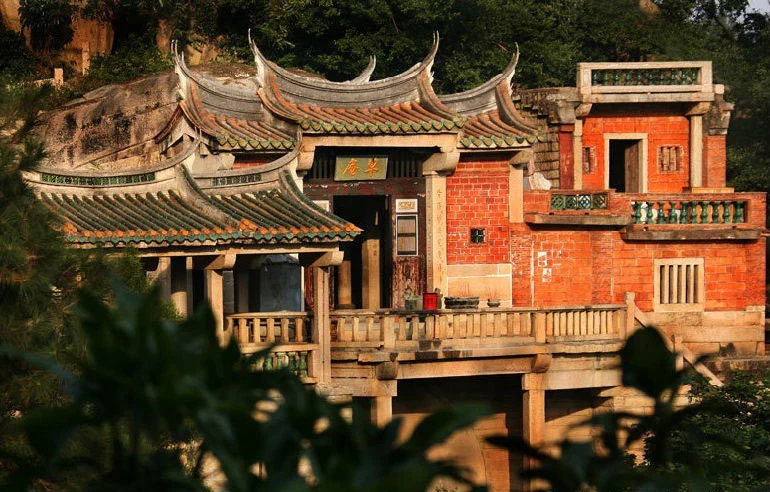
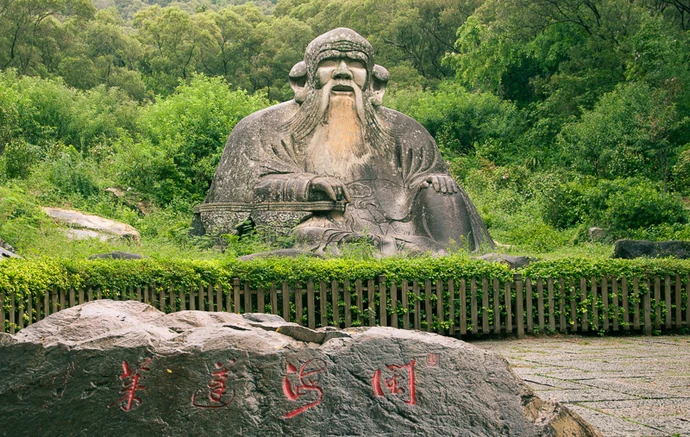
A Buddhist temple courtyard, the stone entrance of a mosque and a carved block in a museum make three very different encounters. The first may be a place of worship today. The second holds the outline of an altered building. The third has been moved from the structure for which it was made. Quanzhou brings these forms of religious memory close enough to compare without making them identical.
For someone unfamiliar with Chinese religious history, the first useful step is simply to keep the names distinct. Buddhism, Islam, Hindu traditions and Manichaeism have different histories, texts and practices. Their traces here belong to a trading city connected with communities beyond China, and to a local society that also shaped what arrived. Objects allow that large exchange to become specific.